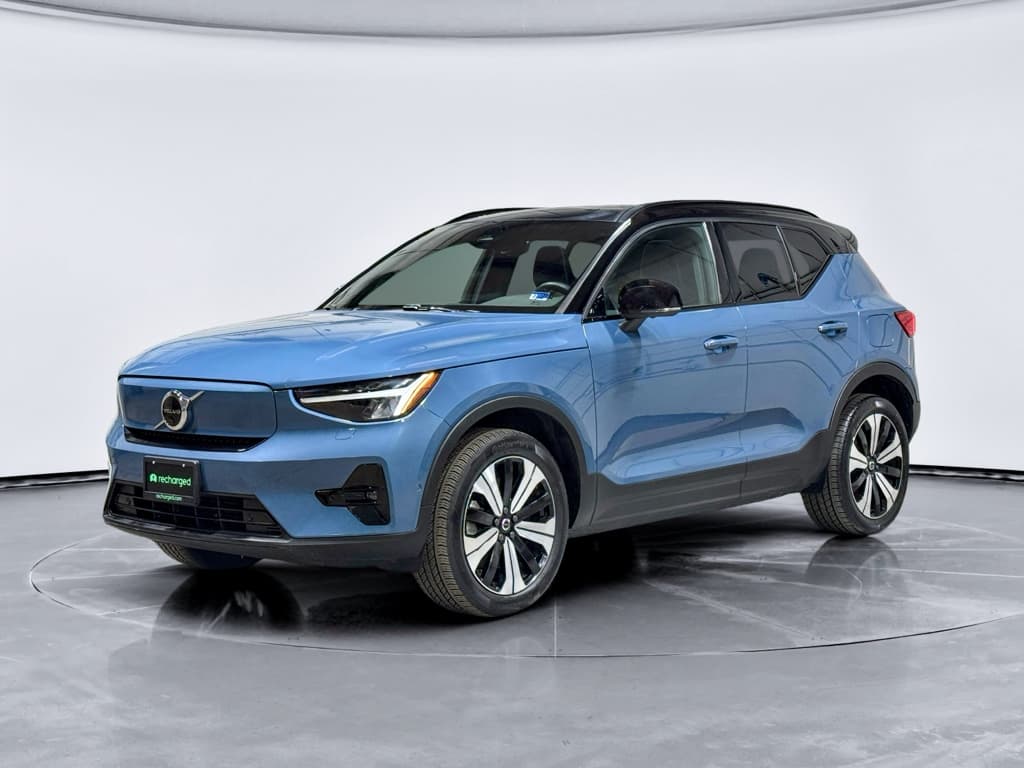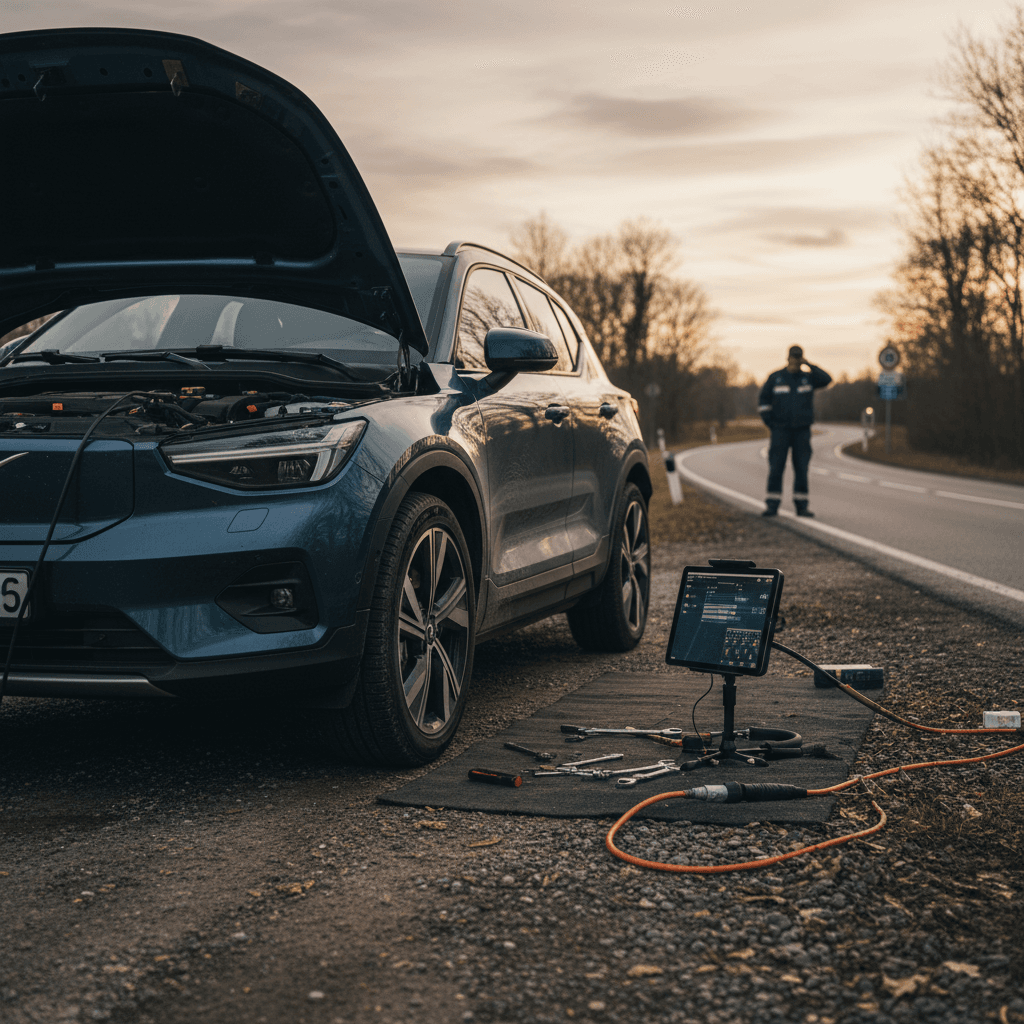
The 2025 Volvo EX30 is charming, fast, and cleverly minimal. It’s also a first‑generation software‑heavy EV from a company still learning the smartphone-on-wheels game. If you’re trying to understand **2025 Volvo EX30 problems and fixes**, whether as an owner or a used‑buyer, this guide walks through what’s actually going wrong, how serious it is, and what you can realistically do about it.
Context: 2025 = second full model year, not a blank slate
2025 Volvo EX30 problems: the short version
2025 Volvo EX30 problem snapshot
Broadly, 2025 EX30 issues cluster into four buckets: 1. Safety recalls – especially a serious high‑voltage battery fire risk on some 2025 EX30s, plus earlier global software recalls for digital instruments and warning chimes. 2. Software flakiness – frozen or laggy center screen, lost connectivity, driver‑assist settings not saving, bugs in routing and charging info. 3. Charging headaches – quirky AC current limits, occasional DC fast‑charge session failures, and cable compatibility annoyances. 4. Noise and build niggles – steering‑wheel clicks, interior squeaks, and some inconsistent dealer responses. The good news: most of these are **fixable** with software updates or recall work. The bad news: you need to be proactive about checking your VIN, software level, and service history, especially if you’re buying used from a non‑Volvo outlet.
Major 2025 EX30 recalls and safety issues
Before we talk about annoyances, let’s talk about the stuff that can ruin your day: safety recalls. By early 2026, three recall themes matter most for a 2025 EX30, especially in North America and Europe.
High-voltage battery fire risk and 70% charge limits
The headline issue for 2025 EX30s is a **high‑voltage battery defect that can lead to thermal runaway and fire** in a subset of vehicles. Volvo issued a recall (often described internally as R10355) covering certain 2025 EX30 VIN ranges and markets. In Australia and other regions, owners were explicitly told **not to charge past about 70%** until the remedy is complete; in North America the language focuses on avoiding full charges and returning to the dealer for inspection and possible module replacement.
- Potential symptoms: unusually rapid state‑of‑charge jumps, repeated high‑voltage system warnings, or Volvo communication instructing you to limit charge level.
- Risk: in the worst case, overheating and battery fire during or after charging.
- Remedy: inspection of the pack, replacement of affected battery modules where necessary, and updated software to better monitor and limit stress on the cells.
If you see a battery safety notice
Digital speedo & seatbelt warning software bugs
Earlier in the EX30’s life, Volvo recalled essentially **every EX30 built** to fix a bug that could cause the digital speedometer cluster to boot into a test mode at startup instead of showing your actual speed. That’s been handled via over‑the‑air (OTA) update on most cars by now, but any 2025 car that sat on a lot or missed updates could still be behind on software.
More recently, U.S.‑market EX30s were recalled over a **seatbelt warning chime issue**, where the audible alert might not behave as legally required if a belted passenger unbuckled while the car was moving. It’s not as dramatic as a battery fire, but it is a safety‑system defect, and shows how dependent this car is on software behaving perfectly.
How to check if your 2025 EX30 has open recalls
1. Run your VIN with NHTSA or your local authority
In the U.S., enter your 17‑digit VIN into the federal recall lookup site. In Canada and Europe, use your national vehicle safety database. This will show all open safety recalls, including EX30 software and battery campaigns.
2. Verify with a Volvo dealer
Even if the public database is clean, ask a Volvo service department to run the VIN. They can see brand‑specific campaigns, service bulletins, and whether a given recall has actually been completed on your car.
3. Check the in‑car software status
From the center screen, open the software or system info section and note the version number. Cross‑check against Volvo’s EX30 software‑release notes, or simply ask the dealer to confirm that you’re on the latest approved build for your market.
4. Buying used? Demand paperwork
If you’re shopping used, ask for a printout of completed recall work and a recent service invoice. On a marketplace like <strong>Recharged</strong>, this should be reflected in the vehicle’s <strong>Recharged Score Report</strong> and battery‑health section.
Everyday software bugs: screens, apps, and driver aids
If the recalls are the headlines, the day‑to‑day story of the 2025 EX30 is more mundane: **this car is still quirky software**. Owners describe a car that’s fundamentally good to drive but occasionally behaves like a beta app.
Common EX30 software problems (2025)
Most are irritating, not catastrophic, but they add up.
Frozen or laggy center screen
The single center display can freeze, lag, or go black for seconds at a time. That takes climate, navigation, and some drive settings with it.
Typical fix: soft or hard reset of the infotainment system, plus installing the latest OTA update. Persistent failures require a dealer to check modules and wiring.
Connectivity & app glitches
Owners report lost LTE connection, Spotify disappearing, or no data for live traffic/charging. The Volvo Cars app may fail to wake the car or to start a charging session on some public networks.
Typical fix: reboot phone and car, re‑login to the app, ensure both EX30 app and Volvo Cars app are up to date. Stubborn issues often clear after the next major software push.
Driver‑assist settings not sticking
Lane‑keeping assist, driver‑monitoring, and other safety settings sometimes reset after a key cycle, forcing you to re‑configure your preferences.
Typical fix: update to the latest software; some releases specifically address profile and setting persistence. Report ongoing bugs so Volvo can target them in future builds.
Live with it or fix it?
Charging problems on the 2025 Volvo EX30
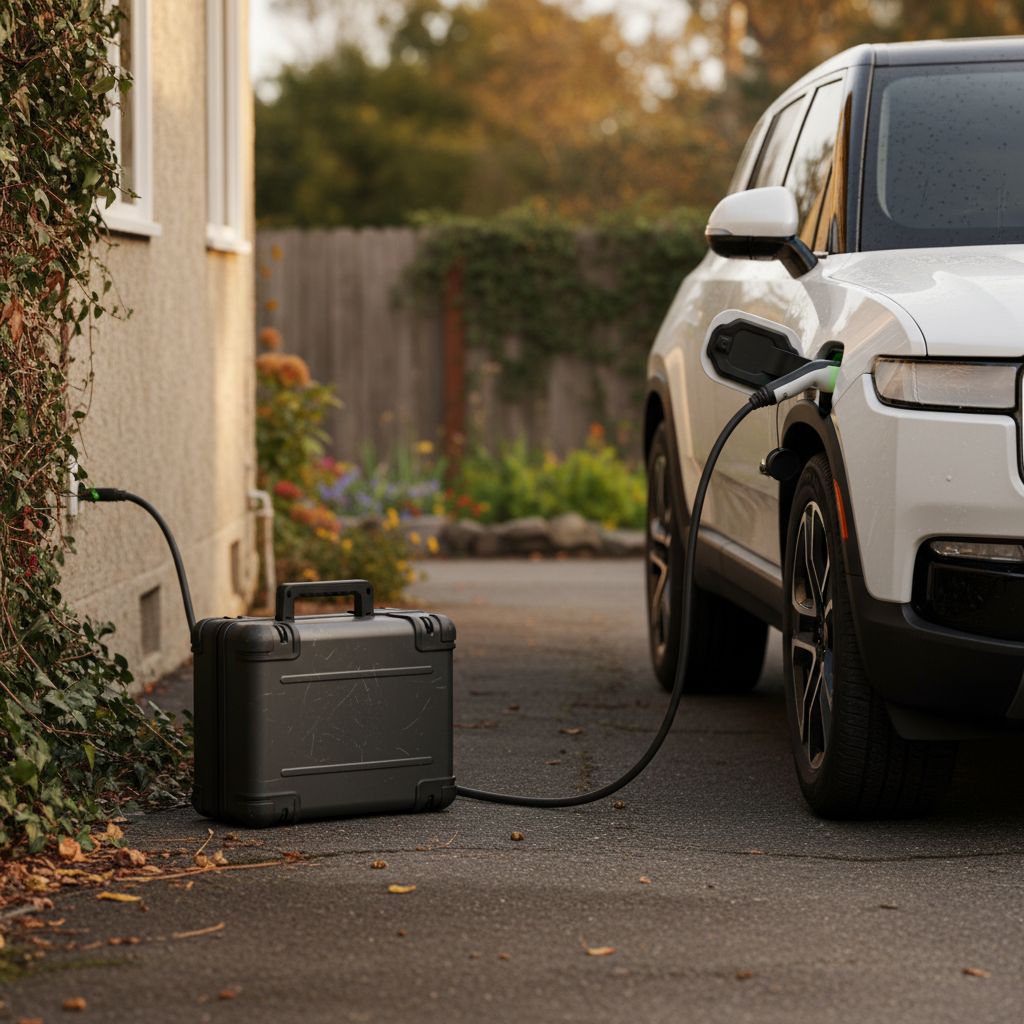
The EX30 is capable of solid DC fast‑charging, but owners have tripped over a number of **charging‑behavior gremlins**, especially on AC (home) charging and when dealing with public networks through the app.
Typical 2025 EX30 charging problems and fixes
What owners report, what usually causes it, and what actually helps.
| Problem | Likely cause | What you can do |
|---|---|---|
| AC charging stuck at very low amps (e.g., 5–6A) | Hidden or bugged current‑limit setting in the EX30 software, or EVSE safety limit. | Check the "limit charging current" settings in the car and in any smart‑charger app. Toggle the limit off, then manually raise the current slider. If the car still refuses higher current, have the dealer update software and test with a Volvo workshop EVSE. |
| Car rejects AC cable or says connector not compatible | Software mis‑identifying Type 2/J1772 compatibility or cable fault; some issues were explicitly fixed in EX30 software release notes. | Try a different cable and outlet first. If only your EX30 misbehaves with known‑good hardware, ask the dealer to check for the AC‑cable Technical Journal fix and latest software version. |
| DC fast‑charge sessions failing to start | Handshake glitches between certain public chargers and the EX30; app‑initiated sessions stalling. | Try a different station or operator before blaming the car. Start the session from the charger’s own screen/app instead of Volvo’s app if possible. Persistent issues should be logged with time, place, and station ID for Volvo support. |
| Charging stops early or won’t go past ~70% | Could be user‑set charge limit, battery‑protection behavior on a hot pack, or an active high‑voltage battery recall with a temporary cap. | First, check your daily charge limit in the car’s settings. If that’s not it and the cap appears new, immediately check for battery recalls and contact a Volvo dealer. Don’t force repeated top‑offs. |
Always start by checking for open recalls and the latest EX30 software before assuming your charger is at fault.
Don’t mask a real fault with a different charger
Clicks, creaks and build-quality complaints
Beyond software and charging, the 2025 EX30 has picked up a low but persistent background hum of **noise and quality complaints**, the kind of stuff that doesn’t show up on a spec sheet but will wear on you in traffic.
- Steering‑wheel clicks: Some owners report an audible click or knock when turning the wheel at low speeds. Responses vary by dealer: some call it “characteristic,” others replace components in the steering column or intermediate shaft.
- Interior squeaks and buzzes: Rattles around the minimalist dash, center console, or door cards over rough roads. Often fixable with trim adjustments and felt tape, but it may take multiple visits to get right.
- Wind and road noise: Compared with larger Volvos, the EX30 can feel a bit boomy on coarse pavement. This is more of a design limitation than a defect, but poorly sealed doors or a mis‑aligned hatch can make it noticeably worse.
How to separate “normal” from “not OK”
- Do a back‑to‑back test drive in another EX30 at the same dealer. If yours is markedly louder or clunkier over the same stretch of road, that’s evidence.
- Ask the technician to ride along so you can reproduce the sound. Vague “sometimes it clicks” write‑ups are easy to dismiss; a live demo is harder to ignore.
- Keep a short video with audio on your phone that captures the noise, especially if it’s intermittent.
When to push for a fix
- If the sound is new, worsening, or tied to steering or braking, assume it’s a safety‑relevant issue until proven otherwise.
- If a dealer calls it "normal" but other EX30s don’t do it, escalate via Volvo customer care and reference your comparison drive.
- For used‑car shoppers, any unusual clunks or grinding during the test drive are a good reason to walk away or negotiate hard.
Technical bulletins and “small but annoying” issues
Underneath the headline recalls, Volvo has been quietly issuing **Technical Journals and service bulletins** for smaller 2025 EX30 problems, things not serious enough for a safety recall but common enough that engineers documented a fix.
Examples of EX30 technical bulletins (2025)
These may already have a documented dealer fix.
Poor phone-call audio quality
Some EX30 owners complain of muffled or choppy call audio over Bluetooth or the built‑in telematics line. Volvo issued guidance and plans software updates to improve microphone handling and echo cancellation.
AC cable failure modes
There are bulletins describing AC charging cable failure modes, how the EX30 interprets bad pilot signals or overheated plugs. Dealers can test both the car and your cable, replacing parts or updating software as needed.
Driver-display and UI quirks
Beyond the big speedometer recall, smaller journals target UI freeze conditions, incorrect icons, or inconsistent energy‑prediction behavior. These typically roll into the next software release.
Why this matters for used buyers
Ready to find your next EV?
Browse Vehicles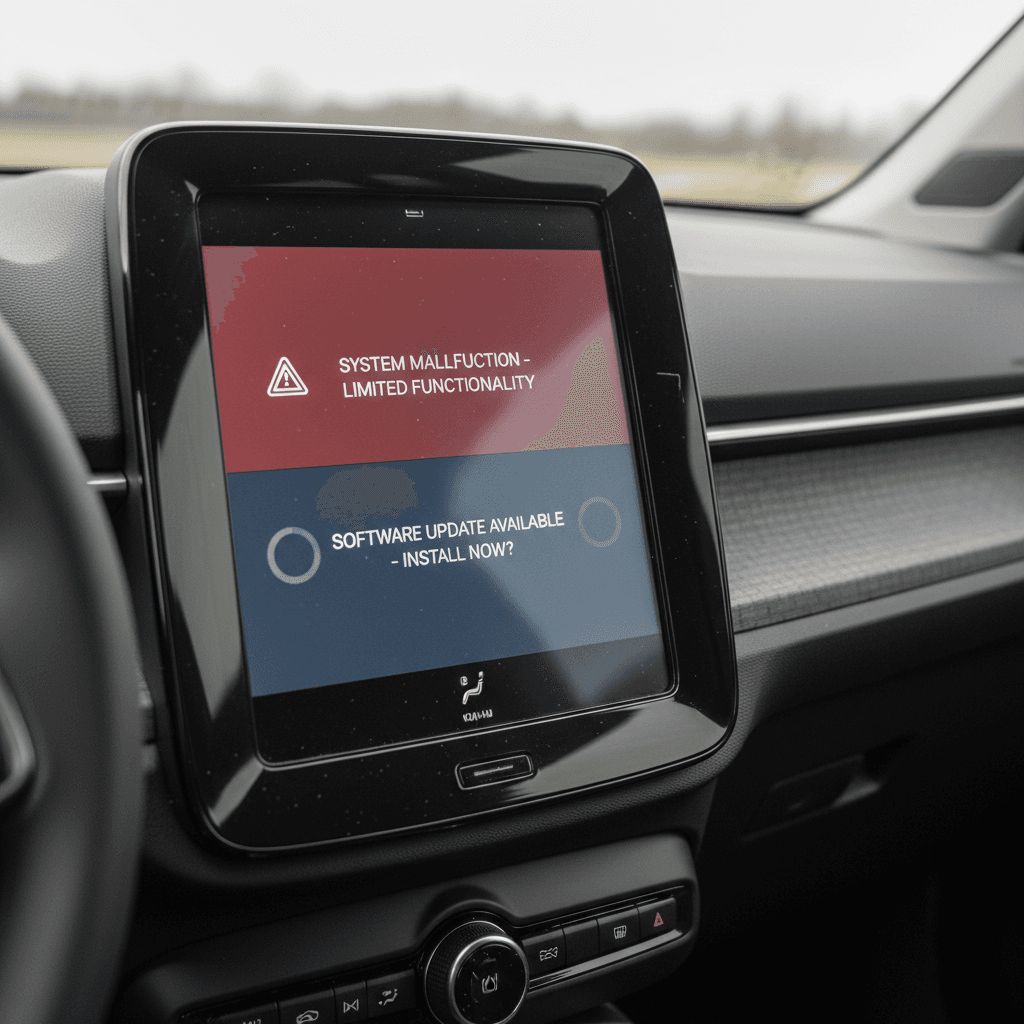
Checklist: What to do if you own or are buying a 2025 EX30
Owner & buyer action plan for the 2025 EX30
1. Run a full recall and software check
Start with your VIN on the national recall lookup site, then confirm with a Volvo dealer that <strong>all EX30 campaigns (battery, speedo, seatbelt chime, etc.)</strong> are closed and your software matches the latest release for your region.
2. Ask specifically about the battery recall
If your 2025 EX30 falls into the high‑voltage battery recall group, verify whether the fix was <strong>software‑only</strong> or also involved hardware (module replacement). Keep paperwork in the glovebox, this will matter at resale.
3. Test charging in multiple scenarios
Before you buy, or as an owner sanity check, charge on <strong>Level 2 at home</strong> and at <strong>least one DC fast‑charger brand</strong>. Watch for strange current caps, refusal to start, or early cut‑off. Any repeatable issue is dealer‑visit material.
4. Do a long, rough‑road test drive
Drive over patched pavement and speed bumps with the radio low. Listen for <strong>steering knocks, suspension clunks, and interior buzzes</strong>. A good EX30 feels tight even if it isn’t whisper‑quiet like an S90.
5. Stress‑test the software in one trip
On a single drive, use navigation, voice control, Spotify or another app, and toggle driver‑assist features. If the screen freezes, settings reset, or driver aids behave erratically, log the details and ask for a software or hardware check.
6. Buying used? Demand transparency
From a private seller or non‑Volvo dealer, insist on recent service records and recall proof. On a platform like <strong>Recharged</strong>, review the <strong>Recharged Score Report</strong> for battery health, software status, and any open campaigns before you commit.
Is a 2025 Volvo EX30 a good used buy?
It depends what you’re comparing it to, and how much tolerance you have for software weirdness. Mechanically, the EX30 doesn’t yet show systemic failures in motors, drivetrains, or suspension. The real story is **software maturity and battery recall handling**.
Reasons to consider a 2025 EX30
- Strong performance and efficiency in a compact footprint; the dual‑motor is properly quick.
- Safety‑first brand DNA, with Volvo taking recalls seriously and pushing OTA fixes quickly compared with some rivals.
- By 2025, the car benefits from a year+ of bug‑fix releases and field data versus the 2023 launch cars.
- As a used EV, early depreciation can make it a compelling value compared with new mainstream crossovers.
Reasons to be cautious
- Ongoing software flakiness can be maddening if you want an appliance‑simple car.
- The high‑voltage battery recall is serious. Until you see documentation of the remedy, treat any affected car with caution.
- Build‑quality complaints, clicks, rattles, and inconsistent dealer responses, vary widely by car and market.
- If you live far from a Volvo dealer, multiple visits for software and trim fixes may be a logistical headache.
How Recharged fits in
2025 Volvo EX30 problems: FAQ
Frequently asked questions about 2025 Volvo EX30 problems
The 2025 EX30 is a very modern Volvo in the best and worst senses: quick, efficient, and safety‑obsessed, but also deeply dependent on code that’s still evolving. If you keep up with **recalls, software updates, and charging behavior**, you can enjoy the good parts, tiny footprint, big performance, low running costs, without inheriting someone else’s headaches. And if you’d rather not do that detective work alone, a used‑EV specialist like Recharged can help you find an EX30 whose biggest problems are already in the rear‑view mirror.