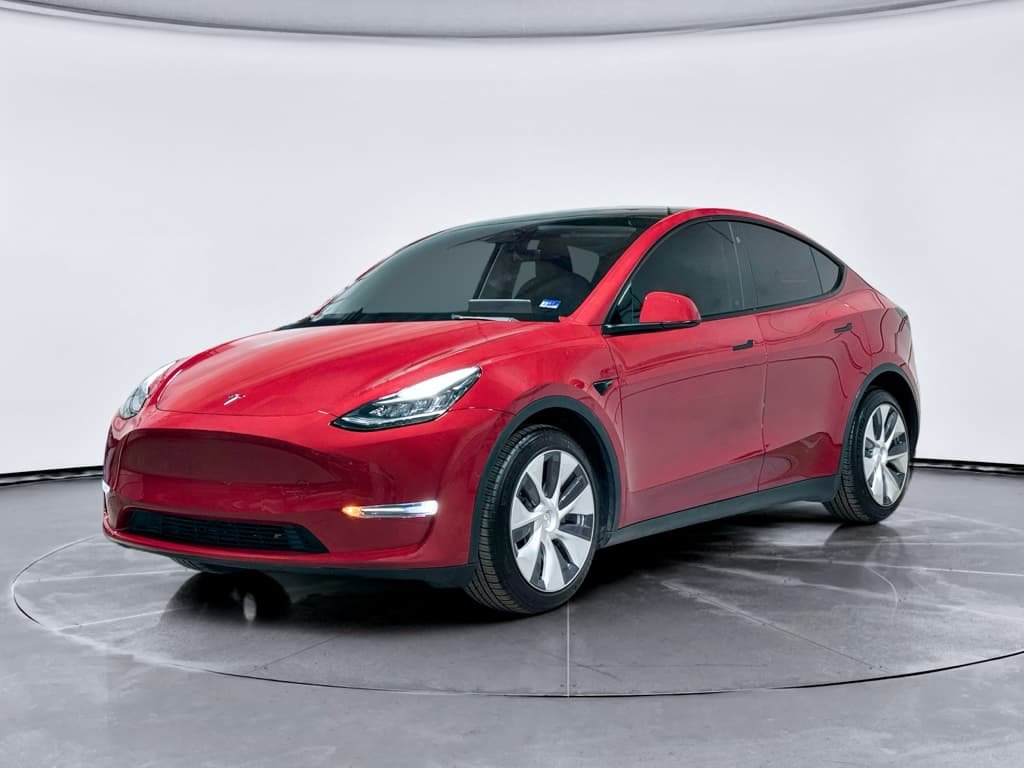
If you own or are shopping for a 2025 Tesla Model Y, you’ve probably heard about recent recalls and software fixes. This 2025 Tesla Model Y recalls list pulls together the major safety campaigns affecting this model year, explains what each one actually does, and shows you how to confirm every fix before you keep driving or sign for a used Model Y.
Quick snapshot
Overview: 2025 Tesla Model Y recalls at a glance
2025 Model Y recall snapshot (through early 2026)
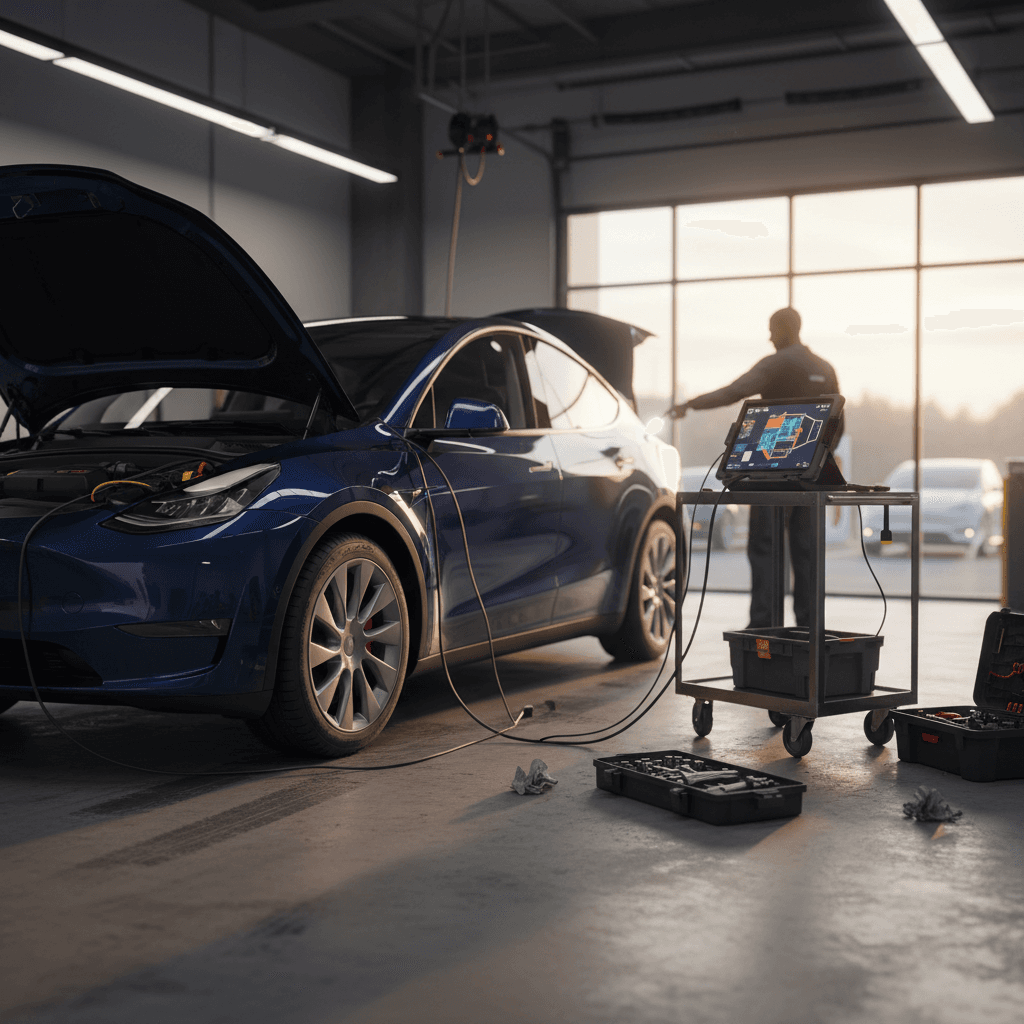
Tesla’s recall pattern is different from most legacy automakers. Many issues on the 2025 Model Y are tied to software behavior in the car’s central computer or battery management system, and the solution is often a free OTA update that installs while the vehicle is parked and connected to a network. Others, especially battery hardware concerns, are handled through traditional service appointments. For owners and used‑EV shoppers, that makes it critical to know which recalls apply to a given VIN and how they were resolved.
Major 2025 Model Y recall campaigns
Below are the key recall campaigns that directly include 2025 Model Y vehicles or significantly affect shopping decisions for this model year. The exact NHTSA recall numbers and build ranges vary, so always verify against your VIN, but this section will help you understand what each recall is about and how serious it is.
Backup camera & computer software recall (rear-view image loss)
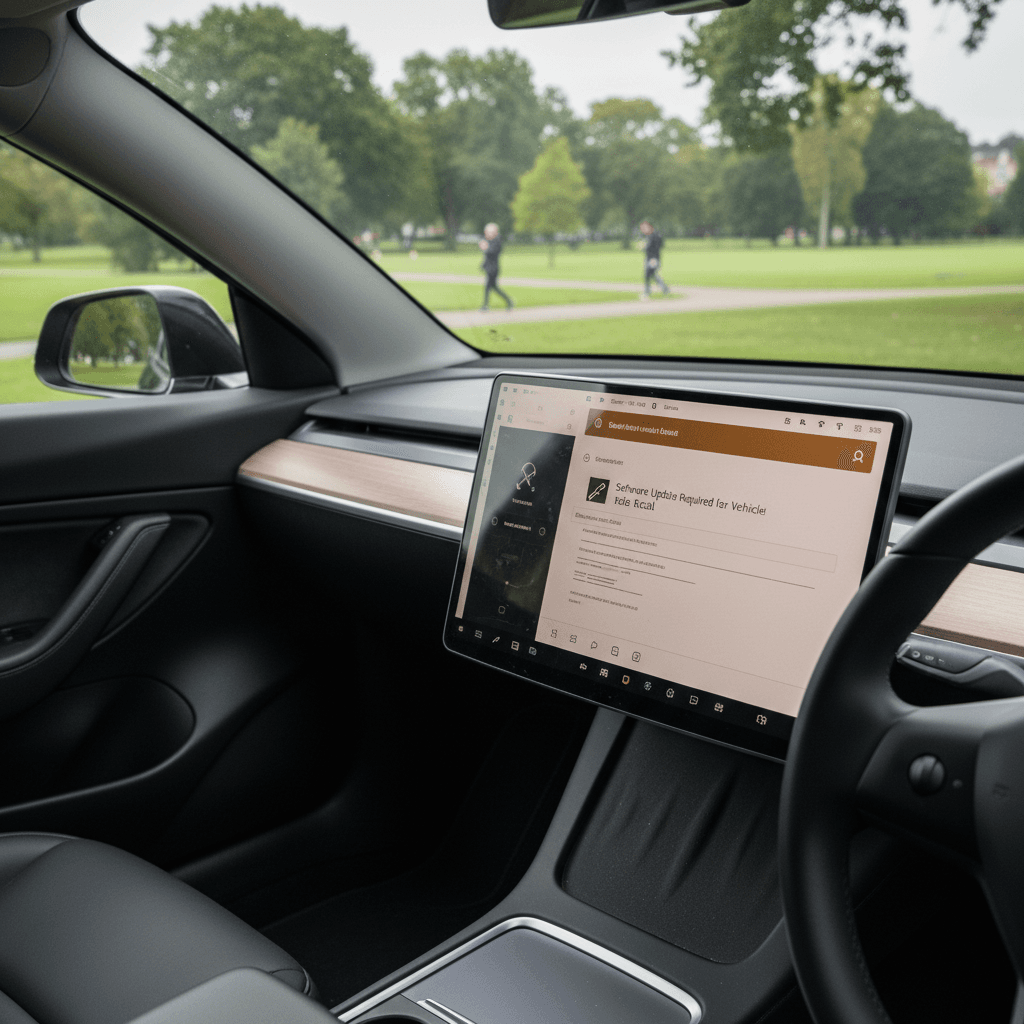
In early 2025, Tesla initiated a recall covering 2023–2025 Model Y and several other Tesla models because the center display could fail to show a rear‑view camera image when the car is shifted into Reverse. That’s a safety issue because U.S. regulations require a functioning backup camera image when backing up.
- Affected vehicles: Includes many 2023–2025 Model Y SUVs (plus certain 2024–2025 Model 3 and Model S, and 2023–2025 Model X) equipped with specific car-computer hardware and software builds.
- Primary symptom: Intermittent or complete loss of the backup camera image, black screen, or flickering when in Reverse.
- Risk level: Elevated collision risk while backing up since the driver may not see obstacles, pedestrians or small children behind the vehicle.
- Remedy: Tesla deploys an OTA software update to adjust how the computer handles the camera feed and prevent the image from disappearing. No hardware swap is normally required.
Why this matters for used buyers
Battery pack contactor / power loss recall
A smaller but more serious recall hit 2025 Model Y in late 2025 for a battery-pack contactor issue. According to Tesla’s filings and subsequent coverage, roughly 7,900–8,000 2025 Model Y units built within specific date ranges use high‑voltage battery components that can fail unexpectedly. If that happens, the car can lose propulsion while driving.
Battery pack power-loss recall: key details for 2025 Model Y
Approximate scope and impact of the 2025 battery‑contactor/power‑loss recall as it relates to the Model Y.
| Item | Detail |
|---|---|
| Issue | Battery pack contactor or related internal component can fail, cutting off high‑voltage power to the drive unit |
| Symptoms | Warnings about reduced power, sudden loss of drive power, or the car becoming immobile after a fault |
| Approx. affected vehicles | Around 7,900–8,000 2025 Model Y units included in the U.S. recall population |
| Safety risk | Loss of propulsion while driving increases crash risk, especially at highway speeds or when merging |
| Remedy | Tesla inspects affected vehicles and replaces battery-pack components as needed; this is not an OTA-only fix |
| Cost to owner | $0, recall work must be performed free of charge at Tesla’s expense |
Exact build dates and counts depend on your VIN, always confirm with Tesla or NHTSA.
Don’t ignore power-loss warnings
Steering assist & older software-based recalls that still matter in 2025
Some high‑profile Tesla recalls announced in 2023 and 2024, such as campaigns related to steering assist, Autopilot behavior, or older steering‑system software, primarily affect 2020–2023 Model Y builds, but they can still touch early‑production 2024 or 2025 VINs depending on hardware and software combinations.
- Steering assist software: A large 2025 recall covered about 376,000 older Model 3 and Model Y vehicles for potential steering‑assist loss tied to software. Some late‑2023 and early‑2024 builds were involved; always check a 2025 VIN to be sure.
- Advanced driver-assistance behavior: Several OTA‑only recalls have tuned how Autopilot and related driver‑assistance features handle certain road scenarios. Even if your 2025 Model Y was built after those campaigns started, software rollouts mean your VIN could be part of ongoing compliance updates.
- Hood-latch detection: By mid‑2025, Tesla recalled many earlier Model 3/Y vehicles for hood‑latch detection logic while in motion. Later‑build 2025 Model Ys are designed with updated software, but edge‑case VINs can still fall into these campaigns.
Think in terms of VIN, not just model year
How Tesla handles recalls: OTA vs. service center
Over-the-air (OTA) software recalls
Many 2025 Model Y recalls, including the backup-camera/computer campaign, are resolved via free OTA software updates. When a recall hits:
- Your car typically displays a notification on the center touchscreen and in the Tesla app.
- You download and schedule the software update while parked, often overnight.
- The update installs without a trip to the service center.
This approach lets Tesla remediate large populations of vehicles quickly, but it also means you must stay current on updates and not postpone them indefinitely.
Physical service recalls
Hardware‑driven recalls, like the battery pack contactor / power‑loss issue, usually require an in‑person visit:
- Tesla confirms your VIN’s eligibility and schedules service.
- Technicians inspect and, if necessary, replace the affected components.
- You may receive a loaner, rideshare credit, or mobile service support depending on availability.
Because battery or steering‑related work has direct safety implications, these recalls should be prioritized over cosmetic repairs or minor nuisances.
Good news for Model Y owners
How to check your 2025 Model Y for open recalls
You don’t need to guess whether a 2025 Tesla Model Y has outstanding recalls. With the VIN and a few minutes, you can see everything the federal government and Tesla have on the record for that specific vehicle.
Step-by-step: confirm recall status on a 2025 Model Y
1. Locate the full 17-character VIN
You’ll find the VIN on the lower driver‑side windshield, on the driver’s door jamb label, and inside the Tesla app or vehicle settings. Double‑check for typos, one wrong character can pull the wrong vehicle record.
2. Run the VIN on NHTSA’s recall lookup
Visit the official NHTSA recall lookup site and enter the VIN. The system will show all <strong>open safety recalls</strong> that have not yet been marked as completed. If you see the backup-camera or battery‑contactor campaigns, those repairs still need to be done.
3. Check Tesla’s recall support page
Tesla maintains a <strong>recall and service information page</strong> where you can search by model and year and read campaign descriptions in plain language. Some software‑only campaigns may not appear as prominently on third‑party lists but are documented here.
4. Review notifications in the Tesla app
Sign into the Tesla app associated with the vehicle. Look for service alerts, software update prompts, or recall‑specific messages. If you’re considering a used purchase, ask the seller to show you the app and recent service history.
5. Confirm completion dates in service records
For vehicles that have already had recall work done, Tesla service invoices and digital records will list the campaign and completion date. This is especially important for the battery‑power‑loss recall and any hardware‑oriented campaigns.
6. Schedule service promptly if anything is open
If any recall remains open, use the app to book service, mobile or in‑shop, before you rely on the vehicle for long trips. For OTA‑only campaigns, make sure the software version shown on the car matches the recall’s required target build or higher.
Set a reminder after every major software update
Used 2025 Model Y: what shoppers should look for
If you’re in the market for a used 2025 Tesla Model Y, recall status becomes part of your due diligence, right alongside battery health, cosmetic condition and price. The model’s recall record isn’t a reason to walk away by itself, but unresolved campaigns or vague documentation should influence what you’re willing to pay and who you buy from.
Key recall-related checks for used 2025 Model Y shoppers
Fold these into your broader inspection and pricing conversation.
Backup camera behavior
On the test drive, shift into Reverse several times and watch for:
- A prompt, clear rear‑view image.
- No flickering, freezing, or black screens.
- Normal brightness and guidelines.
If anything looks off, ask for proof that the camera/computer recall has been fully applied and whether any additional hardware repairs were done.
Battery and power history
Ask the seller for:
- Any service records mentioning high‑voltage battery faults.
- Documentation of the battery‑contactor/power‑loss recall if their VIN was included.
- Details on past warning messages.
Sudden power loss complaints without clear repairs should factor into your offer, or send you to a different vehicle.
VIN-based recall report
Before you negotiate:
- Run the VIN on NHTSA and Tesla’s recall page.
- Confirm all open campaigns are either completed or scheduled.
- Compare completion dates to the vehicle’s build and ownership timeline.
That extra 10 minutes can save you from surprises after purchase.
Recalls and resale value
How Recharged handles recalls and battery health on used Teslas
Because Recharged focuses on used electric vehicles, our team spends a lot of time inside recall data, battery diagnostics and service histories for cars like the 2025 Tesla Model Y. The goal is simple: make sure you’re not inheriting hidden safety work and that you understand exactly what’s already been done to the vehicle.
- Every Tesla we list is checked against NHTSA and manufacturer recall databases by VIN, not just by model year.
- Open recalls must be addressed or clearly disclosed before a vehicle goes live on the marketplace.
- Each car includes a Recharged Score Report, which summarizes verified battery health, charge behavior and key service history so you aren’t guessing about pack condition.
- If we’re helping you sell or trade in a Model Y, we’ll flag outstanding recalls that should be completed to maximize buyer confidence and price.
- Our EV‑specialist team is available to walk you through recall documentation, repair invoices, and what they mean for long‑term ownership.
Turn recalls into leverage, not stress
Ready to find your next EV?
Browse VehiclesFAQ: 2025 Tesla Model Y recalls
Frequently asked questions about 2025 Model Y recalls
Bottom line: Is the 2025 Model Y’s recall history a deal-breaker?
The 2025 Tesla Model Y has its share of recalls, but that doesn’t automatically make it a risky bet. The most serious campaigns, like the battery‑contactor power‑loss recall, are well defined and fixed at Tesla’s expense, while software‑based issues such as the backup camera glitch can be resolved quickly through OTA updates. The real test is whether each individual vehicle has up‑to‑date software, clean recall records, and solid documentation.
If you do that homework, or work with a marketplace that does it for you, the 2025 Model Y still offers strong range, performance and charging access for the money. For owners, staying on top of software updates and recall notices keeps safety risks in check. For used‑EV shoppers, pairing VIN‑based recall checks with independent battery health data, like the Recharged Score Report, is how you turn a complex recall story into an informed, confident buying decision.