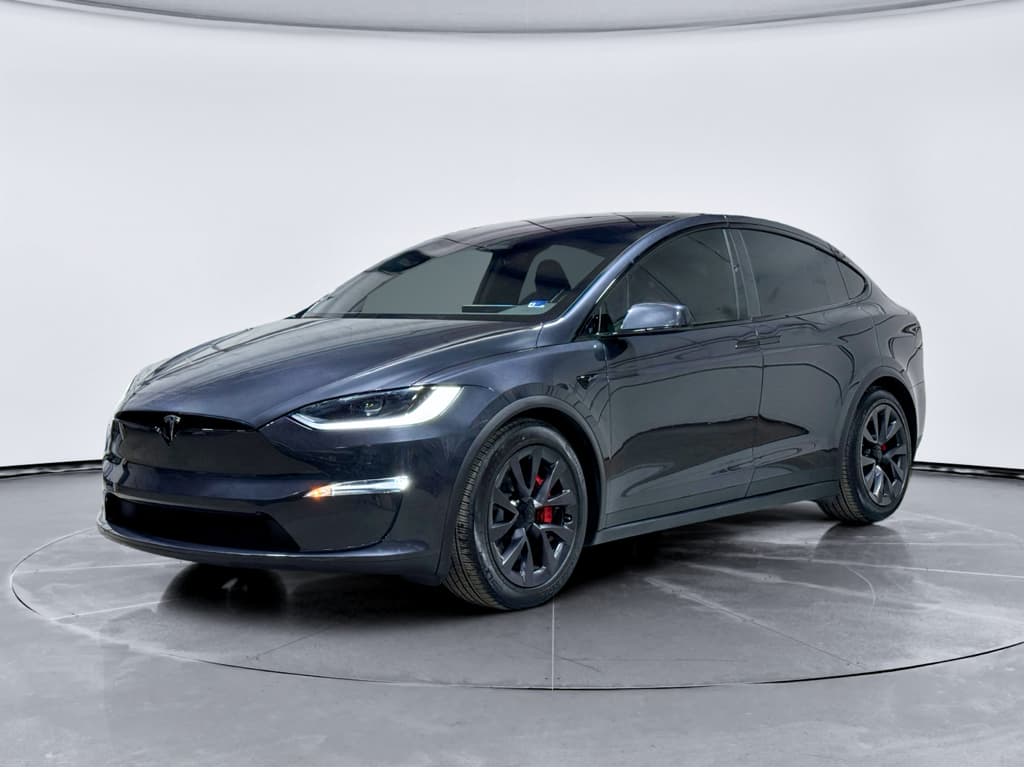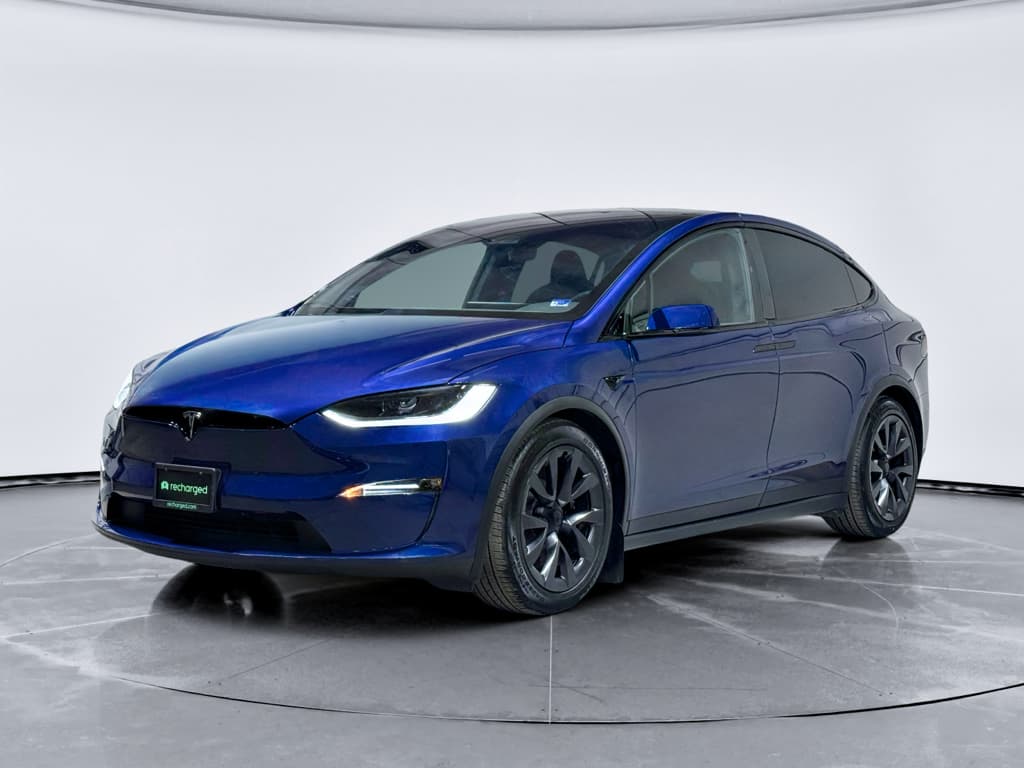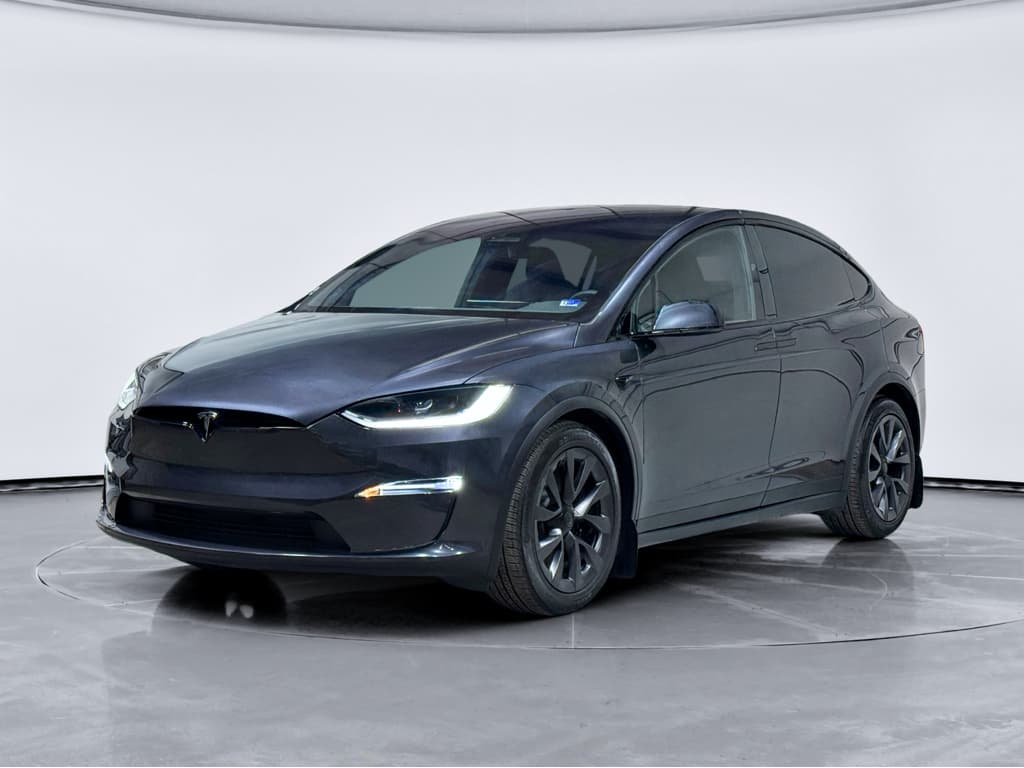
If you’re eyeing a used 2025 Tesla Model X, you’re shopping at a strange moment in Tesla history. The company has announced plans to discontinue the Model X in 2026, yet demand for clean, low-mileage examples has ticked up and prices have started to rebound. That makes it more important than ever to understand how the 2025 Model X stacks up as a used buy: value, range, battery health, tech, and the real-world ownership experience.
A quick note on “2025” Model X
Overview: 2025 Tesla Model X as a Used Buy
Why shoppers still want a Model X
- Three-row seating with a genuinely usable third row compared with most EVs.
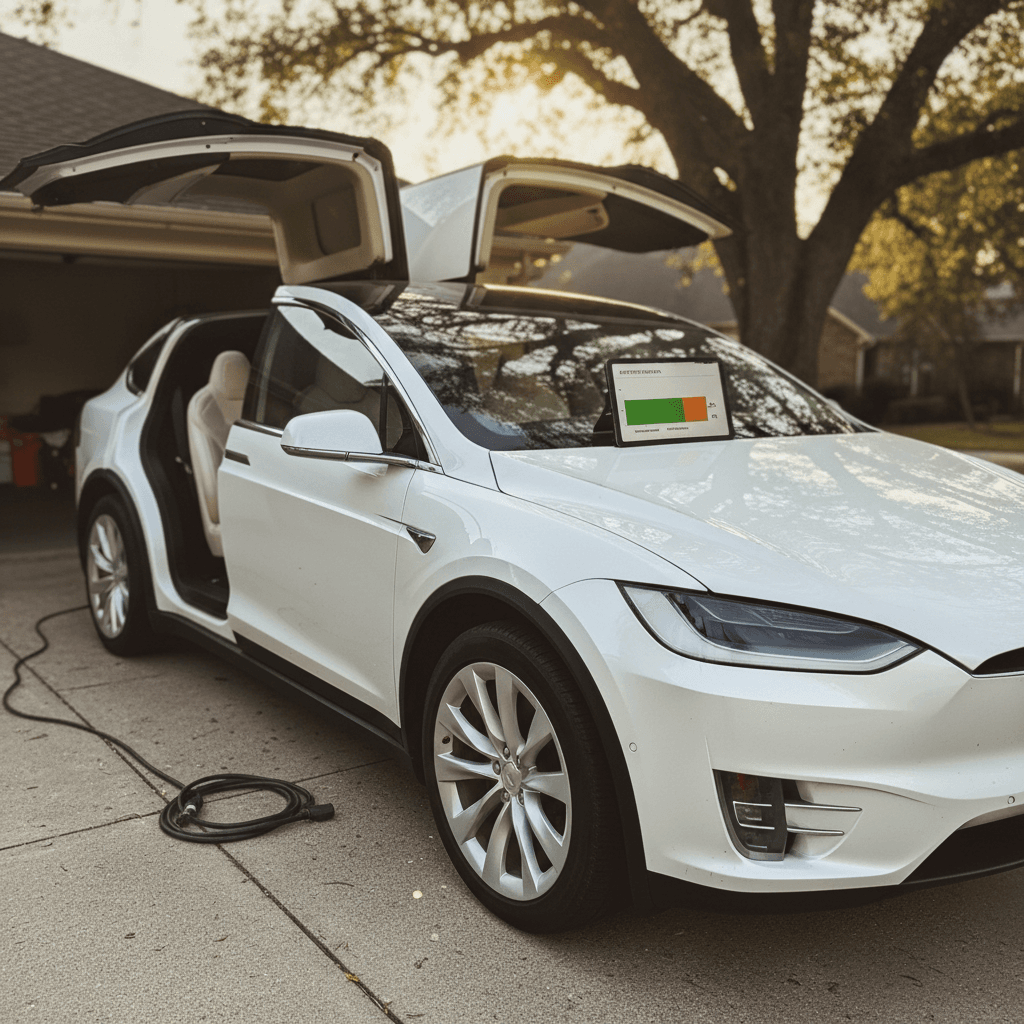
- Falcon‑Wing doors that make kid loading easy in tight parking spots (and still turn heads).
- Strong performance even in Dual Motor trims; Plaid is one of the fastest SUVs ever sold.
- Access to Tesla’s Supercharger network, now increasingly open to non-Teslas but still deeply integrated for Tesla owners.
- Over‑the‑air software updates and a mature infotainment ecosystem.
Main reasons to be cautious
- Heavy depreciation historically – great as a buyer, painful if you’re not careful about what you pay.
- Complex doors and hardware (Falcon‑Wings, auto‑presenting front doors) that can be expensive out of warranty.
- Large 6–7 seat SUV with wide stance – not ideal for tight city parking.
- Service access and appointment lead times can frustrate owners in some markets.
- Tesla has announced it will end S/X production, so future factory support may narrow over time, even if parts availability remains.
2025 Tesla Model X Used: Headline Numbers
Key Specs & Trim Overview for 2025 Model X
By 2025, the Model X lineup in the U.S. is fairly straightforward. Tesla focuses on a dual‑motor long‑range configuration and the high‑performance Plaid. Exact specs shift slightly with over‑the‑air tuning and wheel packages, but the fundamentals are consistent across late‑run Xs.
2025 Tesla Model X Key Specs (Typical U.S. Configurations)
Approximate specs for common 2025 Model X variants. Always verify the exact build in the vehicle’s listing or window sticker.
| Trim | Motors / Drive | 0–60 mph (approx.) | EPA Range (approx.) | Seating | Notable Traits |
|---|---|---|---|---|---|
| Dual Motor (Long Range) | 2 motors / AWD | 3.7–4.0 sec | ~330–340 mi | 5, 6 or 7 | Best mix of range and performance; most common used configuration. |
| Plaid | 3 motors / AWD | ≈2.5 sec | ~300–310 mi | 6 or 7 | Supercar‑quick SUV with higher tire and brake costs; rarer, pricier used. |
Specs shown are typical for 2024–2025 Model X and may vary slightly by wheel choice and software tuning.
How to confirm exact range & motor setup
Used Pricing & Depreciation in 2025–2026
The Model X has been one of the hardest‑hit EVs for depreciation. Industry studies of transaction data through early 2025 show five‑year depreciation clustered around the low‑60% range. That’s ugly for original owners, but it’s exactly why the 2025 Model X has become interesting on the used market, especially now that Tesla has confirmed plans to end S/X production, which has triggered a modest price rebound.
What Are Used 2025 Model Xs Actually Selling For?
Ballpark numbers for early 2026 in the U.S. retail market (not offers from wholesalers).
Dual Motor, low miles
Typical asking: upper-$60,000s to mid-$70,000s for clean, sub‑20k‑mile examples with decent options.
Higher prices for 6‑seat interiors, 22" wheels, or rare color combos.
Plaid models
Typical asking: mid‑$80,000s to low‑$90,000s depending on miles and spec.
Plaids have fallen from six‑figure MSRPs but still command a hefty premium over Dual Motor Xs.
Why values are noisy
Tesla’s rapid new‑car price changes, the 2026 discontinuation news, and local demand swings all make used X pricing far from uniform. Two similar‑looking SUVs can legitimately be $10,000 apart.
Don’t rely only on a single price guide
Because depreciation has already done so much damage in the first few years, a lightly used 2025 Model X can actually be a better value than a new one, provided you buy at the right number and get a clean battery‑health report. Where buyers get burned is overpaying for cosmetic upgrades or Plaid performance they don’t truly need, or ignoring how future depreciation will look if Tesla releases a large “CyberSUV” successor in a few years.
Battery Health, Range & Charging Reality
For any used Tesla, battery health is the main story. The good news: 2025 Model X packs are modern 100‑ish‑kWh designs with decent thermal management and an 8‑year/150,000‑mile battery and drive unit warranty with 70% minimum capacity. Early‑life degradation on 2024–2025 packs has generally been manageable based on owner reports, but usage pattern matters.
- Expect a modest initial drop in displayed range in the first 10,000–20,000 miles, then a flatter curve over time.
- Heavy DC fast‑charging (Supercharging) and frequent 100% charges can accelerate degradation compared with mostly home Level 2 use.
- Cold climates temporarily reduce winter range significantly, even when the battery itself is in good health.
- Bigger 22" wheels and aggressive driving reduce real‑world range well below the EPA label.
What’s “normal” for a 2025 pack?
Charging speeds
- DC fast charging on V3 Superchargers can peak around 200–250 kW when the pack is warm and near empty.
- On a realistic road trip, think in terms of 20–30 minutes to go from low state of charge back into a comfortable buffer.
- Home Level 2 charging at 40–48 amps will typically add 25–35 miles of range per hour, enough to refill overnight for most families.
What to verify on a used X
- Confirm Supercharging behavior on a test drive if possible, very slow rates can indicate a cold pack, a software limit, or abuse history.
- Look for any warnings about charging or voltage on the center screen or in the service logs.
- Ask for a third‑party battery‑health report like the Recharged Score to see actual pack capacity, not just guessing from the guess‑o‑meter.
How Recharged helps with battery uncertainty
Ready to find your next EV?
Browse VehiclesReliability, Known Issues & Ownership Costs
The 2025 Model X benefits from years of iterative improvement, but it’s still a complex, heavy luxury SUV packed with motors, actuators and electronics. As a used purchase, you’re balancing lower fuel and maintenance costs against higher potential repair bills for body and electronic work, especially once you’re out of the basic 4‑year/50,000‑mile warranty window.
Common Trouble Spots to Ask About
No used vehicle is perfect. Here’s where Model X shoppers should focus.
Falcon‑Wing doors
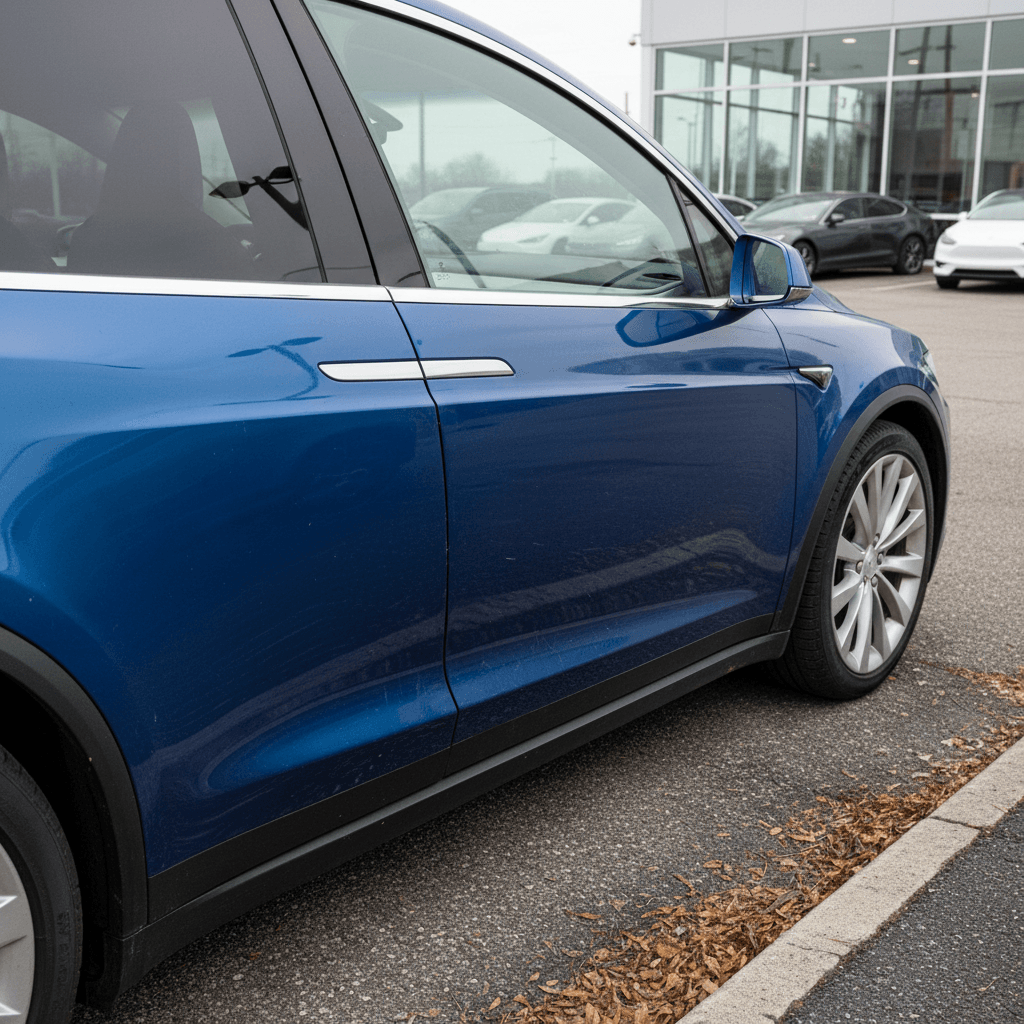
Earlier Model X years were notorious for misaligned or finicky Falcon‑Wing doors. By 2024–2025, things are better, but you still want to cycle them multiple times during an inspection and look for uneven gaps or rubbing.
Wind noise & seals
Large frameless doors and a huge glass area mean more potential for wind noise and water leaks. Listen on the highway and inspect door and hatch seals for damage.
Suspension & tire wear
The X is heavy and quick. Expect faster wear on air‑suspension components and 20"/22" tires, especially on Plaid models driven hard.
Operating cost advantages
- No oil changes, spark plugs or traditional transmission service.
- Regenerative braking extends pad and rotor life in typical mixed driving.
- Electricity is often cheaper per mile than premium gasoline, especially with home charging off‑peak.
Where costs can spike
- Out‑of‑warranty repairs to Falcon‑Wing doors, glass roof, or electronics can run four figures.
- High‑performance tires and Plaid‑grade brakes are not cheap consumables.
- Insurance for a large, powerful luxury EV can be significantly higher than for a compact crossover.
Don’t skip a pre‑purchase inspection
Tech, Software & Safety: What Still Stands Out
Even as newer EVs crowd the market, the 2025 Model X still feels current from a technology standpoint. The interior is dominated by a huge center touchscreen, a dedicated driver display, and a mature software stack that handles navigation, entertainment, and vehicle settings with relatively few missteps. Over‑the‑air updates remain a major selling point, especially for owners who keep the vehicle through most of its battery warranty window.
Standout Tech & Safety Features on the 2025 Model X
Most of these are standard or very common on used 2025 builds, verify on the specific VIN.
Advanced driver assistance
Autopilot is standard; many 2025 Xs were ordered with Enhanced Autopilot or Full Self‑Driving (FSD) capability. These features are software‑tied to the car, so verify which package is active.
Strong safety record
Previous Model X iterations earned excellent crash scores, and the 2025 X continues the trend with a low center of gravity, EV‑specific crash structures, and a robust airbag suite.
Cabin & infotainment
Premium audio, huge glass area, and streaming apps (music, video when parked) make the X an easy road‑trip partner for families.
Autopilot hardware matters
Inspection Checklist for a Used 2025 Model X
Whether you’re buying from a Tesla store, a traditional dealer, or online via a marketplace like Recharged, you should approach a used 2025 Model X with a structured checklist. The vehicle’s complexity makes it easy to be dazzled by the screen and doors and miss expensive problems.
Step‑By‑Step Inspection Checklist
1. Verify build, warranty, and options
Match the VIN to Tesla’s records, confirm model year and in‑service date, and check remaining <strong>basic and battery/drive unit warranty</strong>. Confirm seating configuration, wheel size, Autopilot/FSD package, and tow rating if that matters to you.
2. Run a battery‑health assessment
Don’t rely solely on the projected range number. Use a diagnostic‑grade battery report such as the <strong>Recharged Score</strong> or have a specialist pull pack data to estimate remaining capacity and DC fast‑charge history.
3. Inspect body, glass, and doors
Look closely at paint, panel gaps, windshield, and roof glass. Cycle <strong>Falcon‑Wing and front doors</strong> repeatedly in a tight parking space and on a slight incline. Listen for creaks, binding, or grinding.
4. Evaluate tires, brakes, and suspension
Check for <strong>uneven tire wear</strong> (a sign of alignment issues or hard driving), worn pads/rotors, and clunks over bumps. Air‑suspension should adjust quickly between heights without strange noises.
5. Test all interior functions
Confirm seat adjustments (especially third row), climate zones, audio, steering wheel functions, and rear HVAC. Large panoramic glass means the HVAC system works hard; weak cooling can get expensive.
6. Drive it like you’ll use it
On the test drive, include highway speeds and rough pavement. Judge wind noise, rattles, steering feel, and Autopilot behavior. Try a quick acceleration burst to ensure smooth power delivery with no warning lights.
Use digital paperwork to your advantage
Who a Used 2025 Model X Is (and Isn’t) For
Great fit for
- Families who actually use three rows and want EV range plus road‑trip capability.
- Drivers who value performance and tech as much as practicality.
- Shoppers who can charge at home and want to leverage the Supercharger network for long drives.
- Buyers comfortable keeping a vehicle through most of the 8‑year battery warranty to fully amortize depreciation.
Better to look elsewhere if
- You mostly do short urban trips and don’t need three rows, consider a smaller, cheaper EV crossover.
- You’re sensitive to wind noise or squeaks; a simpler, more traditional SUV may be calmer.
- Your budget can’t support a four‑figure surprise repair; a smaller EV with simpler hardware will be less risky.
- You plan to flip the vehicle within a year or two; the X’s depreciation curve is still evolving.
Where Recharged fits in
FAQ: 2025 Tesla Model X Used
Frequently Asked Questions
Bottom Line: Is a Used 2025 Model X Worth It?
If you want a three‑row electric SUV with real range, access to the Supercharger network, and performance that can embarrass sports sedans, a well‑bought used 2025 Tesla Model X still makes sense in 2026. You’re stepping into a vehicle near the end of its production run, but that’s also when used‑market value often peaks for savvy shoppers: most bugs ironed out, most depreciation already taken.
The key is discipline. Don’t overpay for cosmetics, don’t ignore door and suspension issues, and absolutely don’t skip a battery‑health check. If the numbers line up and the diagnostics look clean, a 2025 Model X can deliver years of family hauling, road‑trip range and cutting‑edge tech without the brutal sticker shock of a new one.
If you’d like help finding the right example, Recharged can walk you through pricing, financing, trade‑in options, and a Recharged Score battery report on every vehicle we sell, so you can enjoy the Falcon‑Wing doors without losing sleep over what’s happening inside the battery pack.