If you’re shopping for a **2025 Porsche Taycan**, or already own one, you’ve probably heard about multiple recalls affecting the electric sedan over the last few years. The model is fast, sophisticated, and complex, and regulators have pushed Porsche to clean up issues ranging from brake hoses to backup cameras and battery monitoring. This guide walks through the 2025 Porsche Taycan recalls list in plain English, and explains what each campaign means for current owners and used‑EV shoppers.
Key takeaway
Overview: 2025 Porsche Taycan recalls at a glance
By 2025, the Taycan had already been through several major recalls on earlier model years, and some of those campaigns extend into the **2025 model year**. On top of that, Porsche filed new 2025–dated campaigns, including one focused on a rearview camera timing issue and others that sweep 2020–2025 cars into broader safety fixes.
How widespread are Taycan recalls?
For the **2025 Porsche Taycan specifically**, three buckets matter most: - A **front brake hose recall** that includes 2025 cars and addresses a potential fluid leak and reduced braking performance. - A **backup camera recall** covering 2020–2025 Taycans, where the rearview image may fail to appear or can be delayed when you shift into reverse. - A series of **high‑voltage battery monitoring and short‑circuit recalls** launched for 2020–2024 Taycans; while 2025 cars are not the core target, the software and diagnostic strategy still affects how the brand monitors newer vehicles.
2025 Porsche Taycan recalls list (quick reference)
Major 2025 Porsche Taycan recalls at a glance
This table focuses on recalls that clearly involve 2025 model‑year Taycans sold in the U.S. Exact eligibility still depends on your car’s build date and VIN.
| NHTSA campaign | Issue | Likely affected 2025 Taycans | Primary symptom/risk | Remedy type |
|---|---|---|---|---|
| 23V841000 / 24V215 etc. (front brake hose) | Front brake hoses may crack and leak brake fluid over time | Most 2025 Taycans built on the existing J1 platform, including sedan and Cross Turismo variants | Reduced braking performance, longer stopping distance, warning lights | Dealer replaces front brake hoses with updated parts |
| 25V896 (backup camera) | Rearview camera image may fail to display or may be delayed when shifting into Reverse | 2025 Taycans built from late 2019 through August 2025 production window | No or delayed backup camera image, non‑compliance with rear visibility rules | Dealer installs updated software to improve signal robustness |
| Regional / global battery short‑circuit campaigns (ARB6/ARB7) | Certain 2020–2024 Taycans risk high‑voltage battery short‑circuit | Primarily earlier model years; software monitoring strategy informs all Taycans including 2025 | Battery overheating or fire risk in a small share of packs | Software diagnostics, battery module replacement in affected vehicles |
| 25V415 (small 2025 population) | Administrative / info‑label technicality on certain 2025 Taycans | Limited run of 2025 units produced March–April 2025 | Labeling or documentation non‑compliance, not a drivability issue | Dealer corrects documentation/label or updates records |
Always confirm recall coverage using your VIN on the NHTSA website or with a Porsche dealer.
VIN matters more than model year
Front brake hose recall: what went wrong and how it’s fixed
One of the highest‑profile campaigns touching 2025 Taycans involves the **front brake hoses**. Regulators and Porsche determined that the flexible hoses running to the front calipers could develop **cracks and fluid leaks** over time. If enough fluid escapes, braking performance can drop, warning lights may appear, and in a worst‑case scenario stopping distances increase.
- Campaign scope: roughly 31,000+ Taycans in the U.S., spanning 2020–2025 model years.
- Root cause: design and routing of the original front brake hoses can expose them to repeated flexing and stress, leading to fatigue and potential cracks.
- Primary risk: reduced brake performance, longer stopping distances, and possible warning messages in the cluster.
Why this matters on an EV
The official fix is straightforward from the owner’s standpoint: **Porsche dealers replace the front brake hoses** with revised parts designed to resist cracking. There’s no charge for the work, though you’ll have to schedule time at a dealership and may be without the car for part of a day.
What you should do about the brake hose recall
1. Check your VIN for the brake‑hose campaign
Use the NHTSA recall lookup or Porsche’s website to see whether your 2025 Taycan is covered. If you’re shopping used, ask the seller for a VIN report and proof of completion.
2. Look for braking warnings or a soft pedal
If your Taycan shows brake warnings, or the pedal feels softer or spongier than usual, park the car and call for service rather than driving it hard or on highways.
3. Schedule recall service promptly
Even if the car feels fine, get the recall done. Dealers perform this work free of charge, and completing it protects you and future owners.
4. Keep the paperwork
After the repair, hang on to the service invoice or recall completion letter. It helps document that your Taycan is up to date, especially useful if you plan to sell or trade it later.
Backup camera recall: rearview image may fail to display
The other big 2025‑era campaign that clearly pulls in Taycans is a **backup camera recall** published near the end of 2025. Porsche found that, under certain conditions, the rearview image may not display, or may be **delayed**, when the car is shifted into reverse. The company points to **signal noise and software behavior** as likely culprits rather than a bad camera module in every car.
- Campaign coverage: 2019–2025 Cayenne and Cayenne E‑Hybrid, 2020–2025 911, 2020–2025 Taycan, 2024–2025 Panamera and 2025 Panamera E‑Hybrid.
- Symptom: when you select Reverse, the center screen may briefly go blank or fail to show the rear camera feed.
- Regulatory angle: U.S. rules require that the rearview image appears quickly and consistently when you back up. Inconsistent performance violates that standard.
What the fix looks like
You won’t be charged for the update, but you also shouldn’t expect a dramatic change in how the interface looks. Think of it as a behind‑the‑scenes patch that makes the camera system more robust. If you’re test‑driving a used Taycan, put the car into Reverse several times in a row and confirm that the backup image **pops up quickly and reliably** on the center screen.
Battery short-circuit recalls: what still matters for 2025 buyers
Battery news around the Taycan has been hard to miss. Starting in 2023 and 2024, Porsche launched a series of **high‑voltage battery short‑circuit recalls** on 2020–2024 Taycans after identifying a small but serious risk of internal short circuits and fire. Those campaigns, often referenced by internal codes like **ARB6** and **ARB7**, focus on earlier build years, not the redesigned 2025‑model Taycan.
What those recalls do
- Install **diagnostic software** that continuously monitors the high‑voltage battery pack for early signs of trouble.
- Flag specific modules that show abnormal behavior so Porsche can replace them before a thermal event.
- In some regions and for non‑connected cars, limit recommended charge to around 80% until updates are installed.
Why 2025 shoppers should still care
- If you’re buying a **used 2020–2024 Taycan**, you’ll want to confirm that all ARB‑series battery recalls are complete.
- The same diagnostic philosophy carries forward to **2025 cars**, even if they’re not part of the original campaigns.
- Completed battery recalls and clean test results can actually be a **positive sign** for a used Taycan.
Battery health vs. recall status
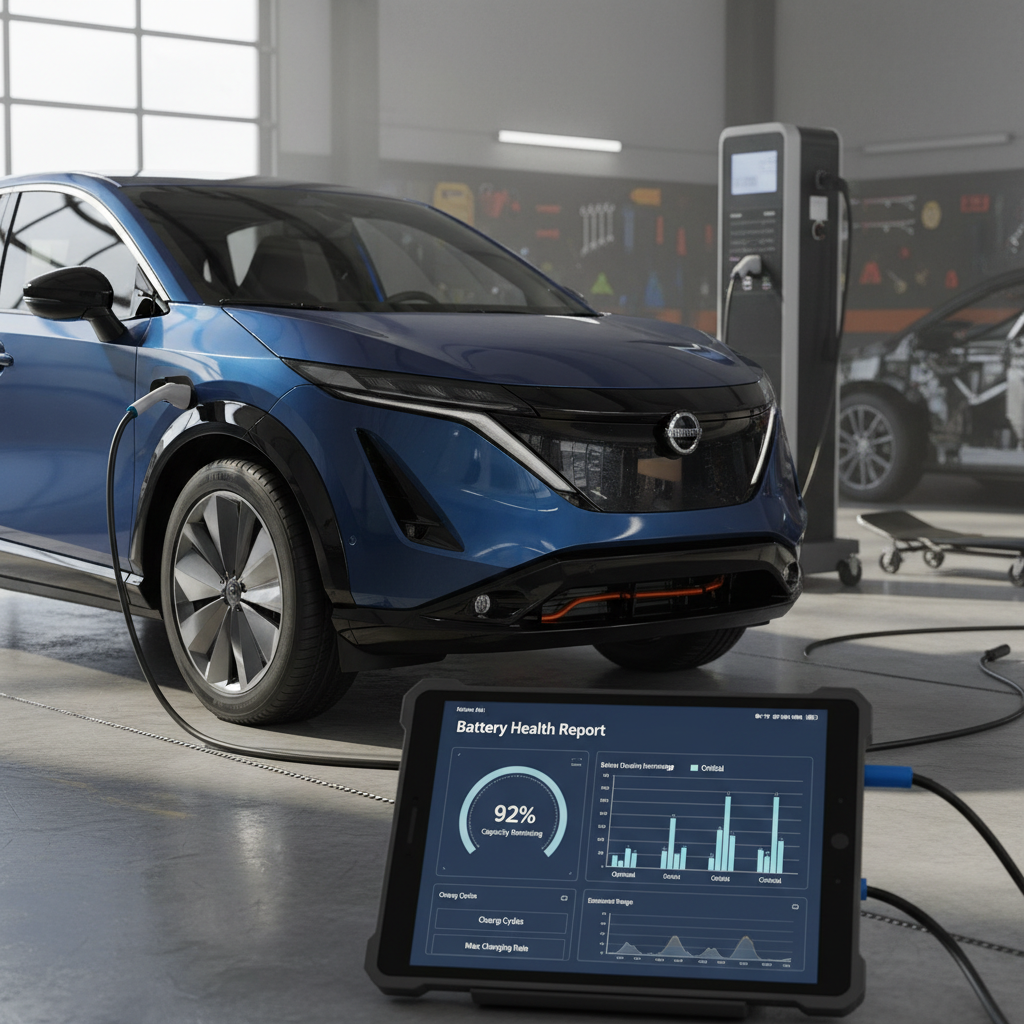
This is where independent testing matters. At Recharged, for example, every Taycan we list comes with a **Recharged Score Report** that includes verified battery health alongside recall status and pricing benchmarks. That kind of data lets you separate a well‑cared‑for car from one that may have lived a harder life, even when both show “no open recalls” on paper.
Smaller 2025 Taycan recalls and technical bulletins
Beyond headline items like brake hoses, backup cameras and high‑voltage batteries, Porsche and regulators publish smaller campaigns and **technical service bulletins (TSBs)** that still show up on a car’s history report. For 2025 Taycans, these can include:
- Labeling or documentation issues on a limited run of 2025 cars, addressed through a small campaign (e.g., recall 25V415 for a subset of Taycans built in March–April 2025).
- Software updates to address infotainment quirks, connectivity problems, or warning messages that appear without a real fault.
- TSBs that direct dealers how to diagnose recurring complaints, such as sporadic warning lights after earlier recall work, without necessarily rising to the level of a full safety recall.
Good news for used‑EV buyers
How to check any 2025 Taycan for open recalls
Whether you already own a Taycan or you’re shopping the used market, you should always verify **recall status by VIN**, not just by model year or trim name. Fortunately, the process is quick and free.
Step‑by‑step: verify Taycan recalls before you buy
1. Locate the 17‑digit VIN
You’ll find the VIN at the base of the windshield on the driver’s side, inside the driver’s door jamb, and on registration or insurance documents. If you’re shopping online, reputable sellers should display it or provide it on request.
2. Run the VIN through NHTSA
Go to the official NHTSA recall lookup tool and enter the VIN. It will show **all open safety recalls** that have not yet been completed, regardless of where the car is being sold in the U.S.
3. Cross‑check with Porsche
You can also plug the VIN into Porsche’s own recall lookup page or call a Porsche dealer. This can surface campaigns that are newly announced or not yet reflected on every third‑party site.
4. Ask for proof of completion
If recalls are listed as "completed," ask for service invoices or a dealer printout verifying the work. On a private sale, that paperwork is often your only confirmation that the fix was really done.
5. Re‑check right before delivery
Manufacturers can add new recalls at any time. Run the VIN again just before you sign paperwork to make sure nothing new has appeared since you started shopping.
Buying through a curated marketplace
What these recalls mean if you’re buying a used Taycan
From a used‑car perspective, the 2025 Porsche Taycan recalls list is a **double‑edged story**. On one hand, multiple campaigns can scare off buyers who see the word “recall” as an automatic deal‑breaker. On the other, completed recalls and updated components can make a used Taycan a safer, more thoroughly vetted EV than some competitors that haven’t been through the same scrutiny.
How to read recall history on a used Taycan
Instead of walking away at the first recall line, look at the bigger pattern.
1. Volume of work
Several completed recalls and TSB visits can mean the car has had **regular dealer attention**. That’s often better than a blank history with no documented maintenance.
2. Type of recall
Hardware replacements (like new brake hoses) can be a net positive. Pure software fixes are usually quick and low‑risk for drivability.
3. Timing vs. ownership
Did the seller complete campaigns promptly, or let them sit open for years? Fast response suggests a **more diligent owner**.
Price should reflect history. A Taycan that still needs major recall work, and may be sidelined at a dealer for a few days, should be priced accordingly. Conversely, a car with fresh tires, complete recall documentation, and a recent battery‑health test may justify a premium versus a seemingly similar Taycan down the street.
How Recharged vets Taycans for recalls and battery health
Because Recharged focuses on used EVs, Taycan recall history and battery condition are front‑and‑center in our process, not an afterthought. Every Porsche Taycan that makes it onto our marketplace goes through a **standardized intake checklist** that covers safety, software, and long‑term ownership costs.
Inside a Recharged Taycan inspection
Recall and campaign sweep
We run every Taycan VIN through federal databases and Porsche resources to catch open recalls, service campaigns, and known issues that a basic Carfax‑style report might miss.
Battery‑health diagnostics
Using our **Recharged Score battery diagnostics**, we measure real‑world battery capacity and performance rather than guessing from age and mileage alone. That number goes into every listing.
Software and charging check
Technicians confirm that major updates, including recall‑driven patches, have been applied, and they test AC and DC fast‑charging behavior for any obvious anomalies.
Transparent pricing and guidance
We benchmark each Taycan against market data, factoring in recall history, battery health, and equipment, so you can see whether you’re getting true **fair‑market pricing** before you click "buy."
From recall worry to informed decision
FAQ: 2025 Porsche Taycan recalls
Frequently asked questions about 2025 Taycan recalls
Bottom line: should recalls scare you away from a 2025 Taycan?
The 2025 Porsche Taycan sits at the intersection of high performance and bleeding‑edge EV tech. That combination inevitably draws regulatory attention and, in Porsche’s case, a steady stream of recalls to correct issues as they surface in the real world. The **2025 Porsche Taycan recalls list** can look intimidating on paper, but in practice most fixes are well‑understood and completed at no cost to you.
If you treat recalls as a **maintenance to‑do list** instead of a reason to panic, and if you insist on clear documentation plus independent battery‑health data, the Taycan remains one of the most compelling used EVs on the market. For shoppers who want help separating a good car from a risky one, marketplaces like Recharged are building that diligence into every step, from VIN checks to pricing, so you can focus on enjoying the drive instead of worrying what might be hiding behind a campaign number.