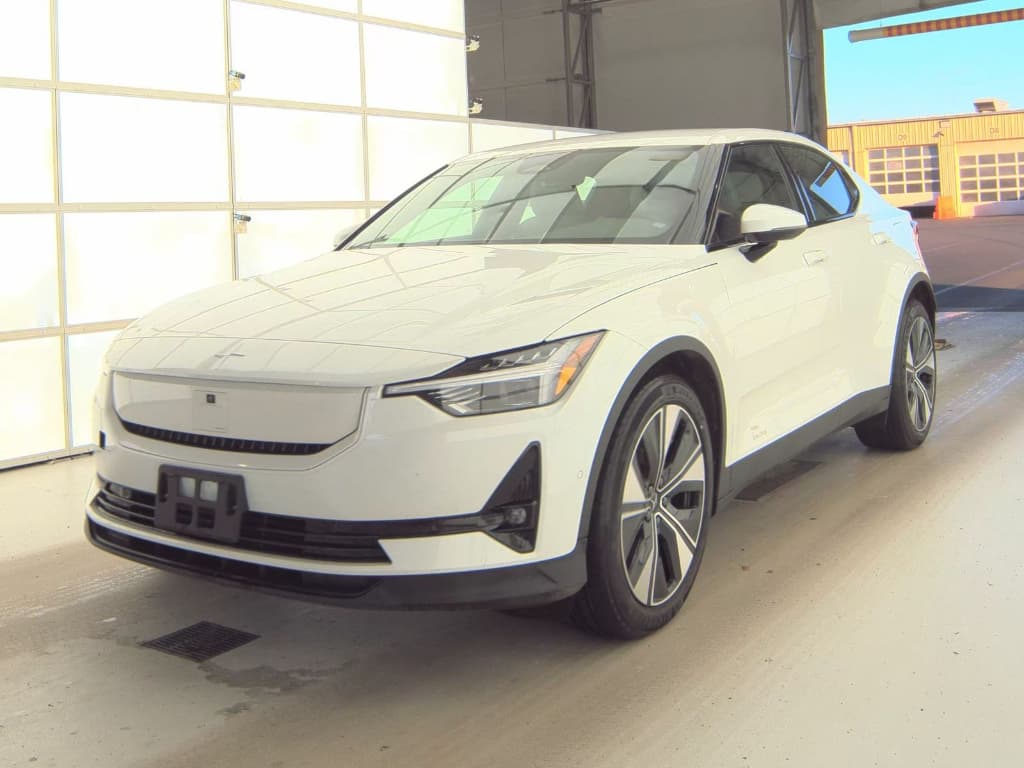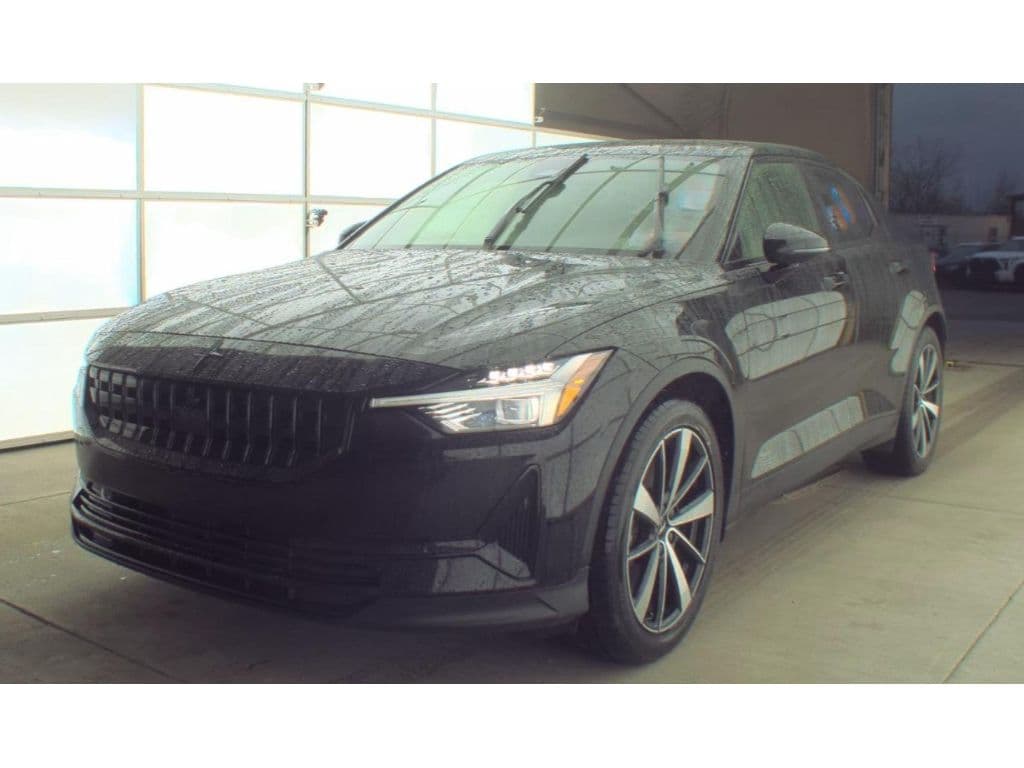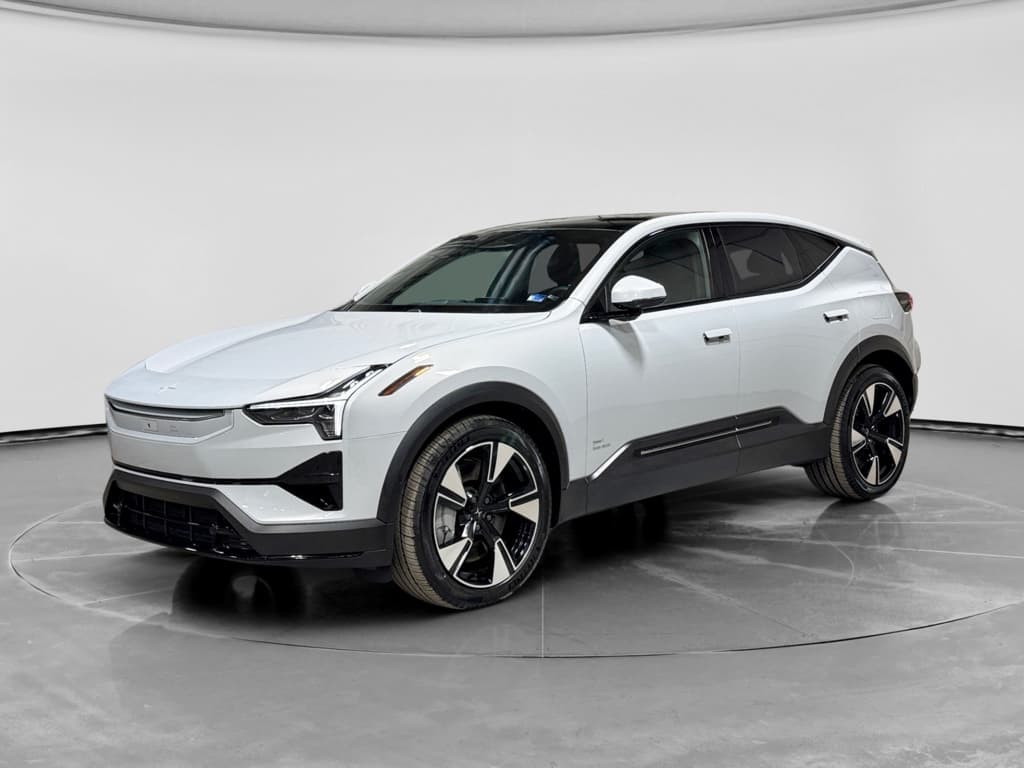
If you’re Googling “2025 Polestar 2 problems”, you’re not shopping for poetry. You want to know: is this handsome Scandinavian EV a smart buy, or a beautiful headache with Swedish accent lighting? The honest answer is somewhere in the middle, especially if you’re looking at a used example and want to understand the real‑world issues before you sign anything.
What this guide covers
Overview: Are 2025 Polestar 2 problems a dealbreaker?
Owner sentiment snapshot for 2025 Polestar 2
The pattern with the Polestar 2 is clear: people who love it really love it, especially the performance and the interior design. People who hate it mostly hate the software, service experience, or persistent noises that never seem to get fixed. Mechanically, it’s not an unmitigated disaster, but it isn’t Toyota‑simple either.
Quick verdict
How the 2025 Polestar 2 differs from earlier years
By 2025, the Polestar 2 is a known quantity. Earlier model years had some teething issues, especially with connectivity and software, that Polestar has been slowly whittling down via over‑the‑air updates and hardware revisions. For 2024–2025, the car received updated motors, range improvements, and incremental updates to its Android Automotive infotainment stack rather than a ground‑up redesign.
What’s better on later cars
- More mature software than launch‑year cars, with many early bugs ironed out.
- Improved range and efficiency thanks to hardware and software updates.
- More complete driver‑assist feature set baked into the platform.
What problems still show up
- Infotainment lag and random resets still crop up in owner reports.
- Continuing complaints about suspension clunks and axle noises.
- Scattered reports of 12V battery, camera, and HVAC issues across 2021–2025 cars.
Model year vs. software version
Known recalls, including the rear camera issue
The highest‑profile 2025 Polestar 2 problem isn’t a mechanical failure; it’s a rearview camera malfunction. On affected 2021–2025 cars built from 2020 through late 2024, the backup camera image can fail to display, showing a “camera temporarily unavailable” message instead. That’s a federal no‑no in the U.S., hence the recall.
Key recall affecting 2025 Polestar 2
Always verify recall status with the VIN through Polestar or NHTSA before you buy.
| Issue | Affected systems | Typical symptom | Fix type |
|---|---|---|---|
| Rearview camera malfunction (2021–2025) | Parking Assist Camera & infotainment unit | “Camera temporarily unavailable” or no image while reversing | Software update to improve communication and add reset logic |
| Other safety/service campaigns | Varies by VIN | Warning messages, specific component faults | Software update or component replacement as specified |
Recall campaigns change over time; this table summarizes the most notable issue reported so far for 2021–2025 Polestar 2 models.
How to check recall status on a 2025 Polestar 2
A camera glitch sounds trivial, but for daily driving, it’s the difference between a modern EV and a very expensive guess. The upside: this particular 2025 Polestar 2 problem is relatively easy to fix, usually via a dealer‑performed software update. The downside: if a car you’re looking at still hasn’t had it done, that’s a red flag about how carefully it’s been maintained.
Infotainment and software glitches
If there’s a Greek chorus following the Polestar 2 around, it’s chanting about infotainment issues. Owners across 2021–2025 model years report a similar constellation of annoyances: laggy menus, random reboots, frozen touchscreens, Bluetooth weirdness, and Apple CarPlay that occasionally decides it has better things to do.
- Infotainment screen freezing or rebooting mid‑drive, occasionally taking navigation and audio with it.
- System slow to wake up on cold starts; several seconds (or more) before maps, climate shortcuts, and apps are responsive.
- Glitchy Bluetooth and CarPlay behavior, dropped calls, repeated call‑loop glitches, or failure to reconnect.
- Trip logs and journey data getting muddled or lost after certain software updates.
- Rear camera and parking assist graphics intermittently failing to display, sometimes tied into the camera recall.
Soft reset trick
To be clear, the entire car doesn’t fall apart when the screen misbehaves; the Polestar 2 will still drive. But given how much is routed through that big center display, climate, navigation, drive‑assist settings, a crashy screen quickly becomes more than a mild irritation. This is the single most day‑to‑day livability complaint on the car.
Suspension noises and axle clunks
One of the more colorful themes in owner reviews of the Polestar 2 is the front suspension and rear axle behavior. Especially on earlier cars, but still reported into the 2024–2025 range, some owners describe front ends that feel “wooden” and “clunky,” as well as rear axles that click or thunk when taking off from a stop.
Commonly reported chassis issues
Not every Polestar 2 has these problems, but they’re worth checking for on a test drive.
Front suspension clunks
Owners describe clunking and creaking over bumps, particularly at low speeds or when turning into driveways. Some report multiple dealer visits with only partial improvement.
Rear axle clicks
A minority of cars develop a click or clunk from the rear axle under light throttle. In some cases, axles have been replaced under warranty, sometimes more than once.
Ride quality complaints
Even when quiet, some drivers find the ride on the firm, crashy side over broken pavement, especially on the bigger wheel/tire packages.
Why this matters on a used 2025 car
The good news is that many owners report zero chassis drama well past 20,000 or even 50,000 miles. The bad news is that once noises start, they can be stubborn. This is where a detailed pre‑purchase inspection, plus a solid warranty, becomes your best friend.
Battery, charging, and 12V issues
Polestar 2 battery packs themselves don’t seem to be dropping like flies; there isn’t a drumbeat of catastrophic high‑voltage failures. But there are three battery‑adjacent problem areas you should know about: charging quirks, occasional range complaints, and 12V battery behavior.
- Some owners report unexpected battery drain or range that doesn’t match the estimate, especially at highway speeds or in cold weather, hardly unique to Polestar, but still worth noting.
- Scattered reports of charging hiccups at particular DC fast chargers, usually resolved with a reboot or switching stalls; more a network issue than a car‑only flaw, but frustrating when it happens.
- A minority of owners have experienced 12V battery depletion after extended accessory use (sitting in the car with infotainment running) or after the car sits parked for long periods. In those cases, roadside assistance and a tow to the service center are sometimes required.
Don’t ignore battery warning messages
If you’re evaluating a used 2025 Polestar 2, pay close attention to how the car behaves during DC fast charging and overnight Level 2 charging. A healthy car should charge predictably without throwing warning messages or cutting sessions short. This is also where buying through a platform that verifies battery health, like the Recharged Score, can tell you whether the pack is aging gracefully or has had a rough life.
Build quality, rattles, and HVAC quirks
On the whole, the Polestar 2 feels solid inside: doors shut with a European thud, materials are tasteful, and nothing screams budget. Over time, though, some owners report the usual mid‑premium EV gremlins: trim rattles, odd HVAC behavior, and the occasional seatbelt or door noise at certain mileages.
- Interior rattles from door cards, seatbelt assemblies, or the hatch area emerging around mid‑mileage, sometimes difficult to fully eliminate.
- Reports of HVAC systems blowing weakly, making ticking or clicking sounds behind the dash, or failing to heat or cool consistently on one side of the cabin.
- Random sensor warnings, parking sensors, traction control, etc., that pop up and then disappear, sometimes tied to broader software issues.
Climate system check
None of this is unique to Polestar; most modern EVs have more actuators, sensors, and climate tricks than a small jet. But when you stack these quirks on top of software and service frustrations, they can tip a borderline owner into the one‑star review column.
How bad is it? Reliability in context
Zoom out and the 2025 Polestar 2 lands in a familiar EV middle ground: not a disaster, not a Lexus. You’ll find plenty of owners with trouble‑free cars and others with a Greatest Hits album of minor but persistent issues. Crucially, many problems are software‑driven or related to components that can be addressed under warranty, if you have one and if your local service network is competent.
Where the Polestar 2 struggles
- Infotainment reliability still lags behind the best in the segment.
- Service experiences can be hit‑or‑miss, depending on your nearest Volvo/Polestar partner.
- Chassis noises can be hard to fully resolve, even after multiple visits.
Where it does well
- Powertrain is generally strong and durable, with few catastrophic failures reported.
- Interior quality holds up respectably in many high‑mileage cars.
- OTA updates allow Polestar to fix some issues without a shop visit.
Bottom line on reliability
Checklist: Buying a used 2025 Polestar 2
Shopping used is where understanding 2025 Polestar 2 problems really pays off. The right car, properly vetted, gives you design and performance at a relative bargain. The wrong car gives you an intimate, ongoing relationship with your service advisor.
Essential checks before you buy a 2025 Polestar 2
1. Run the VIN for recalls and campaigns
Check the VIN on Polestar’s recall page and NHTSA’s site. Confirm the rear camera recall and any other safety campaigns are marked as completed, with paperwork to match.
2. Verify software version and update history
From the center screen, note the software version and date. Ask for records of major updates; a car that hasn’t seen an update in years is a red flag.
3. Stress‑test the infotainment
During the test drive, run navigation, Bluetooth, CarPlay/Android Auto, and parking cameras. Watch for freezes, reboots, or lag that make daily use annoying.
4. Listen for suspension and axle noises
On rough streets and during low‑speed turns, listen for clunks, creaks, or clicks from the front and rear. Any pronounced noise deserves a proper diagnostic before you buy.
5. Evaluate charging behavior and range
If possible, plug into a DC fast charger and a Level 2 station. The car should charge predictably without premature cut‑offs or warning lights. Compare displayed range to your driving needs.
6. Exercise HVAC thoroughly
Test heating and cooling on both sides, fan speeds, and defrost. Note any side‑to‑side temperature differences, weak airflow, or clicking/tapping sounds from behind the dash.
7. Review full service history
Look for repeated visits for the same unresolved issue, especially infotainment, suspension, or axle complaints. A car that’s been “almost fixed” three times is one to approach cautiously.
8. Get an independent EV‑savvy inspection
If you’re buying privately, have an EV‑specialist shop or a used‑EV retailer like <strong>Recharged</strong> perform a pre‑purchase inspection and battery health report before you commit.
FAQ: 2025 Polestar 2 problems
Common questions about 2025 Polestar 2 problems
Should you buy a Polestar 2, and how Recharged can help
The 2025 Polestar 2 is one of those cars that lives on the knife edge between romance and frustration. From behind the wheel, it feels grown‑up, quick, and thoughtfully designed. Live with it long enough, and you may also meet its other personality: the one that wants a firmer software handshake, a more patient service advisor, and maybe a new suspension bushing or two.
If that sounds like a dealbreaker, you’ve answered your own question. But if you’re still intrigued, the key is buying the right example: up‑to‑date on recalls, on stable software, quiet over bumps, and paired with solid warranty coverage.
That’s exactly where Recharged comes in. Every used EV we list, including the Polestar 2, gets a Recharged Score with verified battery health, pricing grounded in real‑world market data, and a deep‑dive inspection from EV specialists who know what “normal” feels and sounds like. We can help you line up financing, trade‑in, and nationwide delivery, or even give you an instant offer or consignment option if you’re moving out of your current EV.
If you’re ready to explore whether a Polestar 2, or another used EV, fits your life better, start by browsing vehicles on Recharged, compare Recharged Scores, and let our team walk you through the pros, cons, and true costs before you ever plug in.