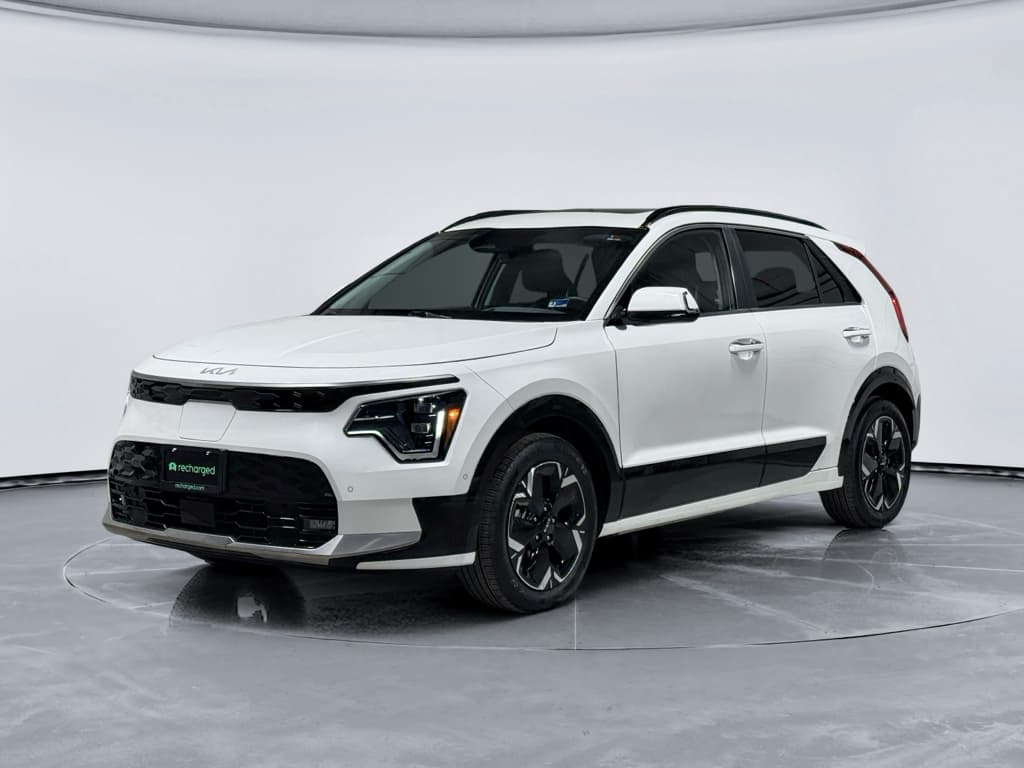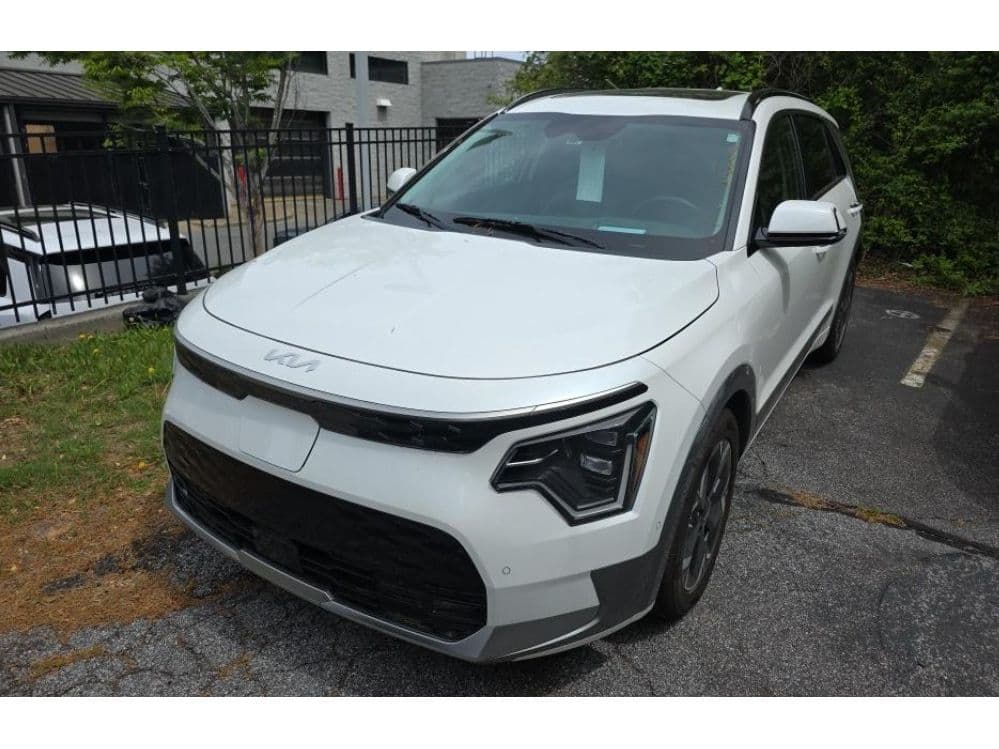
If you own or are shopping for a 2025 Kia Niro EV, understanding its recall history isn’t optional, it’s core to making a good safety and financial decision. This 2025 Kia Niro EV recalls list walks through the major campaigns affecting the model year, what each one fixes, and how to protect yourself as an owner or used EV buyer.
Model years vs. calendar years
Overview: 2025 Kia Niro EV recalls at a glance
Key safety campaigns touching 2025 Niro EV
From a recall perspective, the 2025 Niro EV is dominated by one big campaign: SC332 / NHTSA 25V-024, which covers airbag and seatbelt wiring under the passenger seat across 2023–2025 Niro Hybrid, PHEV, and EV variants. There’s also a rearview camera recall for 2020–2022 Niro EVs that doesn’t hit 2025 models directly but matters if you’re looking at earlier used examples alongside a 2025.
Recalls change over time
2025 Kia Niro EV recalls list (known campaigns)
2025 Kia Niro EV recalls list
Known U.S. safety recalls that include the 2025 Kia Niro EV as of April 2026. Always verify against NHTSA and Kia’s official tools for the latest status.
| Recall ID (Kia / NHTSA) | Model years covered | Systems affected | Primary risk | Does it include 2025 Niro EV? |
|---|---|---|---|---|
| SC332 / 25V-024 | 2023–2025 Niro EV, HEV, PHEV (manual passenger seat) | Passenger seat wiring for airbags & seatbelt pretensioners | Airbags or pretensioners may fail to deploy, deploy at the wrong time, or fail to recognize a child passenger. | Yes – this is the main 2025 Niro EV recall. |
| TBD (rearview camera) | 2020–2022 Niro EV with 10.25" display | Backup camera image loss or failure | Reduced rear visibility and increased backing crash risk. | No – applies to earlier Niro EVs, not 2025, but relevant for used buyers. |
This table focuses on campaigns that explicitly list the Niro EV and cover the 2025 model year. Campaigns limited to earlier years are included only for context if you’re cross-shopping used Niros.
As of April 10, 2026, there is one major safety recall that clearly includes the 2025 Niro EV: the airbag and seatbelt wiring recall under campaign code SC332. Other issues owners talk about, software bugs, nav glitches, or cooling messages, are being handled through technical service bulletins (TSBs) or software updates, not formal NHTSA safety recalls, at least so far.
Airbag & seatbelt wiring recall (SC332 / 25V-024)
In January 2025, Kia notified NHTSA of recall 25V-024, internally coded as SC332. It covers roughly 80,000 Niro Hybrid, PHEV, and EV vehicles from the 2023–2025 model years that have a manually adjustable front passenger seat. The concern is simple but serious: wiring under the passenger seat may have been routed incorrectly at the factory and can be damaged by normal seat movement.
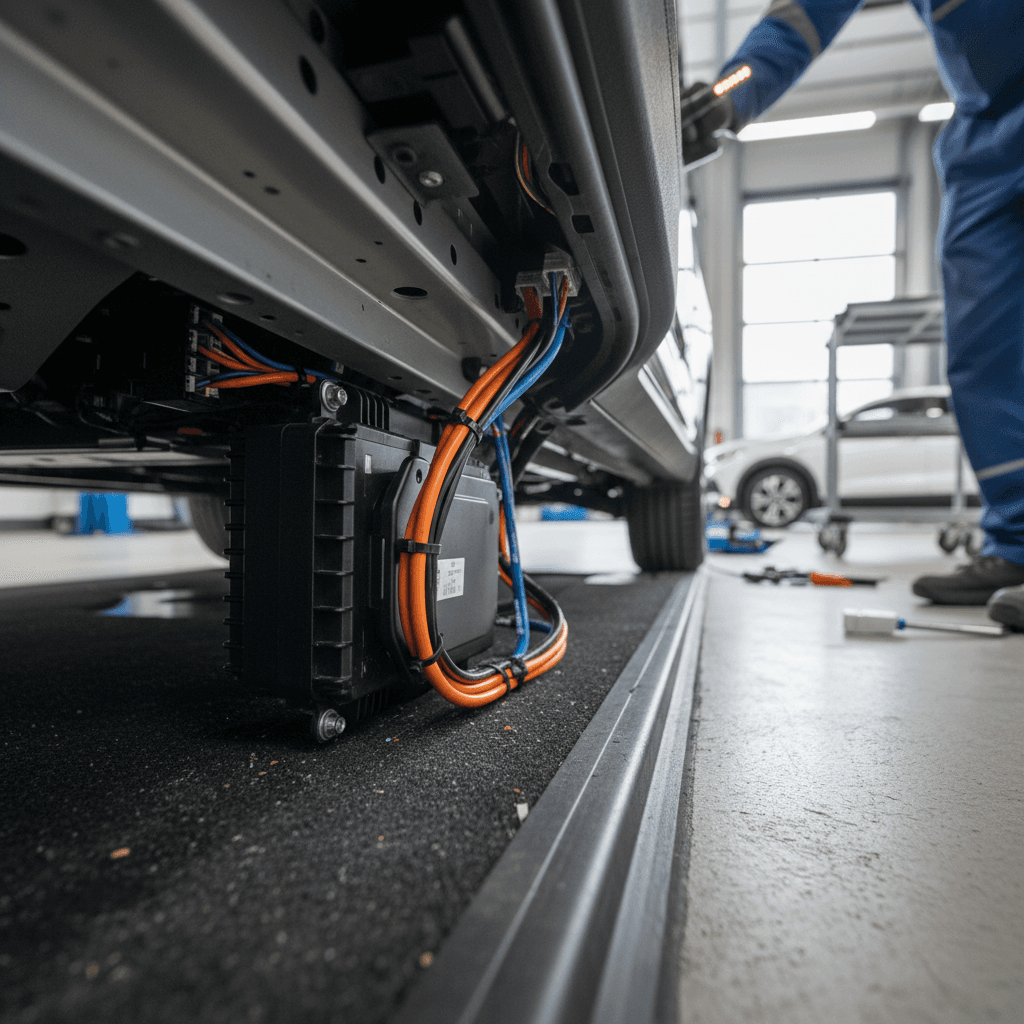
- Root cause: Wires beneath the passenger seat can be pinched or damaged as the seat is moved forward and back if the harness wasn’t routed correctly at the factory.
- What can happen: Depending on which wires are affected, the system may fail to deploy airbags or seatbelt pretensioners in a crash, deploy a side airbag when it shouldn’t, or fail to recognize when a small child is in the seat.
- Warning signs: You may see an illuminated airbag warning light or passenger airbag indicator behaving strangely, but the absence of a warning light doesn’t guarantee there’s no issue.
- Fix: Dealers inspect the wiring, repair or replace damaged sections if needed, and install updated protective covers or routing clips to prevent future damage. This work is done at no cost to you.
- Timing: Kia submitted the recall in mid-January 2025. Owner letters for affected vehicles typically go out within a few weeks, and many 2025 Niro EVs built through late 2024 fall within the production window.
Don’t ignore airbag warnings
Rearview camera recall (2020–2022 carryover context)
Separate from the 2025 airbag/seatbelt campaign, Kia is recalling about 11,000 Niro EVs from the 2020–2022 model years for a defect that can cause the rearview camera image to fail or cut out, particularly on vehicles with the 10.25‑inch touchscreen. The affected build range and hardware combination do not include the 2025 Niro EV, but this recall matters if you’re comparing a 2025 to an older used Niro EV or see conflicting online headlines about “Niro EV camera recalls.”
- Applies to: 2020–2022 Niro EVs with the 10.25‑inch screen, not 2025 models.
- Risk: Loss of the camera image reduces rearward visibility and can increase backing‑crash risk, especially in tight parking or with small children behind the vehicle.
- Fix: Dealers update or replace the camera module/software. Like all safety recalls, this is free to the owner.
Why this matters for 2025 shoppers
How to check your 2025 Niro EV for open recalls
Because recall coverage depends on build date, options, and prior repairs, you should always check your exact VIN rather than assuming every 2025 Niro EV is affected the same way. Here’s the most reliable way to do that if you’re in the U.S.
Step-by-step: Check your Niro EV’s recall status by VIN
1. Locate your VIN
Find the 17‑digit VIN at the base of the windshield on the driver’s side, on the door jamb label, or on your registration/insurance card. For a used Niro EV listing, the seller or dealer should provide it upfront, if they won’t, that’s a red flag.
2. Run it on NHTSA.gov
Go to the official U.S. recall lookup site and enter the VIN. This shows <strong>all open (unrepaired) safety recalls</strong> tied to that vehicle, regardless of who owns it now.
3. Cross-check Kia’s own lookup
Visit Kia’s owner site, create or log into an account, and enter the VIN there as well. Kia’s portal may show campaigns that are brand‑specific or not yet visible elsewhere.
4. Ask the service advisor to print the campaign list
When you visit a Kia dealer, ask for a printout of <strong>all recalls and service campaigns</strong> tied to your VIN, plus what’s already been completed. This is especially useful when buying a used Niro EV.
5. Verify that recalls were actually performed
A recall marked as “closed” on paper doesn’t help if the work was never done. Ask for the <strong>repair order</strong> showing SC332 (or any other recall) as completed, including the date and dealer name.
6. Re‑check after purchase or repair
Owners often report that it can take days or weeks for apps and online tools to show a recall as closed. Re‑run your VIN a few weeks after service to confirm the system reflects the fix.
For used‑car shoppers
What 2025 Niro EV owners should do, step by step
If you already own a 2025 Niro EV, especially one with a manual front passenger seat, your recall to‑do list is pretty straightforward. Here’s a practical playbook that balances safety, time, and long‑term value.
1. Confirm your recall status now
Don’t wait for a letter. Run your VIN through the NHTSA and Kia tools today, and screenshot or print the results. If SC332 or any other recall is open, you’ll have documentation when you call the dealer.
2. Schedule recall work proactively
Call your preferred Kia dealer’s service department, reference the recall number (for example, SC332), and ask for the earliest available appointment. Recalls are done at no charge, but parts and appointment slots can be limited during the first wave.
3. Ask for software updates at the same time
When the car is already on a lift, ask the advisor to bring all ECUs and navigation/infotainment software up to the latest version. Owners frequently report that updates improve charging behavior, nav data, and driver‑assist performance.
4. Keep records for resale
File every recall repair order and software update receipt with your maintenance records. A clean paper trail makes your Niro EV easier to sell or trade and can boost what you’re offered.
Good news: recalls don’t hurt your warranty
Recalls vs. TSBs vs. software updates on the Niro EV
When you search for 2025 Niro EV problems, you’ll see a mix of formal recalls, technical service bulletins, and owner anecdotes. It’s important to understand the difference, because not every complaint online represents a safety recall that must be performed for free.
How different campaigns show up on your 2025 Niro EV
Not every software or hardware issue is a formal recall, but many are still worth addressing.
Safety recalls
Mandatory, safety‑related fixes like SC332. These involve defects that can increase crash risk or injury severity. Automakers must notify owners and perform repairs at no cost, regardless of vehicle age or ownership.
Technical Service Bulletins (TSBs)
Guidance from Kia to dealers about known issues and recommended fixes, for example, inverter coolant messages or charging‑related quirks. Coverage may depend on warranty status, but they often address real problems owners notice.
Software & map updates
Routine updates for things like battery cooling strategy, navigation maps, or telematics. These can come via dealer flash or owner‑initiated USB updates and may never appear as a recall or TSB, even if they materially improve the car.
Watch for software bugs too
What these recalls mean if you’re buying a used 2025 Niro EV
From a used‑EV shopper’s standpoint, the 2025 Niro EV’s recall profile is relatively simple: one major safety campaign plus standard‑issue software and service actions. That’s not nothing, but it’s also nowhere near the systemic issues we’ve seen with some other brands’ battery or braking systems. The key is making sure any affected car has had the work actually done, not just “promised.”
Used 2025 Niro EV: recall and safety checklist
Questions and verifications to walk through before you buy a used 2025 Niro EV from a private party or dealer.
| Item | What to ask or check | Why it matters |
|---|---|---|
| SC332 status | Ask the seller for a repair order showing recall SC332 (or 25V-024) completed, or run the VIN yourself. | Confirms the airbag/seatbelt wiring issue has been inspected and addressed. |
| Airbag light behavior | On a test drive, confirm the airbag warning light illuminates briefly at startup, then goes out and stays off. | Helps spot lingering SRS faults that might indicate recall work wasn’t done correctly. |
| Software level | Ask the seller or dealer when the last software update was performed and whether nav maps are current. | Outdated software can affect charging behavior, driver‑assist performance, and resale value. |
| Other Niro recalls | If you’re cross‑shopping 2020–2022 Niro EVs, ask specifically about the backup camera recall and any prior battery or ICCU campaigns. | Older Niros have a different recall history; mixing them up with 2025s leads to confusion and mispricing. |
| Documentation | Collect a folder (paper or digital) of recall letters, repair orders, and service invoices for the VIN. | A documented history supports a higher trade‑in value later and gives you leverage during negotiation. |
You don’t have to be an engineer, just systematic. This checklist fits on a single page you can bring with you when you inspect the car.
How Recharged can simplify this
FAQ: 2025 Kia Niro EV recalls
Frequently asked questions about 2025 Niro EV recalls
Bottom line: Is the 2025 Niro EV still a good bet?
Zooming out, the 2025 Kia Niro EV has a manageable recall story: one major safety campaign you absolutely should take seriously, plus the usual software and service actions that are part of owning any modern EV. If you confirm SC332 is taken care of, stay current on software, and keep your records organized, there’s little in the current recall record that fundamentally undermines the Niro EV’s appeal as an efficient, compact crossover.
If you’re buying used, prioritize cars with documented recall completion and recent software updates, and don’t hesitate to walk away from cars with missing paperwork or evasive answers. Working with a specialist marketplace like Recharged can offload a lot of the diligence around recall status, battery health, and fair pricing, so you can focus on whether the 2025 Niro EV actually fits your life, not just your spreadsheet.