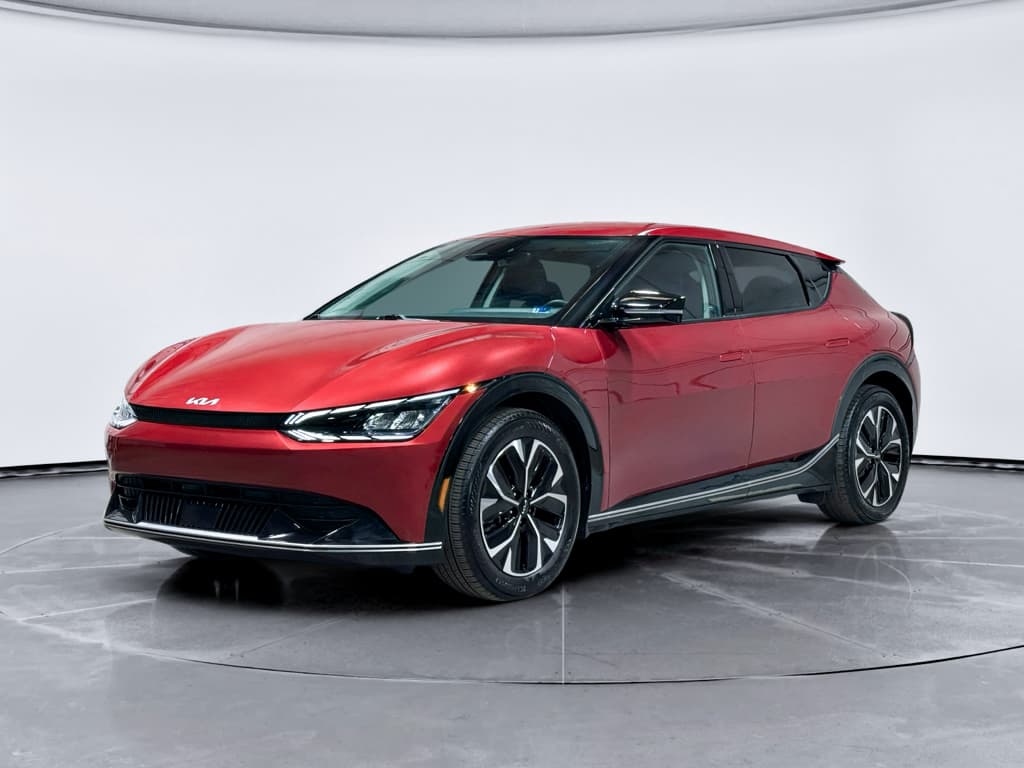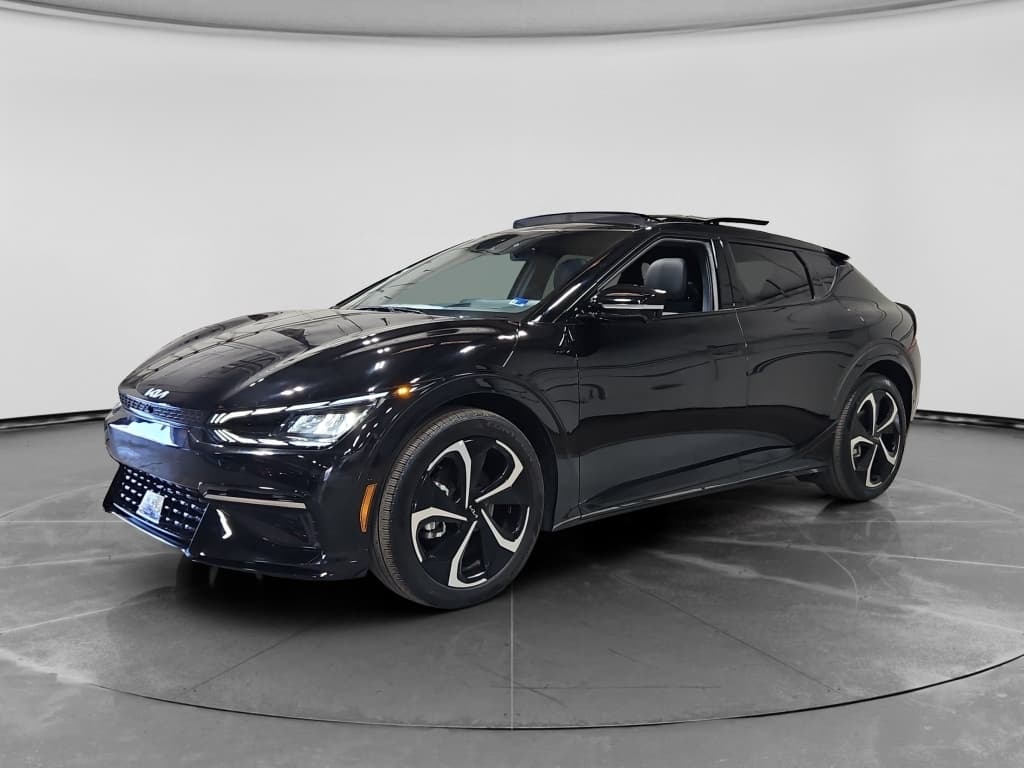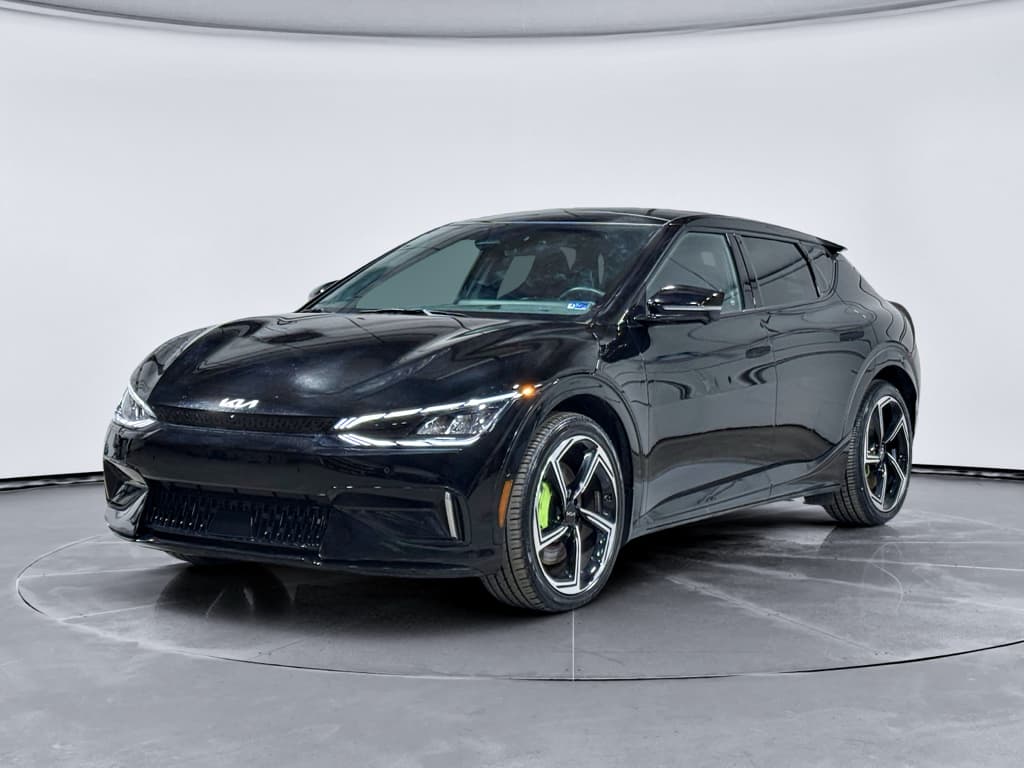
If you bought a 2025 Kia EV6 when they hit U.S. dealers, you’ve probably watched EV prices slide and wondered what that’s done to your trade-in value. You’re not alone. Between aggressive factory discounts, fast-moving tech and shifting EV incentives, 2025 Kia EV6 trade in value is a moving target, and it’s easy to leave thousands on the table if you don’t understand how dealers are pricing these cars right now.
Context: 2025 EV6 pricing and incentives
Why 2025 Kia EV6 trade-in value is complicated right now
A few years ago, EVs like the EV6 were supply-constrained and used prices were sky-high. By late 2025 and into 2026, the script flipped. New EV6s arrived with U.S. assembly, a native NACS charging port, refreshed styling, and, crucially, deeper discounts to keep sales moving. At the same time, more off-lease 2022–2024 EV6s have flooded the used market. That combination has pushed wholesale and trade-in prices down faster than many owners expected.
- New 2025 EV6s are routinely selling below MSRP thanks to factory programs and dealer discounts.
- Many early EV6s (especially 2022–2023 models) took steep hits, setting a low benchmark for auction values.
- EV technology, range and charging speeds keep improving, making slightly older EVs look dated faster than comparable gas SUVs.
- Some shoppers are still cautious about EVs in general, so dealers price aggressively to avoid getting stuck with slow-moving inventory.
Don’t anchor on your purchase price
Quick answer: what a 2025 Kia EV6 might be worth today
Because the 2025 model year is still young, there isn’t a huge pool of 2025 EV6 trade data yet. But we can triangulate from depreciation forecasts and current used EV6 pricing to sketch a realistic range.
Ballpark 2025 EV6 value ranges in early 2026*
A concrete example
Those are directional ranges, not a quote. The only way to know what *your* 2025 EV6 is worth is to get real offers. That’s where understanding the playbook dealers use becomes powerful.
How dealers actually calculate your EV6 trade-in value
When you pull into a showroom asking about trade-in value, the salesperson may chat about mileage and options, but the real work happens behind the scenes. For a 2025 EV6, most dealers will:
Inside the dealer’s trade-in playbook
1. Start with live auction and guide data
They’ll check wholesale auction feeds, dealer-only sales and pricing guides for late-model Kia EV6s. Because 2025s are new, they’ll often lean on 2024 EV6 results and apply a premium or discount.
2. Adjust for your trim and equipment
Light vs. Wind vs. GT-Line vs. GT, RWD vs. AWD, long-range battery, tech packages and wheel sizes can shift value quickly. Desirable trims with long range and AWD tend to hold better.
3. Evaluate miles and usage pattern
A 2025 EV6 with 8,000 miles and clean history will price very differently from one with 28,000 miles and ride-share-style wear. Dealers mentally compare your odometer to what’s typical for age.
4. Look hard at condition and history
Curb rash, interior wear, prior accidents, paintwork and missing keys all chip away at the offer. A branded or damage-heavy Carfax can wipe out thousands in value.
5. Factor in battery health and charging behavior
Some franchised dealers still don’t measure EV battery health in detail, but more are learning they should. A pack showing abnormal degradation or a history of repeated max-DC-fast-charging can invite extra risk, and lower offers.
6. Build in profit and reconditioning cost
Whatever the book or auction says, the dealer still has to recondition, advertise, finance and warranty the car. They’ll leave several thousand dollars between your trade allowance and their target retail price.
Why multiple offers matter
Key factors that move 2025 EV6 trade-in value up or down
Biggest levers on your 2025 EV6’s value
Some you can’t control, others you absolutely can
Trim & configuration
Mileage & usage
Battery health
Accident & service history
Local EV demand
Macro EV pricing trends
Trim, battery and options: which 2025 EV6s hold value best?
Not every 2025 EV6 is treated the same in the trade-in lane. Dealers think in terms of how easily they can retail your exact configuration. As of early 2026, some patterns are already emerging from new and used EV6 sales data.
Relative value strength by 2025 EV6 trim
General tendencies dealers are seeing in early 2026 (assuming similar mileage and condition).
| Trim | Drivetrain / Battery | Relative Trade Strength | Why It Matters |
|---|---|---|---|
| Light | RWD, standard battery | Moderate | Appealing entry price but shorter range; more price-sensitive shoppers, so dealers stay cautious. |
| Light Long Range RWD | RWD, long-range battery | Stronger | Good range at reasonable cost; broad appeal for commuters in mild climates. |
| Light Long Range AWD | AWD, long-range battery | Strongest | Combines range and traction; easy to sell in four-season markets. |
| Wind RWD | RWD, long-range battery | Strong | Popular step-up trim; good feature mix without GT-Line price. |
| Wind AWD | AWD, long-range battery | Strong | Sweet spot for many families; solid demand used. |
| GT-Line RWD | RWD, long-range battery | Moderate–Strong | Feature-rich but priced closer to premium EVs; depends on local income and demand. |
| GT-Line AWD | AWD, long-range battery | Strong but narrow | High-spec, comfortable, and quick; strong for buyers cross-shopping luxury brands. |
| GT | High-performance AWD | Volatile | Performance buyers love them but the audience is smaller; values can swing more than mainstream trims. |
“Stronger” means dealers are typically more comfortable paying up for that configuration.
Native NACS is a quiet value booster

2025 EV6 depreciation: what the data says
No one has a full five-year picture on a 2025 EV6 yet, it hasn’t existed that long. But we can look at independent cost-of-ownership studies and early EV6 resale data to understand the curve you’re likely riding.
Early EV6 depreciation has been steep
Analysts tracking the first EV6 model years have seen some of the sharpest early EV drop-offs in the segment. Several reports and dealer surveys peg 5-year depreciation for earlier EV6s north of 55–60% of original MSRP, with the most pain hitting in the first 24–36 months.
That’s part EV-specific (fast tech cycles, incentive whiplash) and part timing, 2022–2024 EV6s were caught as the broader EV market corrected in 2024–2025.
Why 2025s may fare slightly better
The 2025 EV6 benefits from U.S. assembly, updated styling, native NACS charging and, in some cases, renewed access to federal tax incentives. Those improvements could help 2025 model-year vehicles hold value a bit better than the earliest runs, especially if EV demand stabilizes.
Still, the days of EVs appreciating or losing just 30% in five years are gone. If you’re trading a 2025 EV6 within the first 2–3 years, plan on meaningful depreciation versus what you actually paid.
Beware “paper losses” vs. real costs
How battery health and charging habits impact your offer
For EVs, the battery is the engine, transmission and fuel tank rolled into one. That’s why your 2025 EV6’s pack health is one of the few levers that can **add** value instead of just subtracting it.
What dealers (and smart buyers) look for in your EV6 battery
You can’t change the past, but you can document it
State of health (SOH)
Charging mix
Charging habits
Service & recall records
Warranty coverage
Independent battery health proof
How Recharged measures EV6 battery health
Trade-in vs. selling your 2025 EV6: which pays more?
When you’re coming out of a 2025 EV6, you typically have three paths: trade it in to a dealer, take an instant cash offer, or sell/consign it through a marketplace like Recharged. Each has different math, and different stress levels.
Trade-in vs. cash offer vs. selling your 2025 EV6
How the main options usually stack up for late-model EVs.
| Option | Typical Value | Time & Effort | Best For |
|---|---|---|---|
| Dealer trade-in | Lowest, but offsets sales tax in many states | Fastest (same day) | Convenience-focused owners rolling into another car at the same store. |
| Online instant offer | Similar to or slightly above traditional trade | Fast (1–7 days), simple process | Owners who want cash without haggling or listing the car themselves. |
| Sell privately | Highest gross price, if priced well | Most work: photos, listings, showings, paperwork | Price-maximizers comfortable managing the sales process. |
| Consignment / marketplace (like Recharged) | Often between trade and private-party, sometimes close to private-party | Moderate effort; professionals market and manage buyers | Owners who want a stronger net price than trade-in without taking on all the work. |
Numbers will vary by vehicle, but the trade-offs stay surprisingly consistent.
Why many EV6 owners look beyond a simple trade
How to boost your 2025 EV6 trade-in value (step-by-step)
Before you ask for a 2025 EV6 trade quote
1. Pull payoff and check equity
Log into your lender’s portal to see the current payoff amount and whether there are any prepayment penalties. Knowing your exact payoff helps you see if you’re underwater before you ever visit a showroom.
2. Gather docs and service records
Collect your title (if paid off), registration, key fobs, charging cable, mobile connector and any recent service records. A complete package signals a well-cared-for EV and avoids nickel-and-dime deductions later.
3. Get a real battery health report
If possible, get a third-party battery health test or use a marketplace like <strong>Recharged</strong> that includes pack diagnostics. Walking into trade talks with objective data on your EV6’s battery can counter vague “EVs all degrade fast” arguments.
4. Clean and lightly recondition
A professional detail isn’t mandatory, but a clean interior, washed exterior and small touch-ups (like fixing curb rash or replacing worn wiper blades) can easily return more than they cost in higher offers.
5. Collect 2–3 baseline offers online
Use online offer tools and EV-focused marketplaces to get written numbers before visiting a dealer. These act as both leverage and a sanity check for any in-person trade allowance you’re shown.
6. Separate the trade from the new-car deal
When you’re at the dealership, ask to see the trade value and the price of the next vehicle separately. Blending the two makes it easy for a store to look generous on one and tight on the other.
Avoid this common trap
Using Recharged to price and sell your Kia EV6
If your goal is to understand, and potentially beat, your local dealer’s 2025 Kia EV6 trade-in offer, it helps to work with people who live and breathe used EVs every day.
How Recharged can help you get more for your EV6
Built from the ground up for used EV transparency
Data-backed pricing
Recharged Score battery diagnostics
Flexible sale paths
EV-specialist support
Experience Center in Richmond, VA
Apples-to-apples comparisons
Ready to find your next EV?
Browse Vehicles2025 Kia EV6 trade-in FAQ
Common questions about 2025 Kia EV6 trade-in value
Bottom line: make your 2025 EV6 value work for you
The 2025 Kia EV6 is a capable, future-ready EV, with U.S. assembly, native NACS charging and a refined interior, that’s been caught in a turbulent moment for used EV pricing. Trade-in values can look harsh compared with what many owners paid, but that doesn’t mean you’re powerless. Understanding how dealers think about 2025 Kia EV6 trade in value, documenting your battery health, and shopping multiple offers can easily uncover thousands of dollars in additional real-world value.
If you’re serious about moving on from your EV6, treat pricing as a process, not a one-shot number. Start by getting instant online valuations, then compare them with what an EV specialist marketplace like Recharged can do through its Recharged Score battery report, financing options, trade-in support and nationwide buyer network. In a market this dynamic, the owners who come out ahead are the ones who treat their 2025 EV6 like what it is: a valuable, data-rich asset, not just another line on the dealer’s appraisal screen.