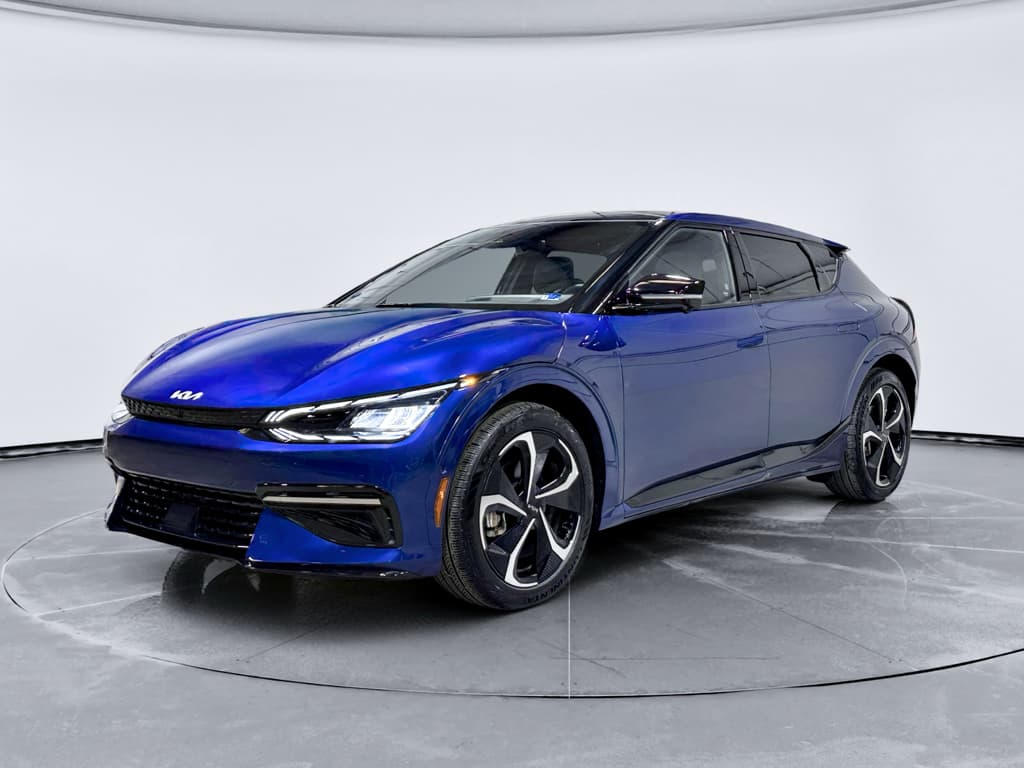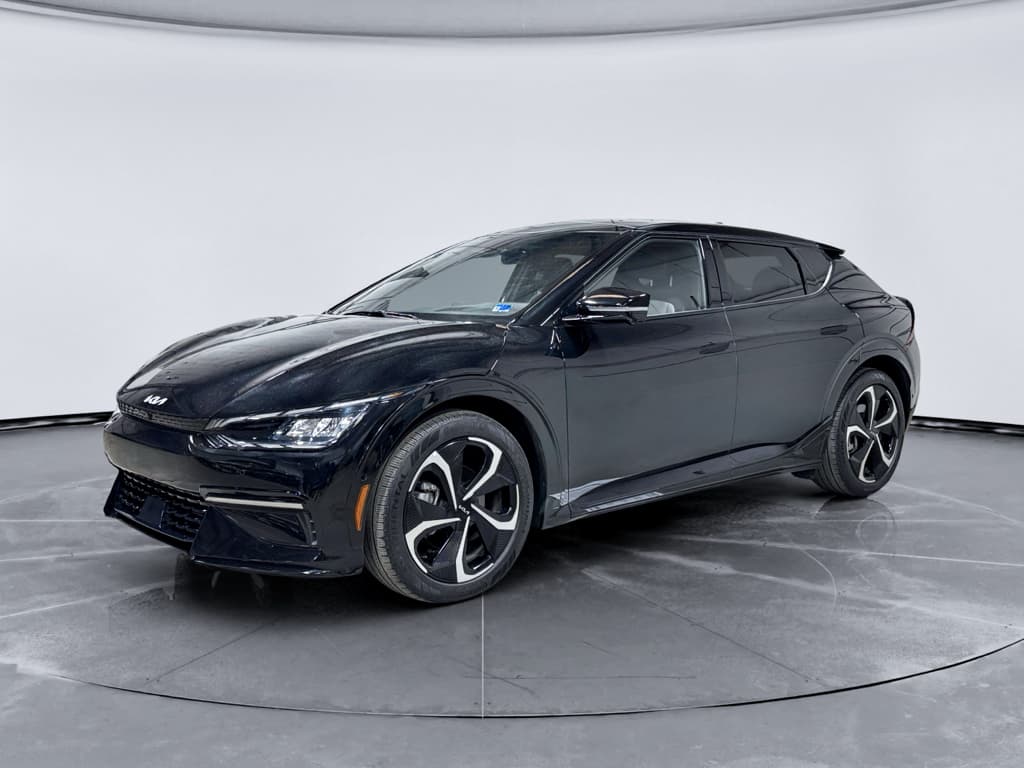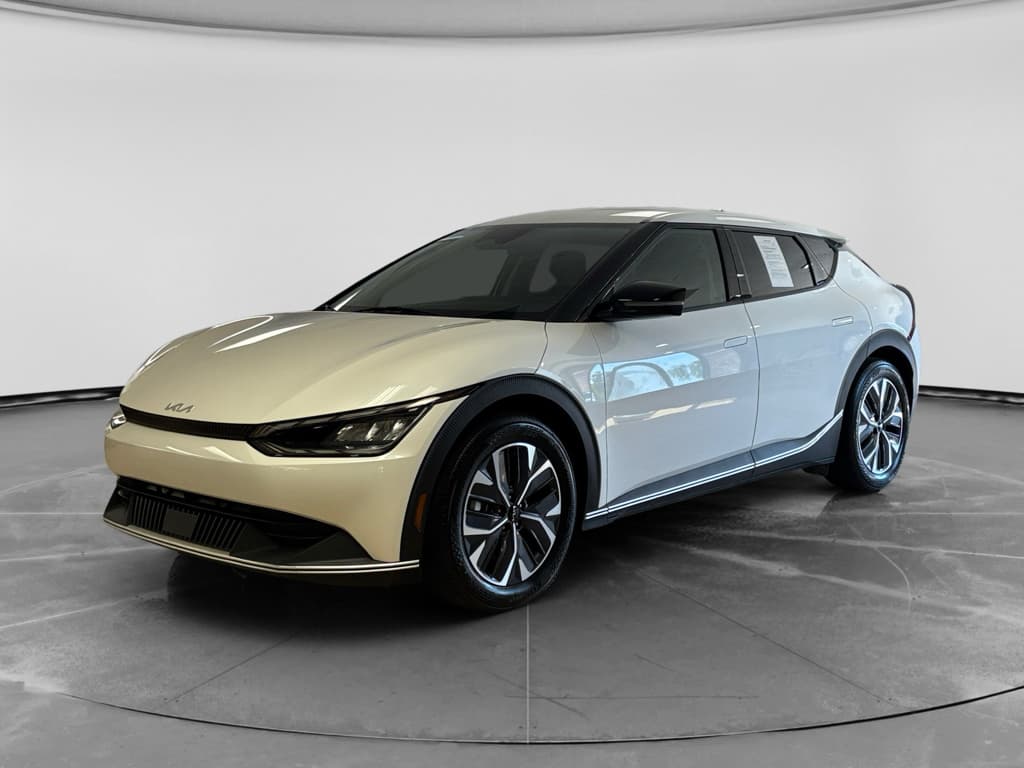
If you’re shopping for a used electric crossover, the Kia EV6 belongs on your short list. It’s quick, efficient, comfortable, and thanks to fast-charging hardware and Kia’s long warranty, a used EV6 can be a very smart buy, if you pick the right model year. This guide breaks down the best year to buy a used Kia EV6 and how 2022–2025 models compare on price, features, recalls, and reliability.
Model years covered
Why a used Kia EV6 is worth a look
Fast charging & road-trip ready
The EV6 rides on Hyundai–Kia’s E-GMP platform with an 800‑volt architecture that supports DC fast charging up to roughly 230–240 kW. Under ideal conditions, that means a 10–80% charge in under 20 minutes on a 350 kW station, competitive with anything in its class.
Strong warranty & everyday livability
Kia backs the EV6 battery and electric drivetrain with a long limited warranty, which often still covers a good portion of the pack on a 2–4‑year-old vehicle. Inside, you get generous space, good seats, and the kind of tech (driver assistance, infotainment, OTA updates on newer cars) you expect from a modern EV.
Kia EV6 used-market fast facts
Quick answer: Best used Kia EV6 years
- Best overall value: 2023 Kia EV6 (Wind or GT-Line, long-range RWD) – Sweet spot of price, features, and being far enough along in production that early teething issues are better understood.
- Best budget play: 2022 Kia EV6 – Typically the cheapest way into an EV6; great if you’re price-sensitive and willing to verify recall work and software updates.
- Best tech & range: 2025 Kia EV6 refresh – Updated styling, a larger battery (up to ~84 kWh), improved driver-assistance tuning, and in many regions a NACS charge port for direct Tesla Supercharger access, but pricing will remain closer to new for a while.
- Solid middle child: 2024 Kia EV6 – Benefits from incremental improvements and added Light trims, but shares the widely publicized Integrated Charging Control Unit (ICCU) recall with earlier years, so service history is critical.
How to use this guide
Kia EV6 model years at a glance (2022–2025)
Key differences by Kia EV6 model year
High-level view of how 2022–2025 EV6 model years differ for used buyers.
| Model year | What changed | Why it matters used |
|---|---|---|
| 2022 (launch) | First EV6 in the U.S.; long-range pack standard on most trims; some early software updates and optional battery preconditioning; ICCU/12V recall applies. | Often the least expensive used EV6. Great if you confirm recall work and like the original design and feature mix. |
| 2023 | Refinements to options and features; more cars came with battery preconditioning and heat pump in colder regions; software more mature. | Strong mix of price, features, and range. For many shoppers, 2023 is the best used-year compromise. |
| 2024 | Lineup reshuffled; additional "Light" trims including a 58 kWh battery Light RWD plus long-range Light variants; still CCS DC fast charge; ICCU recall still in play. | Lets you get into a newer EV6 at a lower price (Light trims), but you must be meticulous about recall work and charging behavior. |
| 2025 (refresh) | Facelifted styling, larger batteries (~63 kWh standard, ~84 kWh long-range), incremental range gains, updated infotainment, improved driver-assist tuning, and in many markets a native NACS (Tesla) charge port plus CCS adapter. | Best tech and range and easiest Supercharger access, but 2025s are only just entering used inventories and command higher prices. |
Exact availability and features vary by trim and region; always confirm equipment on the specific VIN you’re considering.
Best value pick: 2023 Kia EV6
For many used shoppers, the 2023 Kia EV6 hits the best balance of price, equipment, and maturity. It benefits from lessons learned on the 2022 launch cars without carrying the price premium of still-newer 2024–2025 models.
2023 EV6 pros and cons for used buyers
Why 2023 is often the sweet-spot year
Why 2023 stands out
- Refined software & features – More cars built with factory battery preconditioning and polished driver-assistance behavior versus very early builds.
- Long-range pack widely available – Most 2023 Wind and GT-Line models use the 77.4 kWh pack with strong 300+ mile EPA range in RWD form.
- Depreciation already hit – The steepest part of the depreciation curve is behind you, but most of Kia’s battery warranty is still in place.
Things to watch on 2023s
- ICCU/12V recall – All 2022–2024 EV6s are affected by a campaign to address an Integrated Charging Control Unit issue that can strand the car if ignored. Make sure the recall is complete and documented.
- High-spec pricing – GT and fully loaded GT-Line AWD examples can still be pricey; many buyers are better served by a Wind or GT-Line RWD.
Best trims within 2023
Best budget play: 2022 EV6
If your priority is the lowest purchase price, the 2022 Kia EV6 is where you’ll likely find the biggest discounts. These are the oldest cars in the fleet, so they show up more often at auction and off-lease, and those economics trickle down to retail buyers.
- You still get the same fundamental 800V fast-charging hardware and long-range battery options as later years.
- Early cars may lack some convenience features that became more common later (for example, some 2022s needed a software update or retrofit for optimal battery preconditioning).
- Because 2022s lived through the full run of early recalls and software campaigns, service history matters more here than on any other year.
- On higher-mileage 2022s, you’ll want a detailed battery health check rather than relying on the dash range estimate alone. This is exactly what Recharged’s battery-focused Score Report is designed to surface.
Don’t buy on price alone
Tech & range champ: 2025 EV6
At the other end of the spectrum, the refreshed 2025 Kia EV6 is the one to target if you care most about range, charging options, and up-to-the-minute tech, even in the used market.
Why 2025 shines for future-proof shoppers
Facelift, bigger batteries, and easier Tesla charging
Larger batteries
NACS charging (in many regions)
Refined driving tech
The catch with 2025 on the used market
Is 2024 a good year to buy used?
The 2024 Kia EV6 sits between the 2023 sweet spot and the 2025 refresh. It brought a reshuffled trim lineup, including more affordable Light trims, but didn’t dramatically change the underlying formula.
When a 2024 EV6 makes sense
- You find a Light Long Range or Wind at a price close to a comparable 2023.
- You want the longest possible remaining factory warranty while staying under a certain budget.
- You’re okay with CCS fast charging and using an adapter to access some Tesla stations, rather than having a native NACS port.
When to keep shopping
- The 2024 you’re considering is priced very close to a 2025 with better range and updated tech.
- Recall repairs are incomplete or undocumented.
- You road-trip often and really want the simplest possible Tesla Supercharger experience, something the 2025’s NACS port delivers more cleanly.
Recalls, ICCU and 12V issues: what shoppers should know
You can’t talk about the best year to buy a used Kia EV6 without addressing the widely covered ICCU/12V battery issue that affects 2022–2024 cars. Kia and regulators identified that the Integrated Charging Control Unit can degrade over time, leaving the 12‑volt battery undercharged. If warnings are ignored, the EV6 can lose motive power and come to a stop.
- The fix is an official recall campaign that involves inspecting and, if necessary, replacing the ICCU and its fuse, plus updating software.
- Many owners report their cars behaving normally after the remedy, but there are also stories of repeat repairs, so it’s important to confirm dates and details.
- This recall does not appear confined to a single model year; it spans 2022, 2023, and 2024 EV6s. The 2025 refresh uses updated hardware and software designed to address the root cause.
- Because these failures can strand the car, they’re more than a minor inconvenience. Your pre-purchase checklist should treat ICCU service history as a must-have, not a nice-to-have.
Non‑negotiable due diligence
Battery health and range on a used EV6
The EV6’s battery pack has generally held up well in real-world use, with many owners reporting minimal degradation after tens of thousands of miles. Still, range is the heart of any EV purchase decision, and the dash range estimate doesn’t tell the whole story on a used car.
How to judge an EV6’s battery in the real world
Don’t rely on the guess‑o‑meter alone
Know the original spec
Look at usable range, not just %
Get objective diagnostics
Heat pump & climate matters
Pricing: what you can expect to pay
Exact pricing will vary based on mileage, trim, condition, region, and incentives, but you can think of used EV6 values in bands rather than precise numbers. The goal here is to anchor your expectations so you recognize an outlier, good or bad, when you see it.
- 2022 EV6 – Typically the lowest prices, especially on higher‑mileage Wind and GT-Line trims. These can be strong values if recall work and battery health check out.
- 2023 EV6 – Expect to pay a modest premium over 2022 for similar mileage. In exchange you get model‑year refinements and a bit more remaining warranty, often worth the extra money.
- 2024 EV6 – Pricing often overlaps with lightly used 2025s, especially on high‑spec trims. The value story tends to favor 2023 or 2025 unless you find a standout deal on a 2024 Light or Wind.
- 2025 EV6 – As of early 2026, 2025s are just trickling into the used market. Prices will be closest to new, but if you want the facelift, native NACS charge port (where equipped), and biggest battery, this is the year to chase.
Factor in taxes, incentives & charging
Inspection checklist before you buy
Used Kia EV6 pre‑purchase checklist
1. Confirm recall and software history
Ask for a dealer printout or service records showing all ICCU/12V recalls and major software updates are complete. Run the VIN through Kia’s official recall checker to double‑check.
2. Get a battery health report
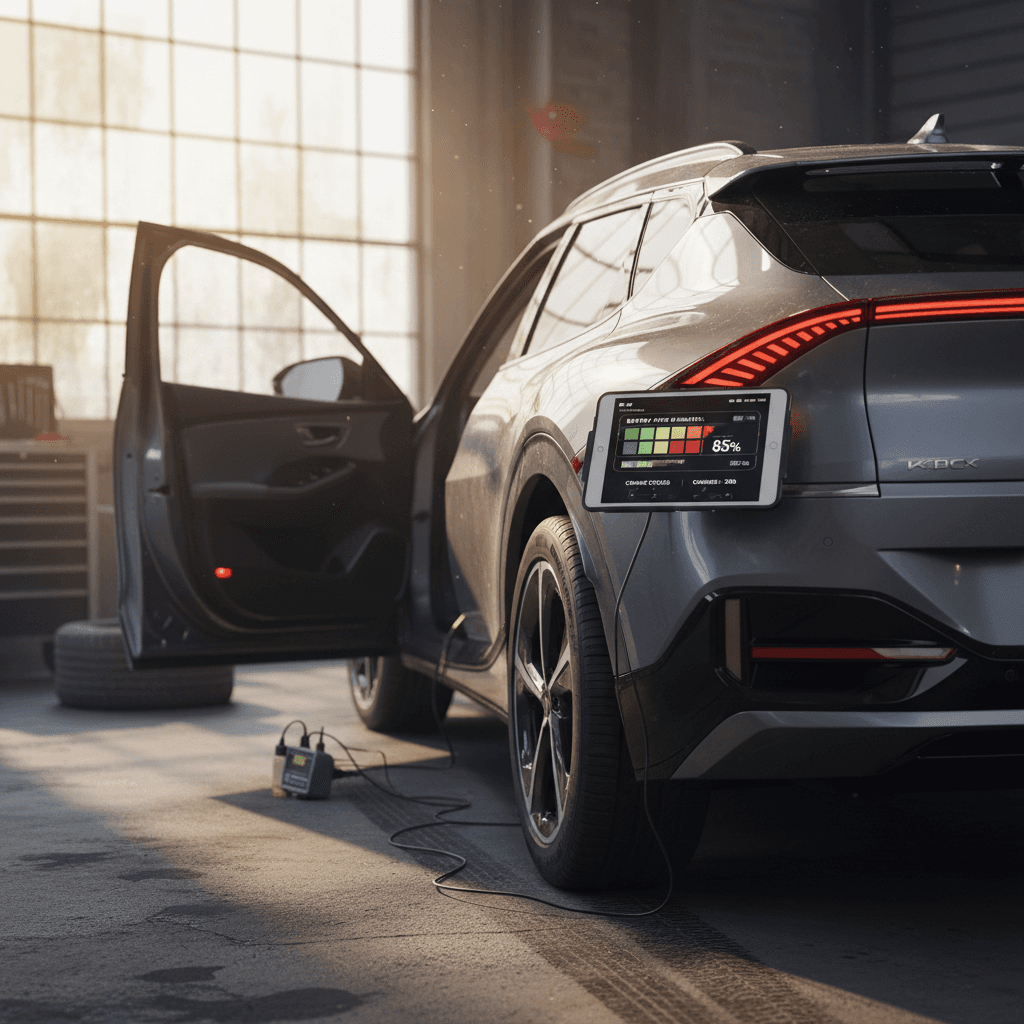
Request an objective battery and charging health report rather than relying on the range estimate. Recharged’s Score Report, for example, reads actual battery data and fast‑charging behavior so you can see how the pack has aged.
3. Test AC and DC charging
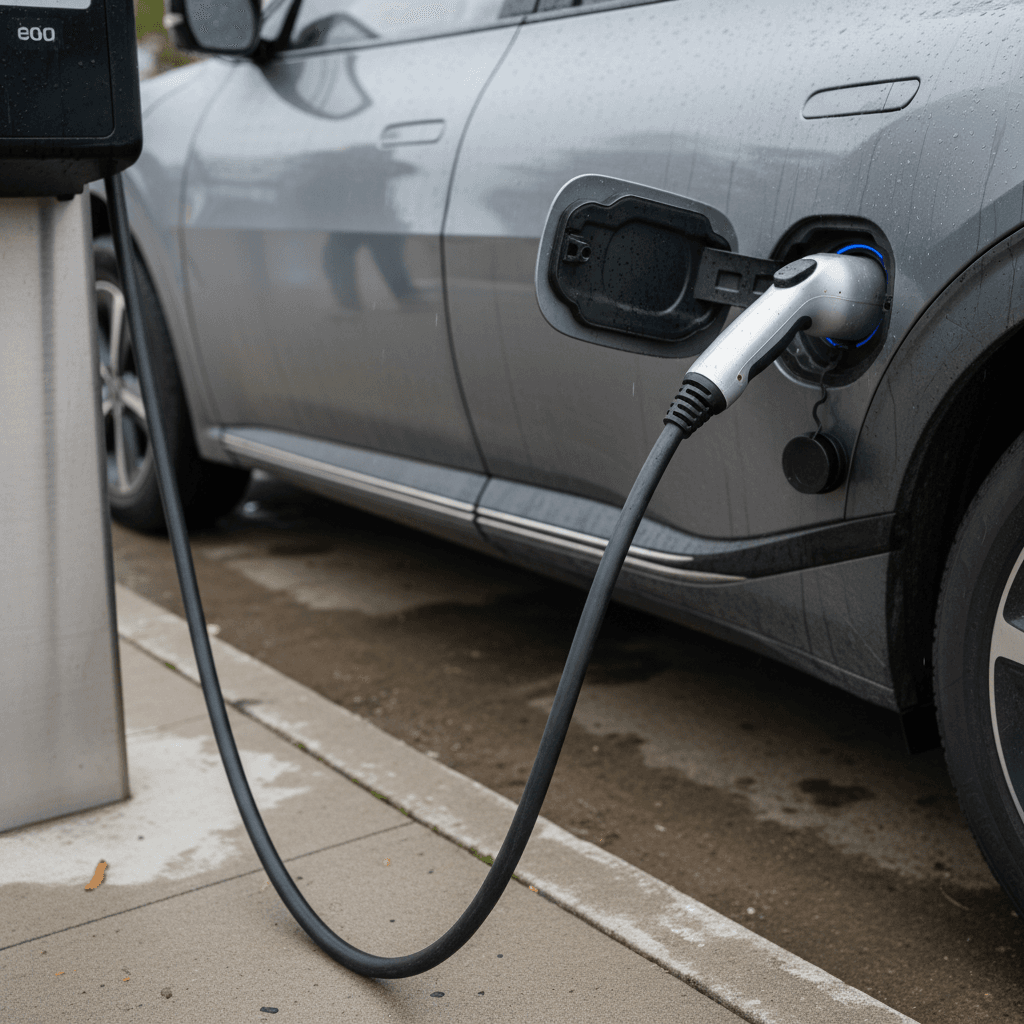
Plug into a Level 2 charger and, if possible, a DC fast charger. Confirm the car charges consistently without fault codes, unusual noises, or wildly fluctuating power.
4. Drive it like you’ll use it
On the test drive, spend time at highway speeds. Listen for wind noise, evaluate driver-assistance behavior, and note real‑world consumption. Try one‑pedal driving and regen settings to be sure they feel natural.
5. Check driver-assist and infotainment
Verify that Highway Drive Assist, adaptive cruise, lane‑keeping, and parking sensors all function as advertised. Try wired or wireless Apple CarPlay/Android Auto, voice commands, and navigation routing to fast chargers.
6. Look underneath and inside
Inspect tires for even wear (EVs are hard on rubber), check for underbody damage near the battery tray, and look for signs of leaks, corrosion, or accident repairs. Inside, make sure seats, cargo floor, and charging cables are intact.
How Recharged makes buying a used EV6 easier
Shopping for a used EV is different from shopping for a gasoline car. You’re weighing battery health, charging behavior, and software history just as much as miles and paint condition. That’s exactly the gap Recharged is built to fill.
Why consider finding your EV6 through Recharged
EV‑specific checks, transparent pricing, and nationwide support
Recharged Score battery diagnostics
Fair market, EV‑savvy pricing
Digital buying, real‑world support
Recharged data
Used Kia Ev6 battery health
99%
avg remaining capacity
From Recharged battery inspections, not manufacturer estimates.
- Lowest
- 91%
- Median
- 100%
- Highest
- 100%
- Est. range
- 279 mi avg
- Cell balance pass
- 100%
- Quick charges
- 21 avg
- Slow charges
- 79 avg
Average cell imbalance: 3.9 mV
Based on vehicles Recharged tested as of Jul 23, 2026
Recharged data
Used Kia Ev6 prices at Recharged
$31,247
median list price
Current list prices for matching inventory at Recharged.
- Lowest
- $23,998
- Average
- $30,764
- Highest
- $34,996
Average Recharged Score on these listings
4.9 / 5
Range
4.9 – 5.0
Based on available listings as of Jul 23, 2026
Ready to find your next EV?
Browse VehiclesKia EV6 used buying FAQ
Frequently asked questions about buying a used Kia EV6
Bottom line: Which Kia EV6 year should you buy?
If you want the best mix of value, range, and maturity, a 2023 Kia EV6, especially in Wind or GT-Line RWD long‑range form, is the standout used choice today. If your budget is tighter and you’re willing to be meticulous about recall work and battery diagnostics, a well‑documented 2022 can be a bargain. At the other end, a 2025 EV6 is your pick if you prioritize maximum range, updated tech, and simpler Tesla Supercharger access and don’t mind paying closer‑to‑new prices.
Whichever year you land on, treat battery health and ICCU recall status as seriously as mileage and cosmetics. A transparent battery report and EV‑aware inspection, like the Recharged Score and expert guidance that come with every car on Recharged, can turn a complicated EV6 decision into a confident one.