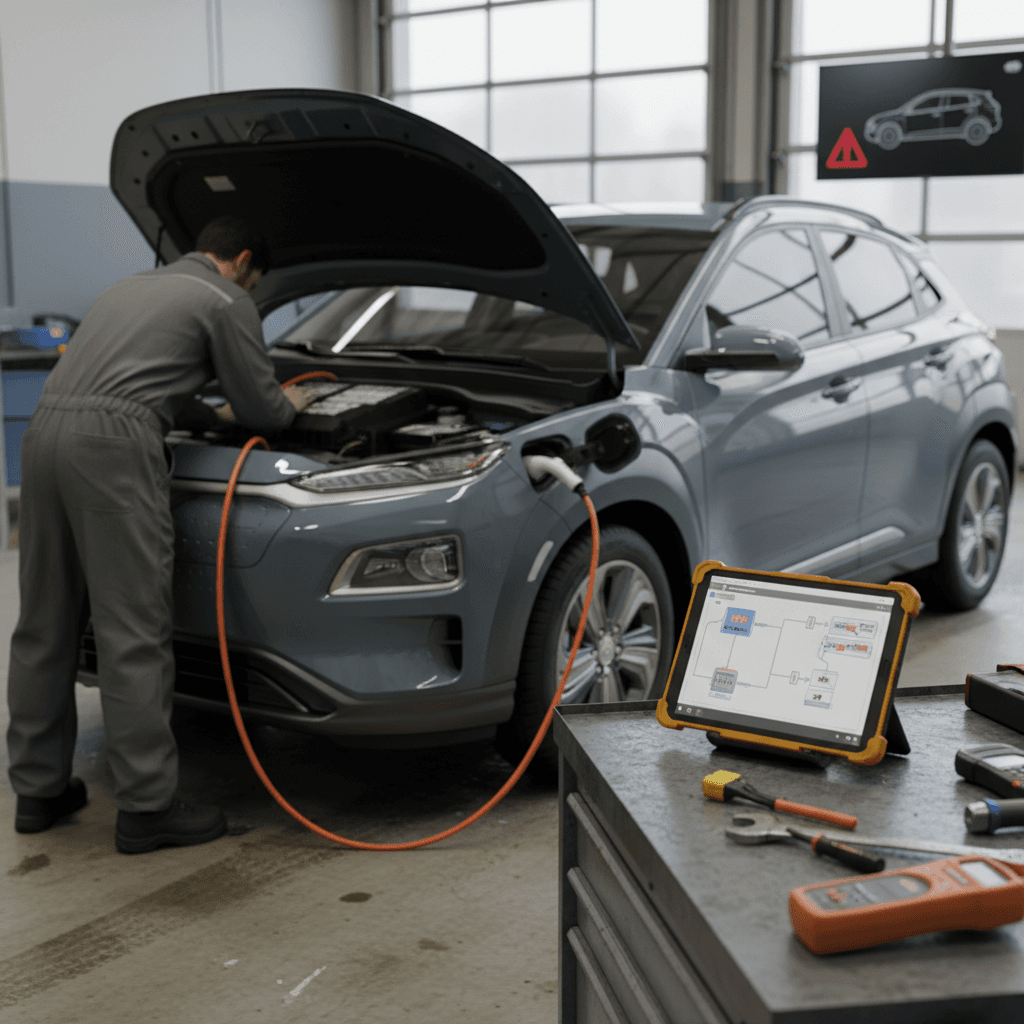
If you own or are shopping for a 2025 Hyundai Kona Electric, it’s smart to ask about recalls. Earlier Kona EVs had well‑publicized battery and charging issues, and Hyundai’s broader EV lineup has seen multiple recalls and software campaigns. This guide pulls together what we know today about the 2025 Hyundai Kona Electric recalls list, how to check your specific SUV, and what it all means for you as an owner or used‑EV shopper.
Key takeaway up front
Overview: 2025 Kona Electric recalls so far
Hyundai launched the redesigned Kona Electric for the U.S. as a 2024 model and has carried it into the 2025 model year. While the company has issued high‑profile recalls for other EVs, such as Ioniq 5 and Genesis models that could lose power while driving, those campaigns covered 2022–2024 model years and not the 2025 Kona Electric sold in the U.S.
2025 Hyundai Kona Electric recall status at a glance
What we know, and what’s still developing
No U.S. battery recall specific to 2025
Earlier Kona Electrics (2018–2022 in various markets) saw large battery recalls. As of April 2026, that kind of sweeping battery recall has not been extended to the 2025 U.S. model.
Active EV recalls elsewhere at Hyundai
Hyundai has recalled other EVs for issues like power loss while driving and instrument‑panel failures. Those patterns matter because they show how quickly software‑heavy EVs can end up in campaigns.
Service campaigns instead of recalls
Owners and forum reports point to a 2024–2025 Kona Electric software campaign that updates charging and battery‑management logic via over‑the‑air (OTA) or dealer visits, important, but not labeled a safety recall.
Why "no recall" doesn’t mean "no risk"
Known issues that affect Kona Electric (but not as 2025 U.S. recalls yet)
To understand where the 2025 Kona Electric might go from a recall standpoint, it helps to look at the history of the nameplate and the broader Hyundai EV portfolio. Even if these issues are tied to different years or markets, they’re the backdrop for any future action on 2025 models.
- Historic Kona Electric battery fires and replacements: Earlier‑generation Kona Electrics built between 2018 and 2020 were recalled in multiple regions after a series of battery fires, leading to pack replacements and battery‑management updates.
- Cooling system and inverter warnings: Owners of 2020–2024 Kona EVs have reported service campaigns and recalls related to coolant and inverter warnings, sometimes requiring additional diagnostics beyond the initial repair.
- Charging and ICCU issues: A number of Hyundai E‑GMP EVs (Ioniq 5/6, etc.) have been recalled for issues in the Integrated Charging Control Unit (ICCU) causing power‑loss or charging failures; some owners of the redesigned Kona EV (from 2024 on) report similar hardware being serviced even when not yet part of a formal NHTSA recall.
- Software glitches after OTA updates: Forum posts from late 2024 and 2025 mention Kona EV owners having buggy infotainment or app connectivity after over‑the‑air (OTA) updates, annoying, but typically addressed through dealer reprogramming rather than a recall.
Global vs. U.S. recalls
Service campaigns vs. recalls on the 2025 Kona Electric
Hyundai, like most automakers, uses two main levers to fix issues in the field: service campaigns (sometimes called Product Improvement Campaigns) and safety recalls. With the 2025 Kona Electric, the most visible actions so far look more like software campaigns than full NHTSA‑registered recalls.
What a safety recall means
- Filed with NHTSA and searchable by VIN.
- Addresses a defect tied to crash or injury risk.
- Repairs are free, regardless of warranty status.
- Owner letters are mailed on a defined schedule.
What a service campaign means
- Usually not crash‑safety related (for example, charging logic or range display accuracy).
- May be done proactively at service visits or via OTA updates.
- Still free, but often less publicized than recalls.
- May show up in dealer systems or owner portals, but not always on NHTSA’s recall lookup.
Watch for charging and VCMS software updates
How to check your 2025 Kona Electric for recalls
Because recall status can change overnight, the most accurate “2025 Hyundai Kona Electric recalls list” is the one tied to your specific VIN. Here’s how to run that check and stay current.
Step‑by‑step: Confirming open recalls on your Kona Electric
1. Locate your VIN
You’ll find the 17‑digit VIN on the driver’s‑side dashboard at the base of the windshield, on the driver’s‑door jamb sticker, and on your registration or insurance card.
2. Run a NHTSA VIN search
Go to the NHTSA recall lookup, enter your full VIN, and confirm whether there are any <strong>open safety recalls</strong>. This database is usually updated within days of a recall being announced.
3. Check Hyundai’s U.S. owner site or app
Create or log in to your Hyundai owner account and register your Kona Electric. The portal and app can show <strong>campaigns and recalls</strong> that may not yet be widely reported, including OTA updates.
4. Ask the dealer to print your recall/campaign history
At your next service visit, ask the advisor to print the warranty, recall, and campaign history for your VIN. Make sure everything is listed as completed and ask what’s still outstanding.
5. Monitor your mail and email
If a new recall hits your 2025 Kona Electric, Hyundai is required to send mailed notices to the last known owner. Don’t ignore official letters that mention NHTSA campaign numbers or Hyundai recall codes.
6. Re‑check before a road trip or purchase
If you’re about to take a long trip or buy a used 2025 Kona Electric, run another VIN check. A campaign announced this month may not have existed when the previous owner last visited the dealer.
Common Kona Electric problem areas to watch
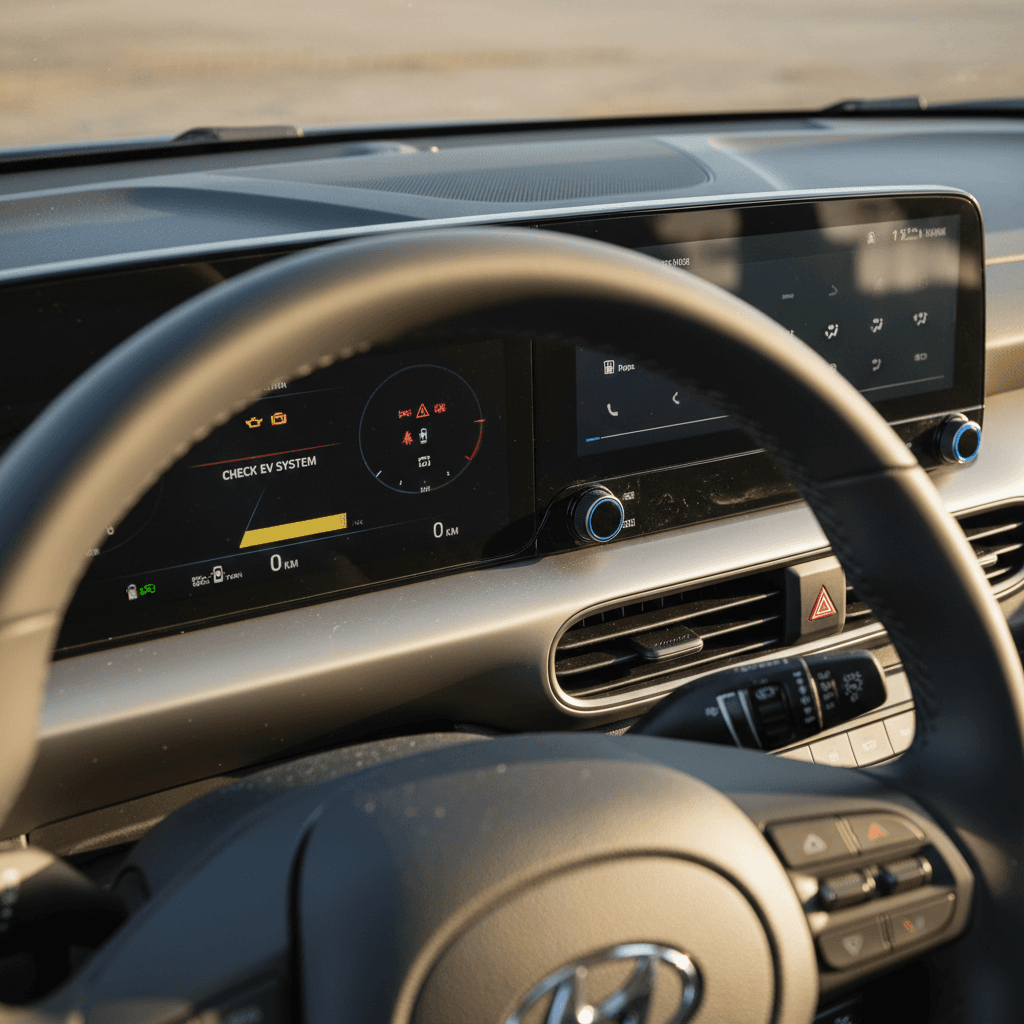
Even without a long list of 2025‑specific recalls yet, patterns from earlier Kona Electrics and sibling Hyundai EVs point to a few systems worth paying attention to. Being proactive here can reduce downtime and help you catch issues while they’re still covered.
Kona Electric systems owners should monitor
Issues seen on prior Kona EVs and related Hyundai EVs that could be relevant to 2025 models
| System / component | What to watch for | How it’s usually addressed |
|---|---|---|
| High‑voltage battery & BMS | Unexpected drop in available range, repeated “Check EV system” warnings, or charging that stops early. | Dealer diagnostics, BMS software update, or in older models, pack replacement under recall or warranty. |
| Charging hardware / ICCU | Slow DC fast‑charging, charging session errors, or power‑loss warnings similar to those seen on Ioniq 5/6. | Software updates, ICCU inspection or replacement under warranty or campaign if applicable. |
| Cooling / inverter system | “Refill inverter coolant” or overheating‑style messages, reduced power in hot conditions. | Inspection for leaks or sensor faults; in some model years, related to recalls or service campaigns. |
| Infotainment & connectivity | Frozen screens, loss of CarPlay/Android Auto, issues after OTA updates. | Head‑unit resets, software reflash at the dealer, or follow‑up OTA patches. |
| Instrument cluster / driver display | Missing or blank speedometer or warning indicators after startup (similar to some non‑EV Hyundai recalls). | Instrument‑panel software updates, which can be pushed OTA on 2025 Kona Electric models. |
These aren’t all active recalls on the 2025 Kona Electric, but they’re areas savvy owners keep an eye on.
Treat warning lights seriously
What to do if your Kona Electric has an open recall
If your VIN search turns up an open recall, whether now or six months from now, the good news is that the fix should cost you nothing. But how you handle the process can affect convenience, resale value, and safety.
- 1. Read the recall notice carefully. Note the description of the defect, the risk (for example, fire, power loss, or non‑compliant displays), and whether Hyundai advises you to stop driving the vehicle.
- 2. Call your preferred Hyundai dealer’s service department. Have your VIN and the Hyundai recall number ready. Ask when parts or software are expected to be available and whether a loaner car can be provided.
- 3. Plan the visit around other needed work. If you’re due for tire rotation, a cabin filter, or other maintenance, combine it with recall work to minimize trips.
- 4. Keep documentation. Ask for a copy of the repair order showing the recall code and that the work is complete. This is valuable when selling or trading the vehicle later.
- 5. Re‑check your VIN after a few weeks. Once the dealer repair closes out in Hyundai’s system, NHTSA’s lookup will eventually show no open recalls. Confirm this after your appointment.
- 6. Pay attention after the fix. If the vehicle behaves strangely, new warnings, charging issues, or driveability changes, follow up quickly. Occasionally, a software fix can introduce new bugs that require a follow‑on update.
How Recharged handles recalls on used EVs
Ready to find your next EV?
Browse VehiclesRecalls and buying a used 2025 Kona Electric
If you’re shopping used, the 2025 Kona Electric can be appealing: more modern than early‑generation Kona EVs with a lower price point than many newer crossovers. But recalls and service campaigns should be part of your due diligence.
Using recall data to shop smarter
Questions to ask before you sign for a used 2025 Kona Electric
Has every recall and campaign been completed?
Ask the seller for service records and specifically for recall or campaign documentation. Compare those against your own VIN search so you’re not inheriting unfinished work.
Any signs of charging or range issues?
On the test drive, note how the Kona Electric charges, how the range estimate behaves, and whether there are any EV‑system warnings. These can hint at pending software or hardware work, even before a recall drops.
How does price line up with risk?
If a vehicle has unresolved issues or a history of multiple visits for the same problem, that may justify a lower price to compensate for your time and risk.
Check independent battery health
Tools like the Recharged Score use data and diagnostics to verify high‑voltage battery health on used EVs, so you’re not relying only on a dash gauge or seller claims.
How Recharged can help with a 2025 Kona Electric
Because Recharged focuses on used EVs, our team tracks recalls, TSBs, and software campaigns across models like the Kona Electric. When you shop with us, you get:
- A Recharged Score Report that includes battery‑health diagnostics and pricing transparency.
- Guidance on recall status and how to schedule any remaining work with Hyundai.
- Financing options, trade‑in support, and nationwide delivery from a fully digital experience or our Richmond, VA Experience Center.
If you’re buying privately
You can still borrow some of the same playbook:
- Run your own NHTSA and Hyundai VIN checks.
- Ask the seller for a dealer printout of campaigns and completed work.
- Budget time after purchase for any open recall appointments.
- Consider an independent EV inspection focused on battery and charging systems.
FAQ: 2025 Hyundai Kona Electric recalls
Frequently asked questions
Bottom line on 2025 Kona Electric recalls
The 2025 Hyundai Kona Electric arrives with less recall baggage than its earliest predecessors, but it still lives in a fast‑moving EV ecosystem where software updates and targeted campaigns are the norm. Today, there’s no headline‑grabbing U.S. battery recall specific to the 2025 model year, yet Hyundai’s track record with EV campaigns means that could change as more miles and data accumulate.
Your best move, whether you already own a 2025 Kona Electric or are eyeing one used, is to treat recall checks as routine maintenance: run regular VIN lookups, accept software updates, and keep good records. And if you’d rather have an expert team do that homework, Recharged bakes recall awareness, battery‑health diagnostics, and fair pricing into every used EV we list, so you can focus less on tracking campaign codes and more on enjoying your next electric drive.