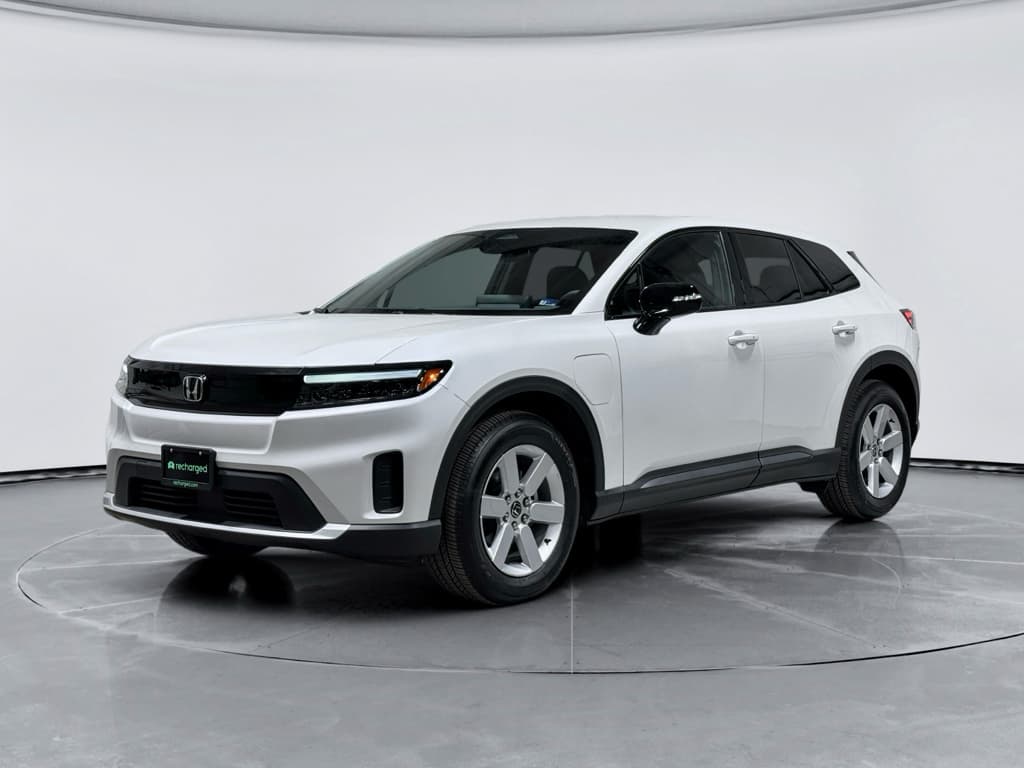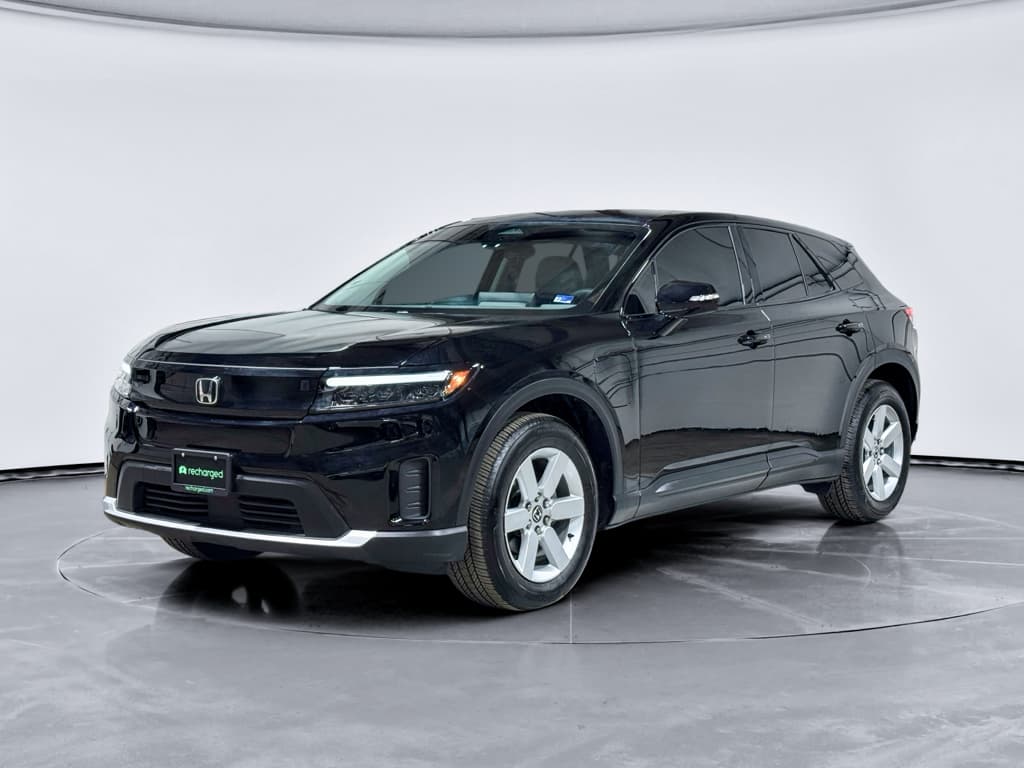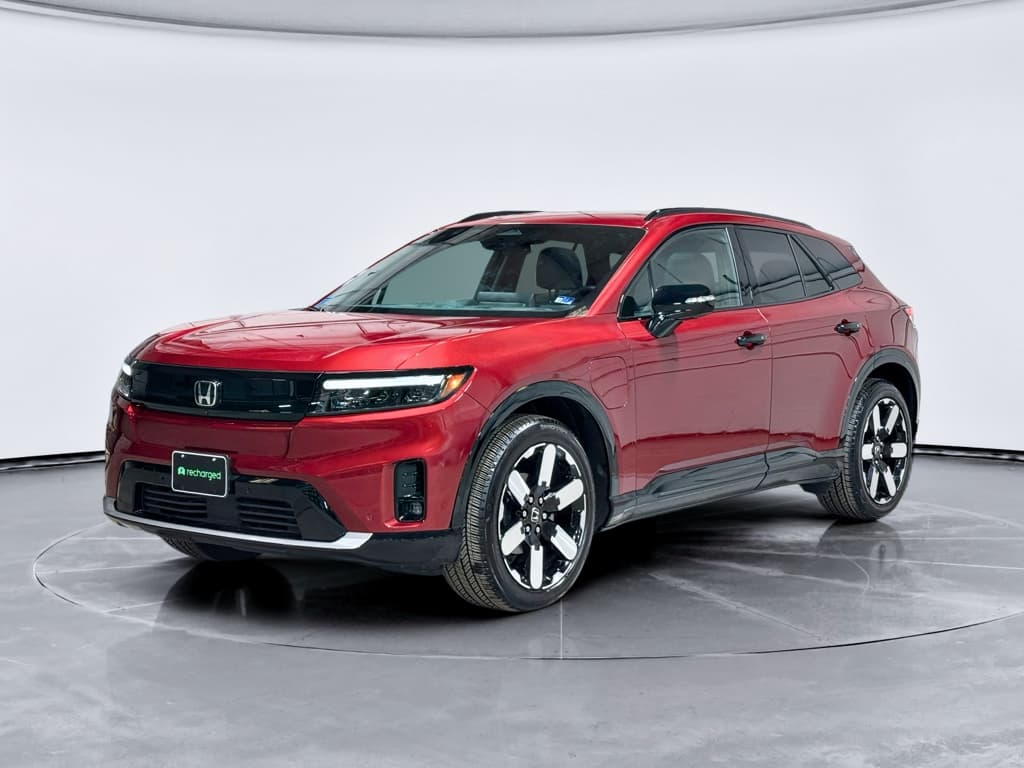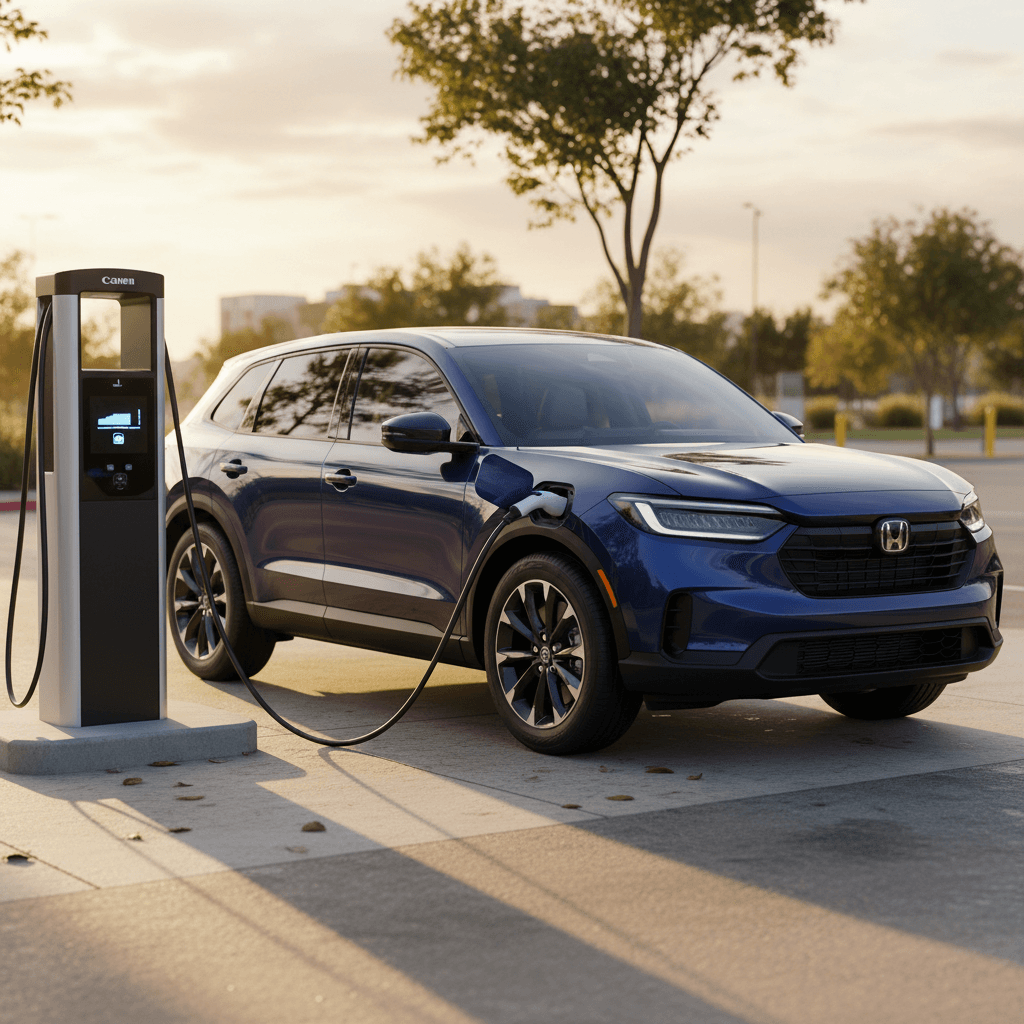
If you’ve been eyeing the all-electric 2025 Honda Prologue, you’re not alone. Honda’s first modern long-range EV SUV rides on GM’s Ultium platform, promises over 300 miles of range in some trims, and undercuts many rivals on price. This 2025 Honda Prologue buying guide walks you through trims, pricing, range, charging, incentives, and what to look for if you’re cross-shopping or considering a used Prologue down the road.
Quick context
Why the 2025 Honda Prologue matters
The Prologue is Honda’s first serious, nationwide entry into the EV market. Instead of building everything from scratch, Honda partnered with GM to use the Ultium battery and drive system, then wrapped it in clean, understated Honda styling and a familiar, user-friendly cabin. For buyers, that means you’re getting a brand-new Honda EV with a battery and charging system that’s already been on the road in other models.
Who the Prologue is best for
Match this EV SUV to your lifestyle before you shop
Gas SUV upgraders
Suburban commuters
First-time EV owners
2025 Honda Prologue at a glance
2025 Honda Prologue at a glance
Honda initially positioned the Prologue as a premium-leaning EV, but aggressive pricing and later cuts have made 2025 models genuinely competitive. The big picture: a single battery pack, two powertrain layouts (single‑motor front‑ or rear‑drive and dual‑motor AWD, depending on configuration), and three trims that layer on comfort and luxury features rather than radically changing the drivetrain.
Model-year nuance
Trims and pricing: EX vs Touring vs Elite
The 2025 Honda Prologue lineup is simple: EX, Touring, and Elite. All share the same basic Ultium hardware, 85‑kWh battery pack, and five-passenger layout. Where they differ is in driven wheels, standard features, and how close they creep to luxury territory.
2025 Honda Prologue trims at a glance
Approximate U.S. pricing and key differences. Exact MSRPs and incentives will vary by region and timing.
| Trim | Drivetrain | Targeted Range (mi)* | Key Features | Typical Price Position |
|---|---|---|---|---|
| EX | Single‑motor FWD or RWD, AWD optional | Up to ~308 | Cloth seats, Google built‑in, Honda Sensing, 19" wheels | Entry price; best value for most buyers |
| Touring | Single‑motor standard, AWD optional | Up to ~308 | Leather‑trimmed interior, Bose audio, larger wheels, more comforts | Sweet spot of features vs. cost |
| Elite | Dual‑motor AWD | ≈283 | Standard AWD, 21" wheels, ventilated front seats, more premium trim | Highest price, most equipment |
Use this as a starting point, then confirm current prices and offers in your zip code.
About pricing numbers
When the EX makes the most sense
- You care more about range and value than big wheels or luxury touches.
- You’re planning to install Level 2 home charging, so occasional slower public charging isn’t a deal-breaker.
- You like the idea of a simpler spec with fewer expensive bits to repair down the road.
When Touring or Elite is worth it
- You’ll spend lots of time on the highway and want quieter, more cushy seats and audio.
- You live in a snowbelt area and want standard AWD (Elite) or easy access to it (Touring).
- Ventilated seats, premium audio, and bigger wheels matter to your daily satisfaction.
Range, battery, and performance
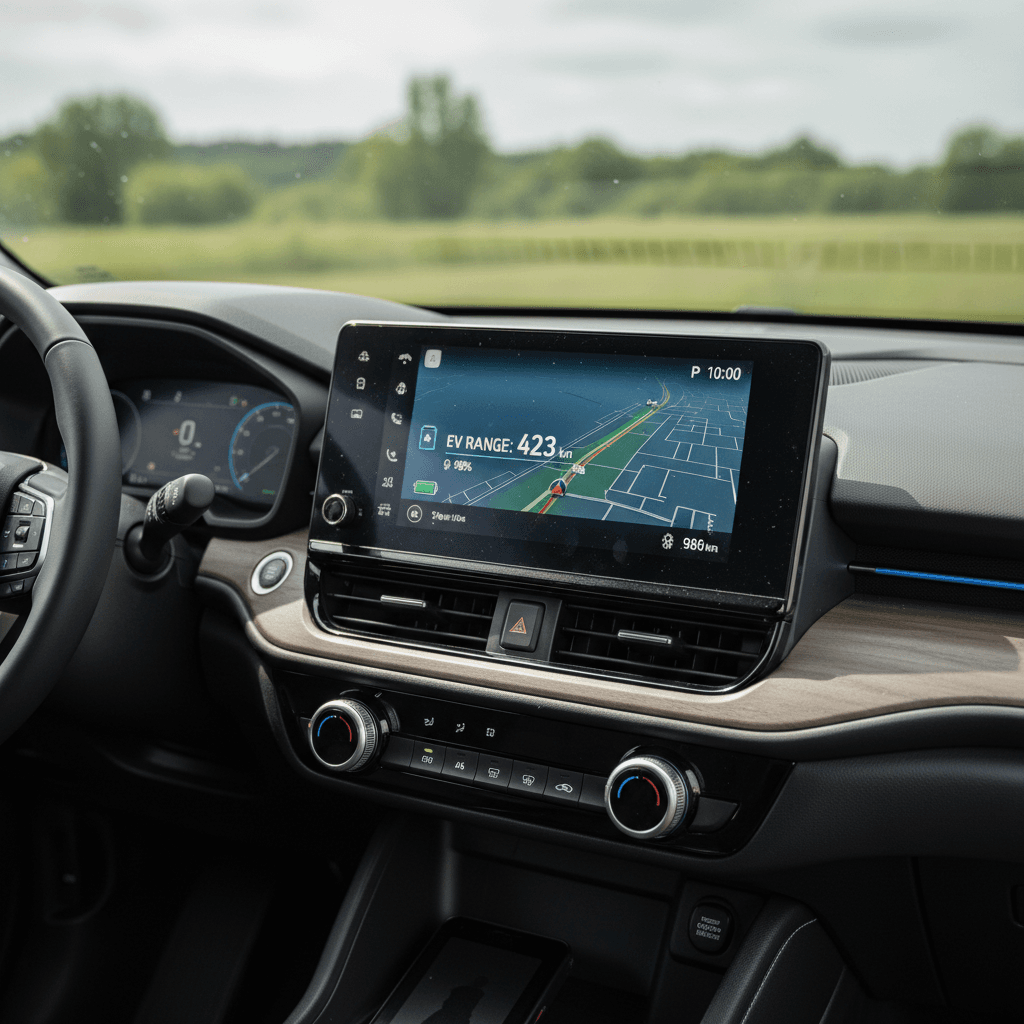
Under the floor of every 2025 Prologue is an 85‑kWh Ultium lithium‑ion pack. On paper, single‑motor versions edge past the 300‑mile mark in EPA estimates, while dual‑motor AWD models trade a bit of range for more grip and punch. Real‑world owner reports often fall slightly below the EPA stickers, especially in cold climates, so you’ll want a buffer.
- Single‑motor Prologue (EX & Touring): targeted around 308 miles of range in ideal conditions, with roughly 280–290 miles more realistic for mixed driving.
- Elite AWD: modestly lower ratings (around the high‑200s), thanks to heavier weight and 21‑inch wheels.
- Power: roughly 300 hp in mainstream trims, delivering brisk but not neck‑snapping acceleration.
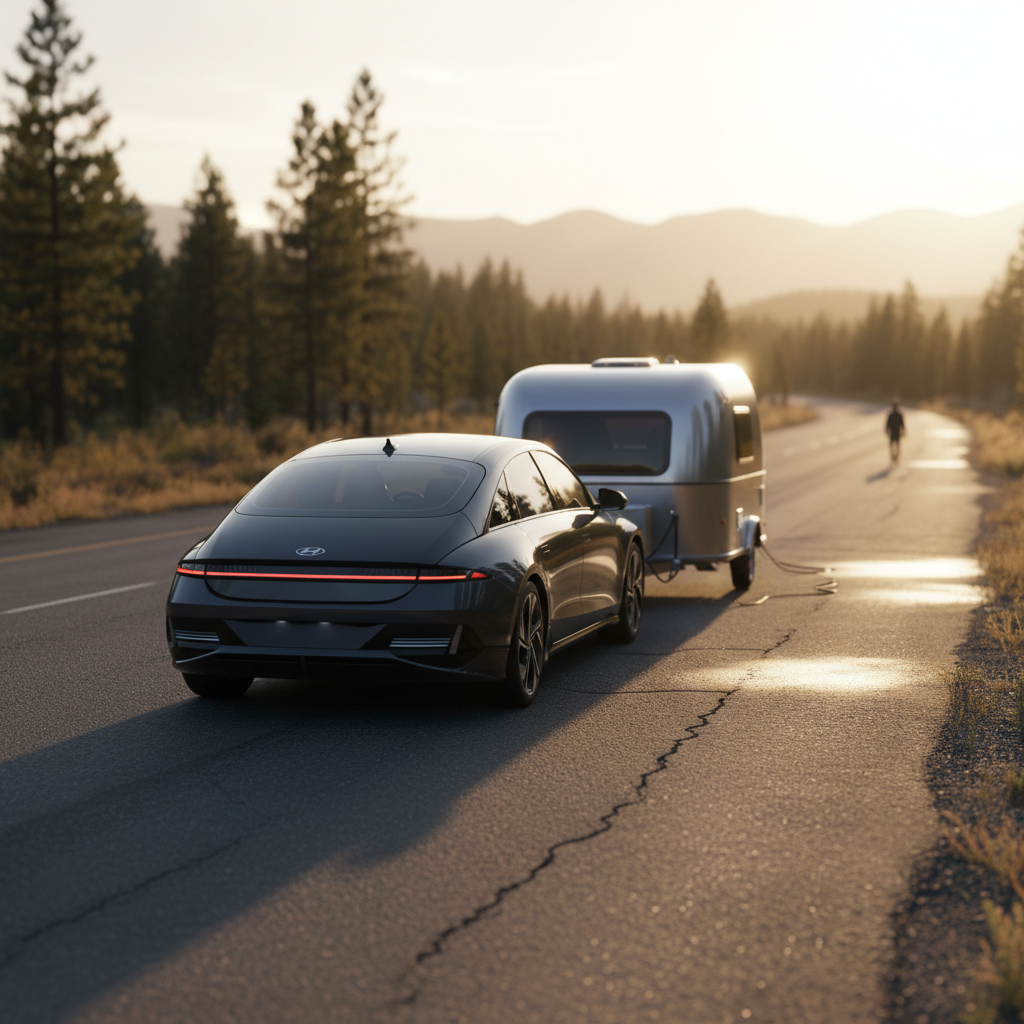
- Towing: light‑duty towing only (around 1,500 lbs). Enough for a small trailer or utility load, but not a heavy camper.
Range reality check
Charging: home setup and road-trip stops
Charging is the heart of any EV buying decision. The 2025 Prologue supports Level 1 and Level 2 AC charging at home, plus DC fast charging on the road. Because it shares GM’s Ultium tech, its DC speeds are competitive with other midsize EV SUVs, though not record‑breaking.
Your main charging options with the Prologue
Plan where electrons will really come from before you buy
Level 1 (120V)
Level 2 (240V)
DC fast charging
Don’t skip the home-charging plan
Home-charging checklist for Prologue buyers
Confirm your electrical panel capacity
Ask an electrician to confirm whether your home can support a 40–48A Level 2 charger without a major service upgrade. This affects both cost and timeline.
Decide on hardwired vs. plug-in
Hardwired wall units are cleaner and less theft‑prone; plug‑in units offer flexibility if you move. Either can work for a Prologue as long as amperage is sufficient.
Plan where the cable will reach
Measure the distance from the charger location to your Prologue’s charge port so you’re not stretching a cable across a walkway or under a garage door.
Check for utility rebates
Many utilities offer rebates on home chargers or lower overnight EV charging rates. That can shave hundreds off your setup costs in the first year.
Comfort, tech, and safety features
If you’ve driven a modern Honda, the Prologue will feel familiar in the best way. The cabin skews practical rather than flashy, with clear physical controls for key functions, big screens that don’t overwhelm you, and plenty of storage for family life.
Interior and tech highlights
What you’re paying for as you move up the trim ladder
Google built-in
Comfort and space
Honda Sensing safety
Everyday livability win
How the 2025 Prologue compares to rival EV SUVs
Shoppers considering a Prologue are usually also driving, or at least Googling, SUVs like the Hyundai Ioniq 5, Kia EV6, Volkswagen ID.4, Tesla Model Y, and its platform cousin, the Chevrolet Blazer EV. Each has its own personality, but a few standout comparisons can sharpen your choice.
2025 Honda Prologue vs key EV SUV rivals
High-level comparison. Always verify final specs and pricing for your specific build and region.
| Model | Size / Seating | Max Range (approx) | Charging Strengths | Notable Advantages |
|---|---|---|---|---|
| Honda Prologue | Midsize / 2 rows | ≈308 mi | Ultium DC fast charging ~150 kW | Familiar Honda ergonomics, standard safety, CarPlay/Android Auto, competitive value |
| Chevy Blazer EV | Midsize / 2 rows | ≈290–320 mi | Similar Ultium hardware | More aggressive styling, but less smartphone integration and more complex trim walk |
| Hyundai Ioniq 5 | Compact–midsize | ≈260–303 mi | Ultra‑fast 800V DC charging | Very fast charging, futuristic design, strong warranty |
| Tesla Model Y | Compact–midsize | ≈260–330 mi | Access to Tesla Superchargers | Huge charging network, slick software, strong efficiency, excellent OTA updates |
Prologue’s ace is the blend of Honda familiarity, Ultium underpinnings, and a competitive price for its size.
Who should pick Prologue over rivals?
Ownership costs, incentives, and resale outlook
Total cost of ownership is where EVs like the Prologue can shine. Electricity is usually cheaper per mile than gasoline, there’s less scheduled maintenance, and federal or state incentives can make the initial hit easier to swallow, though eligibility rules have become more complex under the Inflation Reduction Act (IRA).
- Electricity vs. gas: Even in higher‑cost electricity markets, many Prologue owners report their monthly “fuel” cost landing below what they paid at the pump in a comparable CR‑V or RAV4, especially if they charge mostly at home on off‑peak rates.
- Maintenance: No oil changes, timing belts, or exhaust systems. You’ll still budget for tires, brake fluid, cabin filters, and the occasional alignment.
- Tax credits: Because the Prologue uses a GM‑built Ultium pack, federal tax‑credit eligibility can hinge on battery sourcing rules and whether the vehicle is leased vs. purchased outright. Leasing often lets the finance company capture the commercial credit and pass savings to you in the form of lower payments.
- Insurance: As with most new EVs, premiums can be higher than for a similar gas SUV. Shop quotes before you commit to a final price or monthly payment.
Tax-credit fine print
Buying a used or CPO Honda Prologue
Because the Prologue launched for the 2024 model year, the used market is just starting to form, and that’s where a lot of value will be. Early‑build 2024s and 2025s coming off short leases or trade‑ins can offer thousands in savings versus new while still carrying plenty of battery warranty coverage.
Why a used Prologue can be smart
- First‑year depreciation on new EVs is often steep, and Prologue is no exception.
- Honda’s EV component and battery warranties are measured in years and miles, so you may still have long coverage ahead of you on a 1–3‑year‑old example.
- You can see real‑world range and charging behavior from the prior owner instead of relying solely on EPA stickers.
Why new might still win
- Freshest software and hardware updates, especially as Honda and GM refine the Ultium platform.
- Potential access to current incentives that early used buyers can’t stack.
- You get to pick your exact color and trim rather than hunting the used market.
When you’re looking at a used Prologue through a marketplace like Recharged, you also get transparency that’s rare at a traditional dealership. Every EV on Recharged includes a Recharged Score battery health report, independent pricing analysis, and EV‑specialist guidance so you understand not just how the vehicle looks, but how its pack has aged.
Checklist: what to check before you sign
2025 Honda Prologue pre‑purchase checklist
1. Confirm range and charging history
Ask the seller for recent full‑charge range estimates, typical charging habits (home vs. DC fast charging), and any charging issues. Consistent heavy DC fast charging can age a pack faster.
2. Inspect tires and wheels
Bigger 21‑inch wheels on the Elite look great but raise tire replacement costs and can ding ride comfort and efficiency. Check for uneven wear that might hint at alignment issues.
3. Test every driver-assist feature
On the test drive, verify adaptive cruise, lane‑keeping assist, blind‑spot monitoring, parking sensors, and cameras all work smoothly. Calibration glitches can be fixed, but you want to know before you buy.
4. Check for software and recall updates
Ask for a service printout or Carfax‑style report to confirm the Prologue has had all recommended software updates and recall work. Early Ultium vehicles across multiple brands have seen updates; you want them done.
5. Look at charging-port condition
Open the charge door, inspect the port for damage, corrosion, or bent pins, and plug into a Level 2 charger during your visit if possible to confirm consistent charging behavior.
6. Review warranty transfer details
Clarify which portions of Honda’s EV and battery warranties transfer to you, and get that in writing. This matters for long‑term peace of mind.
FAQ: 2025 Honda Prologue buying guide
Frequently asked questions about the 2025 Honda Prologue
Is the 2025 Honda Prologue right for you?
If you want a midsize EV SUV that feels like the logical next step from a CR‑V or RAV4, the 2025 Honda Prologue deserves a spot high on your list. It won’t win every spec‑sheet battle, but it balances range, comfort, and price with Honda’s everyday friendliness and the Ultium platform’s charging competence. The EX is the sweet spot for value, Touring is ideal if you want more comfort without going overboard, and Elite is there for buyers who want every bell and whistle.
Before you make a decision, get honest about your daily miles, home‑charging options, and how often you really road‑trip. Then shop actual vehicles, new or used, and compare real numbers. On Recharged, every used EV comes with a Recharged Score battery‑health report, fair‑market pricing, and EV‑specialist guidance to help you find a Prologue, or another EV, that fits your life today and for years to come.