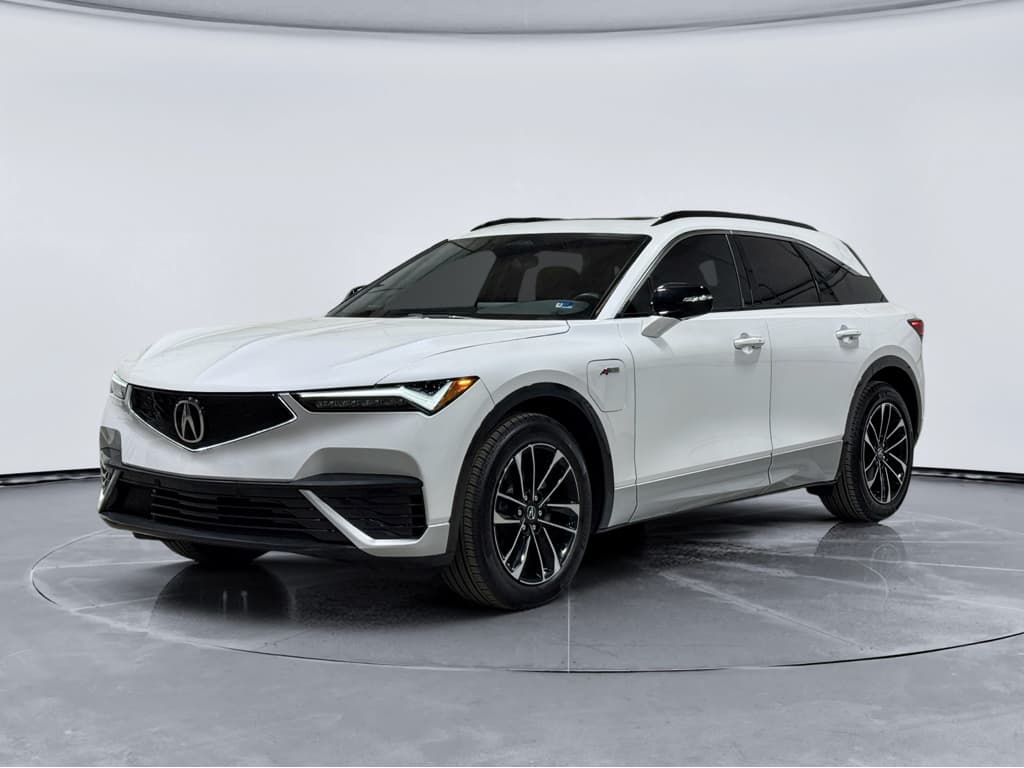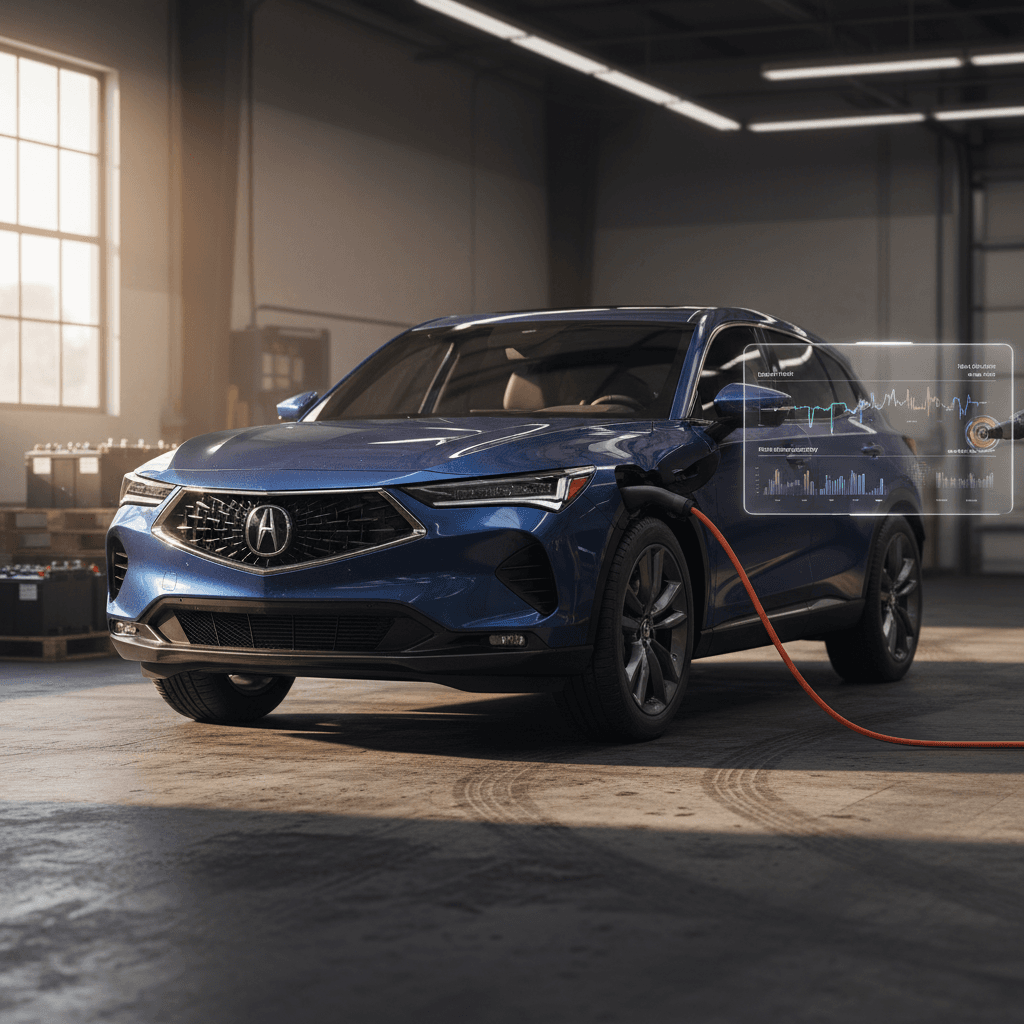
If you’re eyeing a **2025 Acura ZDX** on the used market, you’re in a curious spot. Acura’s first modern EV arrived with handsome styling, strong performance, and GM’s Ultium platform underneath, then was effectively *done* almost as quickly as it launched. That naturally raises the question: **how reliable is the 2025 Acura ZDX really, and is it a smart used EV buy?**
Model years vs. calendar years
Overview: 2025 Acura ZDX Reliability in Context
There’s not yet a decade of hard data on the ZDX, but several important reliability themes have already emerged from owners, testers, and its shared **GM Ultium** architecture (Cadillac Lyriq, Chevy Blazer EV, Honda Prologue):
- Excellent ride comfort and strong performance have not been major sources of complaints.
- Most problems so far are **software, electronics, and driver-assist quirks**, not motors or battery packs self-destructing overnight.
- A small but worrying number of **HVAC/heat pump failures and braking-system warnings** have been reported.
- Being **discontinued after a short run** will affect parts supply and resale perception, but not necessarily day-to-day reliability.
- Long, EV-typical battery and powertrain warranties help offset some of the risk, especially for second owners.
Early Acura ZDX Reliability Snapshot (2024–2025 builds)
Shared Ultium Platform: What That Means for Reliability
Under the sharply tailored Acura bodywork, the ZDX rides on GM’s **Ultium** platform. It shares core battery, motor, and electronics architecture with the **Cadillac Lyriq, Chevy Blazer EV, and Honda Prologue**. That’s good news and bad news.
Ultium Upsides
- Proven hardware: By the time the ZDX appeared, GM had already launched other Ultium models, so Acura wasn’t beta‑testing brand-new hardware on you.
- Competitive range and charging: Real‑world range around 300 miles for select trims and solid DC fast‑charging speeds put it in the pack with other midsize luxury EVs.
- Smooth, quiet powertrain: Owners consistently praise refinement, power, and ride comfort more than they complain about mechanical issues.
Ultium Downsides
- Shared problems: When the Lyriq or Blazer EV has a software or thermal‑management issue, the ZDX is often exposed to the same bug.
- Complex electronics: Integrated drive units, high‑voltage junction boxes, and multiplexed ECUs mean repairs can be expensive once out of warranty.
- Recall risk: Any systemic Ultium defect wouldn’t be an Acura‑only problem, it would hit across brands, but you’d still be stuck at the service bay.
How to use the Ultium connection
Early Owner Reports: Common 2024–2025 ZDX Issues
Because the ZDX is rare and relatively new, you don’t see thousands of complaints. Instead you see a thinner but more vivid pattern: a handful of **serious, disruptive issues**, plus assorted software annoyances. Think less “constant nickel‑and‑dime repairs,” more “it’s great until the one big thing goes wrong.”
Software & Infotainment Gremlins
You’d expect Acura’s first modern EV to have some software drama, and it obliged. Owners have reported:
- Randomly blank or rebooting center screens and digital gauge clusters.
- Infotainment update procedures that can **brick the head unit**, taking Bluetooth, navigation, and some hands‑free safety features with it.
- Finicky app integration: Acura’s EV app failing to sync, problems creating PINs, delay or failure to apply public‑charging credits, and remote climate/lock commands that work only part of the time.
When an update makes things worse
HVAC, Heat Pump & Thermal System Concerns
Several early complaints involve the **heat pump–based HVAC system**, especially in colder climates. Symptoms include:
- No cabin heat in sub‑freezing temperatures.
- HVAC compressors vibrating so hard that the whole vehicle shudders.
- Extended downtime while Acura and the dealer try to source parts or reproduce the fault.
Why this matters more on an EV
Driver-Assist & Braking System Behavior
The ZDX ships with AcuraWatch 360‑style driver‑assist tech: adaptive cruise control, lane centering, automatic emergency braking, and aggressive rear automatic braking. That last system, plus related brake‑by‑wire logic, shows up repeatedly in complaints:
- Automatic rear braking engaging violently in reverse when there’s **no visible obstacle**.
- Parking brake engaging or refusing to release, leaving the vehicle immobile for several attempts.
- Warning clusters like “Service Brake Assist” and “One‑Pedal Driving Unavailable” popping up together, which also knock out adaptive cruise and the more advanced assist features.
- Odd clicking or electric noises from brake actuation at low speeds.
Annoying vs. unsafe
Charging Hardware & Public-Charging Experience
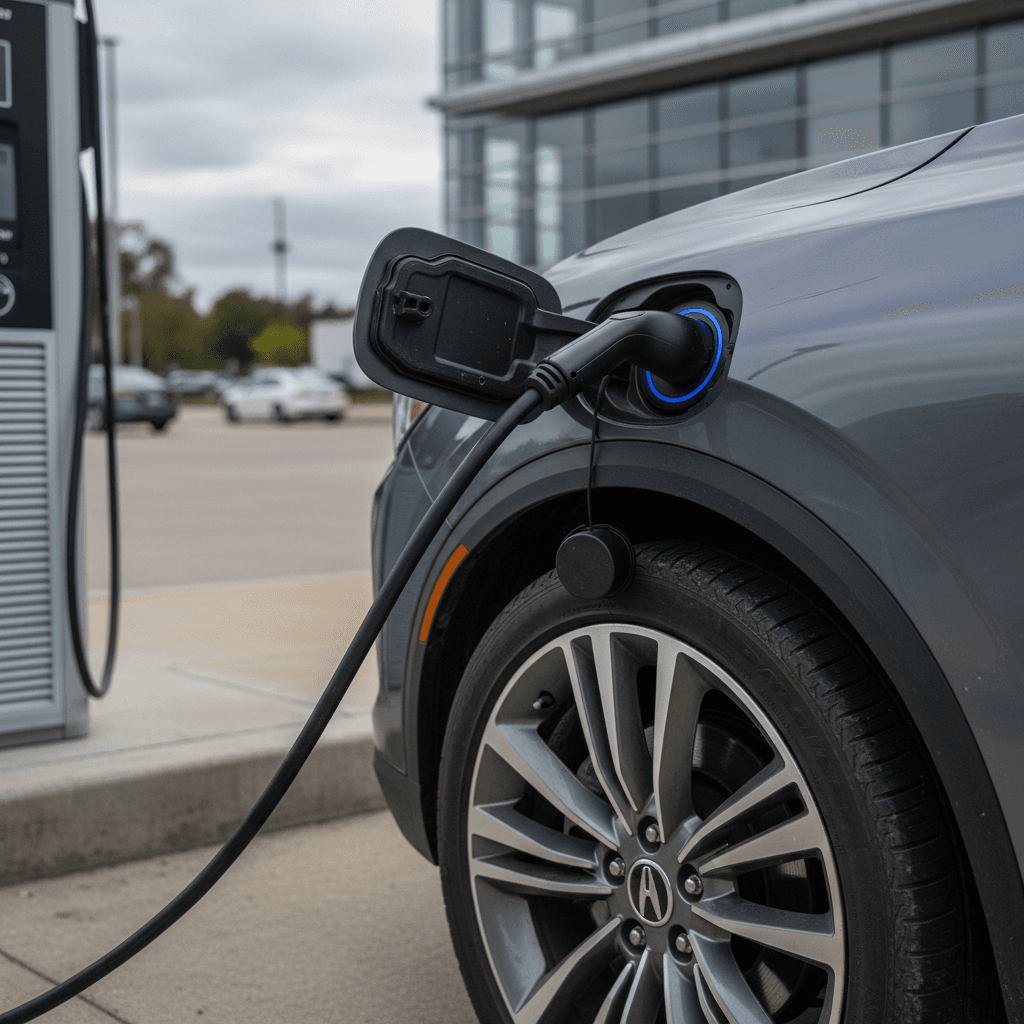
On paper, the ZDX’s charging story is strong: fast DC rates, decent range, and home‑charging support through Acura’s partner installers. In practice, early reliability has been a mix of **hardware hiccups and program frustrations**.
How Reliable Is Charging on the ZDX?
Most owners charge without drama, but failures are disruptive when they do happen.
The good news
- Once sorted, many owners report smooth daily home charging, especially with Level 2 setups.
- On Ultium‑compatible DC fast chargers, speeds are competitive for the class, especially for road‑trip top‑ups from 10–60%.
- Motor, inverter, and primary battery hardware have not been the main focus of early reliability horror stories.
The caveats
- Isolated but serious **defective charge‑port** cases where the car wouldn’t accept a charge at all, requiring weeks at the dealer.
- Acura’s preferred home‑install partner sometimes quoting high prices or being slow/unresponsive.
- Temporary shortages or discontinuation of bundled home chargers, pushing owners to portable alternatives, with some early failures reported there, too.
Used‑buyer homework on charging
Battery Life, Warranty & Expected Degradation
We don’t yet have long‑term, high‑mileage battery‑health data for the ZDX, nobody’s racked up 150,000 miles in normal use and reported back. But we can triangulate from Ultium siblings and Acura’s warranty policy.
Acura ZDX EV Coverage at a Glance
Always verify exact terms for the specific VIN and model year, but this is the general pattern for ZDX coverage.
| Component | Typical Coverage | What It Means for You |
|---|---|---|
| High‑voltage battery | 8–10 years / ~100k–150k miles | Protection against defects and excessive capacity loss; many packs will see modest degradation in normal use. |
| Electric drive motors & power electronics | 5–6 years / ~60k–70k miles | Covers major EV drivetrain pieces beyond the battery itself. |
| Basic bumper‑to‑bumper | 3–4 years / ~36k–50k miles | Electronics, interior, and most convenience features live here, important given the ZDX’s software load. |
| Corrosion & structural | 5+ years | Standard protection against rust‑through and structural failures. |
Warranty lengths are approximate U.S. figures and may vary slightly by year or region.
Ultium chemistry is designed for **low degradation**, and so far there’s no drumbeat of ZDX packs dying early. The bigger real‑world risk today isn’t the battery losing 30% of its range; it’s some **related thermal or charging component** failing and taking the car out of service for weeks while the right part is located.
Where the ZDX looks solid long‑term
Acura ZDX vs. Honda Prologue: Reliability Twins?
The **Honda Prologue** is, mechanically, a close cousin of the Acura ZDX. Same Ultium bones, different badge and tuning. If you’re shopping between them, it’s fair to ask whether one will age better.
Where they’re similar
- Same basic Ultium battery modules, motors, and high‑voltage layout.
- Similar DC fast‑charging capabilities and real‑world range.
- Subject to broadly the same software and thermal‑management quirks.
Where the ZDX is different
- More **premium interior** and a sportier image, but more complexity (features to fail).
- Smaller sales volume and shorter production run, which may weaken **aftermarket support** and resale confidence.
- Acura‑specific driver‑assist packaging and trim content that can change how often those systems get used, and noticed when they misbehave.
Reliability pick between the two?
Discontinuation: Does It Hurt Long-Term Ownership?
By late 2025 Honda announced it would **end production of the Acura ZDX** and re‑focus its Acura EV push on a future model. That doesn’t turn every existing ZDX into a pumpkin, but it does change the terms of ownership:
How Ending ZDX Production Affects Reliability & Ownership
The car didn’t suddenly become unreliable, but its ecosystem shrank.
Parts & service
- Core Ultium parts are shared with higher‑volume GM models, which helps.
- Acura‑specific body, trim, and interior bits may be slower or pricier to source later.
- Dealer familiarity will vary; some stores saw only a trickle of ZDXs.
Resale & perception
- Discontinued EVs typically **depreciate faster**, which is bad for sellers but interesting for value‑oriented used buyers.
- Shoppers may overestimate mechanical risk because the nameplate ended early.
Warranty & support
- Honda/Acura are still legally bound to honor existing warranties.
- Software support and campaign activity should continue for years, though the cadence may slow as focus shifts to newer models.
How to make discontinuation work in your favor
What to Check If You’re Buying a Used Acura ZDX
A discontinued, first‑generation luxury EV on a shared platform is not the place to roll the dice blindly. You want documentation, diagnostics, and time behind the wheel. Here’s a focused checklist to evaluate **2025 Acura ZDX reliability** before you sign anything.
Pre‑Purchase Reliability Checklist for a Used ZDX
1. Scan for software recalls & TSBs
Ask the seller for a **printout of completed recalls and technical service bulletins**. Look especially for infotainment updates, HVAC fixes, and brake/driver‑assist software patches.
2. Test the HVAC in real conditions
From cold start, run heat and AC in multiple modes. Listen for **excessive vibration** from the compressor and verify strong, consistent cabin heat if you live in a cold climate.
3. Stress‑test the charging hardware
If possible, try **both Level 2 and a DC fast‑charge** session. Confirm the car initiates charging quickly, maintains connection, and that no error messages appear.
4. Exercise driver‑assist & braking systems
In a quiet lot, test reverse with rear braking active, then with it reduced or disabled if the car allows. On the road, verify adaptive cruise and lane‑keeping work without random shut‑offs or warning cascades.
5. Inspect for water intrusion & panel alignment
Check seals around the **charge port door, liftgate, and panoramic roof**. Any signs of water streaking, irregular condensation, or misaligned panels can foreshadow leak‑related electronics issues.
6. Get a battery‑health report, not just a range guess
Ask for a **formal battery‑health assessment**. At Recharged, every vehicle includes a <strong>Recharged Score</strong> with verified battery state‑of‑health, so you’re not guessing based on an optimistic range estimate in mild weather.
Don’t skip a specialized EV inspection
Who the ZDX Does, and Doesn’t, Suit
Reliability isn’t just about defect counts; it’s about **how you use the car**. The 2025 Acura ZDX can be a great fit for some drivers and a frustrating science project for others.
Is the Acura ZDX a Good Reliability Bet for You?
Match the car’s personality to your risk tolerance.
Likely a good fit if…
- You primarily **charge at home** and drive predictable daily routes.
- You value a quiet, refined ride and can live with the occasional software quirk.
- You’re buying under warranty, ideally **CPO or dealer‑supported**, with clear service history.
- You’re comfortable trading some brand‑newness for **strong value pricing** on a discontinued luxury EV.
Probably not your car if…
- You live in an area with limited Acura EV experience and sparse Ultium‑platform support.
- You’re sensitive to driver‑assist oddities or can’t afford **any** extended downtime.
- You plan to keep the car 10+ years with minimal warranty coverage and don’t want a relatively rare, complex EV as your only vehicle.
FAQ: 2025 Acura ZDX Reliability Questions
Frequently Asked Questions About Acura ZDX Reliability
Bottom Line: Should You Worry About ZDX Reliability?
The **2025 Acura ZDX** is not a hopeless problem child, but it is a **first‑wave luxury EV** on a shared platform, and it behaves exactly like one: excellent to drive, calm and composed on the highway, with most of its sins committed in software, thermal management, and brake logic rather than in pistons and rods that no longer exist.
If you approach it as a **specialized tool**, bought at the right price, with a deep inspection, clear service history, and plenty of warranty runway, the ZDX can be a compelling, relatively rare electric SUV. If you just want something you never have to think about beyond tire rotations, you may be happier in a simpler, higher‑volume EV with more years of data behind it.
At Recharged, we try to remove the guesswork from situations exactly like this. Every used EV we sell, including models built on Ultium, comes with a **Recharged Score Report** that quantifies battery health, flags potential reliability risks, and benchmarks fair market pricing. If you’re considering a ZDX or one of its Ultium cousins, that kind of transparency is the difference between a calculated risk and a blind leap.