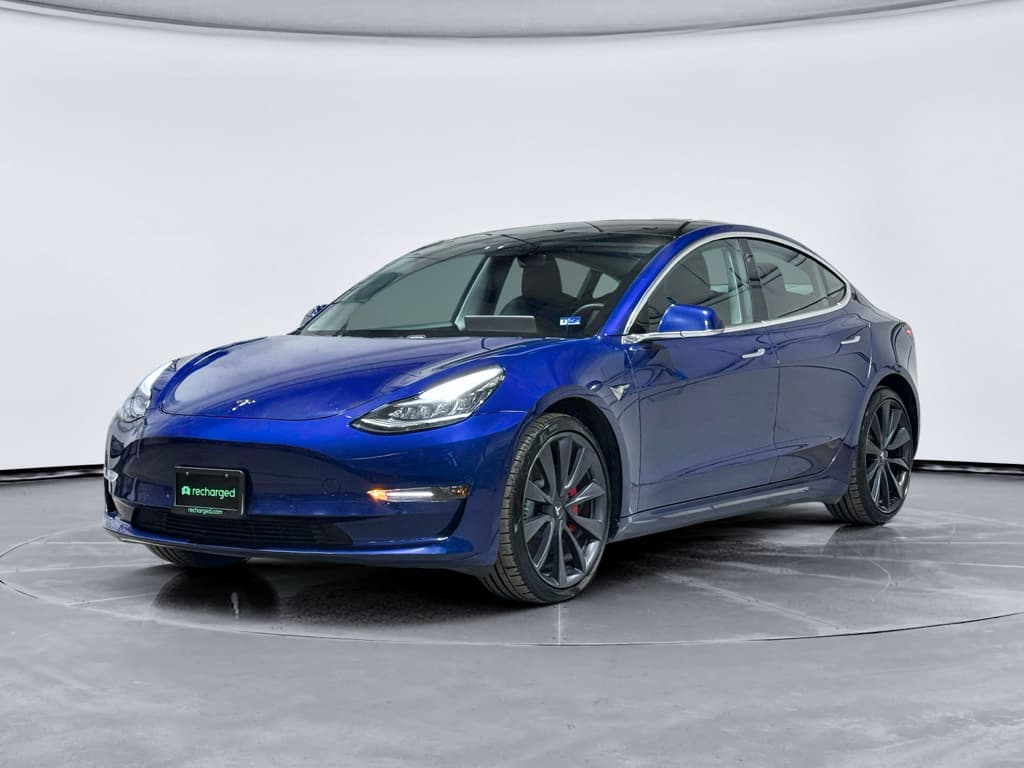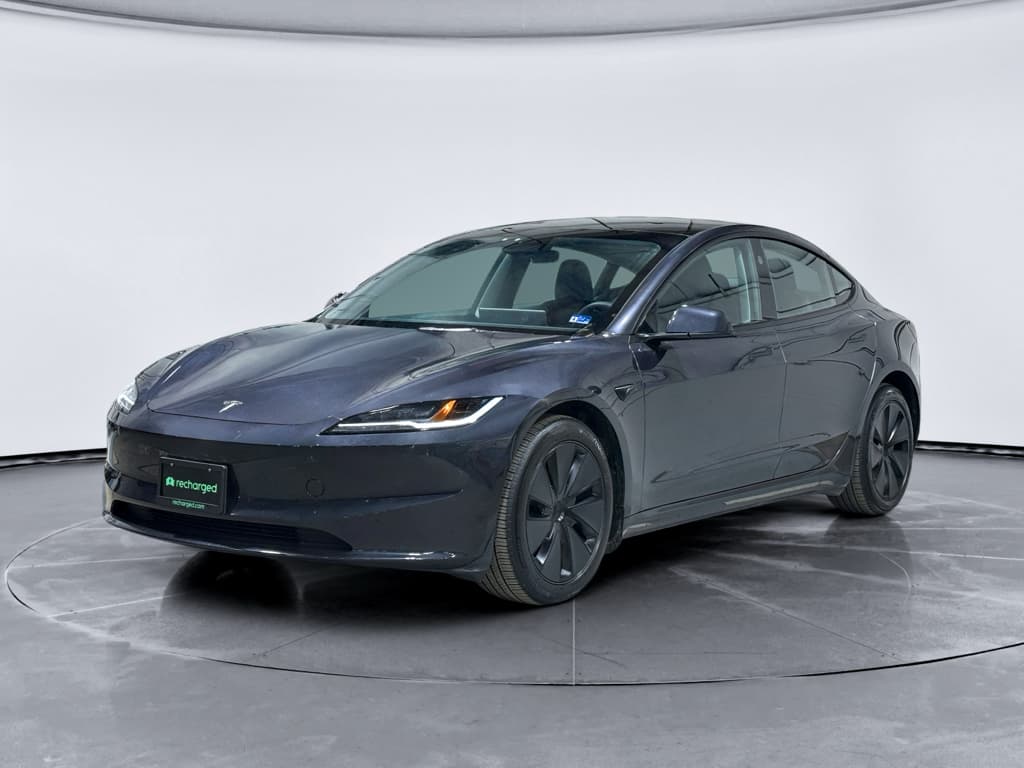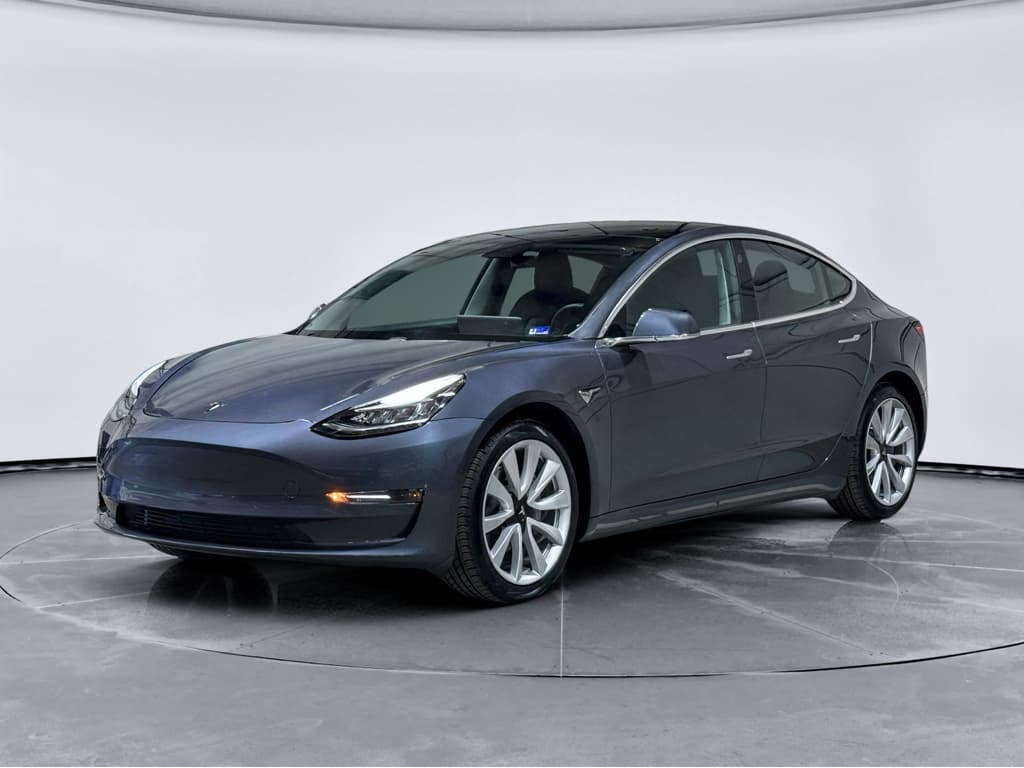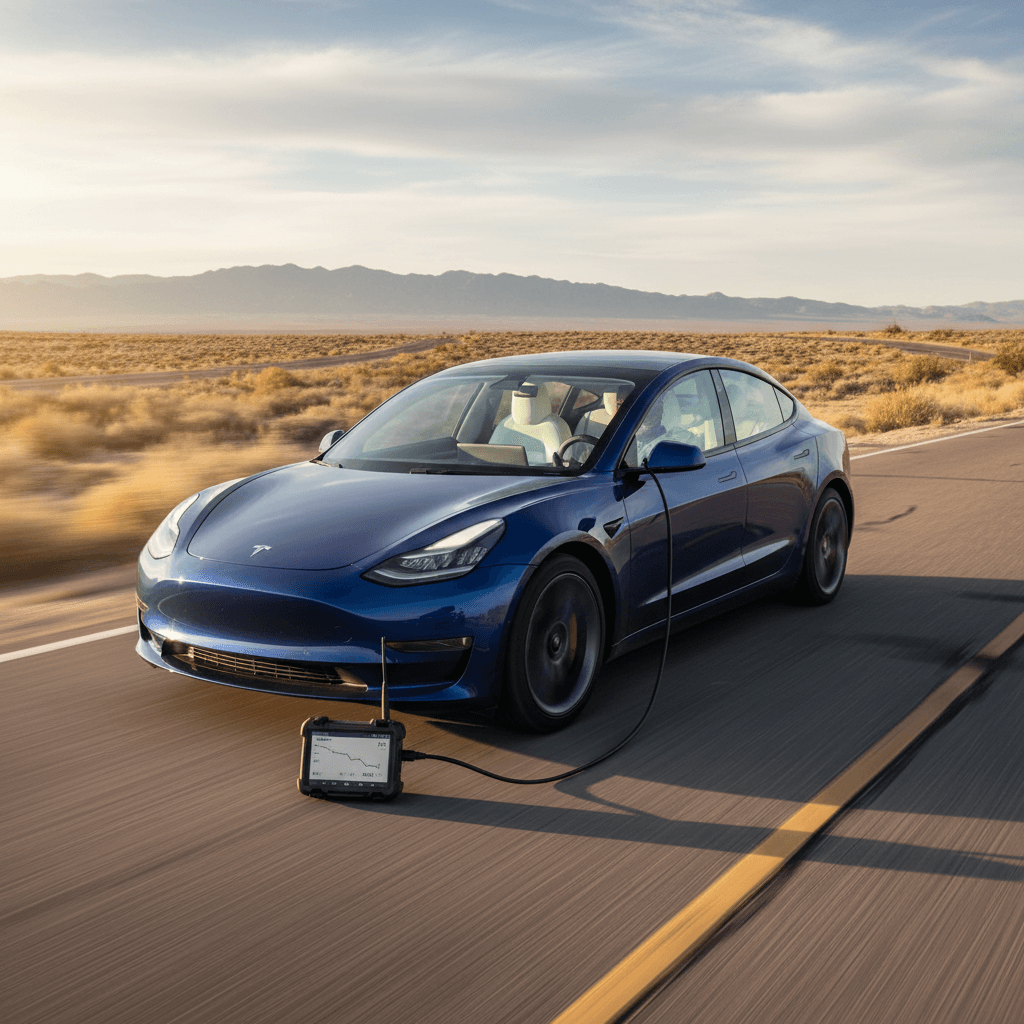
If you’re looking at a **2024 Tesla Model 3 range test**, you’re asking the right question. Tesla’s official numbers look great on paper, but what you really care about is how far the refreshed “Highland” Model 3 will go in the **real world**, on your commute, on the highway, or on a winter road trip, and what that means if you’re shopping used.
Quick Take
Why the 2024 Tesla Model 3 Range Test Matters
Range has always been the Model 3’s calling card. The 2024 refresh didn’t just tweak styling; it also refined aerodynamics, ride comfort, and noise isolation, which all feed into **long‑distance usability**. At the same time, most buyers are now looking at **lightly‑used 2024 cars** rather than ordering new, so you’re trying to decode two things at once: how far the car goes today and what that range will look like a few years down the road.
Independent tests show the new Long Range version can still match or exceed many competitors, but conditions, speed, temperature, wind, elevation, and how you drive, can move your actual range by **30% or more** either way. Understanding those swings is crucial whether you’re comparing it to other EVs or deciding between **RWD vs. Long Range** Model 3s.
Used‑EV Insight
2024 Tesla Model 3 Variants & Official Range Ratings
Before diving into real‑world tests, it helps to anchor on the **official ratings**. EPA and WLTP numbers are produced under standardized conditions, so they’re best treated as a **maximum under ideal circumstances**, not a promise.
2024 Tesla Model 3 (Highland) – Key Range Specs
Approximate manufacturer and test‑lab figures for the refreshed 2024 Model 3 sold in North America and Europe. Exact numbers vary slightly by wheel size and market.
| Variant | Battery type | Official range rating* | Typical usable battery (kWh) | Drive type |
|---|---|---|---|---|
| RWD (LFP) | Lithium iron phosphate (LFP) | WLTP ~319 mi; mixed real‑world ~260–270 mi | ~60 kWh | RWD |
| Long Range AWD | Nickel‑based pack (NCA/NCM) | EPA ~340+ mi; mixed real‑world ~320–340 mi | ~75–80 kWh | AWD |
| Performance (late 2024/2025) | Nickel‑based performance pack | EPA typically slightly lower than LR (high 200s–low 300s) | ~75–80 kWh | AWD |
Use these figures as a baseline; your real‑world range will often be lower at U.S. highway speeds or in cold weather.
About the Numbers
Headline Range & Efficiency Numbers
Real‑World Range Tests: What the Numbers Show
Independent testers have already put the 2024 Model 3 through the wringer, and the story is familiar: the car is **extremely efficient**, but your result depends heavily on conditions and how close you stick to test‑cycle assumptions.
Real‑World 2024 Model 3 Range Results
How the refreshed “Highland” performs outside the lab
Edmunds EV Range Test
2024 Model 3 Long Range AWD went through Edmunds’ standardized EV Range Test and achieved about 338 miles on a full charge, just a hair below their pre‑refresh 2023 car.
That’s close enough to call it a wash and confirms that the refresh didn’t harm long‑distance capability.
European Mixed‑Driving Tests
European outlets have logged roughly 430 km (267 mi) mixed real‑world range for the 2024 RWD LFP car, compared with a 513 km (319 mi) WLTP rating.
That’s a classic pattern: real‑world results at about 80–85% of the lab figure.
Efficiency Over Time
Owner data from early‑build Highland cars often shows lifetime consumption in the 120–130 Wh/km range (about 20–21 kWh/100 mi) with mixed driving.
Driven gently on slower routes, some owners have reported 5+ mi/kWh, or well over 300 real‑world miles from the smaller RWD pack.
Put simply, in moderate weather and mixed driving, a **carefully driven 2024 Model 3 Long Range** can flirt with its EPA number, while the RWD comes close to its WLTP rating. As you’ll see, though, sustained high‑speed driving will pull those numbers down quickly.
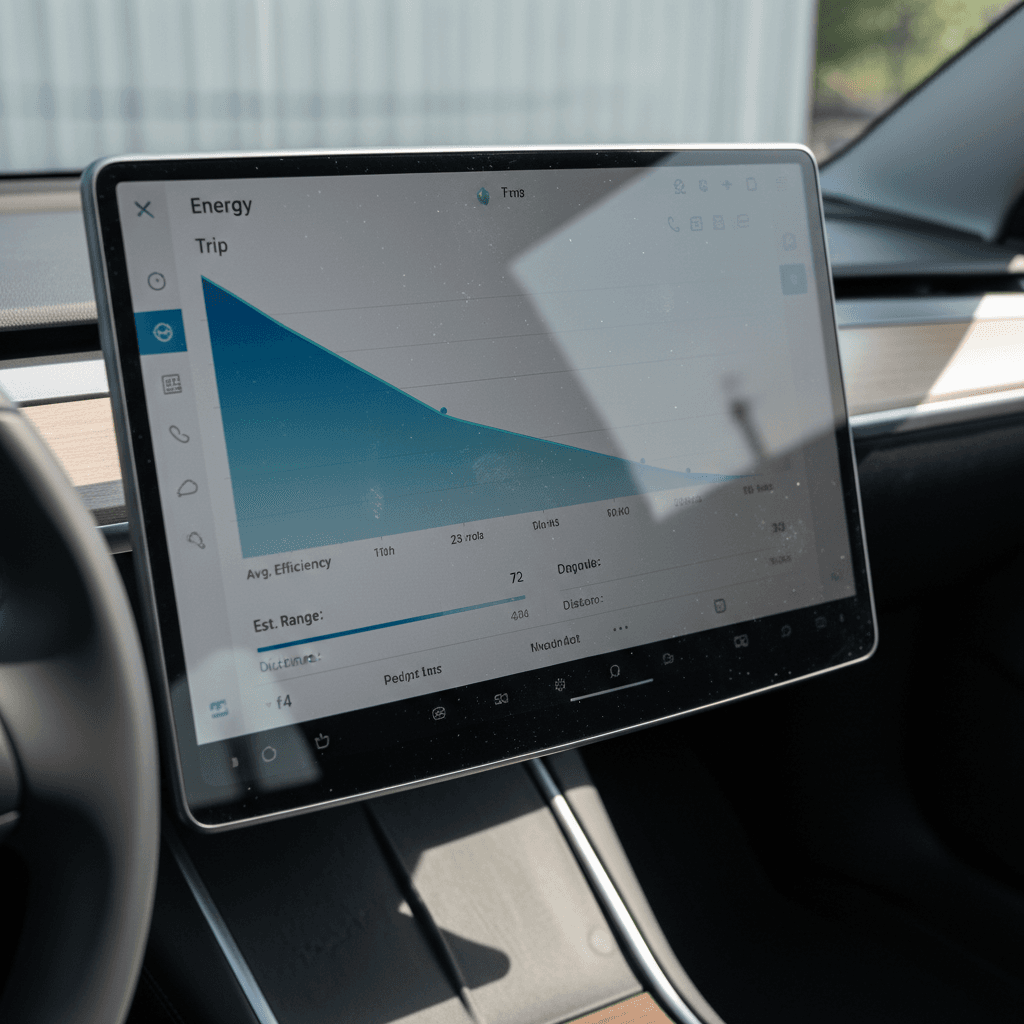
Highway vs City: How Driving Patterns Shift Your Range
Many shoppers assume highway driving is “easy” on an EV. With the 2024 Model 3, the opposite is often true. The car is so aerodynamic and efficient that **aerodynamic drag at 70–80 mph** becomes the main enemy of range.
City & Suburban Driving
- Lower speeds mean much less aero drag, so efficiency improves.
- Regenerative braking recovers energy when you slow for traffic lights and stop‑and‑go traffic.
- With gentle driving and 30–45 mph averages, drivers often see 4–5+ mi/kWh in the 2024 RWD and Long Range models.
Result: Real‑world range can come surprisingly close to EPA or WLTP on urban‑heavy routes.
Highway Driving
- At 70–80 mph, aerodynamic drag skyrockets, every extra 5 mph costs you range.
- The car spends most of its time at steady load, so there’s less opportunity for regen.
- On typical U.S. interstates at 70–75 mph, it’s common to see range fall to about 70–80% of the EPA figure, especially with winter temps or headwinds.
Result: Expect roughly 270–300 mi from a 2024 Long Range and around 220–250 mi from a 2024 RWD at real‑world freeway speeds in good weather.
Plan by Legs, Not by Sticker
Weather, Speed, and Other Factors That Shrink Range
If you’ve spent time on EV forums, you’ve seen the complaints: “My car never hits its rated range.” Most of the time, the car is fine, the **conditions** aren’t. The 2024 Model 3 is no exception.
- Speed: The single biggest dial you can turn. Going from 65 mph to 80 mph can easily cost you 15–25% of your usable range.
- Temperature: Cold weather hurts twice, battery chemistry is less efficient, and you’re running the cabin heater. Sub‑freezing highway trips can knock another **20–30%** off your effective range if you’re not preconditioning.
- Wind and elevation: Strong headwinds or long climbs quietly drain the battery. Tailwinds and downhill stretches do the opposite.
- Wheel and tire choices: Larger wheels and stickier performance tires look great but usually trim range versus the aero‑optimized base setup.
- HVAC use: Full‑blast climate control, especially heat, pulls a steady stream of energy. Seat and wheel heaters are far more efficient than cranking cabin temperature.
Winter Range Reality Check
Range & Battery Health on Used Tesla Model 3s
Range isn’t just about today’s conditions; it’s also about **battery health over time**, which matters a lot if you’re considering a used 2024 Model 3 in the next few years. The good news is that Model 3 packs have shown **impressively low degradation** in large owner datasets.
How Model 3 Batteries Age
What the data says about degradation and chemistry
Typical Degradation
Aggregated owner data from tens of thousands of cars suggests Model 3 packs lose roughly 7–10% of capacity over the first 100,000 miles, often flattening out after the early years.
LFP vs Nickel Packs
Rear‑wheel‑drive 2024 cars use LFP batteries, which tolerate daily 100% charging well and have proven very stable. Long Range and Performance use nickel‑based chemistries with slightly higher energy density but more sensitivity to repeated 100% fast charges.
Climate Matters
Cars living their lives in extreme heat or cold tend to lose capacity faster. A coastal California car with 80,000 miles can have noticeably more remaining range than an otherwise identical car from Phoenix.
Where Recharged Helps
Ready to find your next EV?
Browse VehiclesAs you shop used 2024 Model 3s, don’t panic if the car no longer shows the exact original EPA number at 100%. A modest reduction is normal. What you want to avoid are **outliers**, cars showing unusually low projected range for their age and mileage, or cars with erratic charging behavior and error codes.
How to Run Your Own 2024 Model 3 Range Test Safely
You don’t need a test track or a YouTube channel to do a meaningful **2024 Tesla Model 3 range test**. With a little preparation, you can get a very clear picture of how your specific car performs in your conditions, without stranding yourself.
Step‑by‑Step: DIY Range Test
1. Pick a repeatable route
Choose an out‑and‑back highway loop or a familiar commute with minimal elevation change. Avoid heavy traffic so your speed and conditions are consistent.
2. Start with a known state of charge
Charge to a clear target, say **90%** for a routine test or 100% if you’re comfortable, and note the starting percentage and projected miles on the screen.
3. Set a steady target speed
On the highway, pick a speed (for example, 70 mph) and use Autopilot or cruise control to hold it as closely as traffic and safety allow. In city tests, drive as you normally would but avoid unnecessary hard launches.
4. Record conditions
Note outside temperature, wind (even a rough guess), HVAC settings, and passengers or cargo. These will explain differences between runs later.
5. Drive to a safe buffer
Don’t run the car to 0%. Instead, drive until you’ve used, say, **60–70% of the pack**, then head back to a charger with at least 10–15% remaining.
6. Calculate actual efficiency
After the drive, check the trip meter. Divide miles driven by kWh used to get mi/kWh, or use the car’s Wh/mi readout. Compare that efficiency to the EPA figure and to other runs you’ve logged.
Don’t Chase Zero
Range Shopping Checklist for Used Model 3 Buyers
If you’re evaluating a **used 2024 Tesla Model 3**, your goal is to separate the great cars from the ones whose range has been compromised by use, climate, or neglect. Here’s a practical checklist you can work through in 15–20 minutes.
Used 2024 Model 3 Range & Battery Checklist
Check displayed rated range at high SOC
With the battery at 90–100%, look at the projected miles in the Tesla interface. A modest drop versus the original rating is normal; a dramatic drop can be a warning flag.
Review lifetime energy consumption
On the trip screen, check lifetime Wh/mi (or kWh/100 mi). A car that has spent its life at 80+ mph or towing will usually show much higher consumption than a gentle commuter.
Ask about charging habits
Frequent DC fast charging to 100% and long periods sitting at full charge can accelerate degradation. Daily AC charging to 70–80%, with occasional 100% for trips, is ideal, especially for Long Range cars.
Consider climate history
Ask where the car spent most of its life. Hot‑climate or extreme‑winter cars can age faster than those in mild regions, all else equal.
Scan for warnings or service history
Any history of high‑voltage battery warnings, contactor replacements, or repeated sudden‑power‑loss issues deserves closer inspection or a professional evaluation.
Leverage third‑party diagnostics
A professional battery‑health report, like the **Recharged Score**, can quantify remaining capacity, number of fast‑charge sessions, and pack balance, far beyond what the dash alone will show you.
FAQ: 2024 Tesla Model 3 Range Tests
Frequently Asked Questions about 2024 Model 3 Range
Bottom Line: Is the 2024 Model 3’s Range Good Enough?
Taken together, independent **2024 Tesla Model 3 range tests** paint a clear picture. The refreshed Model 3 remains one of the most efficient EVs you can buy, with enough real‑world range to cover long commutes and interstate road trips, provided you respect how speed, temperature, and terrain chip away at the numbers on the sticker.
For most drivers, the RWD car offers plenty of usable range at a lower cost, while the Long Range buys you a bigger comfort buffer for winter and high‑speed highway use. If you’re shopping used, the key is understanding **how that specific car was driven and charged**, not just what it was rated for when new. That’s exactly where tools like the **Recharged Score Report**, expert guidance, and nationwide EV‑specialist support can turn range anxiety into range confidence.