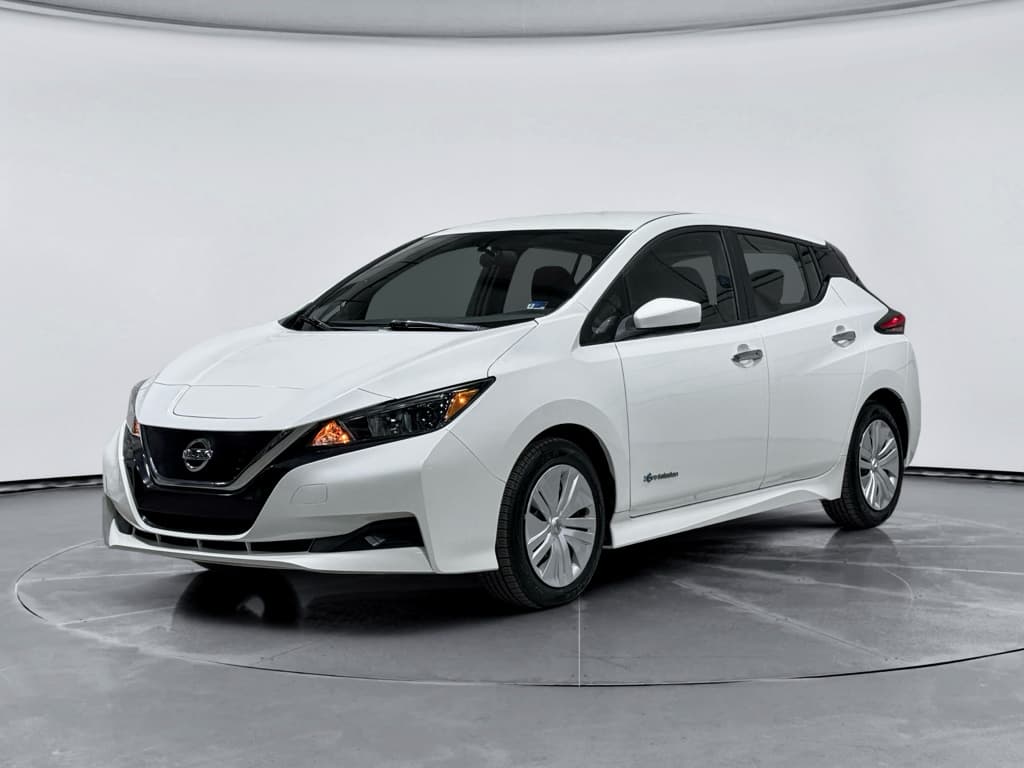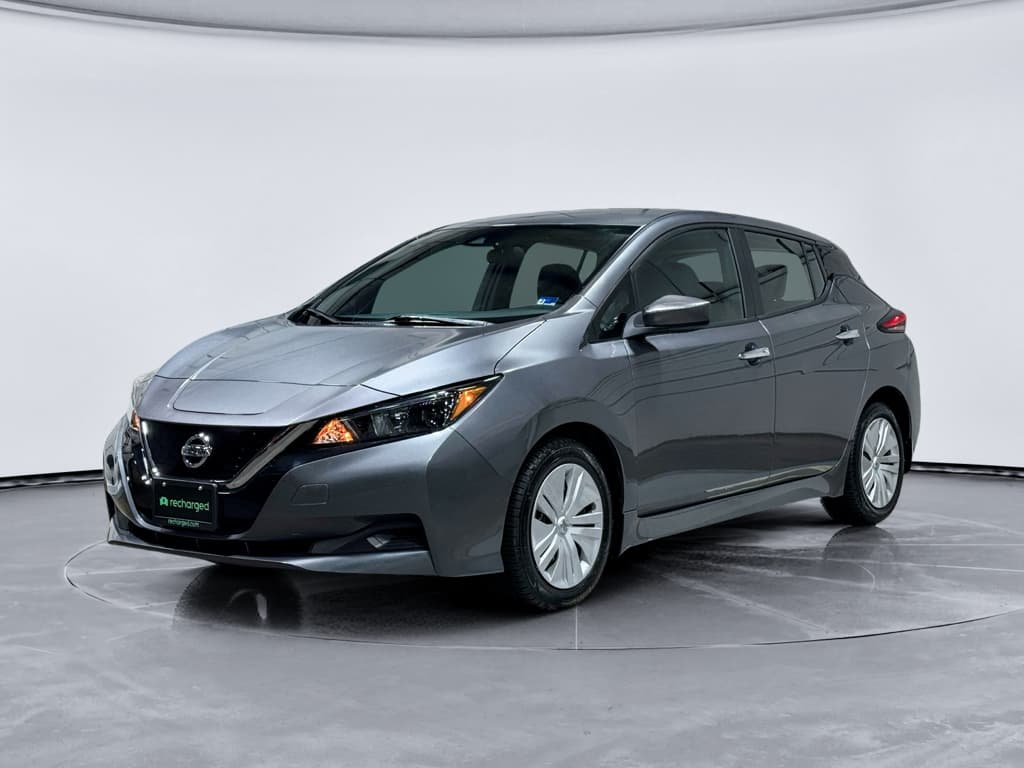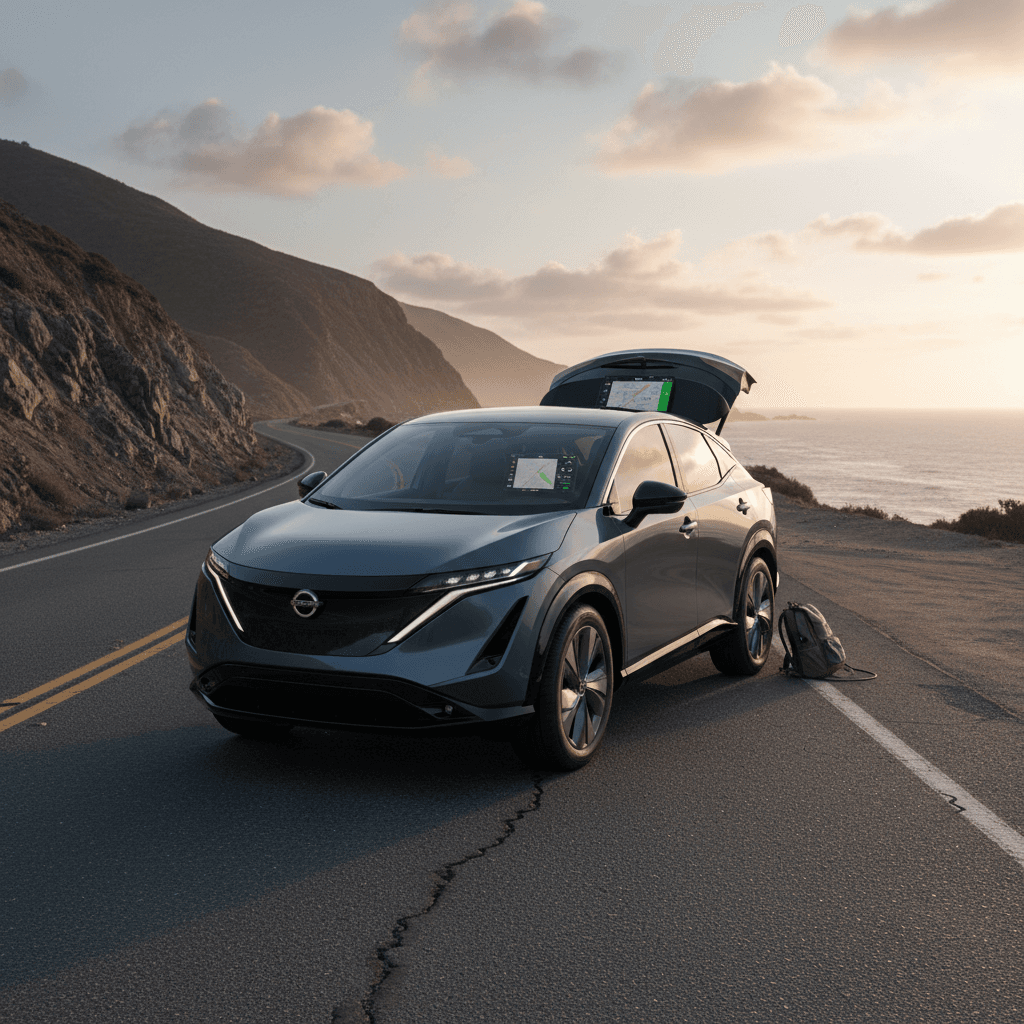
If you’re considering a 2024 Nissan Ariya, you’ve probably seen the impressive headline number: up to 304 miles of EPA-rated range. But range stickers don’t tell you what really matters, how far the Ariya actually goes in real-world driving, at highway speeds, in bad weather, or several years into its life. This 2024 Nissan Ariya range test guide breaks down lab numbers, independent tests, and what you can realistically expect day to day, especially if you’re eyeing a used Ariya.
Quick take
Overview: Why 2024 Ariya range tests matter
Range is the Ariya’s strongest card. Nissan gives it a larger battery than many rival compact electric SUVs, and that lets it post competitive range even though efficiency isn’t best-in-class. For you, that means the test numbers you see, and how they’re achieved, matter more than the marketing headline. If you do a daily 60–80 mile commute, or you’re planning regular road trips, understanding real-world range will tell you whether the 2024 Ariya fits your life or if you’re better served by a more efficient alternative.
Key 2024 Nissan Ariya range and efficiency stats
EPA range vs real-world results
EPA numbers are a standardized lab estimate, not a promise. Still, they’re a useful baseline. The 2024 Nissan Ariya line runs from roughly ~205 to 304 miles of EPA-rated range depending on battery size, drivetrain (FWD vs e-4ORCE AWD), and wheel size. In independent testing, especially at steady highway speeds, the Ariya tends to land close to those figures, and in at least one well-documented test of a dual-motor model, even beat its official rating by a small margin.
Where the Ariya lags is energy efficiency. It uses more kWh per 100 miles than some key rivals. Nissan partially compensates by fitting a larger battery, so real-world range ends up competitive even if your cost per mile is slightly higher than in the most frugal EVs.
EPA isn’t a winter number
Battery packs, trims, and official range
Before you talk range, you have to get clear on which Ariya you’re looking at. Nissan sells the 2024 Ariya with two battery sizes and both FWD and AWD. The bigger pack is where the headline range lives; the smaller pack is fine for local use but not ideal if you road-trip.
2024 Nissan Ariya EPA range by trim (U.S.)
Approximate EPA-rated ranges for major 2024 Ariya configurations. Always confirm exact numbers for the specific trim and wheels you’re considering.
| Trim (2024) | Drivetrain | Battery | EPA range (mi) | Typical role |
|---|---|---|---|---|
| Engage FWD | FWD | ~66 kWh | 216 | Entry model, best for city and suburban driving |
| Engage e-4ORCE | AWD | ~66 kWh | 205 | Better traction, modest range hit |
| Venture+ | FWD | ~87–91 kWh | 304 | Longest-range Ariya; great for commuting and road trips |
| Evolve+/Empower+ FWD | FWD | ~87–91 kWh | 289 | Well-equipped, slightly less range than Venture+ |
| Evolve+/Engage+ e-4ORCE | AWD | ~87–91 kWh | 272 | More traction, still solid road-trip range |
| Platinum+ e-4ORCE 19" | AWD | ~87–91 kWh | 267 | Top trim on 19" wheels |
| Platinum+ e-4ORCE 20" | AWD | ~87–91 kWh | 257 | Most power and features, lowest official range |
Smaller wheels and FWD generally improve range; AWD and larger wheels reduce it.
Which Ariya trim has the best range?
Highway range test results
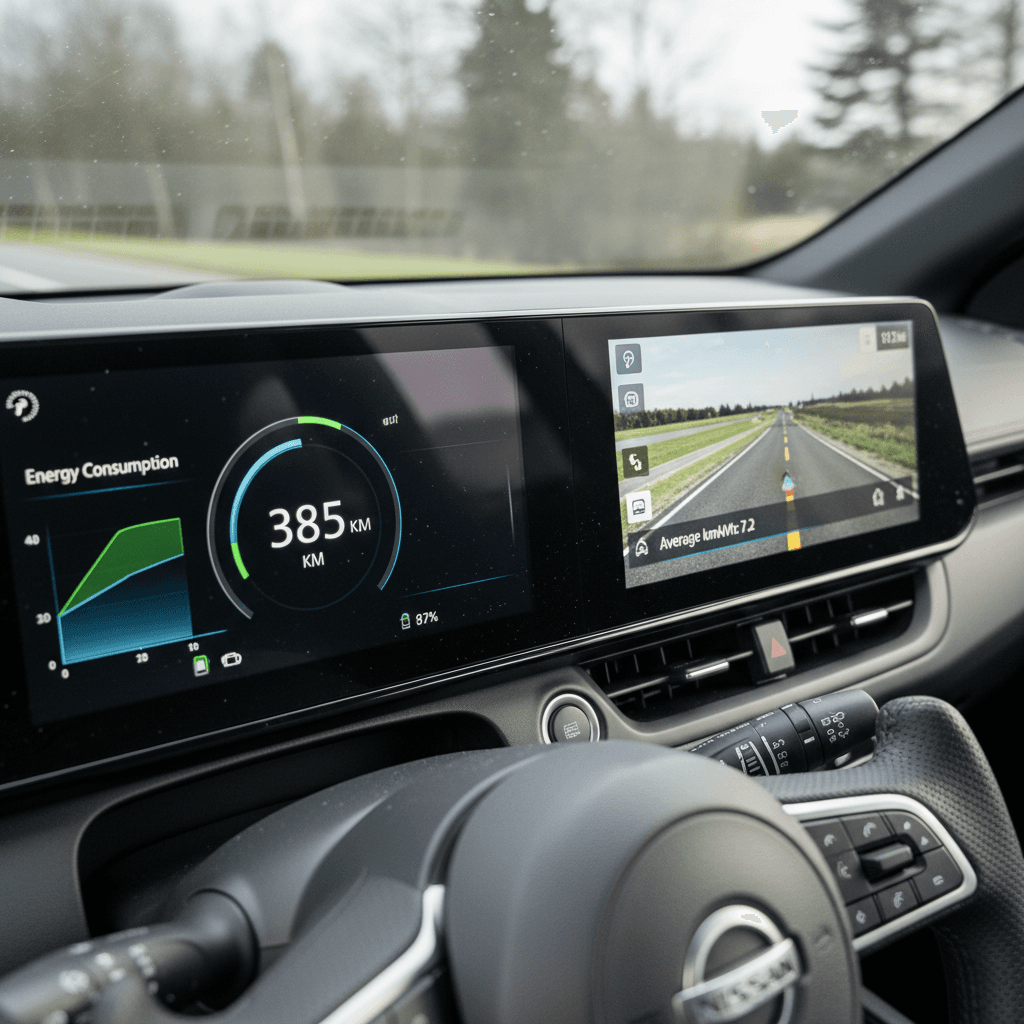
Most EV shoppers care about highway range because that’s where EPA numbers are hardest to hit. In instrumented 70–75 mph tests of a dual-motor, large-battery Ariya, independent outlets have seen roughly 210–265 miles on a full charge, depending on temperature, elevation, and wheel/tire setup. Notably, one major test of a dual-motor Ariya with a 257-mile EPA rating returned about 265 miles before the pack hit zero, slightly beating its sticker.
That’s an important nuance: the Ariya’s EPA numbers are on the conservative side for some trims. Many EVs fall well short of their ratings at 75 mph; the Ariya tends to land closer, especially in mild weather. On the flip side, its consumption figures, around 36 kWh/100 miles for some dual-motor tests, mean you’ll use more energy per mile than you would in the latest Ioniq 5 or ID.4 over the same route.
What you can expect at 70–75 mph
- Small-battery FWD (Engage): Roughly 150–180 miles between 10–80%, depending on weather and terrain.
- Big-battery FWD (Venture+, Evolve+): About 220–250 miles from 100% down to 5–10% in mild weather.
- Big-battery AWD (e-4ORCE trims): Often 200–230 miles at similar speeds, with a noticeable but manageable penalty for traction.
How that feels on a road trip
- Plan for 2–3 hour legs between fast charges in good conditions.
- In winter or with strong headwinds, assume shorter legs by 20–30%.
- On a typical DC fast charger, expect 30–45 minutes to go from ~10–80% if the station delivers decent power.
Highway range killers
City and mixed-driving efficiency
Like most EVs, the Ariya is happiest in city and suburban use. Stop‑and‑go traffic lets the regenerative braking work in your favor, and lower speeds cut aerodynamic drag. In mixed driving with reasonable speeds, many owners will see numbers close to EPA combined range or better, especially with the larger pack and FWD.
Where the Ariya shines, and where it doesn’t
Efficiency varies a lot by speed and use case
Urban & suburban
At 25–45 mph with lots of regen, the Ariya’s efficiency improves dramatically.
Daily 30–60 mile commutes are easy even for small‑battery trims.
Moderate highways
At 55–65 mph on rolling highways, you’ll get closer to EPA combined numbers.
Good balance of time and range if you’re flexible about pace.
Fast interstates
At a true 75–80 mph, the Ariya’s range drops quickly.
If you live in fast‑traffic states, shop the big battery or plan more frequent fast charges.
What most affects your Ariya’s range
Two Ariyas with the same EPA rating can perform very differently on the road depending on conditions. Understanding the main levers lets you turn an okay range experience into a great one, without driving like a hypermiler.
Six factors that make or break your Ariya’s range
1. Speed and driving style
Above about 60 mph, aerodynamic drag climbs rapidly. Keep cruising speeds down, use ECO mode on long drives, and accelerate smoothly to stretch range without feeling slow.
2. Temperature and climate control
Winter temps and heavy HVAC use can cut range by 20–35%. Precondition while plugged in, use seat and steering‑wheel heaters where possible, and avoid blasting max heat or A/C for long periods.
3. Wheel and tire choice
Bigger, wider wheels and aggressive all‑season tires look good but usually cut range. The Platinum+ on 20‑inch wheels has the lowest official range for a reason.
4. Load and aerodynamics
Passengers, cargo, bike racks, and roof boxes all add weight or drag. A loaded Ariya with a roof box at 75 mph can burn dramatically more energy than the same car empty at 65 mph.
5. Elevation and terrain
Long climbs eat range; you only regain part of it on the way back down. If you live in the mountains, treat EPA range as a best‑case estimate.
6. Battery conditioning and charging habits
Fast‑charging repeatedly from very low to very high states of charge heats the pack and can trigger power tapering. For daily use, staying between ~20–80% helps keep both range and long‑term battery health more predictable.
Good news on battery tech
2024 Ariya vs Ioniq 5, ID.4, and bZ4X
The compact EV SUV field is crowded with talent: Hyundai Ioniq 5, Kia EV6, VW ID.4, Toyota bZ4X, and others. In that group, the Ariya’s story is clear: competitive range, mediocre efficiency. It usually goes as far, or farther, than rivals because it carries a bigger battery, not because it sips electrons more carefully.
How the 2024 Ariya stacks up on range and efficiency
Approximate EPA and real-world highway results for popular compact electric SUVs with big batteries and dual-motor setups.
| Model (big pack, dual-motor) | EPA range (mi) | Observed highway range* | Approx. consumption (kWh/100 mi) | Takeaway |
|---|---|---|---|---|
| Nissan Ariya e-4ORCE | ~257–272 | ~210–265 | ~36 | Range is average to good, but it uses more energy than rivals. |
| Hyundai Ioniq 5 AWD | ~260–270 | ~220–270 | ~32–34 | Typically more efficient; similar or better real-world range with a slightly smaller pack. |
| VW ID.4 AWD | ~255–275 | ~210–260 | ~33–35 | Very competitive efficiency; similar usable range. |
| Toyota bZ4X AWD | ~228 | ~190–230 | ~32–34 | More efficient but saddled with a smaller usable pack in many trims. |
The Ariya keeps up on range, but it wastes a bit more energy getting there.
So is the Ariya a range leader?
What range means if you’re shopping a used Ariya
With Nissan discontinuing new U.S. Ariya imports after the 2025 model year, more shoppers are turning to the used Ariya market. Range becomes a two‑part question: how far the car goes today, and how much of that capability it’s likely to keep over time.
What to expect from a 1–3 year old Ariya
- Most liquid‑cooled EVs lose only a small slice of usable capacity, often 5–10%, in the first few years.
- A well‑cared‑for 2024 Ariya Venture+ that started at 304 miles EPA might realistically deliver 260–280 miles of real-world highway range in mild weather a few years in.
- City and suburban range will still feel generous for most drivers.
Risks and questions to ask the seller
- How often was the car fast‑charged from very low state of charge?
- Was it stored at 100% for long periods in hot climates?
- Has the owner noticed sudden drops in range or odd charging behavior?
- What’s the current indicated full‑charge range at 100%?
How Recharged helps de‑risk used range
How to test range on a used Ariya
You don’t need a proving ground to get a realistic sense of a used 2024 Ariya’s range. A structured test drive and a bit of math will tell you most of what you need to know.
DIY real-world range test for a Nissan Ariya
1. Start with a known state of charge
Charge the Ariya to a true 80% or 100% at home or a reliable public charger. Note the dashboard’s predicted range and outside temperature.
2. Reset trip meters and consumption
In the Ariya’s cluster, reset the trip odometer and energy usage display. You want a clean record of miles driven and kWh used.
3. Drive a realistic route
Choose a mix that reflects your life: a 30–60 mile highway loop at 65–70 mph, or a combination of city and highway if that’s your routine. Use climate control like you normally would.
4. Log miles, kWh, and % used
After your loop, record miles driven, average consumption (mi/kWh or kWh/100 mi), and how many percent of battery you used. For example, 60 miles driven and 20% battery used.
5. Extrapolate usable range
If 60 miles cost you 20% of the pack, in similar conditions you can roughly expect 60 ÷ 0.20 = 300 miles from 100–0%. Adjust down if you don’t plan to run below 10–15% regularly.
6. Repeat in different conditions
If possible, repeat on a colder day or at higher speeds to understand your personal worst case. This is more useful than any single “hero” range number.
Don’t obsess over 0–100%
FAQ: 2024 Nissan Ariya range
Frequently asked questions about the 2024 Nissan Ariya’s range
Bottom line: Is the Ariya’s range good enough?
If you’re looking at the 2024 Nissan Ariya primarily through a range lens, the verdict is straightforward: it’s solidly competitive but not class‑leading. You’re getting real‑world range that works for most commutes and road trips, backed by a relatively large battery and modern thermal management. What you’re not getting is best‑in‑segment efficiency or the very fastest DC charging speeds.
For many drivers, that’s an acceptable trade: a quiet, comfortable EV SUV that goes far enough, reliably, without demanding constant range calculation anxiety. If you want help sorting through specific trims or evaluating the battery health of a used Ariya, Recharged can connect you with EV specialists, provide a detailed Recharged Score battery report, and handle everything from financing to trade‑in and delivery, so you can focus on enjoying the miles you actually drive.