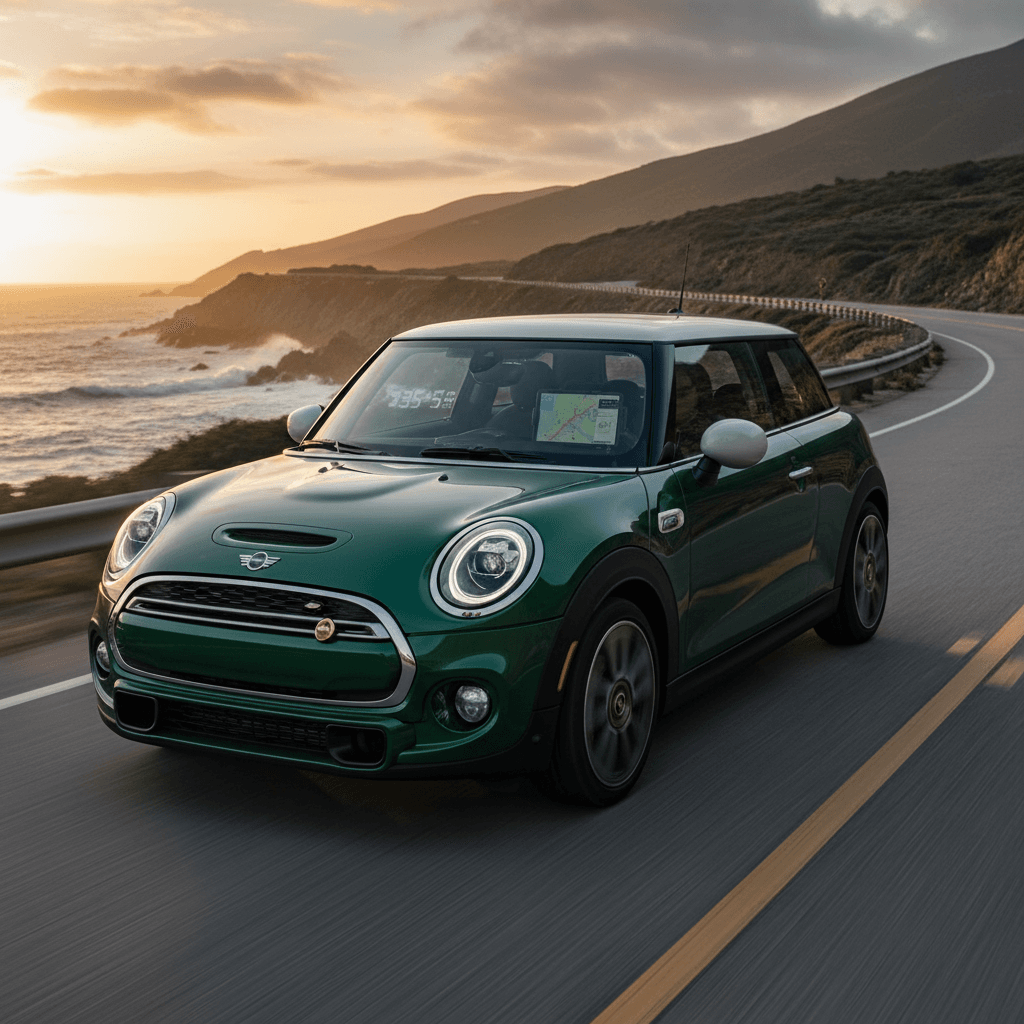
If you’re eyeing a Mini EV, you’ve probably seen everything from 110 to nearly 250 miles quoted as the **Mini Cooper Electric range**. That’s a big spread. In this guide, we’ll unpack official ratings, real‑world range tests, and what you can actually expect from both the outgoing Cooper SE sold in the U.S. through 2024 and the new‑generation Mini Electric arriving with larger batteries.
Quick takeaway
Mini Cooper Electric range at a glance
Mini Cooper Electric range snapshot
Two things matter when you’re looking at range tests. First, **which Mini Electric are we talking about?** Second, **how and where is it being driven?** Before we dive into city vs. highway results and owner experiences, let’s get clear on the different versions on the road in 2024.
2024 Mini Cooper Electric models explained
F56 Mini Cooper SE (U.S. through 2024)
- Body: 3‑door hatchback
- Battery: ~32.6 kWh gross pack
- EPA range: about 114 miles combined
- Use case: City car, short‑hop commuter
This is the car most U.S. shoppers will see on the used market today and the one Recharged most often evaluates with our battery‑health diagnostics.
New J01 Mini Cooper Electric (2024–2025)
- Variants: Cooper E and Cooper SE
- Battery sizes: roughly 40 kWh (E) and 54 kWh (SE)
- Claimed range: ~190 miles (E) and up to ~250 miles (SE) on WLTP tests
- Status: Launching first in Europe and other markets
EPA figures for U.S. versions are expected to be lower than WLTP numbers when official testing is complete.
Mind the test cycle
Lab ratings vs real‑world range
Every **2024 Mini Cooper Electric range test** you see online needs context. Lab ratings, EPA in the U.S. and WLTP in Europe, are useful for comparing cars, but they rarely match what you’ll see on your own driveway.
Official Mini Cooper Electric ratings vs realistic expectations
How headline range numbers translate into the miles you’re likely to see in day‑to‑day driving.
| Model / Test | Official rating | Typical city range | Typical highway range (70–75 mph) | Notes |
|---|---|---|---|---|
| F56 Mini Cooper SE (EPA) | ~114 mi combined; ~122 mi city; ~104 mi highway | 115–135 mi in mild weather | 90–110 mi depending on speed & temps | Small battery favors short city hops; owners often see more than EPA in town. |
| J01 Mini Cooper E (WLTP) | ~190 mi (estimated) | 130–160 mi | 110–140 mi | Smaller of the new packs but a big step up from the old SE. |
| J01 Mini Cooper SE (WLTP) | Up to ~250 mi | 180–230 mi | 150–190 mi | Larger pack and improved efficiency; U.S. EPA number likely closer to the low‑to‑mid 200s. |
Use this as a sanity check when you read range claims in ads or reviews.
Notice the pattern: **city range is almost always higher** than the combined rating, while steady‑state highway range is usually lower. That’s exactly what owners of the current Cooper SE report, many see 4.0–4.5 mi/kWh in mixed driving, which lines up with 120–135 miles out of the usable pack in good conditions.
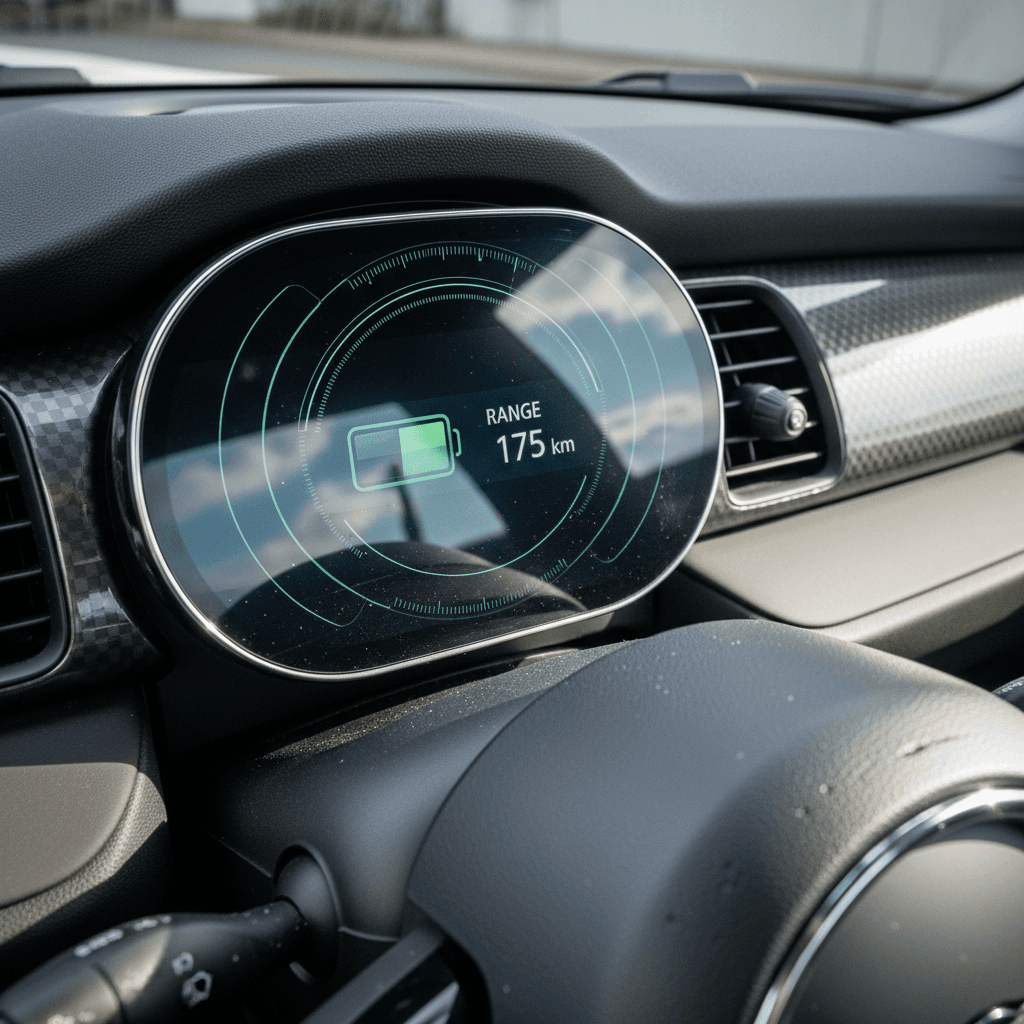
City vs highway: Mini Cooper Electric range test
To understand how the 2024 Mini Cooper Electric behaves, it helps to break range tests into **three common scenarios**: urban stop‑and‑go, mixed commuting, and freeway cruising. Here’s what you can expect, using the existing Cooper SE as the reference point and the new J01 cars as a directional improvement.
How driving scenarios change Mini Electric range
Approximate outcomes for a healthy Mini Cooper SE in mild weather
Urban / suburban (25–45 mph)
This is the Mini Electric’s sweet spot. Frequent slowing and regenerating means you’re recovering energy.
- Efficiency: 4.3–4.7 mi/kWh is realistic for gentle driving.
- Range: 120–140 miles on a full charge.
Mixed commuting
Think 50/50 city and 55–65 mph highway.
- Efficiency: around 4.0–4.3 mi/kWh.
- Range: roughly 110–130 miles.
Freeway (70–75 mph)
Air drag climbs quickly; any small EV will feel it.
- Efficiency: 3.2–3.8 mi/kWh is typical.
- Range: about 90–115 miles before you’re down to a low state of charge.
Highway test tip
Weather, driving style, and load: how they hit range
Once you understand the basics of city vs. highway, the next step is seeing how **temperature, speed, and weight** change your real‑world Mini range.
Key factors that change Mini Cooper Electric range
1. Outside temperature
Cold weather thickens battery chemistry and increases heater use. On a Cooper SE, sub‑freezing temps can knock realistic range down from ~120 miles to closer to 80–90 miles on the highway, especially before the pack is fully warmed.
2. Speed and aerodynamics
Running 75–80 mph instead of 65 mph takes a big bite out of range. In a small, upright hatchback like the Mini, aero matters; think of the car as pushing a wall of air. Slowing by 5–10 mph is one of the biggest levers you can pull.
3. Climate control use
The Mini’s cabin is small, so HVAC loads aren’t as punishing as in a big SUV, but they’re still significant. Seat heaters and steering‑wheel heat draw less energy than blasting cabin heat. In summer, dialing the A/C fan back one or two steps can add several miles over a commute.
4. Passengers and cargo
Extra weight means more work every time you accelerate. Two adults and a loaded hatch won’t ruin the Mini’s range, but if you regularly haul friends and gear, expect a modest hit, especially in stop‑and‑go traffic.
5. Tires and wheel choice
Stickier tires or oversized wheels look great, but they typically increase rolling resistance. If maximum range matters more than aesthetics, pick more efficient tires and avoid the heaviest wheel options.
Don’t underestimate winter
How much range do you really need in a Mini?
The truth is, a Mini Electric will never be a cross‑country cruiser. It’s designed as a **short‑to‑medium‑range city car** with a fun personality. That’s not a bug; it’s the whole point. The key question isn’t “How much range is best on paper?” It’s “How much range do I actually use most days?”
Daily commute under 40 miles round‑trip
If you’re in this camp, even the older 114‑mile EPA‑rated Cooper SE is more than enough. You can charge overnight at home and still have plenty of buffer for errands.
- Top up to 80–90% most nights for battery longevity.
- Save 100% charges for road trips or occasional long days.
Occasional 120–150 mile days
Here’s where the bigger‑battery J01 Mini Electric models make life easier. You can often cover your day without a mid‑day fast charge.
- Cooper SE (old car): plan on a charging stop if you drive fast.
- New J01 SE: likely to handle this in one shot in good weather.
Where Mini shines
Used Mini Cooper SE: what range to expect
Most Mini EVs you’ll find in the U.S. used market today are **Cooper SE hatchbacks with the ~114‑mile EPA rating**. The good news: the pack is relatively small, simple, and has shown solid durability so far. Many owners report that their real‑world range hasn’t changed much over the first several years, especially if they charge mostly at home.
Realistic range expectations for a used Mini Cooper SE
Approximate numbers for a healthy battery; individual cars will vary based on age, mileage, and how they were charged.
| Condition | City driving | Highway driving (70–75 mph) | Notes |
|---|---|---|---|
| 1–3 years old, low miles | 120–135 mi | 95–115 mi | Close to new‑car performance in mild weather. |
| 4–6 years old, moderate miles | 110–130 mi | 90–110 mi | Small, gradual loss in capacity is normal but often hard to notice day‑to‑day. |
| Colder‑climate winter use | 85–110 mi | 70–95 mi | Pack and cabin heating drag these numbers down; preconditioning helps. |
Recharged uses battery‑health diagnostics to verify where a specific car falls within this range window.
How Recharged helps
Tips to maximize your Mini Cooper Electric’s range
You can’t change physics, but you can stack the deck in your favor. Here are practical, day‑to‑day habits that make a measurable difference in any Mini Electric range test, and in your normal commute.
- Use Eco or Green modes in town. These modes soften throttle response and encourage smoother acceleration, which is where small‑pack EVs really shine.
- Precondition while plugged in. In both summer and winter, warming or cooling the cabin before you leave, while still on the charger, means less draw from the battery during the first 15–20 minutes of driving.
- Aim for 65–70 mph on longer trips. Dropping from 75–80 mph to the high‑60s can claw back 10–20% more range without adding much travel time on a 50–80 mile leg.
- Lean on seat and wheel heaters. They’re far more efficient than repeatedly blasting cabin heat, especially if you’re driving alone.
- Watch your tires. Keep pressures at or near the door‑jamb placard and avoid ultra‑aggressive, high‑rolling‑resistance tires if maximum range is a priority.
- Plan charging around your life. A small‑pack EV is easiest to live with when you treat charging like you treat your phone, top up when parked, rather than running it down to empty.
Let the car coach you
Is the Mini Cooper Electric right for you?
From a range‑test perspective, the Mini Electric is honest. It doesn’t pretend to be a 300‑mile road‑trip machine; instead, it delivers a playful drive and enough range for **most urban and suburban routines**, especially if you can plug in at home or work.
Great fit if…
- Your daily driving is under 50–60 miles.
- You have reliable access to Level 2 charging.
- You value nimble handling and easy parking more than road‑trip range.
- You’d rather pay less for a smaller battery than more for range you rarely use.
Maybe look elsewhere if…
- You regularly drive 150‑plus miles in a day with limited charging.
- You often road‑trip in extreme cold or heat.
- You want one EV to handle family hauling and long‑distance vacation duty.
Trying to decide on a used EV?
Ready to find your next EV?
Browse Vehicles2024 Mini Cooper Electric range FAQ
Frequently asked questions about Mini Cooper Electric range
The bottom line on any **2024 Mini Cooper Electric range test** is this: ignore the headline number and focus on how you drive. In everyday city and suburban use, both the outgoing Mini Cooper SE and the next‑generation Mini Electric deliver more than enough range for most owners, with a driving experience that’s far more fun than the spec sheet suggests. If you’re considering a used Mini EV, pairing realistic range expectations with a verified battery‑health report, like the Recharged Score on every car we sell, is the smartest way to get a compact, character‑packed EV that fits your life today and still feels right a few years down the road.