If you’re shopping for a premium electric sedan, a 2024 Mercedes EQE will land on your radar right next to the BMW i5, Tesla Model S and Genesis Electrified G80. It promises traditional Mercedes comfort wrapped around a modern, 90‑ish kWh battery pack, with roughly 260–300 miles of usable range depending on trim and wheels. But in 2026’s softer EV market and with big price swings, you need to know how this car really performs, charges and holds value, especially if you’re planning to buy used.
Sedan vs. SUV: this review focuses on the sedan
2024 Mercedes EQE overview: what this car is really about
2024 Mercedes EQE headline numbers
The EQE is Mercedes’ midsize electric sedan, roughly E‑Class sized, built on the brand’s EVA platform. In 2024 U.S. trim, you’ll mainly see EQE 350+ (rear‑wheel drive), EQE 350 4MATIC (dual‑motor all‑wheel drive) and the now‑rarer EQE 500 4MATIC. Power ranges from the low‑to‑mid 200s hp up to just over 400 hp in the 500, all fed by a battery around 90–91 kWh usable.
Think of it as an electric E‑Class
Powertrain, battery and real-world range
Under the floor sits a roughly 90.6 kWh pack (about 96 kWh gross, ~90 kWh usable). Rear‑drive models use a single permanent‑magnet motor at the rear axle; 4MATIC trims add a front motor for all‑wheel drive. Outputs vary by trim, but figure roughly 240–315 hp for mainstream models and more torque in the dual‑motor versions. On paper, WLTP ranges can crest 370–400 miles in some global configurations, but U.S. EPA‑style expectations are lower, think high‑200s at best in ideal conditions.
What you can realistically expect
- EQE 350+ (RWD): roughly 270–300 miles in mixed driving when new, on efficient wheels.
- EQE 350 4MATIC/500 4MATIC: expect 15–25 miles less than the RWD equivalent because of extra weight and drivetrain losses.
- Cold weather: winter highway driving at 70+ mph can drag you toward the low‑200s, especially on big wheels.
Efficiency profile
- The EQE is tuned for comfort, not hyper‑efficiency. Consumption numbers around 170 Wh/km (≈27 kWh/100 mi) in real‑world mixed driving are common.
- Urban driving with lots of regen can look better than sustained high‑speed highway use.
- The heat pump helps in cold climates, but preconditioning and smart charging habits still matter.
Wheel choice matters more than you think
Charging speeds and road-trip viability
Charging is an EQE strong suit on paper: AC charging tops out around 11 kW on a Level 2 station, while DC fast charging can reach up to 170 kW on a compatible CCS charger. Mercedes also supports Plug & Charge and battery preconditioning when you route to a charger, which helps you actually see those higher DC rates in the real world.
2024 Mercedes EQE charging summary
Approximate home and fast‑charging times for a healthy battery, starting around 10–20% state of charge.
| Charging type | Power | 0–100% (approx.) | 10–80% (approx.) | Best use case |
|---|---|---|---|---|
| Level 1 (120V) | 1.4–1.9 kW | 40–50 hours | Not practical | Emergency overnight top‑ups only |
| Level 2 (240V home / public) | 9–11 kW | 9–11.5 hours | 6–8 hours | Overnight home charging or long daytime park |
| DC fast charge (public CCS) | Peak ~170 kW | N/A (not recommended) | ~30–35 minutes | Road trips and quick top‑ups on the go |
Real‑world times depend on temperature, charger quality and how aggressively the previous owner fast‑charged the car.
Plan around 10–80%, not 0–100%
On a healthy pack and a good 150–350 kW DC fast charger, expect a 10–80% sprint in roughly half an hour when conditions are right. Mercedes’ built‑in navigation can precondition the battery as you approach the station, which helps keep speeds high. For home use, a 40‑ or 48‑amp Level 2 charger will refill a typical daily commute overnight without stress.
Interior comfort, tech and everyday usability
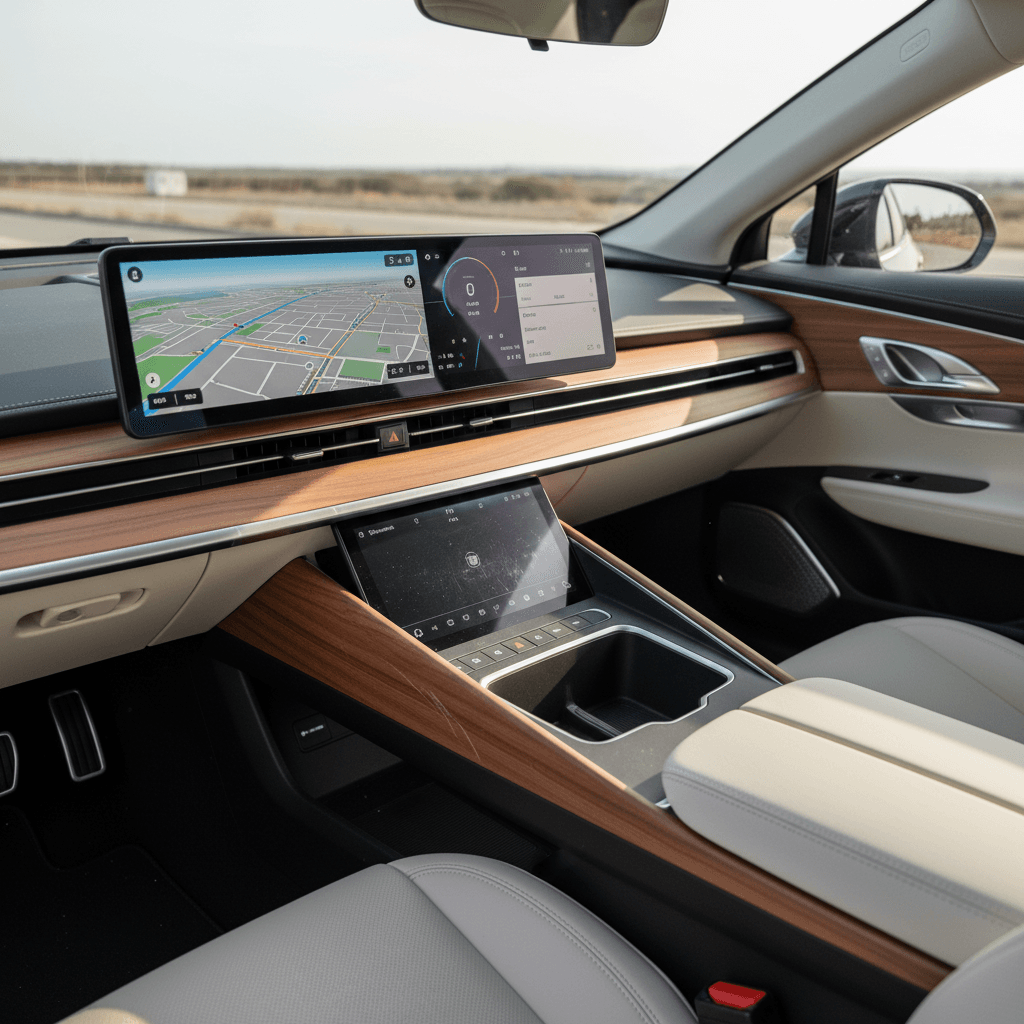
Inside, the 2024 EQE feels every bit like a modern Mercedes. Materials are generally high‑grade, the seats offer excellent adjustability (and available massage), and the cabin is remarkably quiet at highway speeds. You can option the dramatic Hyperscreen layout in some trims, but even the standard portrait‑style screen runs Mercedes’ latest MBUX software with voice control and EV‑specific displays.
EQE interior: strengths and tradeoffs
Luxury is the headline, but there are a few quirks to note.
Comfort-first seating
High-tech cabin
Trunk, not hatch
Cabin noise and ride isolation
Driving experience: quiet comfort over thrills
On the road, the 2024 EQE is more about effortless progress than excitement. Rear‑drive versions feel lighter on their feet, while dual‑motor 4MATIC models add confidence in poor weather and stronger mid‑range shove. Even so, rivals like the BMW i5 or a performance‑spec Tesla Model S feel more eager and engaging when you push them.
- Steering is accurate but filtered, prioritizing ease over feedback.
- Braking feel is good for an EV, with multiple regen levels to choose from.
- Air suspension (where fitted) smooths out rough pavement but can feel a bit floaty in fast transitions.
- Tight city streets are manageable, though the turning circle is not as compact as some smaller EVs.
Where the EQE shines
2024 Mercedes EQE pricing and used-market reality
When it was new, the 2024 EQE sedan lived in the mid‑$70,000s to mid‑$80,000s depending on trim and options. The softer EV market and subsequent price reductions across the Mercedes EQ lineup mean depreciation has been steep. Recent used‑market data shows 2024 EQE sedans transacting far below original MSRP, with fair‑purchase prices in the mid‑to‑high $30,000s for well‑equipped examples that were around $76,000–$87,000 new.
EQE value snapshot (U.S. market)
Fast depreciation cuts both ways
How the 2024 EQE compares to key rivals
2024 Mercedes EQE vs. major electric luxury sedans
High‑level comparison of where the 2024 EQE sedan sits relative to the BMW i5, Tesla Model S and Genesis Electrified G80.
| Model | Character | Range (approx.) | Charging | Driving feel | Used pricing trend |
|---|---|---|---|---|---|
| Mercedes EQE | Comfort‑biased luxury, quiet cabin, heavy tech focus | ≈260–300 mi | Up to ~170 kW DC, strong AC capability | Relaxed, not sporty | Steep early depreciation, good for used buyers |
| BMW i5 (eDrive40/xDrive40) | More engaging to drive, classic BMW dynamics | ≈260–295 mi | Competitive DC speeds, strong network support | Sportier and more communicative | Holds value slightly better so far |
| Tesla Model S | Longest range, fastest in class, strongest DC network | ≈320–400+ mi | Very fast Supercharging, great road‑trip network | Quick, but interior feels simpler | Also depreciating, but network adds appeal |
| Genesis Electrified G80 | Gorgeous interior, boutique feel, lower volume | ≈280–300 mi | Strong DC charging, but fewer dedicated chargers | Smooth, upscale, more old‑school luxury | Limited data; likely similar to EQE over time |
Exact specs vary by trim; this table focuses on the mainstream models most cross‑shopped with the EQE.
Sedan vs. SUV cross-shopping
Is the 2024 Mercedes EQE a good used EV buy?
From a used‑EV perspective, the 2024 EQE is a textbook example of how early luxury EVs can become bargains. You’re getting a near‑flagship Mercedes cabin, a large battery, competitive DC charging and a ton of tech for roughly half of what the first owner paid. The flip side is complexity: air suspension, advanced driver‑assist systems and layered software can all age in different ways, and warranty coverage becomes critical as the car approaches years five to eight.
Why a used EQE makes sense
- Value: Luxury‑car experience for midsize‑sedan money in today’s used market.
- Battery size: ~90 kWh usable gives you a decent highway buffer even with some degradation.
- Comfort & safety: Well‑tuned driver‑assist suite and excellent crash‑worthiness heritage from Mercedes.
What to be cautious about
- Software/infotainment glitches can frustrate if previous owners delayed updates.
- Air suspension and driver‑assist hardware will be expensive out of warranty if something fails.
- Charging infrastructure still varies by region, especially non‑Tesla DC fast charging in rural areas.
How Recharged helps de-risk a used EQE
Buying checklist: what to look for on a used EQE
Essential checks before you sign on a used 2024 EQE
1. Verify battery health and DC fast charging history
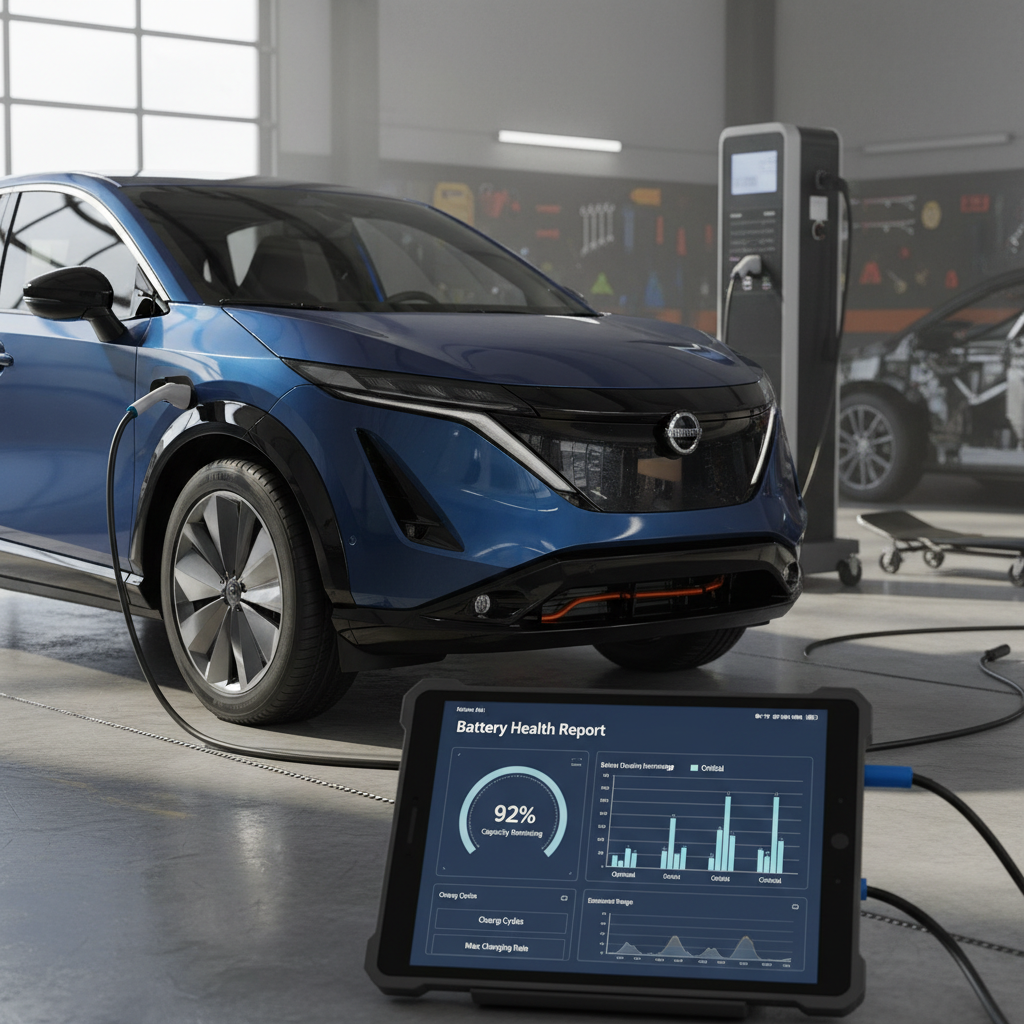
Ask for a recent battery‑health report and try to understand how often the car saw DC fast charging. Occasional road‑trip fast charging is fine; constant 100% DC sessions can add wear over time.
2. Inspect charging performance in person
If possible, plug the car into a Level 2 charger and watch the rate. The EQE should ramp quickly toward its rated 9–11 kW at home. On a test DC session, it should briefly approach triple‑digit kW on a warm battery.
3. Check software version and feature operation
Walk through the infotainment, navigation, driver‑assist functions and smartphone integration. Confirm that over‑the‑air updates are current and that all screens respond promptly without frequent glitches or crashes.
4. Look for suspension noises and uneven tire wear
On a test drive, listen for clunks over bumps and pay attention to how the car settles after dips. Uneven tire wear can hint at alignment issues or suspension components wearing out, especially on heavier 4MATIC trims.
5. Review service history and open campaigns
Ask for a full service history from a Mercedes dealer or independent specialist, and verify that any recalls or service campaigns have been addressed. For a relatively new EV, documentation is a good sign of careful ownership.
6. Confirm included charging equipment and adapters
Make sure the original portable charge cable and any adapters are included in the sale. Replacing them later can be expensive, and having a proper Level 1/2 solution on day one makes ownership smoother.
FAQ: 2024 Mercedes EQE
Frequently asked questions about the 2024 Mercedes EQE
Bottom line: who the 2024 EQE is (and isn’t) for
The 2024 Mercedes EQE sedan is not the quickest, nor the longest‑range electric luxury car on sale. What it does offer is a deeply comfortable, tech‑rich and quiet experience that feels every bit like a modern Mercedes, simply powered by electrons instead of gasoline. If you value serenity, a high‑quality cabin and a genuinely usable 260–300 miles of range more than Nürburgring lap times, it belongs on your short list, especially on the used market, where early depreciation has turned it into a relative bargain.
Before you buy, focus on battery health, charging behavior and service history, and try to drive multiple trims back‑to‑back if you can. A platform like Recharged can help you compare used EQE listings, see verified battery diagnostics via the Recharged Score, line up financing and arrange nationwide delivery, all without trekking from dealer to dealer. Do your homework up front, and a 2024 EQE can be a smart, comfortable entry into premium electric ownership.