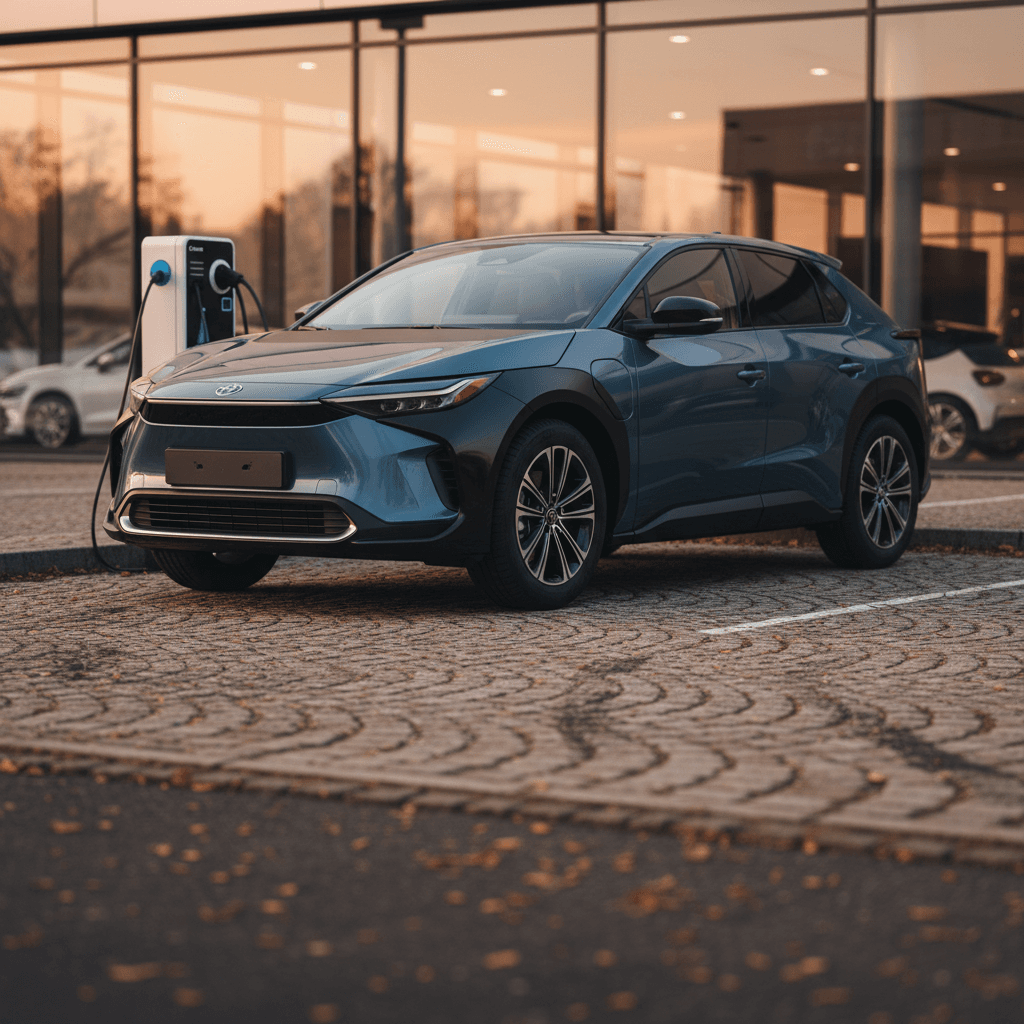
If you’re considering a 2023 Toyota bZ4X, you’re looking at Toyota’s first dedicated battery‑electric SUV. It has Toyota’s reputation for durability and a practical compact‑SUV footprint, but it also launched with some high‑profile recalls and conservative charging performance. This 2023 Toyota bZ4X buying guide walks through trims, range, charging, reliability, pricing, and the specific things to check before you buy one used.
Quick take
Overview: Is a 2023 bZ4X Right for You?
Best for
- Drivers who mostly charge at home or work and only occasionally road‑trip.
- Shoppers who value ride comfort, quietness, and safety tech over outright performance.
- Buyers who trust the Toyota brand and plan to keep the vehicle a long time.
Not ideal for
- Road‑trip warriors who rely on DC fast charging to cover long distances quickly.
- Shoppers in very cold climates who need proven heat pump and charging performance below freezing.
- Drivers who want the latest, flashiest tech or performance (a Hyundai Ioniq 5 or Tesla Model Y will feel more advanced and quicker).
2023 Toyota bZ4X: Key Numbers
Key Specs: 2023 bZ4X at a Glance
2023 Toyota bZ4X Core Specifications
High‑level specs that matter most when you’re comparing used EVs.
| Item | Spec |
|---|---|
| Body style | Compact 2‑row SUV |
| Drivetrain options | FWD single motor or AWD dual motor |
| Power | 201 hp (FWD) / 214 hp (AWD) |
| Battery | ~71.4 kWh usable lithium‑ion pack |
| Max EPA range | Up to 252 mi (XLE FWD) |
| 0–60 mph | ~7.1 s (FWD), ~6.5 s (AWD) |
| Max DC fast charge | 150 kW FWD / ~100 kW AWD |
| On‑board AC charger | Level 2, 6.6 kW |
| Seating | 5 passengers |
Exact range and pricing can vary slightly by wheel size, options, and region.
Spec tip
Trim Levels: XLE vs Limited, FWD vs AWD
Toyota kept the 2023 bZ4X lineup deliberately simple: two trims (XLE and Limited), each available with front‑wheel drive or optional all‑wheel drive. That simplicity is nice on the new‑car lot, but in the used market you still need to understand how equipment and range differ so you don’t overpay for features you won’t use.
2023 bZ4X Trims and What They Offer
Every 2023 bZ4X includes Toyota Safety Sense, but comfort and range vary by trim and drivetrain.
XLE FWD (entry but best range)
- Max EPA range: about 252 miles.
- Wheels: Smaller wheels than Limited, which helps efficiency.
- Features: Cloth seats, Toyota Safety Sense 3.0, large touchscreen, wireless Apple CarPlay/Android Auto.
- Best for: Value‑focused buyers who prioritize range and don’t need AWD.
XLE AWD
- Range: Drops into the low‑200‑mile ballpark due to dual motors.
- Power: 214 hp with X‑MODE for light off‑road and poor‑weather traction.
- Best for: Snow‑belt drivers who want Toyota’s familiar, conservative AWD feel.
Limited FWD
- Range: Around mid‑240‑mile EPA rating thanks to larger wheels and more equipment.
- Features: Leather‑trimmed seats, ventilated fronts, power liftgate, upgraded audio, more ambient lighting.
- Best for: Commuters who want a more premium feel but don’t need AWD.
Limited AWD (top spec)
- Range: Typically around 220 miles EPA.
- Features: Fully loaded comfort and convenience, plus dual‑motor traction.
- Best for: Buyers who prioritize comfort and all‑weather confidence over maximum range and price.
Wheel‑size caution
Range and Efficiency: What You’ll Get in the Real World
On paper, the 2023 bZ4X’s range looks competitive: mid‑200‑mile figures are right in the heart of the compact‑EV‑SUV segment. In practice, you’ll see how, when, and where you drive matters more than the single EPA number, especially with Toyota’s conservative thermal management.
Approximate EPA Range by 2023 bZ4X Configuration
EPA ratings are for guidance only. Expect lower range at sustained highway speeds, in winter, or with roof racks and cargo.
| Trim & Drivetrain | EPA Range (mi)* | Realistic Highway Range (mi) |
|---|---|---|
| XLE FWD | ~252 | ~200–215 |
| Limited FWD | ~242 | ~195–210 |
| XLE AWD | ~228–229 | ~185–205 |
| Limited AWD | ~222 | ~180–200 |
For a used 2023 bZ4X, always cross‑check the official EPA label for the exact configuration you’re considering.
How range really feels day‑to‑day
- Expect the largest range hits at 70–80 mph highway cruising, in sub‑freezing temperatures, and when frequently DC fast charging.
- In milder climates at mixed speeds, many owners report energy use in the 3.0–3.5 mi/kWh range, which aligns reasonably well with EPA figures.
- If you drive mostly city and suburban routes at 35–55 mph, a 2023 bZ4X can feel like a very efficient daily EV, even if its headline numbers don’t lead the class.
Charging Performance: Strengths and Weak Spots
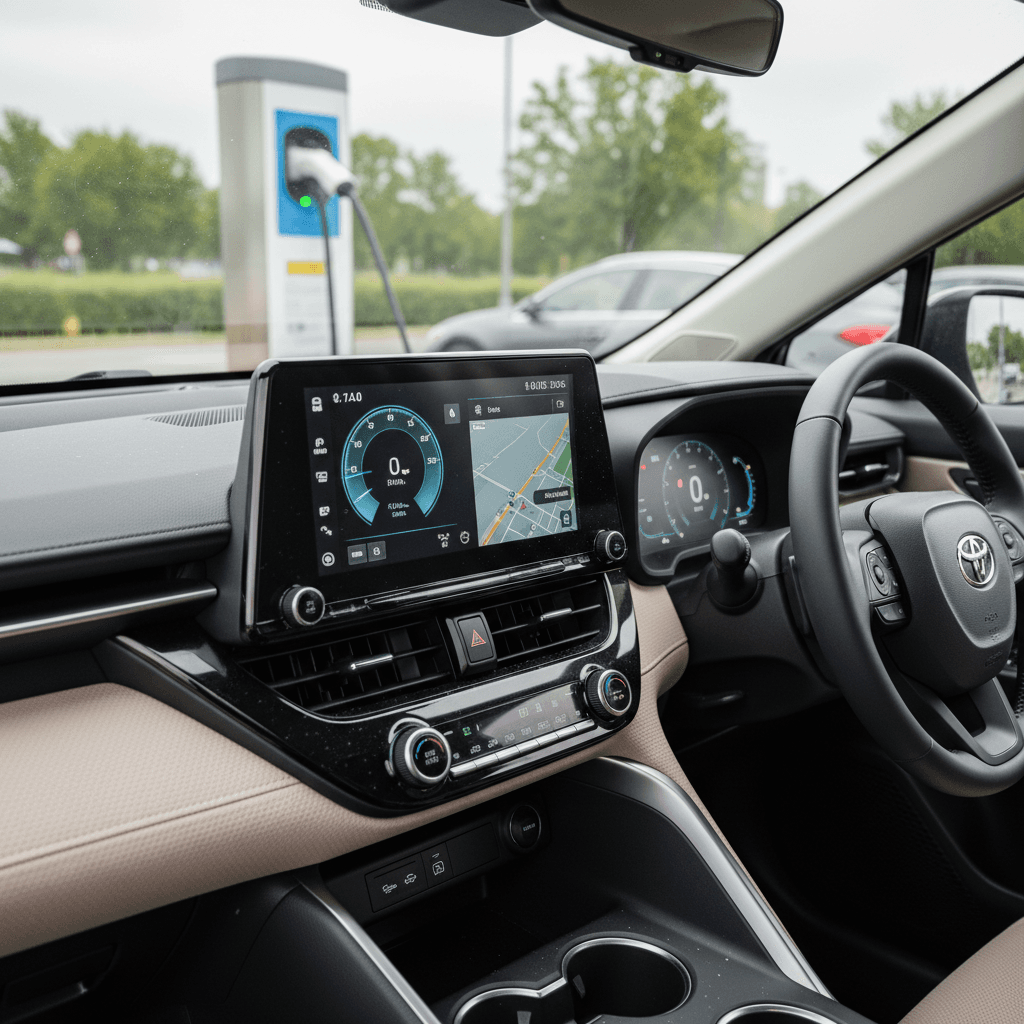
Charging is where the 2023 bZ4X’s conservative engineering shows most clearly. On paper, the FWD versions can pull up to 150 kW on a DC fast charger, while AWD tops out around 100 kW. In independent tests, however, the car doesn’t always hit those peaks, and charging curves can be slower than rivals, especially in cold weather.
Home vs DC Fast Charging in a 2023 bZ4X
Think about where you’ll charge most of the time; that’s where the bZ4X can work very well, or feel compromised.
Level 1 & Level 2 (home/work)
- Level 1: Standard 120V outlet; slow but fine for very short commutes.
- Level 2 (240V): The bZ4X’s 6.6 kW on‑board charger adds roughly 25 miles of range per hour under ideal conditions.
- Best use case: Overnight home charging, plug in every evening and you’ll rarely think about charge level.
DC fast charging (public)
- FWD: Rated up to 150 kW, but real‑world sessions often hover well below that, especially once past ~50% state of charge.
- AWD: Capped around 100 kW and can take close to an hour to go from low state of charge to ~80%.
- Implication: Occasional road trips are fine; frequent long‑distance driving will be slower than in many rivals.
Important fast‑charging caveats
If your lifestyle is built around home charging, the bZ4X’s conservative DC behavior may never bother you. But if you’re coming from a Tesla or a Hyundai/Kia EV with 800‑volt architecture, expect noticeably slower stops on road trips.
Reliability, Warranty, and Known Issues
Toyota’s hybrid reputation looms large here, and it’s one reason many shoppers gravitate to the bZ4X. But this was a first‑generation EV platform, and the 2023 model year had some growing pains you should understand.
- Wheel hub/bolt recall: Early in the bZ4X’s life, Toyota recalled vehicles because wheel hub bolts could loosen. Any U.S.‑market 2023 bZ4X you’re considering today should have this addressed, ask for documentation or confirmation from a Toyota dealer.
- Software updates: Toyota has issued over‑the‑air and dealer‑installed software updates addressing infotainment glitches and charging/thermal‑management behavior. A used example should be fully up to date.
- Heat pump and cold‑weather performance: Owner anecdotes from cold‑climate regions mention occasional heating issues and slow charging at very low temperatures. When possible, test drive on a cold day and verify cabin heat and defogging performance.
- Battery durability: Toyota tends to tune for longevity rather than every last kWh of usable capacity. While long‑term U.S. degradation data is still emerging, there’s no pattern of widespread early battery failures reported as of 2026.
Typical 2023 Toyota bZ4X Warranty Coverage (U.S.)
Always verify remaining warranty based on in‑service date and mileage for the specific VIN you’re considering.
| Coverage | Term (time / miles) | What It Covers |
|---|---|---|
| New vehicle limited warranty | 3 years / 36,000 miles | Most components, excluding wear items |
| Powertrain warranty | 5 years / 60,000 miles | Electric drive components and related hardware |
| Hybrid/EV battery warranty | 8 years / 100,000 miles (or longer in some states) | High‑voltage battery pack defects and excessive capacity loss |
| Corrosion perforation | 5 years / unlimited miles | Rust‑through on body panels |
Toyota’s battery and electric‑drive warranties are a major part of the bZ4X’s appeal as a used EV.
Warranty leverage for used buyers
Pricing, Depreciation, and What a Used 2023 bZ4X Costs
Like most early‑cycle EVs, the 2023 bZ4X has seen meaningful depreciation from its original MSRP, which typically started in the low‑to‑mid‑$40,000s before incentives. As of 2026, many used examples in the U.S. trade in the low‑ to mid‑$30,000 range, with particularly high‑mileage or base‑spec units sometimes dipping below that.
- Original pricing: New 2023 XLE FWD models generally started just above $43,000 including destination; Limited trims and AWD added several thousand dollars on top of that.
- Depreciation pattern: EV values took an industry‑wide hit in 2023–2025 as more competition and changing incentives arrived. The bZ4X is no exception, which is good news for used buyers but a caution for shoppers concerned about long‑term resale.
- What affects used price: Lower‑mileage XLE FWD examples with clean history and remaining basic warranty typically command a premium. Limited AWD examples may cost more up front but don’t always retain proportionally more value when you go to sell.
How to think about value
How the bZ4X Compares to Rivals
In 2023, the bZ4X launched into a crowded field that included the Hyundai Ioniq 5, Kia EV6, Ford Mustang Mach‑E, Volkswagen ID.4, and, at the higher end of the price spectrum, Tesla’s Model Y. Each of these competitors approaches the EV brief differently, and it’s important to understand where the bZ4X fits.
2023 bZ4X vs Key Compact EV SUV Rivals (High‑Level View)
Exact specs vary by trim and battery; think of this as a directional comparison for shoppers cross‑shopping used EVs.
| Model | Max Range (mi, approx.) | DC Fast Charge Peak | Character |
|---|---|---|---|
| Toyota bZ4X | ~252 | 150 kW (FWD) | Comfortable, conservative, efficiency‑oriented; slowest DC charging here. |
| Hyundai Ioniq 5 | ~303 | ~235 kW | Very fast charging, bold styling, more performance variants. |
| Kia EV6 | ~310 | ~235 kW | Sportier drive, similar platform to Ioniq 5, good road‑trip car. |
| Ford Mustang Mach‑E | ~312 | ~150 kW+ | More performance flavor, heavier, big brand cachet. |
| VW ID.4 | ~275 | ~170 kW | Practical interior, solid DC performance, more traditional SUV feel. |
| Tesla Model Y | ~330 | >200 kW on Supercharger | Class‑leading charging network, strong performance, software‑heavy experience. |
The bZ4X tends to undercut the quickest, longest‑range rivals on price while offering a more conservative, comfort‑oriented experience.
Where the bZ4X makes sense anyway
Buying Checklist: What to Look For on a Used 2023 bZ4X
Essential Checks Before You Buy a 2023 bZ4X
1. Confirm recall and software campaign history
Ask the seller (or a Toyota dealer) to confirm that all <strong>recalls and service campaigns</strong>, especially the wheel‑hub bolt recall and charging/thermal‑management updates, have been completed. A full service printout is ideal.
2. Get a battery‑health assessment
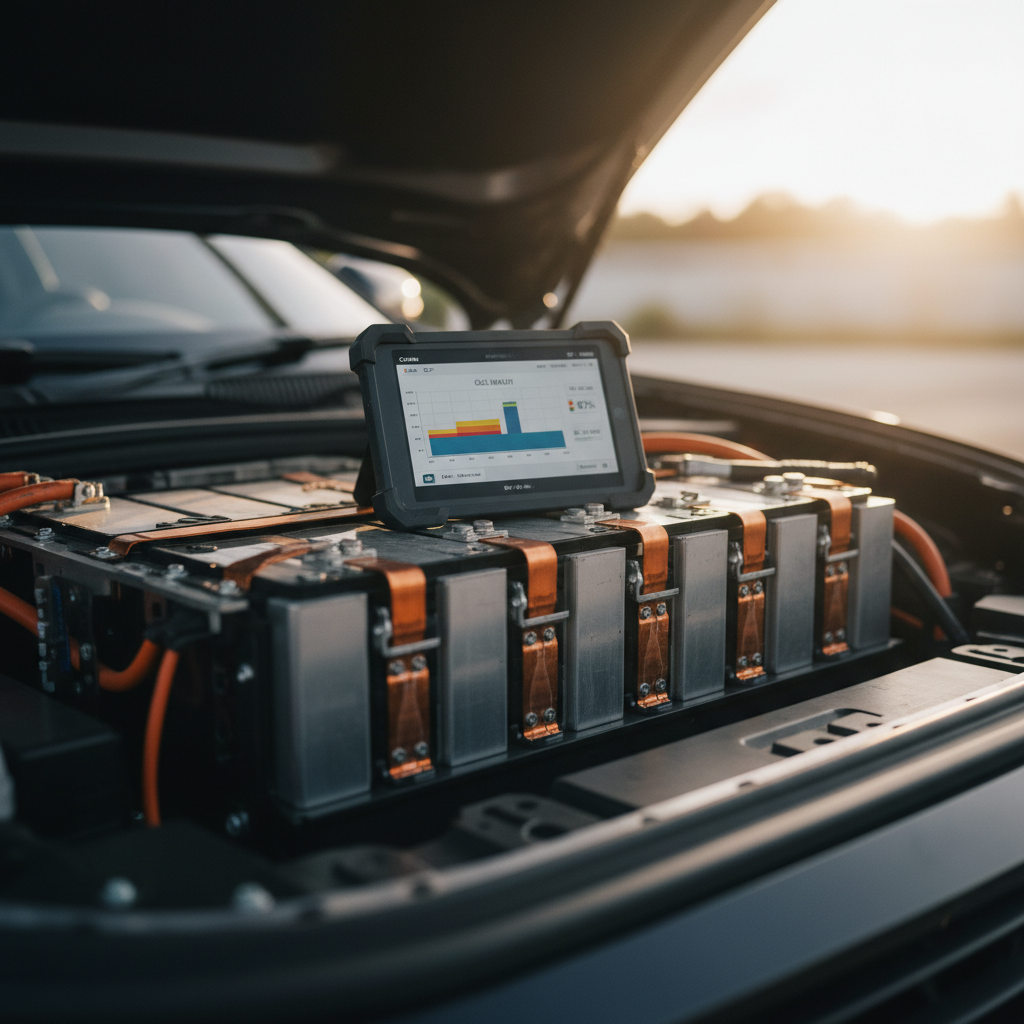
Battery capacity is the heart of any used EV. Use a <strong>third‑party diagnostic</strong> or a platform like Recharged that provides a <strong>battery health score</strong> so you know how much usable capacity remains versus new.
3. Inspect tires and brakes
Heavy EVs can be tough on tires. Check for uneven wear from misalignment or aggressive driving. Verify plenty of tread remains; EV‑rated replacements aren’t cheap. Also inspect brake rotors for rust from light regenerative‑braking use.
4. Test AC, heat, and defogging
On the test drive, run the climate system in both <strong>cooling and heating</strong> modes and verify quick windshield defogging. In cold‑weather markets, this is critical for comfort and safety.
5. Evaluate charging behavior
If possible, plug into a <strong>Level 2 charger</strong> and a <strong>DC fast charger</strong> before purchase. Confirm that charging starts quickly, stays stable, and doesn’t throw errors. Pay attention to how quickly the state of charge climbs at a DC fast station from ~20% to ~60%.
6. Verify driver‑assist features
Test all Toyota Safety Sense features: adaptive cruise, lane‑centering, blind‑spot monitoring, rear cross‑traffic alert. Make sure there are no warning lights and that lane‑keeping behavior feels predictable and consistent.
7. Check for interior wear and water leaks
Inspect seat bolsters, steering wheel, and console for abnormal wear relative to mileage. Look for water stains in the cargo area and under floor mats; EV battery packs don’t love moisture intrusion, even if sealed.
Don’t skip a professional inspection
How Recharged Helps With Used bZ4X Shopping
Because the 2023 bZ4X is a first‑generation EV on a new platform, buying used is as much about information as it is about price. That’s exactly the gap Recharged is built to close.
Why Shop for a 2023 bZ4X Through Recharged?
Data, transparency, and EV‑specific expertise, not just glossy photos.
Verified battery health
Fair market pricing
EV‑native retail experience
Ready to find your next EV?
Browse VehiclesCompared with traditional dealerships that sell EVs alongside conventional gas cars, Recharged is designed around electric ownership from the start, so conversations about range, charging, or battery health aren’t an afterthought.
FAQ: 2023 Toyota bZ4X Buying Questions
Frequently Asked Questions About the 2023 bZ4X
Bottom Line: Should You Buy a 2023 bZ4X?
The 2023 Toyota bZ4X is not the flashiest electric SUV, nor the quickest to charge, and early recalls dented its launch story. But viewed as a quiet, comfortable, efficiency‑oriented commuter SUV from a brand known for long‑term durability, it starts to look much more compelling, especially at today’s used prices.
If you mostly charge at home, drive modest daily miles, and want a straightforward EV with Toyota ergonomics and safety tech, a well‑vetted 2023 bZ4X can absolutely make sense. The key is to buy with your eyes open: verify campaign work, understand charging limitations, and insist on clear battery‑health information.
Shopping through a platform like Recharged adds another layer of protection, with Recharged Score battery diagnostics, transparent pricing, EV‑savvy support, and nationwide delivery. That combination of data and convenience can turn the 2023 bZ4X from an unknown quantity into a smart, measured bet on electric ownership.