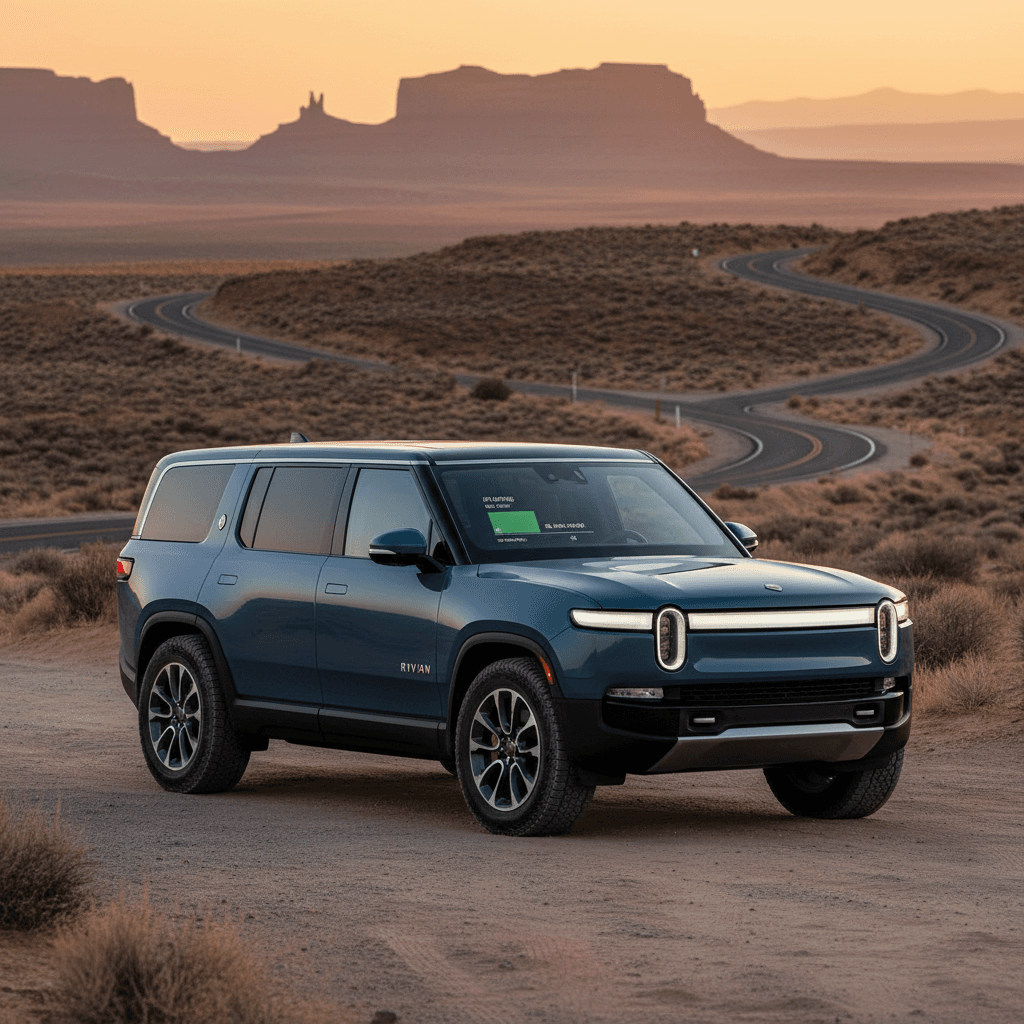
If you’re eyeing a three-row electric SUV, you’ve probably searched for a 2023 Rivian R1S range test to find out what this adventure rig can really do on a charge. The EPA numbers look impressive on paper, but daily driving, cold weather, big wheels, and towing can tell a very different story. This guide pulls together lab ratings and real-world experiences so you know what to expect, especially if you’re shopping a used R1S.
Quick takeaway
2023 Rivian R1S EPA range ratings by pack and wheels
Before we talk real-world range tests, it helps to anchor on the EPA estimates for the 2023 R1S. These are lab-based numbers, but they’re the starting point for understanding what’s possible from the 105 kWh Standard Pack, ~135 kWh Large Pack, and ~149 kWh Max Pack batteries paired with different wheels and tires.
2023 Rivian R1S EPA / estimated range by configuration
Key 2023 R1S range figures with dual- and quad-motor powertrains and popular wheel choices. Values are EPA or Rivian-estimated EPA equivalents.
| Battery & motors | Wheels / tires | EPA-est. range | Notes |
|---|---|---|---|
| Standard Pack Dual Motor | 21" road | ≈260 mi | Rivian est. for ~105 kWh pack |
| Large Pack Dual Motor | 21" road | ≈352 mi | Most efficient dual-motor setup |
| Large Pack Dual Motor | 22" road | ≈341 mi | Larger wheels, slight penalty |
| Large Pack Dual Motor | 20" AT | ≈307 mi | All-terrain tires, biggest hit |
| Large Pack Quad Motor | 21" road | ≈321 mi | More power, less efficient |
| Large Pack Quad Motor | 22" road | ≈303 mi | Quad motor + big wheels |
| Max Pack Dual Motor | 21" road | ≈400 mi | Highest range R1S for 2023 |
| Max Pack Dual Motor | 22" road | ≈380 mi | Style vs distance trade-off |
| Max Pack Dual Motor | 20" AT | ≈355 mi | Adventure-focused setup |
All ranges are approximate EPA combined values for 2023 and can vary with conditions.
EPA ≠ guaranteed range
R1S range by the numbers
Real-world range tests: what drivers are actually seeing
Independent testers and owners have now accumulated plenty of miles in the 2023 R1S. The consistent theme: the R1S can match or even beat its rating in the right conditions, but high speeds, cold weather, and aggressive tires pull numbers down quickly.
Typical real-world range scenarios for 2023 R1S
Approximate, assuming mild weather (50–70°F), light cargo, and no trailer.
Mild highway, 65–70 mph
Large Pack dual-motor, 21" wheels: Many testers see roughly 280–310 miles from 100% down to about 5–10% at modest highway speeds.
Max Pack dual-motor: Expect roughly 330–360 miles if you keep speeds in check.
Suburban / city mix
In stop‑and‑go driving, regen braking helps. Drivers often report using 18–25 kWh/100 mi, translating to real‑world ranges similar to or slightly above EPA numbers on the same pack.
Higher speeds, 75–80 mph
Push the R1S at typical U.S. interstate speeds and you’ll likely land in the 230–280 mile window on a Large Pack, and closer to 300–330 miles on a Max Pack, again assuming full to near‑empty.
Think in percentage, not just miles
Highway vs city: how your driving profile changes range
Unlike gas SUVs, EVs are often more efficient in the city than on the highway. That’s especially true for a heavy, boxy three-row like the Rivian R1S. Aerodynamic drag rises quickly with speed, so your personal “range test” result will depend heavily on where and how you drive.
Highway-heavy driving
- Drag dominates: Above ~65 mph, air resistance becomes your main enemy. At 75–80 mph, don’t be surprised by a 15–25% hit versus EPA.
- Less regen benefit: Once you’re cruising, there’s little stop‑and‑go to recapture energy.
- Best case: Smooth pavement, no headwinds, and lower speeds will move you closer to EPA-estimated range.
City and suburban driving
- Regen helps: Frequent slowing lets the motors recover energy, boosting efficiency.
- Climate load matters more: Short trips in winter with a cold battery can be surprisingly inefficient.
- Best case: Temperate weather, longer errands, and balanced speeds can match or slightly exceed EPA numbers on many routes.
Good news for daily commuting
Cold-weather range: how much do you really lose?
Ask any EV owner who survived a Midwest cold snap and you’ll hear the same story: cold zaps range. The R1S is no exception. Battery chemistry, cabin heating, cold-soaked drivetrains and snow‑covered roads all combine to reduce efficiency.
Winter range expectations in a 2023 R1S
Approximate impacts when temperatures hover in the 0–30°F range.
Around town in the cold
Short trips from a cold start are the worst case. The pack never really warms up, so you can see 30–40% less range than in mild weather, especially if you rely on cabin heat over seat and wheel heaters.
Long highway drives in winter
On a 2–4 hour highway run, the battery will warm up and efficiency improves. Plan on roughly a 20–30% reduction versus your mild‑weather baseline at similar speeds.
Winter range tips for R1S owners
Wheel and tire choice: big style decision, bigger range impact
Rivian’s wheel designs are part of the R1S appeal, but they’re not just cosmetic. Aerodynamics, tire width, and tread pattern all change how far you can go on a charge. For the 2023 R1S, the differences are meaningful, especially between the 21" aero wheels and the chunkier 20" all‑terrain setup.
How each wheel option usually affects range
21" road wheels: best for efficiency
If range is your priority, the 21" wheels are the sweet spot. They pair lower rolling resistance with aero‑friendly design and deliver the best EPA numbers across Large and Max Pack configurations.
22" road wheels: style with a cost
The 22" wheels look fantastic and fill the wheel wells, but they usually cost you around 10–15 miles of EPA range, and more at high speeds where their wider tires create extra drag.
20" all‑terrain wheels: adventure biased
Expect roughly a 10–15% range penalty versus 21" road wheels. The aggressive tread and heavier tire construction take a toll, especially on the highway. If you off‑road occasionally, build that loss into your expectations.
Real-world takeaway for shoppers
If you regularly road‑trip or live in a region with sparse fast charging, prioritize 21" wheels with a Large or Max Pack. If your driving is mostly local and you want the rugged look, the 20" all‑terrains are still viable, just adjust your range expectations.
Towing and off-roading: what happens to range?
The 2023 Rivian R1S can tow up to 7,700 pounds and scramble over serious terrain. Both of those strengths come with a trade‑off: significant range loss any time you’re moving a lot of weight or climbing slowly over obstacles.
Towing impact
- Moderate trailers (2,000–3,500 lbs): Think small campers or utility trailers. Plan on losing roughly 30–40% of your solo range at highway speeds.
- Heavier loads (5,000+ lbs): With a tall box trailer, total range cuts of 40–50% aren’t unusual.
- Planning strategy: On a Large Pack R1S that normally does 280–300 highway miles, tow planning in the 150–190 mile window between fast charges is safer.
Off-road impact
- Slow but energy‑dense: Rock crawling or deep sand driving keeps motors working hard with almost no aerodynamic benefit, so energy use per mile rises.
- Elevation gain: Climbing long grades uses energy now and only partially recovers it on the way down via regen.
- Practical rule: Enter trails with more buffer than you think, 30–40% SOC is a good minimum if there’s no nearby fast charging.
Be conservative when towing
Charging strategy to protect range on road trips
Range isn’t just about the battery. It’s also about how you use DC fast charging on long days. The 2023 R1S can add a significant chunk of miles in about 30–45 minutes on a strong fast charger, but smart planning will keep your average pace higher and your stress lower.
Road-trip range and charging playbook for R1S owners
Use these patterns to keep your day moving, not just your state of charge.
Target 10–80% SOC
Above ~80%, charge speeds taper. It’s usually faster to drive down to 10–20% and charge back to 70–80% than to sit for an extra 20–30 minutes chasing 90–100%.
Plan stops by distance, not percentage
For a Large Pack R1S on 21" wheels, think 150–220 miles between DC fast charges depending on terrain and weather. Max Pack models can usually stretch that window.
Mix networks as needed
Rivians use CCS for 2023, which opens up most U.S. fast‑charging networks. It’s worth loading apps for several providers and checking recent station reviews before a big trip.
Used buyer insight
2023 Rivian R1S range checklist for used buyers
If you’re considering a used 2023 R1S, range is one of the most important things to verify, right alongside accident history and maintenance. Here’s a quick checklist to help you separate a great long‑range candidate from one that might disappoint.
Range-focused checklist for shopping a used 2023 R1S
1. Confirm battery pack and motor configuration
Ask for documentation or screenshots that show whether the SUV has the <strong>Standard, Large, or Max Pack</strong> and if it’s dual‑ or quad‑motor. A Max Pack dual‑motor with 21" wheels is the undisputed range champ.
2. Note wheel size and tire type
Look at the physical wheels and tire sidewalls. 21" aero wheels with road tires will go noticeably farther than 20" all‑terrain wheels. If you’re browsing online, zoom in on photos and read the listing details carefully.
3. Review recent efficiency data
On a test drive, pull up the R1S trip computer and look at <strong>average kWh/100 miles</strong> over recent trips. Compare that to what reviewers and owners report for similar configurations in your climate.
4. Ask about charging habits
Frequent DC fast charging to 100% at high power isn’t ideal for long‑term battery health. Look for owners who primarily charged at home and only used fast charging for trips.
5. Check for software updates
Rivian has rolled out updates that can improve efficiency and trip planning. Verify the vehicle is up to date and that any range‑related alerts or warnings have been addressed.
6. Get an independent battery health view
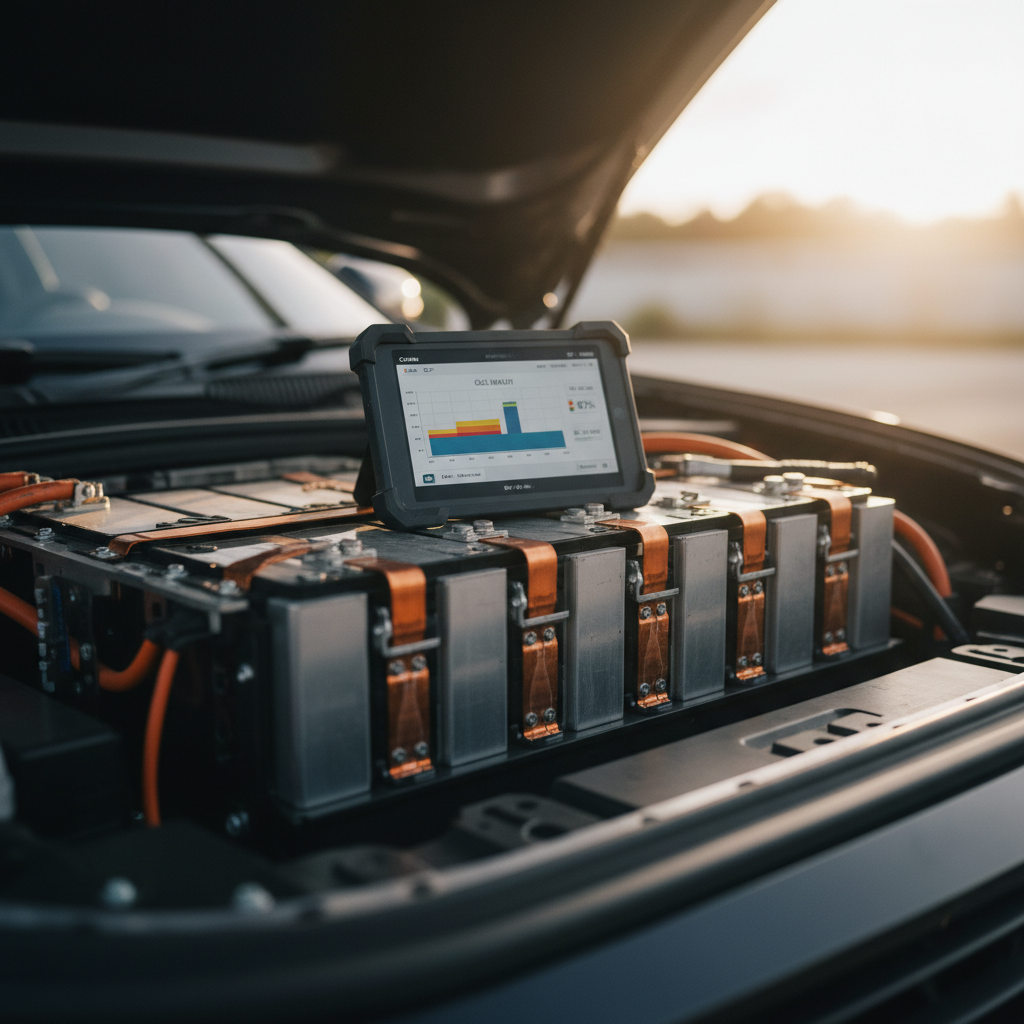
If you’re buying through a marketplace like <strong>Recharged</strong>, look for a <strong>battery health report</strong> or range-focused inspection that quantifies usable capacity. That turns range anxiety into a clear, data-backed decision.
How Recharged helps on the range question
FAQ: 2023 Rivian R1S range questions answered
Frequently asked questions about 2023 Rivian R1S range
Is the 2023 Rivian R1S range good enough to buy used?
If your research started with “2023 Rivian R1S range test,” you’re asking the right question. The R1S is a big, capable, three‑row SUV, and it carries the physics that come with that footprint. In the real world, though, a well‑spec’d 2023 R1S, especially a dual‑motor Large or Max Pack on 21" wheels, delivers highway range that rivals or beats many other electric SUVs while still offering serious off‑road and towing chops.
The key is matching the right configuration to your life: pack size, wheel choice, climate, and driving profile all matter. If you’re shopping used, pairing those factors with a transparent battery health report, like the Recharged Score, will give you a clear picture of what the SUV can do today, not just what it did on day one. For many drivers, that adds up to a Rivian R1S that’s more than capable of daily duty and the kind of road‑trip range that makes an all‑electric adventure SUV feel genuinely easy to live with.