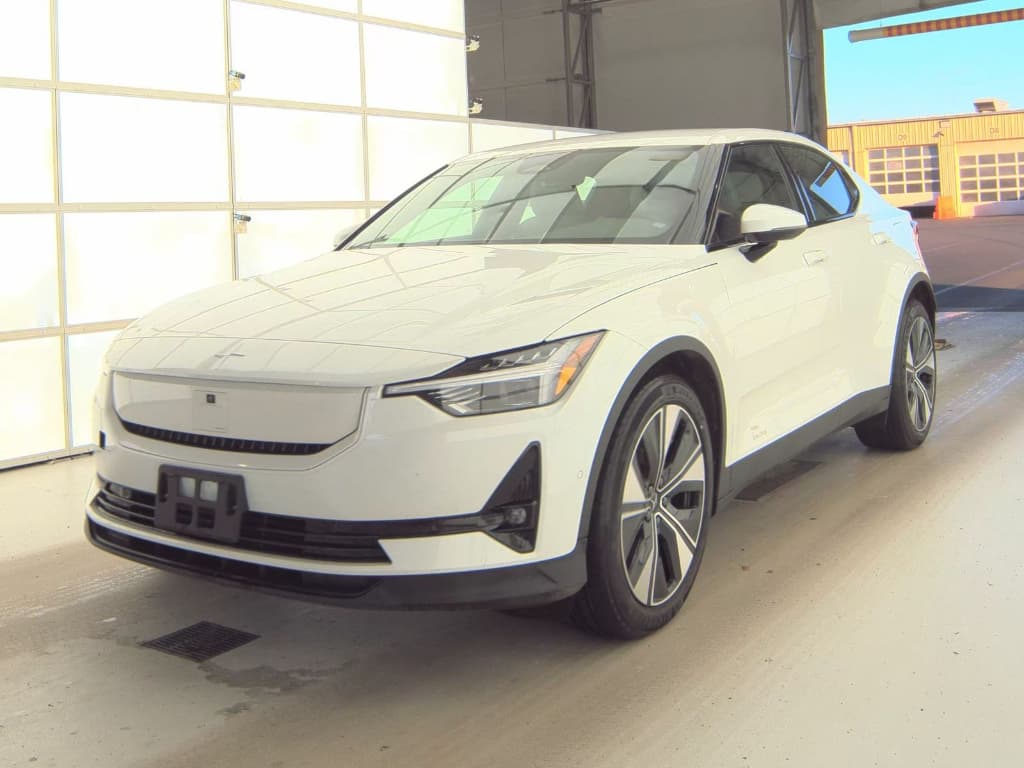
If you’re shopping for a stylish used EV that doesn’t scream “copycat Tesla,” the 2023 Polestar 2 belongs on your short list. This buying guide walks you through trims, range, charging, pricing, and reliability so you can decide whether a 2023 Polestar 2 fits your life, and what to look for when you’re buying used.
Quick take
Why the 2023 Polestar 2 is worth a look used
What makes the 2023 Polestar 2 special
A design-forward alternative to the usual suspects
Distinctive Scandinavian design
Google built-in tech
Strong performance
Model-year sweet spot
2023 Polestar 2 trims and key specs
For 2023 in the U.S., the Polestar 2 lineup is built around a single 78 kWh (about 75 kWh usable) battery pack and two power levels. Instead of traditional trim names, Polestar layers Plus and Pilot option packs on top of Long Range Single Motor and Long Range Dual Motor cars, plus limited-run BST editions for enthusiasts.
2023 Polestar 2 trims at a glance (U.S.)
Approximate EPA ranges and power figures for common 2023 Polestar 2 configurations.
| Trim | Drive | Power | EPA range (mi)* | Notable notes |
|---|---|---|---|---|
| Long Range Single Motor | FWD | ~231 hp | ~270 | Best efficiency; front-wheel drive feel. |
| Long Range Single Motor Plus | FWD | ~231 hp | ~270 | Adds comfort/convenience features like heated rear seats, upgraded audio, and an improved heat pump when equipped. |
| Long Range Dual Motor | AWD | ~408 hp | ~260 | Big jump in power with modest range penalty. |
| Long Range Dual Motor Performance | AWD | ~476 hp | ~260 | Performance Pack with Öhlins dampers, bigger brakes, 20" wheels. |
| BST Edition 270/230 | AWD | ~476 hp | ~247 | Limited-run track-oriented specials; stiffer ride, very rare. |
Always confirm exact specs from the window sticker or Polestar build sheet for the car you’re considering.
Check the option packs
Core 2023 Polestar 2 specs
Range, battery and charging: what to expect
Range and charging are where EVs either fit your life perfectly, or become a daily compromise. The 2023 Polestar 2 sits in the middle of the compact luxury EV pack: not the longest legs, but perfectly workable if you plan around its strengths.
Real-world range
- Single Motor (FWD): Expect roughly 220–250 miles in mixed driving for most owners, with the EPA rating around 270 miles in ideal conditions.
- Dual Motor (AWD): More power and grip, a bit less range, plan on about 210–240 miles in typical use.
- Weather impact: Like most EVs, cold weather, fast highway speeds, and big wheels can trim 15–30% off the rated number.
Charging speeds
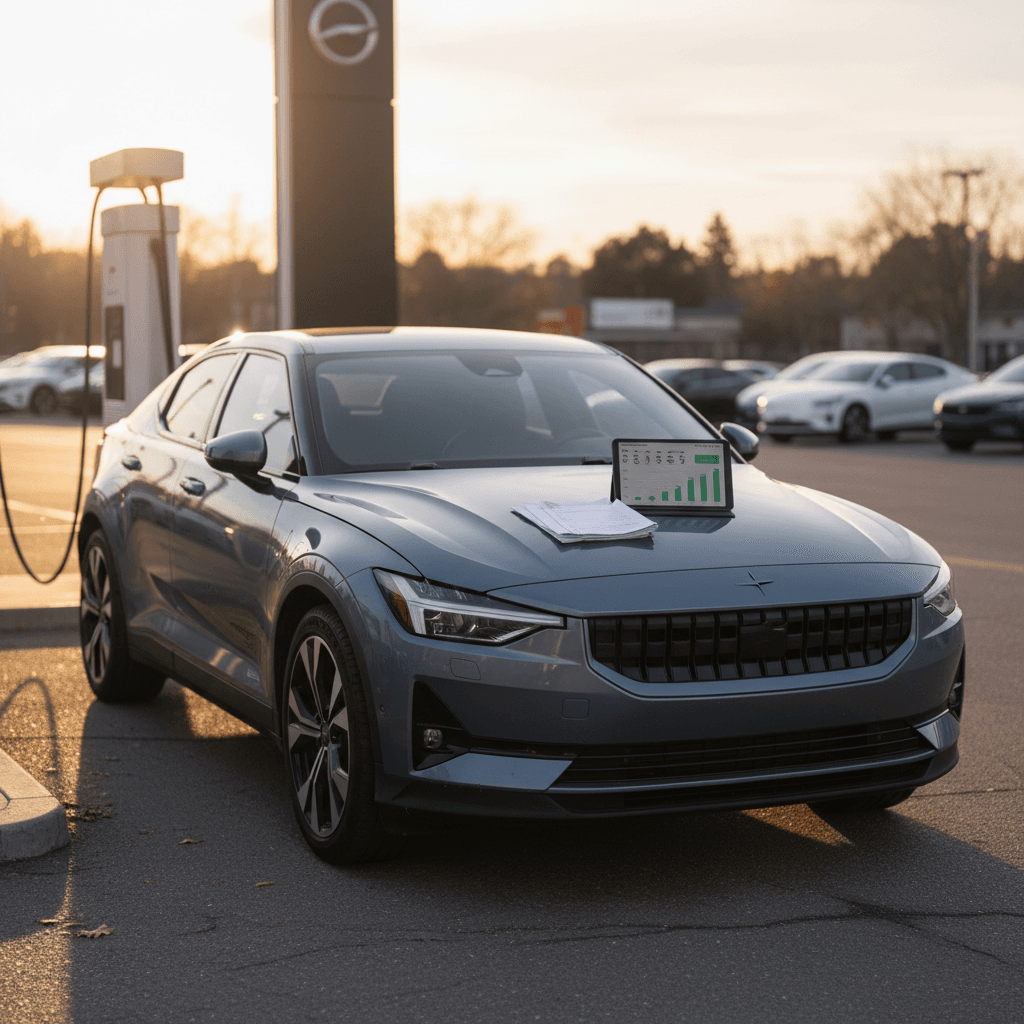
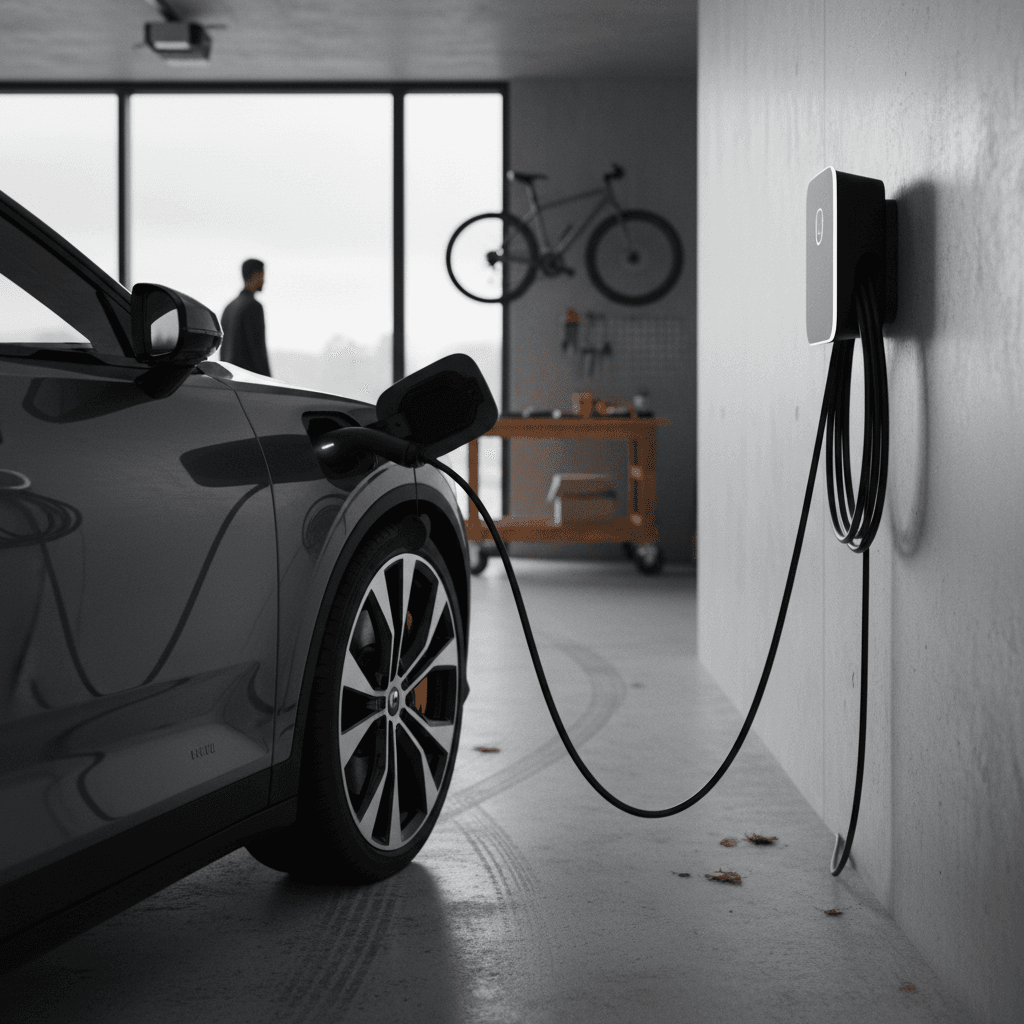
- Home AC charging: 11 kW onboard charger. On a 240V Level 2 at 40–48 amps, a full charge from low typically takes about 8 hours.
- DC fast charging: Peak around 150–155 kW on compatible public DC chargers, with a good 10–80% session in ~35 minutes if the battery is warm.
- Networks: CCS connector for 2023 in North America, so you’ll mostly use Electrify America, ChargePoint, EVgo and similar networks unless your car later gains a NACS adapter.
Plan your home charging first
About the heat pump
Driving experience, comfort and tech
The Polestar 2 doesn’t try to out‑Tesla Tesla. It’s more like a well-sorted European sport sedan that happens to be electric: confident on the highway, tidy in the curves, and solidly built.
How the 2023 Polestar 2 feels to live with
From city commutes to weekend getaways
Driving dynamics
Comfort and space
Infotainment & ADAS
Software quirks happen
Pricing and value on the used market
When new, 2023 Polestar 2 prices in the U.S. generally ranged from the high $40,000s for a Long Range Single Motor to well over $70,000 for limited BST editions with every box ticked. A few model years later, depreciation has been kind to used buyers.
Typical 2023 Polestar 2 used pricing (national ballpark)
Approximate used market ranges as of early 2026; actual prices vary with mileage, condition, options, and region.
| Configuration | Typical price range | Mileage band | Comments |
|---|---|---|---|
| Long Range Single Motor | Low–mid $20,000s | 30k–50k miles | Often the best value if you don’t need AWD. |
| Long Range Dual Motor | Mid $20,000s–around $30,000 | 25k–45k miles | More power and traction for only a small price bump. |
| Performance Pack / Dual Motor Performance | High $20,000s–low $30,000s | 20k–40k miles | Look for cars with documented service; ride is firmer. |
| BST Editions | Low–mid $30,000s+ | Low mileage | Collector-ish; buy for passion, not pure value. |
Use this as orientation, not a quote, always compare real listings in your area.
Where Recharged fits in
Ready to find your next EV?
Browse VehiclesKnown issues and reliability checkpoints
Overall, the Polestar 2 has landed in the middle of the EV reliability pack: plenty of owners report trouble‑free miles, while others have run into frustrating software or component issues. When you’re buying a 2023, go in with clear eyes about what to watch for.
Common concern areas reported by owners
Not every car will have these problems, but they’re worth checking
Connectivity & TCAM issues
Camera and sensor glitches
Axle, bearing, and suspension noise
12V and charging hardware
Take service access seriously
Inspection checklist for a used 2023 Polestar 2
You don’t need to be an engineer to evaluate a used Polestar 2, but you do need a plan. Use this checklist as a starting point; a platform like Recharged layers in battery diagnostics and pricing analysis on top.
Pre-purchase checklist for a 2023 Polestar 2
1. Verify battery health and DC fast-charge history
Ask for a recent battery health report if possible. On Recharged, the Recharged Score includes pack diagnostics and a view into how heavily the car has been DC fast‑charged, which can accelerate degradation.
2. Confirm options, packs and software level
Cross‑check the VIN, build sheet, or original window sticker to see whether the car has Plus/Pilot packs, Performance Pack, and the heat pump. In the car, check for the latest software updates in the settings menu and note any pending updates or warnings.
3. Inspect wheels, tires and brakes
Large 20" wheels and sporty tires look great but can be expensive to replace. Check for curb rash, uneven tire wear, and brake rotor condition, especially if the car lived in a wet or snowy climate where pads can stick.
4. Test all cameras, sensors and ADAS
In a safe area, activate adaptive cruise, lane‑keeping, blind‑spot monitoring, and parking assist. Shift in and out of reverse multiple times to verify backup and 360° cameras work consistently without warnings or black screens.
5. Listen for suspension or drivetrain noise
On your test drive, roll the windows down at low speeds and during tight turns. Note any clunks, clicks, or humming. On the highway, listen for wheel‑bearing or tire roar that changes with speed or lane‑changing loads.
6. Check charging behavior on Level 2
If possible, plug into a Level 2 charger and confirm that the car wakes up quickly, starts charging without error messages, and reports a reasonable estimated time to full. A car that’s finicky about AC charging deserves extra scrutiny.
7. Evaluate interior wear and electronics
Cycle climate controls, seat heaters, stereo, navigation, and all switches. The Polestar 2’s cabin materials are durable, but a heavily worn interior in a low‑mileage car can be a red flag about how it was treated overall.
Bring a second opinion
2023 Polestar 2 vs popular rivals
In the used market, the 2023 Polestar 2 most often cross‑shops against the Tesla Model 3, Hyundai Ioniq 5, Kia EV6, and sometimes the BMW i4. Each has a distinct personality, and a different set of compromises.
How the 2023 Polestar 2 stacks up
Broad strokes comparison for typical trims at similar price points as of 2026.
| Model | Strengths | Tradeoffs vs Polestar 2 |
|---|---|---|
| 2023 Polestar 2 | Distinct design, great seats, Google built-in, strong performance, hatchback practicality. | Smaller service network; range and charging solid but not best-in-class. |
| 2022–2023 Tesla Model 3 | Class-leading charging network, excellent efficiency and range, mature software ecosystem. | More common; interior design is love‑it‑or‑leave‑it; build quality can be inconsistent. |
| 2022–2023 Hyundai Ioniq 5 | Super-fast 800V charging on the right stations, roomy cabin, smooth ride. | Boxier crossover styling; infotainment not as tightly integrated as Polestar’s Google system. |
| 2022–2023 Kia EV6 | Sporty feel, very rapid DC charging, bold design. | Rear visibility and interface can be polarizing; some trims pricier used than Polestar 2. |
| 2022–2023 BMW i4 | Premium interior, BMW driving feel, strong performance. | Typically pricier used; less hatchback utility than Polestar 2 despite Gran Coupe body. |
Exact specs vary by model, year, and trim, this is a directional guide.
When the Polestar 2 makes the most sense
- You want something more distinctive than a sea of Model 3s and crossovers.
- You value seat comfort, driving feel, and cabin quality as much as raw range numbers.
- You’re okay living with CCS public charging and a smaller service network in exchange for a more boutique ownership experience.
When to look elsewhere
- You road‑trip long distances often and want the absolute easiest fast‑charging experience, that still favors Tesla in 2026.
- You live far from any Polestar service partner.
- You need a truly spacious family hauler; in that case, look at Ioniq 5, EV6, or a larger SUV EV.
Is the 2023 Polestar 2 right for you?
A used 2023 Polestar 2 can be a smart buy if you’re drawn to its design, like the idea of Google built-in, and are realistic about range and charging. It’s especially compelling in Single Motor form for efficient commuters, and in Dual Motor spec if you want a grown‑up, all‑weather performance EV without stepping into full luxury‑brand pricing.
The keys to a good experience are battery health, service access, and a clean reliability history. Whether you shop through Recharged, with a Recharged Score Report, battery diagnostics, transparent pricing, and nationwide delivery, or hunt locally, use this guide and the checklist above to separate the great Polestar 2s from the merely cheap ones.