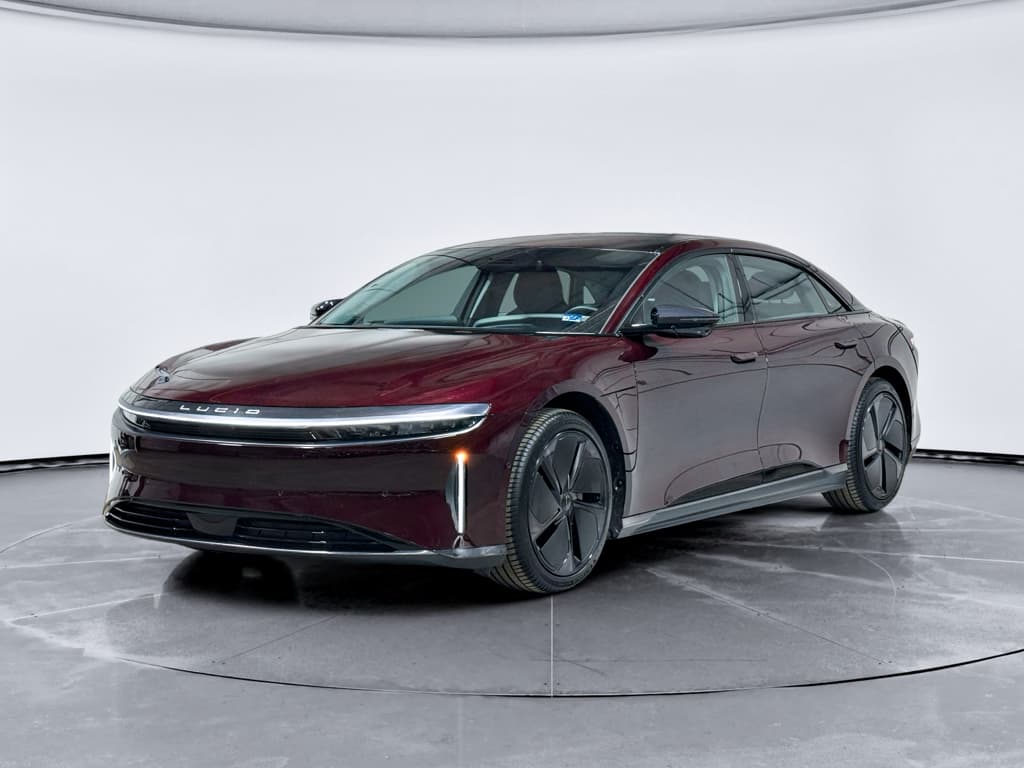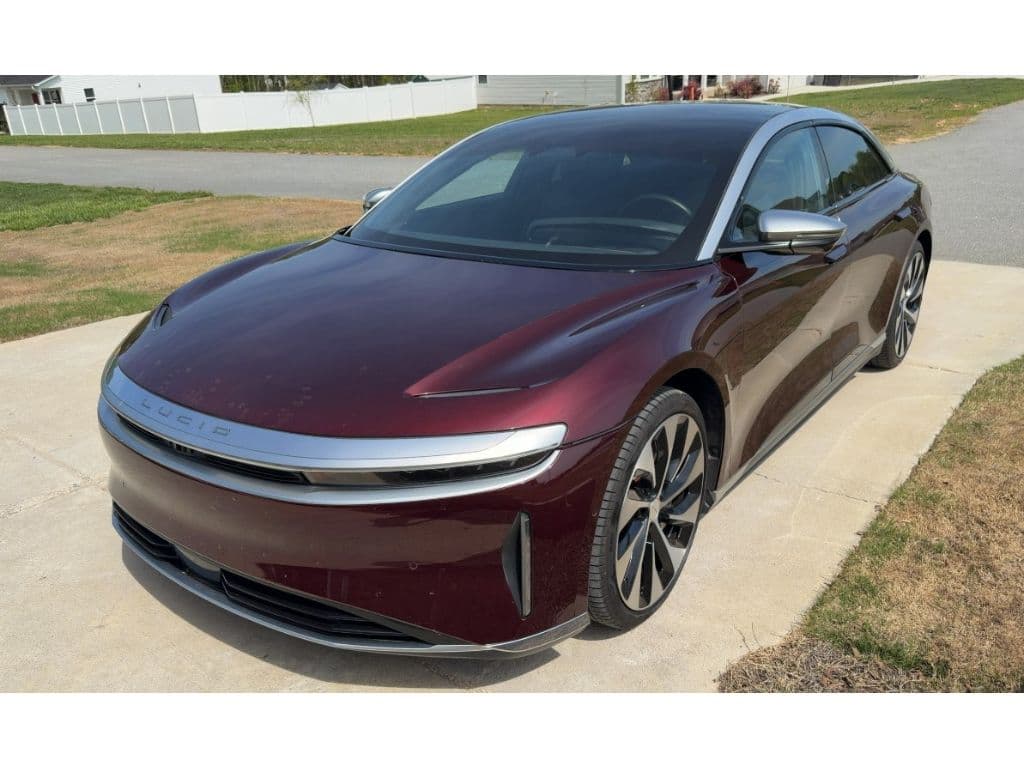
If you’re shopping a used luxury EV, the 2023 Lucid Air is probably on your radar for its stunning range, performance, and design. But search for 2023 Lucid Air problems and fixes and you’ll find a very different story: early-build recalls, glitchy software, spotty service, and owners wondering if they bought into a beta test. This guide pulls those threads together so you can separate scary headlines from solvable issues, and decide if a 2023 Air belongs in your driveway.
Quick take
Should you worry about 2023 Lucid Air problems?
You should treat the 2023 Lucid Air like what it is: a brilliant, ambitious EV from a young automaker that’s still learning how to be a full‑service car company. That means more risk and more homework than you’d have with a used Tesla Model S or Mercedes EQS. For some drivers, the tradeoff, range, performance, design, is absolutely worth it. For others, the prospect of software bugs and long service waits is a deal‑breaker.
2023 Lucid Air at a glance
Why 2023 matters
Big picture: 2023 Lucid Air reliability
Where the 2023 Air shines
- Range champion: Many trims comfortably clear 400 miles of EPA range, and real‑world highway numbers are competitive if you manage speed and weather.
- Driving experience: Quiet cabin, huge power reserves, and a chassis that feels lighter than the spec sheet suggests.
- Fresh design: Airy glasshouse, sleek exterior, and a cabin that feels special even compared with big‑brand flagships.
Where it struggles
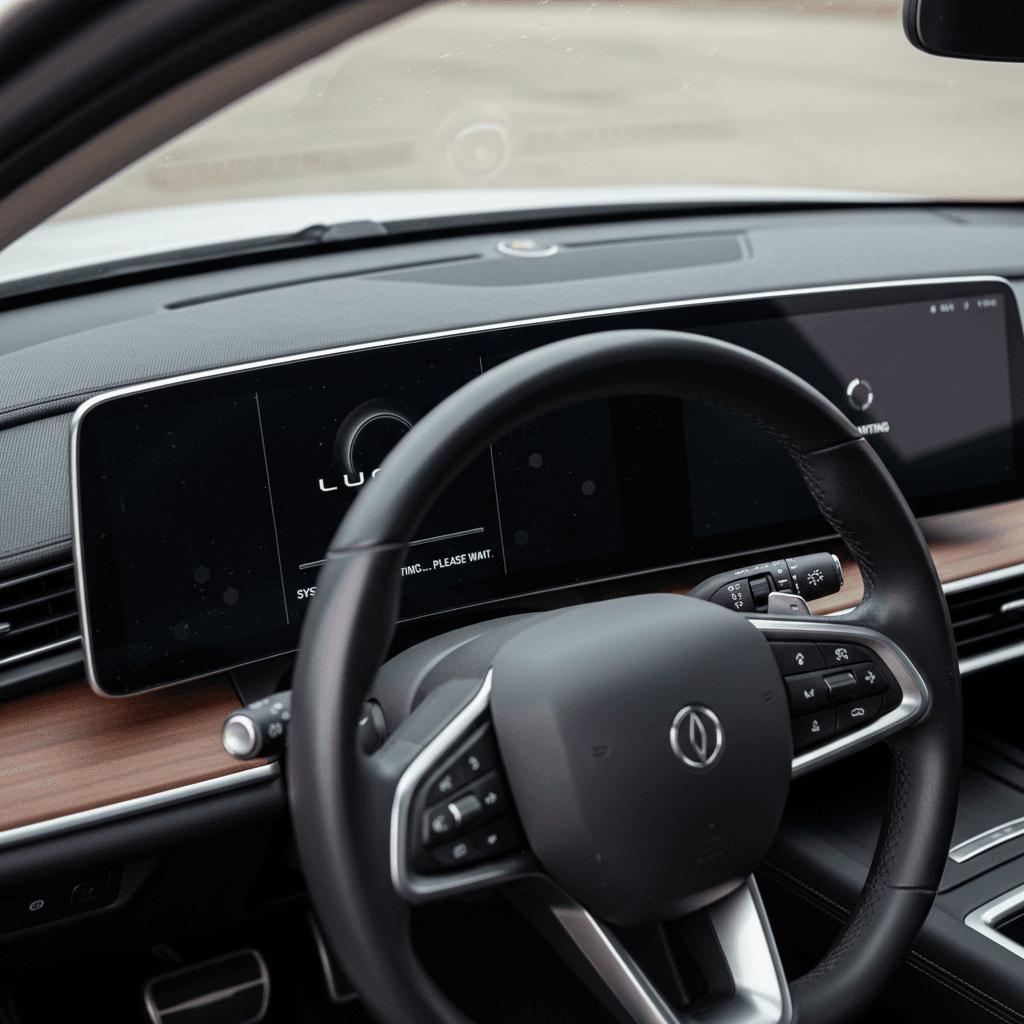
- Software polish: Owners consistently report buggy infotainment, random warnings, and screens that need frequent reboots.
- Service footprint: Limited service centers mean longer wait times and transport logistics if something goes really wrong.
- Recall density: Early model years have seen multiple safety campaigns, especially around software and warning systems.
How Recharged can help
2023 Lucid Air recalls and official fixes
Because the Air is a clean‑sheet EV, Lucid has leaned heavily on over‑the‑air updates and recalls to solve early issues. When you’re evaluating a 2023 Air, whether you own it now or are about to buy, your first job is to confirm that these campaigns have been addressed.
Key 2023 Lucid Air recall campaigns impacting 2023 models
Always run the VIN through NHTSA’s recall tool and Lucid’s own portal; not every 2023 Air is affected by every campaign, and timing of the build matters.
| Issue | Model years involved | What can happen | How Lucid fixes it | What you should verify | |
|---|---|---|---|---|---|
| Power loss software defect | 2022–2023 Air | Vehicle can lose drive power without proper warning in rare conditions | OTA software update that corrects warning logic and system behavior | Confirm software is at or beyond the recall remedy version in the service history | |
| E‑call / emergency call malfunction | Select 2023 Air builds | Manual SOS button may not trigger an emergency call | Hardware and/or software update to the telematics module | Test the e‑call function with a service advisor or confirm documented repair | |
| Various hardware campaigns (suspension, wiring, etc.) | Primarily 2022–2023 | Components may not meet spec, potentially affecting safety or durability | Inspection and part replacement at a Lucid service center | Ask for a printout showing ‘no open recalls’ for that VIN |
Use this as a conversation starter with the seller or service advisor, not a substitute for an official VIN check.
Do not DIY safety recalls
Most common 2023 Lucid Air problems
Compared with high‑volume EVs, the sample size on the 2023 Air is small. But when you read through owner forums, YouTube reviews, and complaint databases, a few clear patterns emerge. The themes: software gremlins, inconsistent build quality, some charging frustrations, and the reality of living with a startup’s service network.
Software bugs and infotainment glitches
Ask ten Lucid owners what bothers them most and a majority will point to software. The hardware, the motors, the battery, the chassis, earns lots of praise. The code running on top of it can feel half a step behind.
- Center or lower “Pilot Panel” screens going black or freezing mid‑drive
- Audio system cutting out or only some speakers playing
- Random warnings for driver‑assist systems or lane‑keeping when nothing is wrong
- Keyless entry or auto‑locking behaving unpredictably
- Apple CarPlay or Android Auto not connecting reliably
- Over‑the‑air update failures or cars that temporarily ‘brick’ during an update
Practical fixes for 2023 Lucid Air software issues
1. Learn the reboot sequence
Lucid has documented reboot procedures using the steering wheel buttons and on‑screen controls. If a screen goes dark or a function disappears, a <strong>full system reboot</strong> is often the fastest fix. Ask service to walk you through it and keep the steps handy.
2. Stay current on software
Most software‑related recalls and bug fixes are delivered via over‑the‑air updates. Check your current version in the settings menu and compare it against Lucid’s release notes or a service advisor’s recommendations.
3. Use stable connectivity for big updates
When a major update is available, park where the car has <strong>strong Wi‑Fi or cellular signal</strong>, leave enough battery, and give it time. Interrupting or rushing an update can increase the odds of a failed install.
4. Document glitches with photos or video
If an issue happens repeatedly, screens going black, audio cutting out, record it. Clear evidence makes it easier for Lucid to escalate and, if necessary, replace modules under warranty.
5. Check for patterns after updates
Some owners report that a fresh update temporarily introduces new quirks. After each update, pay attention for a week and note any changes. If something critical breaks, contact service immediately.
The silver lining
Build quality and hardware issues
Startup automakers rarely nail build quality out of the gate, and Lucid is no exception. Many 2023 Airs are beautifully put together, but you’ll also find cars with a laundry list of small defects, and the occasional big one.
Typical 2023 Lucid Air build-quality complaints
Most are fixable under warranty, but they’re time‑consuming.
Exterior fit & finish
- Misaligned doors or trunk
- Frunk that won’t latch reliably
- Wind noise from seals at highway speed
Interior trim & seats
- Seat seams pulling or wearing early
- Rattles from dash or doors
- Minor cosmetic flaws from delivery
Mechanical odds & ends
- Squeaks from suspension on rough roads
- Occasional sensor or camera replacements
- Loose trim needing re‑attachment
How to spot hardware problems on a used 2023 Air
Walk the body in good light
Look closely at panel gaps, especially around the hood, trunk, and doors. Gaps should be consistent side to side. Uneven gaps, chipped paint on edges, or doors that need an extra slam all deserve follow‑up questions.
Test every latch and opening
Open and close all four doors, trunk, and frunk several times. A frunk that pops back up or refuses to open smoothly is a common Lucid complaint and usually fixable, but it’s a bargaining chip.
Drive at highway speed
On the test drive, spend a few minutes around 65–75 mph. Listen for wind noise at the A‑pillars or mirrors and for creaks from the dash. Note any steering wheel vibrations or pulling that might point to alignment or wheel‑balance issues.
Run every seat and window
Move each power seat through its full range, recline, and lumbar support. Roll all windows up and down. Early failures here are annoying but typically covered under warranty; you still want them fixed before you sign.
Charging and battery-related complaints
Given its class‑leading range, you might expect horror stories about the 2023 Lucid Air’s battery pack. Those are rare. The more common frustrations involve public fast‑charging networks and software handshakes rather than the pack itself.
- Plug‑and‑charge failures at some DC fast‑charging networks, requiring manual app or card starts
- Inconsistent charge rates at third‑party stations, especially when stations are shared or derated
- Normal early battery‑capacity loss (often 4–7% in the first year) before the degradation curve flattens
- Occasional DC fast‑charger incompatibilities that require trying another stall or station
What’s normal battery behavior?
If your 2023 Lucid Air is hard to charge
Verify station, not just car
Before blaming the Air, try another stall or station, preferably another network. Many public DC fast‑chargers have their own reliability issues that mimic vehicle problems.
Update charging profiles
Make sure your Lucid software and, if applicable, your charging‑app accounts are current. Re‑adding the vehicle to third‑party apps or deleting stale profiles can clear up handshake issues.
Use healthy charging habits
For daily use, keep the battery in the mid‑range and avoid back‑to‑back DC fast‑charging sessions when possible. If you’re buying used, ask for charge‑history screenshots or data from a <strong>Recharged Score battery report</strong> to see how the car has been treated.
Investigate real degradation
If range has dropped dramatically or the car shows high‑voltage system warnings, schedule service. Pack defects are uncommon but serious, and large drops in available range may justify warranty repairs or even pack replacement.
How to diagnose a used 2023 Lucid Air
If you’re considering a used 2023 Air, assume nothing. You’re not just buying a stunning sedan, you’re inheriting someone else’s relationship with a young automaker. The goal is to figure out whether that relationship was routine and boring, or a rolling science experiment.
Four pillars of a smart 2023 Lucid Air inspection
Use these to frame your questions and your test drive.
1. Paper trail
Look for complete service records, recall letters, and delivery checklists. Gaps or vague invoices are warning signs on any startup EV.
2. Software history
Ask which major software versions the car has seen and whether updates have ever failed. A car that’s been on current builds tends to behave better.
3. Battery health
Use tools like the Recharged Score or service reports to see state of health, fast‑charge usage, and any high‑voltage fault codes.
4. Real test drive
Drive in city and highway traffic, work all driver‑assist features, and intentionally push the infotainment, navigation, audio, connectivity, to see if it stumbles.
Pre‑purchase checklist for a 2023 Lucid Air
Confirm all safety recalls are closed
Run the VIN through NHTSA’s website and ask a Lucid service center to print a recall status. Do not accept “it should be fine” in place of documentation.
Ask about service center experiences
Have there been multiple long service visits? Was Lucid responsive? A car that’s technically fixed but has a history of month‑long service stays is important context.
Inspect tires, wheels, and underside
Big‑power EVs are hard on tires. Check for uneven wear that might hint at alignment issues. Look under the car for scrapes on battery shields or underbody panels.
Verify all keys and features
Make sure you get all keys, key cards, and that app‑based access works. Test adaptive cruise, lane‑keeping, parking cameras, and any premium features the trim promises.
Negotiate around unresolved issues
If you do find problems, price them in. A squeaky seat and a sticky frunk may be tolerable at the right discount, but be honest about your appetite for hassle.
Ownership strategies to reduce headaches
Living happily with a 2023 Lucid Air is possible, you just have to treat it like what it is: a sophisticated computer that happens to be a fantastic car. A few habits can dramatically improve your day‑to‑day experience.
Technical habits
- Schedule updates on your terms: Apply big software updates when you don’t need the car for a few hours, not right before a road trip.
- Keep a simple bug log: When something weird happens, jot down date, mileage, and conditions. You’ll see patterns faster than your service advisor will.
- Pair with a reliable home charger: A stable Level 2 home setup removes half the frustration of dealing with public networks.
Logistical habits
- Know your nearest service options: Before you buy, figure out where your Lucid would go for repairs and how it would get there.
- Build in buffer time: For any long trip, allow extra time in case a fast‑charger or software quirk slows you down.
- Leverage concierge help: When you buy through Recharged, our EV specialists help you interpret service records, plan charging, and understand what’s “normal weird” and what’s a red flag.
When to walk away from a 2023 Lucid Air
Every used EV has a story. Some 2023 Airs are drama‑free; others read like an experimental novel. No matter how good the deal looks, there are times when you’re better off walking away and shopping a different car, or at least a different example.
- Open safety recalls with no clear plan for repair
- Service history full of repeated visits for the same software or hardware problem
- Evidence of major structural repairs after a crash, especially around the battery pack
- Unexplained gaps in maintenance or missing records on a high‑dollar luxury EV
- Owner or seller who downplays serious issues instead of showing you how they were resolved
Don’t ignore your stomach
FAQ: 2023 Lucid Air problems and fixes
Frequently asked questions about 2023 Lucid Air issues
Bottom line: Should you buy a 2023 Lucid Air used?
If you’re only comfortable with appliances that happen to have four wheels, the 2023 Lucid Air probably isn’t your car. It’s too new, too ambitious, and too tied to evolving software to feel like a set‑and‑forget appliance. But if you love the idea of a long‑legged, gorgeous luxury EV and you’re willing to be a bit of a co‑pilot in its development, a well‑sorted 2023 Air can be a spectacular machine.
The key is picking the right example. Look for clean recall history, current software, solid service records, and a healthy battery. Price in the risk of extra service visits, and be honest about your patience for occasional glitches. Shop through a partner that understands early‑generation EVs, like Recharged, and you can enjoy the best parts of Lucid’s vision while keeping the drama to a minimum.