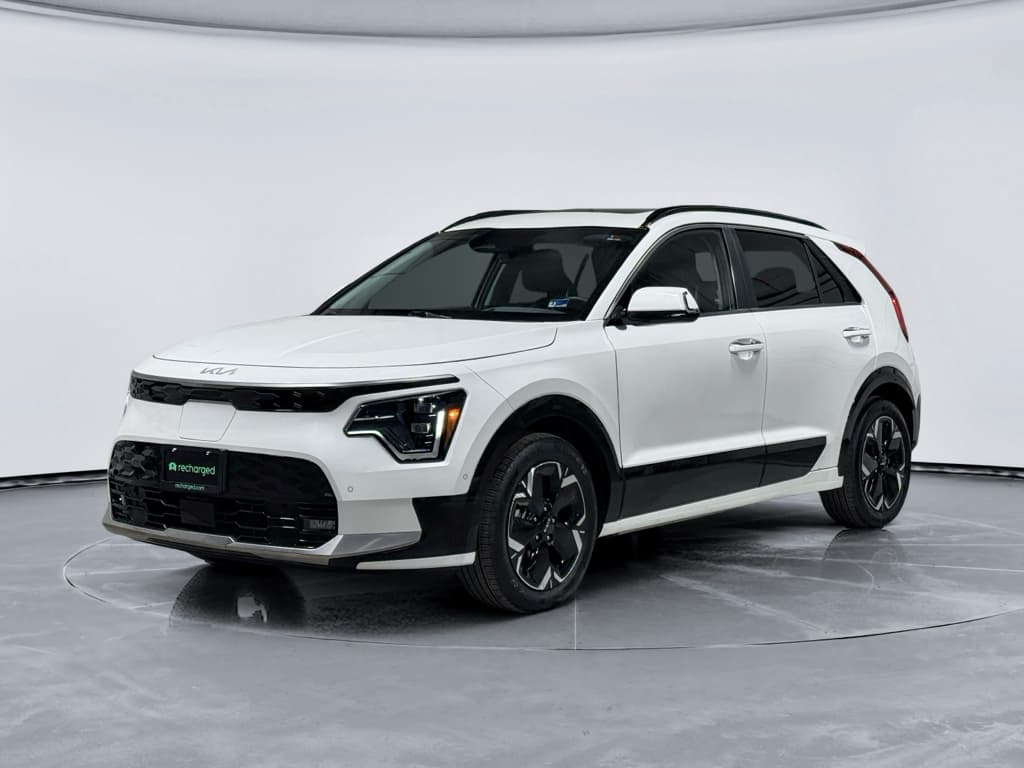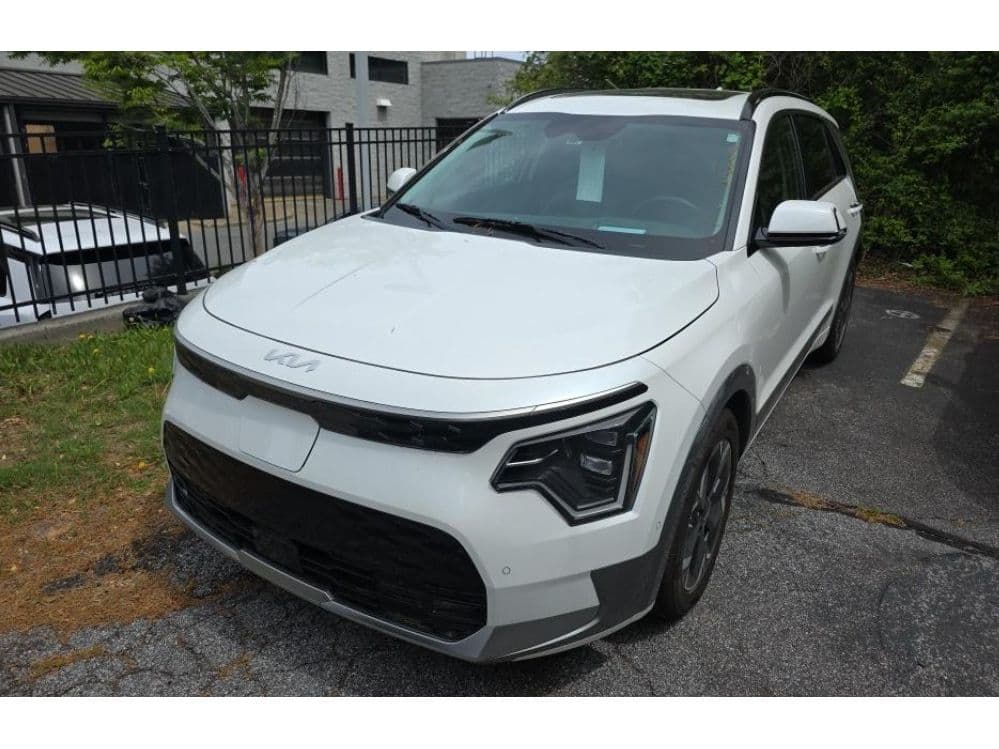
If you’re shopping for a practical, efficient electric crossover, the 2023 Kia Niro EV is one of the smartest plays in today’s market, especially as a used buy in 2025–2026. It delivers solid range, a roomy cabin, and approachable pricing without the flash (or cost) of Kia’s EV6. This 2023 Kia Niro EV buying guide walks you through trims, range, charging, reliability, and the key things to check before you sign anything.
Model-year context
Why the 2023 Kia Niro EV is worth a look
Kia redesigned the Niro family for 2023, and the Niro EV moved from quirky niche product to genuinely competitive compact electric SUV. It’s not the quickest or fastest‑charging EV out there, but it hits a sweet spot for commuters and small families who want EV efficiency without giving up cargo room or a conventional driving feel.
Who the 2023 Niro EV fits best
If you see yourself in one of these buckets, the Niro EV belongs on your shortlist.
Daily commuters
Routinely drive 20–70 miles a day? The Niro EV’s 253‑mile EPA range means you can go several days between charges, even with some highway driving mixed in.
Small families
Need space for kids, pets, or gear? The Niro EV’s hatchback body, decent rear legroom, and easy step‑in height make it more practical than many sedans.
Value‑oriented buyers
As a used EV, 2023 Niro EV pricing has dropped well below original MSRP, but you still get modern safety tech, DC fast charging, and a long battery warranty.
Where Recharged fits in
Key specs: 2023 Kia Niro EV at a glance
2023 Kia Niro EV core specs
2023 Kia Niro EV quick specifications
Both trims share the same powertrain; most differences are in features and interior feel.
| Spec | 2023 Niro EV |
|---|---|
| Battery | 64.8 kWh lithium‑ion |
| Drivetrain | Front‑wheel drive |
| Horsepower | 201 hp |
| Torque | 188 lb‑ft (approx.) |
| EPA range | 253 miles |
| Onboard AC charger | Up to 11 kW (market‑dependent; ~7.2 kW typical in U.S.) |
| Max DC fast charge | About 80–85 kW peak |
| 0–60 mph | Mid‑7‑second range (manufacturer/road tests) |
Use this table as a starting point when you compare Niro EVs on a dealer lot or online listings.
Trim levels: Wind vs Wave
For 2023, Kia simplified the Niro EV lineup into two trims: Wind and Wave. They drive the same and share identical range and charging hardware, so your decision largely comes down to comfort and convenience features.
2023 Kia Niro EV trims compared
Highlights only, equipment can vary by region and options packages. Always verify features on the individual VIN.
| Feature | Wind | Wave |
|---|---|---|
| Drivetrain & battery | Same 201 hp motor, 64.8 kWh pack | Same |
| EPA range | 253 miles | 253 miles |
| Wheels | 17" alloy | 17" alloy (different design) |
| Upholstery | Cloth / synthetic | Upgraded synthetic, more soft‑touch surfaces |
| Seat features | Heated front (often optional) | Heated & ventilated front seats on many builds |
| Sunroof | Typically not standard | Available or standard on many Wave models |
| Driver assistance | Full ADAS suite (LKA, ACC, AEB, etc.) | Same, plus additional convenience features depending on package |
| Heat pump & battery warmer | Available on some builds | More commonly equipped, but still options‑dependent |
| MSRP when new (approx.) | Around low $40,000s | Mid‑$40,000s |
Wind is the value play; Wave adds tech, luxury, and more available options.
Trim choice in plain language
Range and real‑world efficiency
On paper, the 2023 Kia Niro EV delivers an EPA‑rated 253 miles of range. In the real world, your results will depend heavily on speed, temperature, and how much highway you drive.
What you can reasonably expect
- City/suburban driving: 240–270 miles is realistic in mild weather if you’re mostly under 60 mph.
- Mixed driving: Many owners see 210–240 miles per full charge with a blend of city and freeway.
- Cold climates: Winter can knock range down 20–35%, especially on highway‑heavy trips without a heat pump.
Range‑savvy driving tips
- Use Eco mode and moderate acceleration when you’re range‑constrained.
- Take advantage of adjustable regenerative braking and “i‑Pedal” one‑pedal driving in traffic.
- Precondition the cabin while plugged in on cold or hot days to protect range.
Heat pump considerations
Charging: home and DC fast reality check
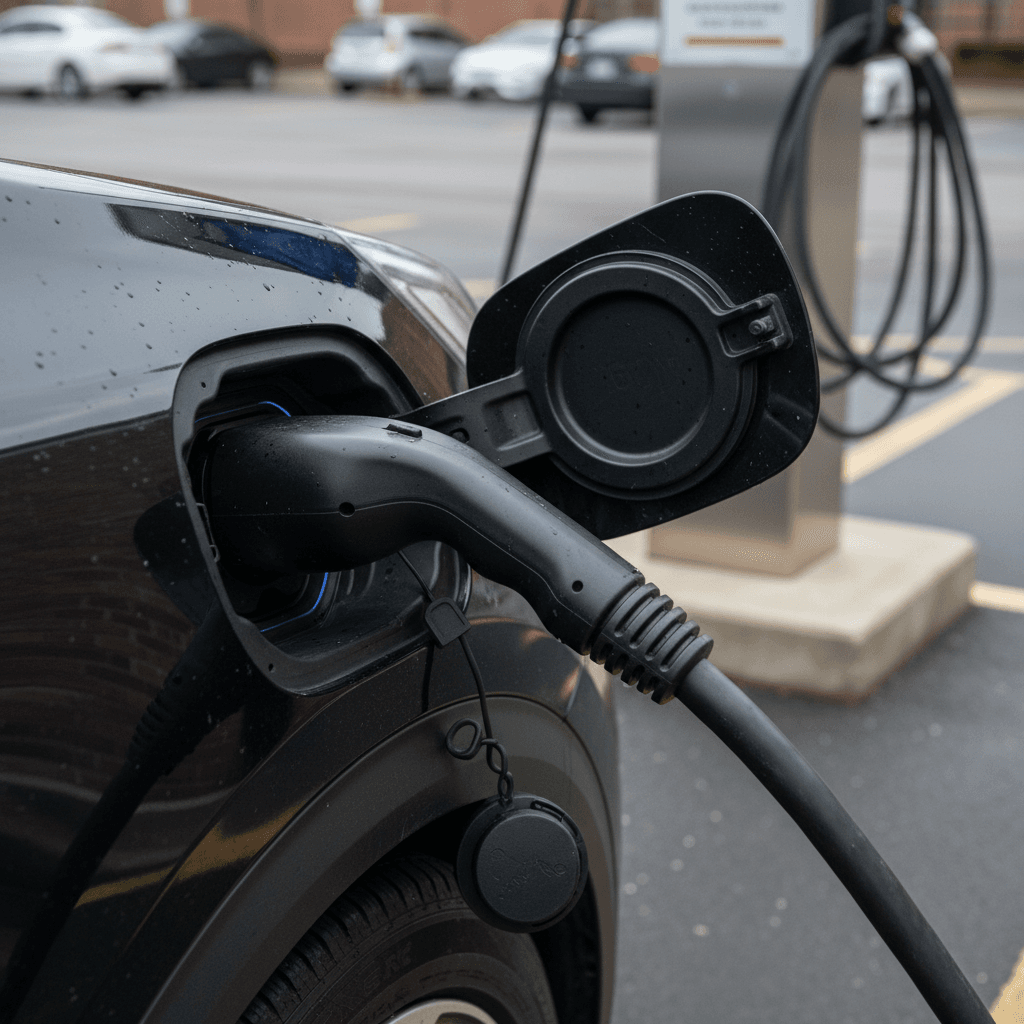
The 2023 Kia Niro EV isn’t a charging rocket ship like some 800‑volt EVs, but it’s entirely workable for commuting and moderate road‑tripping. Understanding its strengths and limits up front will help you avoid disappointment at the plug.
Charging the 2023 Niro EV: what to know
Here’s how long it typically takes to charge in different scenarios.
Level 1 (120V)
Useful for emergencies or topping up at a workplace. Expect only 3–4 miles of range per hour. Not a long‑term primary solution.
Level 2 (240V)
On a typical 32–40A home charger, you’ll add roughly 25–30 miles of range per hour. A mostly empty battery can be refilled overnight in about 7–9 hours.
DC fast charging
On a capable CCS fast charger, Kia quotes 10–80% in under 45 minutes, with peak power around 80–85 kW. After ~80%, charging intentionally slows to protect the battery.
Plan your fast‑charge stops
In owner reports, real‑world DC fast charging often depends more on charger quality, weather, and battery temperature than on the car’s spec sheet. If you’re buying used, it’s worth doing at least one DC fast‑charge session during your test drive or inspection to confirm that charging behavior matches expectations.
Safety tech and comfort features
Kia equipped the 2023 Niro EV with an extensive list of driver‑assist and safety features, even on the base Wind trim. That’s one of the reasons it remains appealing as a used EV: you don’t feel like you’re stepping back a generation in tech.
- Automatic emergency braking with pedestrian detection
- Lane keeping assist and lane following assist
- Adaptive cruise control with stop‑and‑go on most builds
- Blind‑spot monitoring and rear cross‑traffic alert
- Multiple drive modes (Eco, Normal, Sport)
- Available head‑up display and upgraded digital cluster on higher trims
Long battery warranty
Pricing, resale, and the used 2023 Niro EV market
When the 2023 Niro EV was new, the Wind trim started in the low $40,000s and the Wave hovered in the mid‑$40,000s before incentives and taxes. Today, depreciation and the flood of newer EVs mean used 2023 Niro EVs often transact well below those numbers, especially for higher‑mileage examples.
What you’ll typically see in 2025–2026
- Wind: Commonly found in the high‑teens to low‑$20,000 range depending on mileage, condition, and region.
- Wave: Usually commands a modest premium, but deals can be similar to Wind if equipment or mileage isn’t ideal.
- Low‑mileage, one‑owner cars: Expect to pay at the top of the range, especially with desirable options like a heat pump.
Incentives and financing
- Some states and utilities still offer rebates on used EVs or home charger installations.
- Because the 2023 Niro EV is no longer new, federal clean vehicle tax credit eligibility will depend on current rules for used EVs and income caps.
- Recharged can help you pre‑qualify for financing and compare total costs, including delivery, taxes, and fees.
Value versus newer EVs
Common issues and what to inspect
The 2023 Kia Niro EV has not shown widespread, catastrophic problems so far. Most owners report a smooth experience. That said, a few patterns and recalls have surfaced that you should be aware of when shopping used.
- Driveshaft / axle recall: Some 2023 (and early 2024) Niro EVs have been subject to a driveshaft‑related recall. Confirm recall work is completed by checking the VIN with a Kia dealer.
- Infotainment quirks: Occasional reports of laggy screens, Bluetooth glitches, or random reboots. These are annoying more than dangerous, test all functions during your drive.
- DC fast‑charge speed complaints: Many owners are surprised when real‑world charging doesn’t match the brochure. In cold weather, on older or overloaded chargers, you may see much slower speeds than the theoretical 80‑plus kW peak.
- Noises and rattles: A minority of owners mention interior rattles or suspension noises over rough pavement. These can usually be addressed under warranty but are worth listening for on a test drive.
Don’t skip a battery and charging health check
How the 2023 Niro EV compares to alternatives
Cross‑shopping is healthy. In 2023 and beyond, the Niro EV’s natural rivals include the Chevrolet Bolt EUV, Hyundai Kona Electric, and Kia’s own EV6. Each has strengths, but the Niro EV carves out a niche as the pragmatic middle ground.
2023 Niro EV vs common alternatives
High‑level comparison based on typical U.S.‑spec vehicles.
Chevy Bolt EUV
- Similar footprint, slightly smaller cargo space.
- Often cheaper used, but older models have earlier‑generation DC charging hardware.
- Interior and ride feel less refined than the Niro EV.
Hyundai Kona Electric
- Shares a lot of hardware DNA with earlier Niro EVs.
- Quick and efficient, but rear seat and cargo are tighter.
- Charging performance broadly similar; styling and interior feel are the big differentiators.
Kia EV6
- Much faster DC charging and stronger performance.
- More expensive, even used; feels more like a design statement.
- If you road‑trip often, the EV6 may be worth the extra money. For daily use, Niro EV’s value is hard to beat.
Buying checklist for a 2023 Kia Niro EV
Essential checks before you buy
1. Confirm trim and cold‑weather equipment
Verify whether the car is a <strong>Wind or Wave</strong>, and look for options like the heat pump and battery warmer if you live in a cold region. These are rarely easy or cheap to retrofit.
2. Run a battery health diagnostic
Ask for a recent <strong>battery health report</strong>. On Recharged, every Niro EV listing includes a Recharged Score with pack health, range estimates, and degradation insights.
3. Test DC fast charging
If possible, do a short DC fast‑charge session from around 20–60%. Confirm the car can climb toward its expected 70‑80 kW range on a capable charger and that it doesn’t throw charge‑related errors.
4. Check for open recalls and service history
Use the VIN to check for <strong>open recalls</strong>, particularly drivetrain or driveshaft campaigns. Review service records for software updates and any repeated electrical or infotainment complaints.
5. Inspect tires, brakes, and suspension
Heavier EVs can be tougher on tires and suspension components. Look for uneven tire wear, pull under braking, or clunks over bumps that might indicate worn bushings or shocks.
6. Evaluate interior tech and comfort
Pair your phone, test CarPlay/Android Auto, try every window and seat adjustment, and confirm driver‑assist features (adaptive cruise, lane‑keeping) behave as expected.
7. Factor in charging access at home
If you don’t already have a 240V outlet or Level 2 charger, include installation costs in your budget. A Level 2 solution turns the Niro EV from ‘usable’ into ‘effortless’ for daily life.
FAQs: 2023 Kia Niro EV buying questions
Frequently asked questions about the 2023 Kia Niro EV
Is the 2023 Kia Niro EV right for you?
If you’re looking for an electric vehicle that just quietly gets the job done, the 2023 Kia Niro EV deserves serious consideration. It offers honest range, straightforward driving manners, and everyday practicality at used‑car prices that undercut many newer, flashier EVs. It’s not built to set lap records or demolish fast‑charge leaderboards, but for commuting, errands, and family duty, it’s exactly the kind of EV most people actually need.
The key to a smart purchase is doing your homework: confirm the trim and options, check for completed recalls, and, most importantly, get an objective read on battery health and charging performance. That’s where a platform like Recharged comes in: with expert EV guidance, the Recharged Score, flexible financing, and nationwide delivery, you can shop for a 2023 Niro EV with the same confidence you’d have kicking tires at your favorite local dealer, minus the pressure.