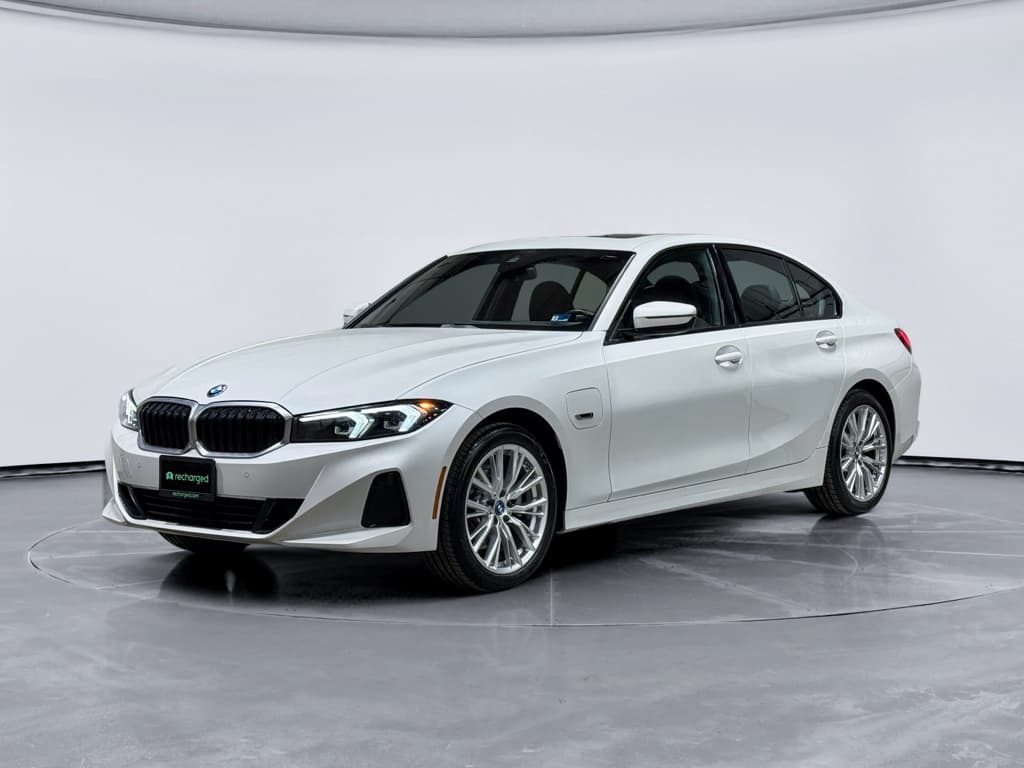
If you own or are shopping for a 2023 BMW i4, you’ve probably heard about battery and power-related recalls. This guide pulls together the most important 2023 BMW i4 recalls list information in one place, explains what each recall means in plain English, and shows you how to protect yourself as an owner or used-EV shopper.
Quick reminder about recalls
Overview: 2023 BMW i4 recalls at a glance
Key recall themes for the 2023 BMW i4
For the 2023 i4, the big themes are high‑voltage battery hardware, charging electronics, and software that can trigger sudden loss of drive power. Not every 2023 i4 is affected by every recall, coverage depends on build date, trim (eDrive35, eDrive40, M50), and sometimes even battery supplier. That’s why a VIN lookup is essential.
Stop‑drive orders are serious
Major 2023 BMW i4 recall campaigns
Below is a high‑level summary of the major recall campaigns that have involved the 2023 BMW i4 so far. Exact NHTSA campaign numbers and dates can vary slightly by trim, but the themes stay the same.
Summary of major 2023 BMW i4 recalls
This table organizes the most important recall campaigns that have touched the 2023 BMW i4 by the primary issue they address.
| Issue area | Typical model years covered | Main risk if not repaired | Typical dealer remedy |
|---|---|---|---|
| High‑voltage battery charging electronics (CCU) | 2022–2023 i4 (various trims) | Potential high‑voltage fault, loss of power, in rare cases increased fire risk | Inspect or replace high‑voltage Combined Charging Unit; update software |
| High‑voltage battery module manufacturing | 2022–2023 i4 | Possible module damage leading to sudden shutdown or thermal event | Replace affected battery cell modules or pack |
| Battery management electronics misdiagnosis | 2022–2023 i4, iX, i7 | Unexpected shutdown or loss of drive power while driving | Update high‑voltage battery control software |
| High‑voltage isolation / false fault detection | 2022–2025 i4 and other BMW EVs | Sudden loss of drive power after warning messages | Software update to correct isolation fault logic |
Always confirm coverage for your specific vehicle with a VIN lookup, this table is a simplified buyer’s overview, not a legal record.
Use NHTSA and BMW for the legal record
Battery and high-voltage system recalls
Most of the serious 2023 BMW i4 recalls involve the high‑voltage battery system, both the pack itself and the electronics that manage charging and safety.
- High‑voltage battery Combined Charging Unit (CCU) manufactured out of spec, which can cause internal faults under certain conditions.
- Battery management electronics that may misdiagnose a fault and trigger a shutdown.
- Battery cell modules that may have been stressed or improperly assembled during production, potentially leading to failure.
Why HV battery recalls get so much attention
1. CCU (Combined Charging Unit) manufacturing issue
One key recall centers on the high‑voltage battery Combined Charging Unit, which handles DC fast charging and parts of the high‑voltage safety logic. Some units built by a supplier were not manufactured to spec.
- Applies to certain 2022–2023 i4 models, including 2023 trims.
- Improperly manufactured CCUs can experience internal damage over time.
- That can trigger fault codes and, in some cases, cause the car to shut down or refuse to start.
Dealers typically replace the CCU with a revised part and update related software. The repair is free, but cars may need to be kept overnight for high‑voltage safety checks.
2. Battery module production concern
Another campaign targets a small population of i4 vehicles whose battery cell modules may have been damaged during assembly.
- Excessive force during module assembly can stress module frames.
- Over time, that stress can lead to cracks, arcing, or a high‑voltage shutdown.
- In extreme cases, there’s an elevated risk of a thermal event.
In these cases, BMW may replace affected modules or the full pack. That’s a complex job, so expect longer shop time, but again, the work is covered under the recall.
Loss-of-drive-power software recall
Separate from hardware issues, BMW also launched a broader software recall across several EVs, including the 2023 i4, for logic that can mistakenly shut down the high‑voltage system.
In short, the software may detect what it believes is a serious isolation fault in the high‑voltage system. To protect occupants, it displays red warning messages and, roughly 15–20 seconds later, can cut drive power, even if the underlying issue isn’t actually that severe.
What you’ll notice in the car
- Covers many 2022–2024 i4s, including most 2023 builds.
- Fix is a control‑unit software update; no parts typically needed.
- Repair time is usually short, but dealers may keep the car longer for road tests and diagnostics.
Other notable BMW i4 service actions & TSBs
Not every problem shows up as a formal recall. BMW and dealers also issue technical service bulletins (TSBs) and conduct voluntary service actions for issues that don’t rise to the level of a safety defect.
Common non‑recall issues 2023 i4 owners talk about
These usually show up as TSBs or software updates instead of NHTSA recalls.
Infotainment & CarPlay/Android Auto
Some owners report intermittent glitches like dropped connections or frozen screens. These are generally addressed with over‑the‑air or dealer software updates, not recalls.
HVAC & heat performance
A few bulletins deal with heater performance or auxiliary electric heater behavior, especially in cold climates. Dealers may replace components or update control software.
Warning lights & sporadic faults
Occasional traction, drive‑train, or high‑voltage warning messages may trigger dealer diagnostics. When related to broader patterns, BMW often responds with updated software rather than formal recalls.
Why this matters for buyers
How to check if your 2023 BMW i4 has open recalls
Because recalls are VIN‑specific, the only way to know exactly what applies to your 2023 BMW i4 is to run a check on your particular car. The process takes just a few minutes.
Step‑by‑step: run a recall check on your 2023 i4
1. Find your VIN
Your 17‑character VIN is printed at the base of the windshield on the driver’s side, on the door jamb label, and on your registration or insurance card.
2. Use the NHTSA recall lookup tool
Go to the official NHTSA recall lookup and enter your VIN. It will show all open safety recalls that have not yet been completed on your vehicle.
3. Cross‑check with BMW’s site or app
BMW also offers a VIN recall checker through its website and sometimes in the My BMW app. This can show BMW campaigns that haven’t yet appeared in NHTSA’s tool.
4. Call your BMW dealer’s service department
Provide your VIN and ask the advisor to read back any open recalls and service actions. It’s worth confirming appointment availability and whether loaners are offered.
5. Document what’s been done
If you already own the car, ask for service records or a printout of completed campaigns. If you’re shopping used, request this from the seller so you can see which recalls have been addressed.
6. Set reminders for future checks
New recalls can be issued years after a car is sold. Make a calendar reminder to re‑check your VIN once or twice a year, especially if you rely on the i4 for long‑distance travel.
How Recharged handles recall checks
Ready to find your next EV?
Browse VehiclesLiving with a recalled EV: what to expect from BMW
A recall notice is inconvenient, but it doesn’t have to derail ownership. Here’s how the process usually plays out for 2023 i4 owners.
- You receive a mailed notice and, in some cases, an in‑app or email alert explaining the issue and risk.
- Your dealer confirms parts availability and schedules the repair.
- You drop off the car (or arrange a tow if a stop‑drive is in effect).
- The dealer performs the repair, then test‑drives and clears fault codes.
- You pick up the car with paperwork showing the recall has been completed.
Plan for downtime
Costs you should NOT pay
- Recall repairs themselves are free.
- Diagnostic time related to the recall is typically included.
- Software updates tied to a recall campaign are covered.
If you’re quoted a fee for recall work, ask the advisor to clarify what’s recall vs. unrelated maintenance.
Costs you might still see
- Routine maintenance performed while the car is in the shop.
- Wear‑item repairs (tires, brakes) discovered during inspection.
- Optional software or accessory installs you approve.
These are separate from the recall. You can decline them or get a second opinion before proceeding.
Used 2023 BMW i4: what recalls mean for buyers
If you’re shopping used, a long 2023 BMW i4 recalls list can look intimidating. In practice, recalls can be neutral, or even positive, when you’re evaluating a specific car.
How recalls change the used 2023 i4 equation
Think about the specific car in front of you, not just the headlines.
Completed recalls = known quantity
A 2023 i4 with all recalls completed and documentation in hand has had extra eyes on its battery and high‑voltage system. That can be a plus compared with a car that’s never seen the inside of a service bay.
Open recalls = project car
An i4 with multiple open recalls isn’t automatically a bad buy, but you’re taking on the time and logistics of scheduling and living through those repairs. Price and convenience should reflect that.
Compare to competitors
Other premium EVs from 2021–2024 have also seen high‑voltage and software recalls. When you compare a 2023 i4 to a rival, look at recall handling and transparency, not just the raw count of campaigns.
Leverage recalls in price negotiations
Checklist: before you buy a used 2023 BMW i4
Pre‑purchase checklist for a used 2023 i4
1. Run a fresh VIN recall search
Don’t rely on the seller’s word. Enter the VIN into NHTSA’s tool on your own phone and screenshot the results so you have a record of open campaigns.
2. Ask for BMW service history
Request dealer service records or a printout of completed campaigns. Look for high‑voltage battery, CCU, and software updates related to loss‑of‑power recalls.
3. Confirm stop‑drive issues are resolved
If any recall literature mentions fire risk, park‑outside guidance, or do‑not‑drive language, verify that the corresponding repair was completed and documented.
4. Get an independent EV‑savvy inspection
Have a shop experienced with EVs test‑drive the car, scan for stored high‑voltage or drive‑train codes, and inspect tires, brakes, and suspension.
5. Review battery health data
Ask for recent battery health information. With Recharged, this is built into the <strong>Recharged Score Report</strong>, which uses diagnostics to estimate usable capacity and pack condition.
6. Budget for future software visits
BMW, like most automakers, continues to refine EV software. Expect the occasional visit for updates or TSBs even after current recalls are closed.
FAQ: 2023 BMW i4 recalls & reliability
Frequently asked questions about 2023 BMW i4 recalls
Bottom line: should recalls scare you away from a 2023 i4?
Recalls on the 2023 BMW i4 focus on the same areas that nearly every modern EV is wrestling with: high‑voltage hardware, charging electronics, and complex software. They’re worth taking seriously, but they’re also part of owning a sophisticated electric car in its early generations.
If you’re already an owner, your best move is straightforward: stay on top of VIN checks, respond quickly to any new notices, and keep clean documentation of all completed work. If you’re shopping used, treat the 2023 BMW i4 recalls list as a research roadmap, not a reason to panic. Focus on recall completion, battery health, and real‑world service history for the specific car in front of you.
Working with an EV‑focused seller like Recharged can smooth out that process. Every used EV on the platform comes with a Recharged Score Report that blends recall status, verified battery health, and transparent pricing, plus access to EV specialists who know how to translate recall codes into plain English. That way, you can decide whether a 2023 BMW i4 fits your life, with eyes wide open and no surprises.