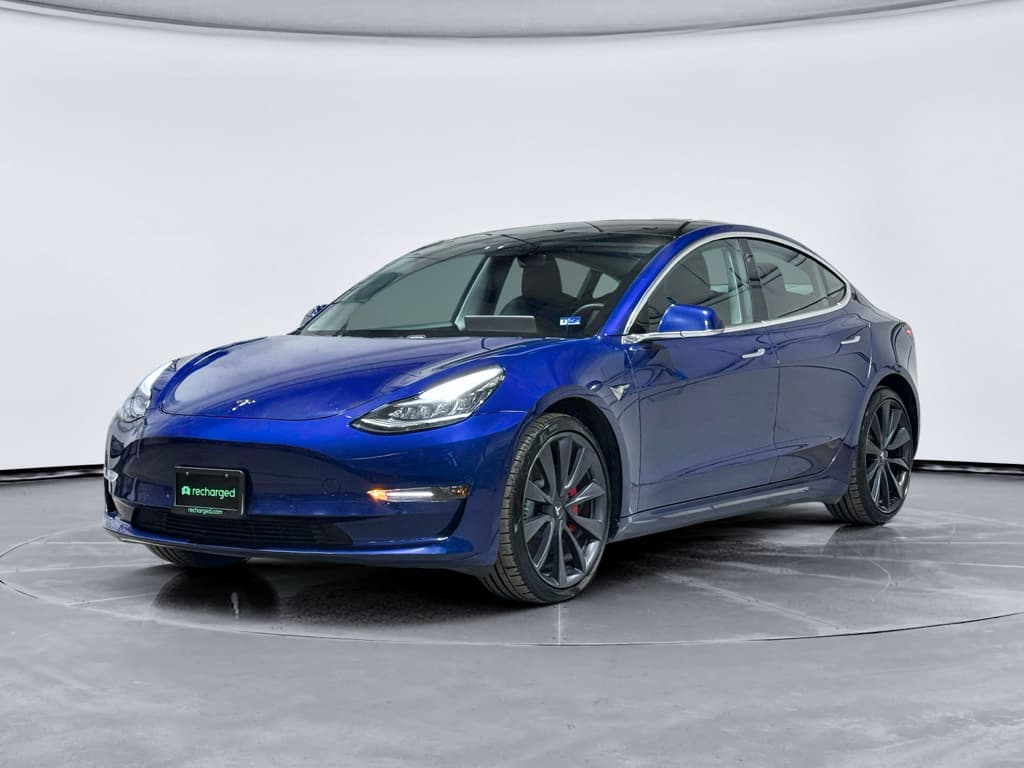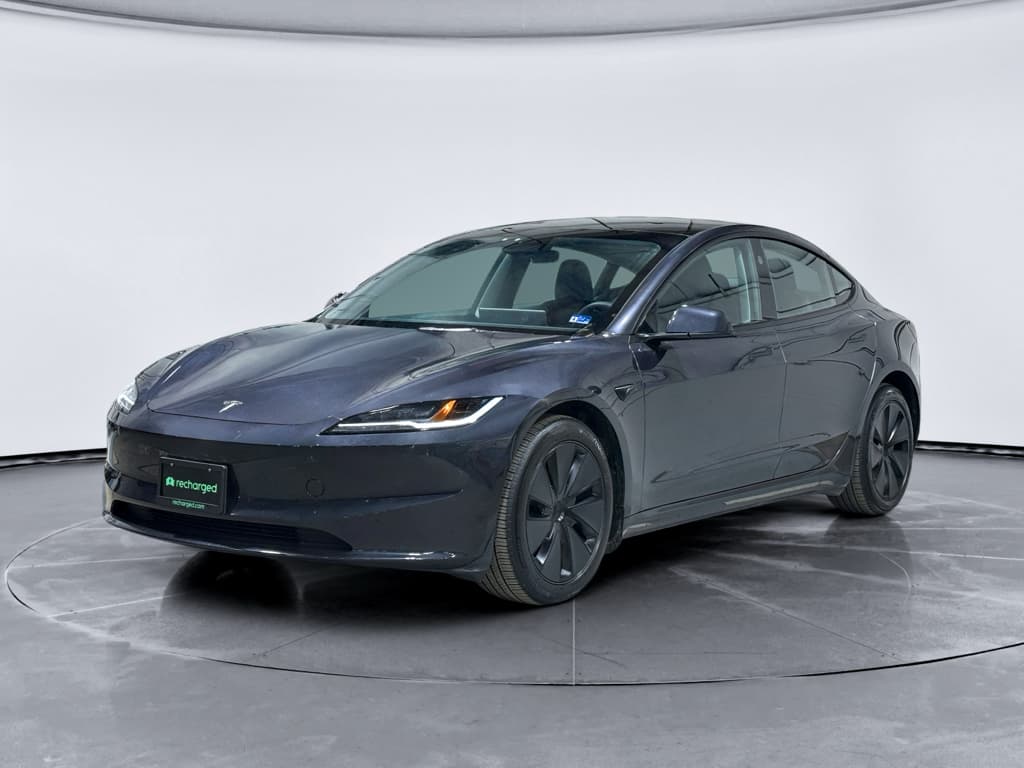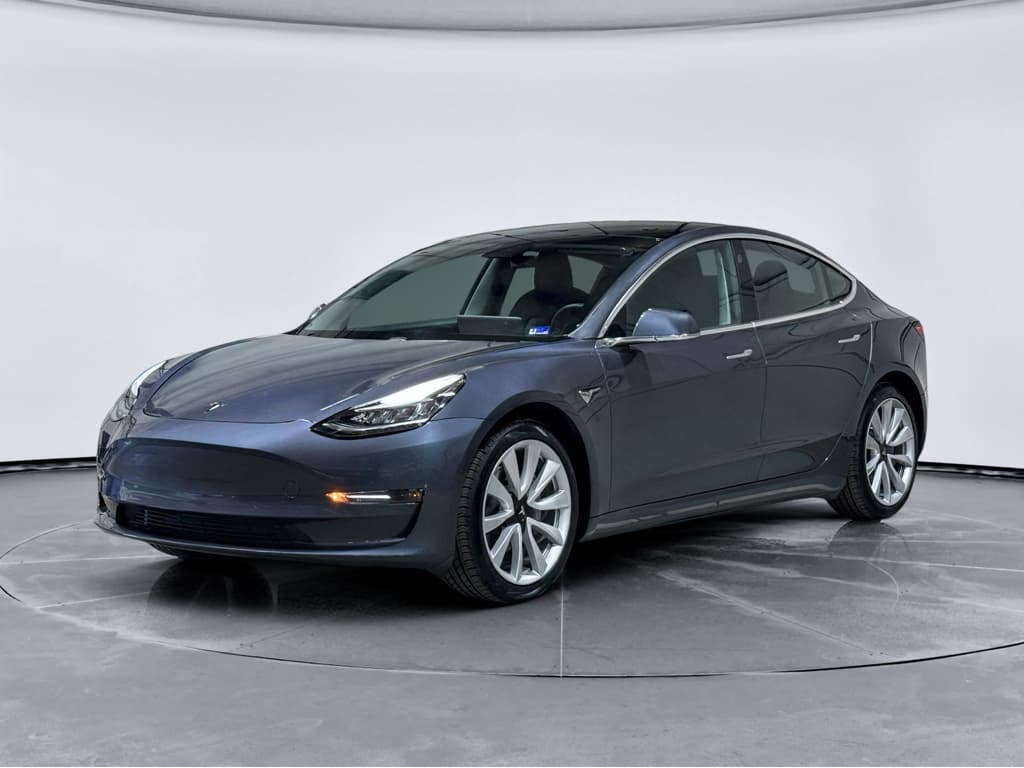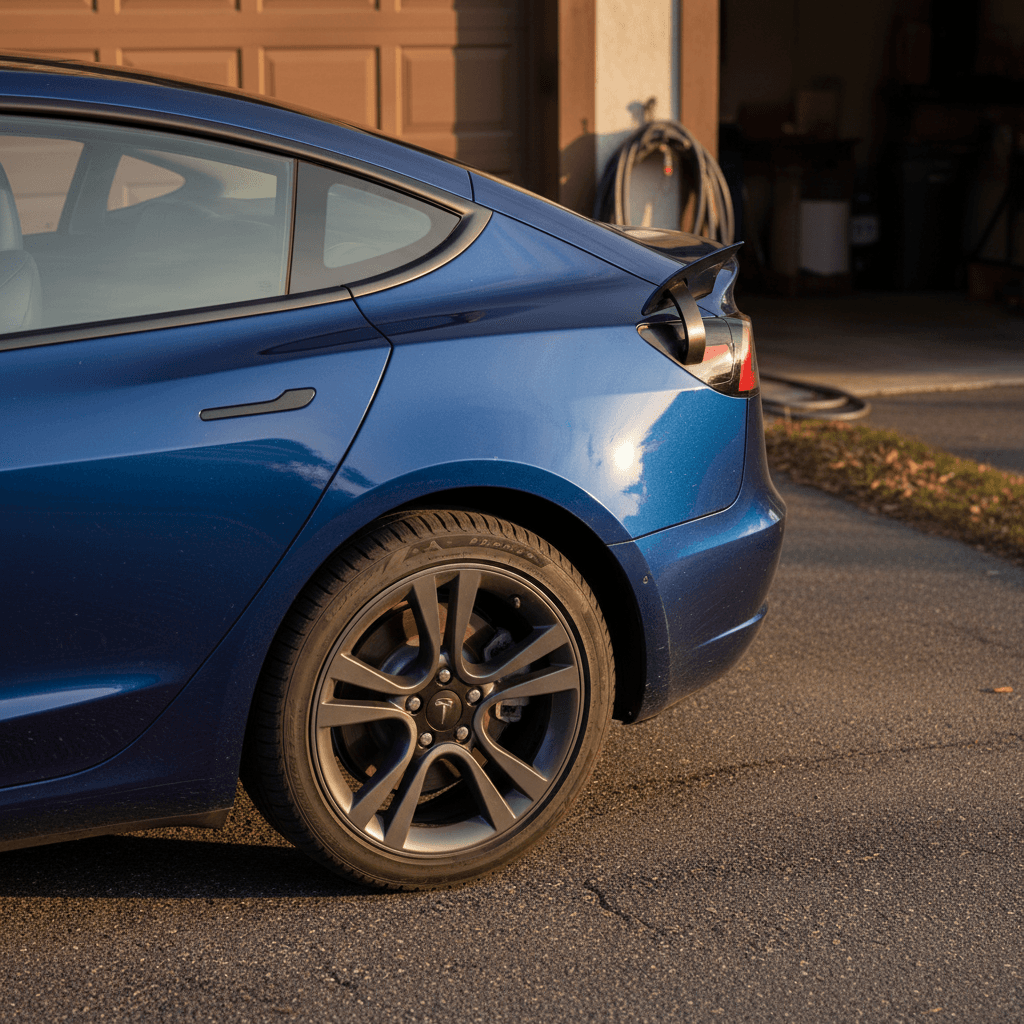
If you’re shopping the used market, the question isn’t whether the 2022 Tesla Model 3 is fun or efficient. It is. The question is whether the 2022 Tesla Model 3 reliability rating justifies betting thousands of dollars on a five‑ to ten‑year‑old EV with a computer’s worth of electronics built in.
In one sentence
2022 Tesla Model 3 reliability rating at a glance
2022 Model 3 reliability snapshot
Taken together, data and owner feedback put the 2022 Model 3 in a nuanced spot: mechanically solid and cheap to run, but not the “bulletproof appliance” you’d get from, say, a Toyota Corolla or Honda Civic of the same year. Where it shines is in its battery system and driveline. Where it stumbles is in software quirks, sensor and camera issues, and recurring recalls, especially around driver‑assist features.
Key takeaway for used buyers
How major sources rate the 2022 Tesla Model 3’s reliability
What different reliability sources say
No single score tells the whole story, so it helps to triangulate.
Consumer survey & testing outlets
Independent testing and survey organizations have generally rated the 2022 Model 3’s reliability as about average for its model year.
That’s an improvement over earlier Teslas, which often landed near the bottom of reliability rankings, but it still trails stalwarts from Toyota, Lexus, and Honda.
Owner review platforms
Owner reviews on mainstream sites skew very positive. A large majority of 2022 Model 3 owners report they would recommend the car, and many describe it as the best car they’ve ever owned.
When there are complaints, they tend to cluster around build quality, squeaks/rattles, and frustrating service experiences more than outright mechanical failures.
Safety & defect databases
Federal complaint and recall databases show the Model 3 has more issues and campaigns than a typical compact sedan, largely because Tesla uses over‑the‑air software updates aggressively and pushes cutting‑edge driver‑assist tech into the field.
That can be good, bugs get patched quickly, but it also means your car’s behavior may change over time.
Another wrinkle: traditional quality studies from firms like J.D. Power only have partial visibility into Tesla because of limited data access. So you end up with a car that feels extremely modern, but doesn’t fit neatly into legacy reliability scorecards. For shoppers, that means you should dig beyond a single number and look at the specific failure patterns we’ll get into next.
Strengths: where the 2022 Model 3 is genuinely reliable
- Electric drivetrain simplicity: No oil changes, timing belts, spark plugs, or multi‑speed transmission to fail.
- Battery cooling and management: Tesla’s liquid‑cooled pack and conservative thermal management help slow degradation.
- Brake wear: Aggressive regenerative braking means pads and rotors often last far longer than in a comparable gas car.
- Rust resistance: Aluminum‑intensive construction and a mostly sealed underside help in rust‑prone regions, assuming underbody panels remain intact.
- Over‑the‑air fixes: Many glitches and minor recalls are addressed via software updates rather than dealer visits.
Why EVs like the Model 3 “feel” reliable
Common 2022 Tesla Model 3 problems to know about
Not every 2022 Model 3 will have problems, but the pattern of complaints is consistent enough that a smart used‑car shopper goes in with eyes open. Here are the issues that come up most often in owner reports and complaint databases.
Typical 2022 Model 3 issues
Focus on these items during a pre‑purchase inspection or test drive.
| Area | Problem pattern | How serious? | What to look for on a used car |
|---|---|---|---|
| Driver‑assist & Autopilot | Phantom braking, lane‑keep glitches, inconsistent behavior on certain roads | Medium–High (safety & stress) | Test Autopilot/FSD on a highway stretch; watch for sudden, uncommanded slowdowns or ping‑ponging in the lane. |
| Cameras & sensors | Fogging, condensation, or misalignment of cameras and ultrasonic sensors | Medium | Check for warning messages, blurred images, or disabled driver‑assist functions on the display. |
| Body & trim | Panel gaps, misaligned doors/trunk, squeaks and rattles, wind noise at speed | Low–Medium | Inspect panel alignment in good light, listen for rattles over rough pavement, check door and trunk seals. |
| Interior quality | Premature wear of seat bolsters, creaks from dashboard or center console | Low–Medium | Look for worn bolsters, loose trim, or squeaks when you press around the dash and console. |
| Infotainment & software | Frozen screen, random reboots, Bluetooth quirks, occasional loss of climate or audio controls until reboot | Medium (when it affects basic controls) | Cycle through major functions; see how quickly the screen responds and whether previous owners report frequent reboots. |
| 12‑volt battery | Failure of low‑voltage battery causing warning messages or no‑start condition | Medium | Ask if the 12‑volt battery has been replaced. On a test drive, watch for electrical system warnings. |
Most issues are annoying rather than catastrophic, but a few can impact safety or range if ignored.
About phantom braking
Recalls and safety investigations affecting the 2022 Model 3
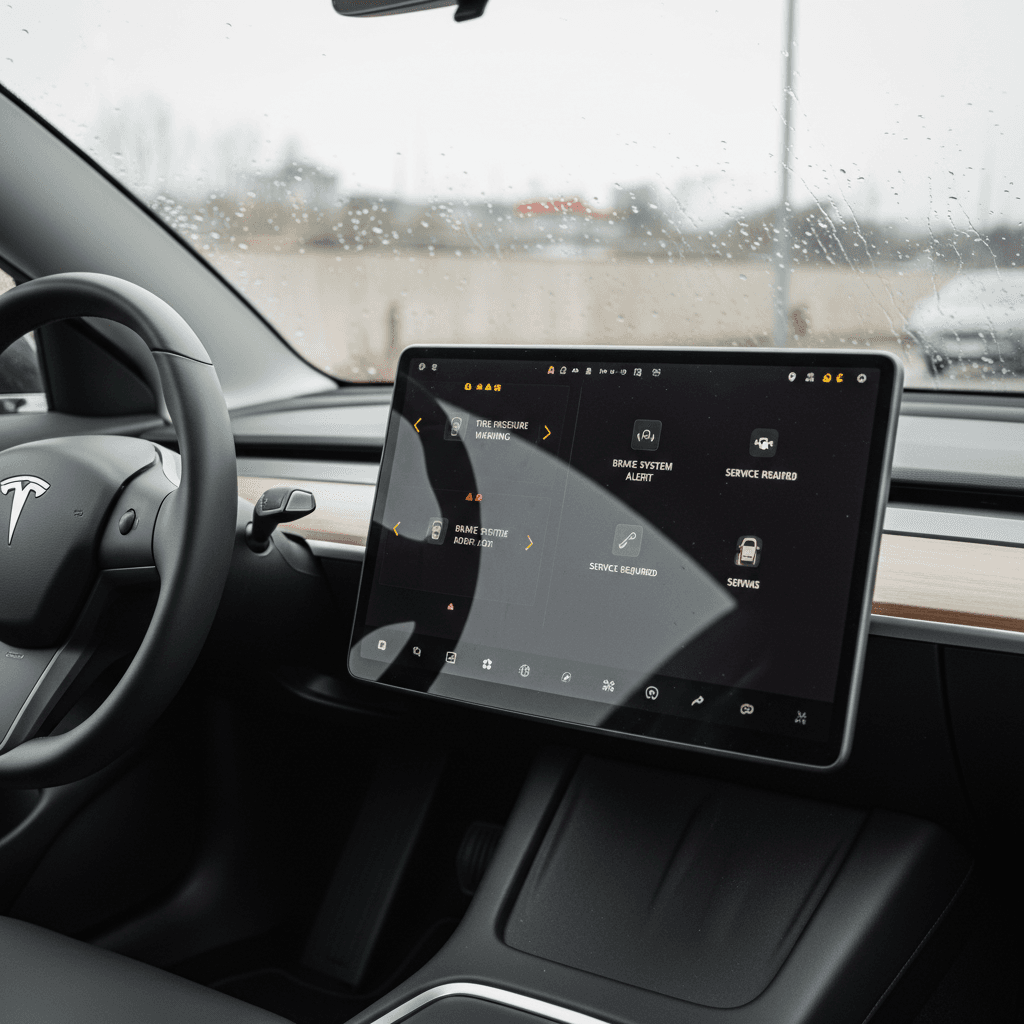
Tesla treats software like a Silicon Valley company, not a century‑old automaker. That means lots of over‑the‑air tweaks, and lots of recalls that are effectively software patches. For the 2022 Model 3, these have included issues around Autopilot behavior, instrument‑panel visibility, and warning‑light logic, among others.
- Multiple software‑based recalls tied to Autopilot or Full Self‑Driving (FSD) behavior, including scenarios where the car may roll stop signs, exceed speed limits, or mis‑handle intersections.
- Campaigns to address rearview camera behavior, brake‑lamp logic, or warning‑chime volume under specific conditions.
- Safety probes into crashes and fires where driver‑assist was allegedly in use, some involving Model 3s from nearby model years.
Why frequent recalls aren’t all bad news
Battery health and longevity for the 2022 Tesla Model 3
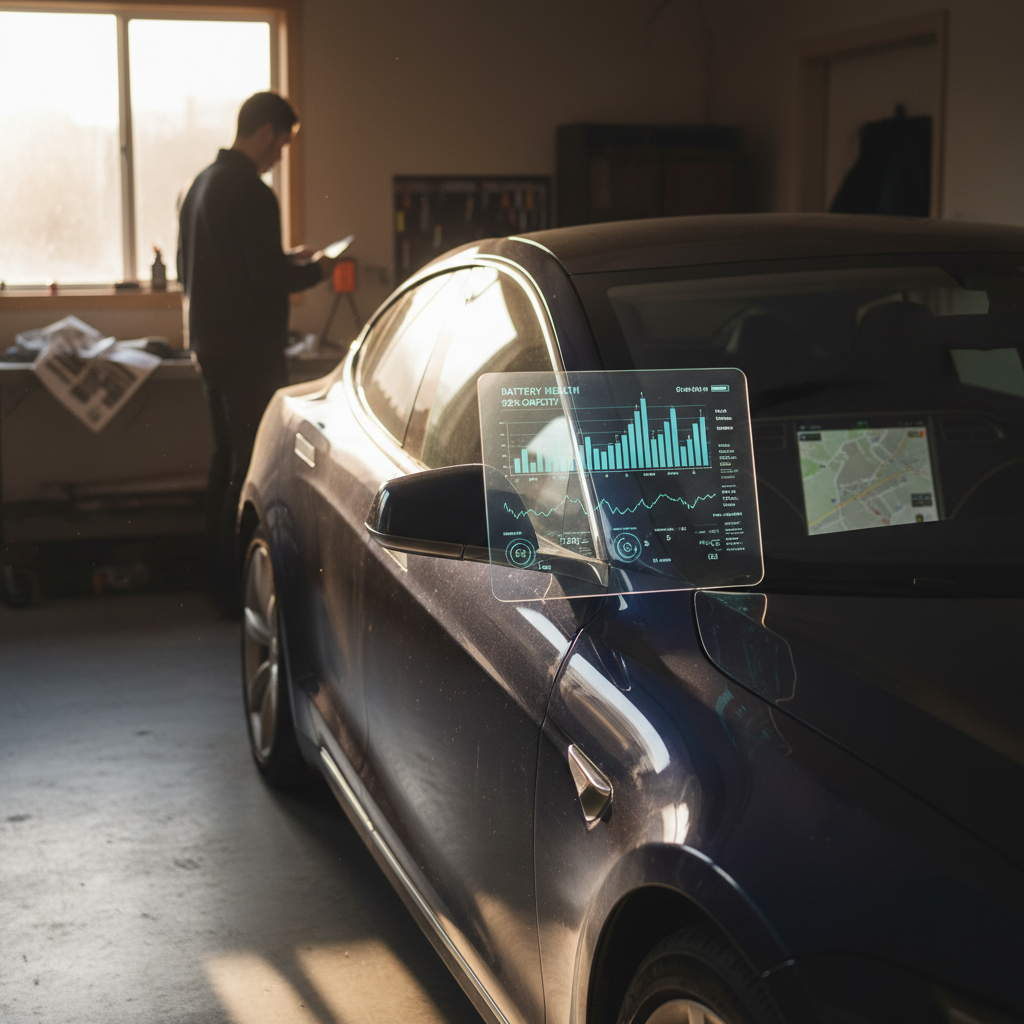
The battery pack is the existential question with any used EV. For the 2022 Model 3, the news is largely reassuring. By year four, most owners report modest degradation, often in the 5–10% range of original rated range, depending on climate, charging habits, and mileage. That still leaves plenty of usable real‑world range for commuting and road trips.
Battery reliability: the 2022 Model 3’s strongest suit
Why used‑car shoppers focus heavily on pack health.
Conservative thermal management
Tesla’s liquid‑cooled pack actively manages cell temperatures. That helps slow degradation, especially compared with early‑generation air‑cooled EVs.
High‑mileage survivors
It’s not unusual to see Model 3s with well over 100,000 miles still delivering strong range and performance, with no major battery surgery.
Battery warranty coverage
For a 2022 Model 3, the high‑voltage battery and drive unit are typically covered by an 8‑year / 100,000–120,000‑mile warranty (varies by variant). Many 2022 cars are still under this coverage today.
How to quickly gauge battery health
Ownership costs: warranty, repairs, and downtime
Where the 2022 Model 3 is cheap to own
- Minimal routine maintenance: No oil changes, spark plugs, or emissions hardware. Think cabin filters, brake fluid intervals, tires, and wiper blades.
- Brake life: Regenerative braking means rotors and pads may last two to three times longer than on a gas sedan.
- Energy costs: Many owners cut their monthly fuel bill by half or more, especially if they can charge at home on off‑peak rates.
Where it can get expensive
- Out‑of‑warranty repairs: Body repairs, glass, and out‑of‑warranty electronics can be pricey, especially if the nearest Tesla Service Center is booked out.
- Tire wear: Instant torque plus relatively heavy curb weight means performance tires may wear faster than you’re used to.
- Service access: In some regions, appointments and parts can take time, leaving the car sidelined longer than a typical Toyota or Honda.
The used‑EV sweet spot
How the 2022 Model 3 compares to other EVs
2022 Model 3 vs. key 2022 EV rivals
Broad reliability and ownership feel compared with other popular 2022 EVs.
| Model | Overall reliability feel* | Typical issues | Best for |
|---|---|---|---|
| 2022 Tesla Model 3 | Average–Above avg. | Software quirks, Autopilot behavior, trim quality | Drivers who value tech, charging network, and performance. |
| 2022 Hyundai Ioniq 5 | Above avg. | Early‑production software bugs, some charging‑curve quirks | Families wanting space and comfort with solid reliability. |
| 2022 Chevrolet Bolt EV | Above avg. post‑battery recall | Previous battery recall; otherwise simple and robust | Budget‑minded commuters prioritizing value over speed. |
| 2022 Nissan Leaf | Average | Aging tech, CHAdeMO fast‑charge port limits futureproofing | Short‑range city use with simple, appliance‑like ownership. |
| 2022 Toyota bZ4X | Above avg. (post wheel‑hub fix) | Early recall for wheel issues; limited availability | Buyers prioritizing traditional Toyota reliability in an EV. |
The Model 3 tends to offer stronger efficiency and software, but slightly more day‑to‑day drama than the most conservative rivals.
If you want the calmest ownership experience possible, a Toyota, Lexus, or even a Chevy Bolt may edge out the Model 3. If you’re willing to live with some software drama in exchange for charging‑network dominance, range, and performance, the 2022 Model 3 remains one of the most compelling used EVs on the market.
Used 2022 Model 3 reliability checklist
Pre‑purchase reliability checks for a 2022 Model 3
1. Pull the software and recall status
On the center screen, check that the car is running the latest stable software and that there are <strong>no open recalls or service campaigns</strong>. A reputable seller should provide documentation for completed work.
2. Inspect panel gaps and trim
Walk around the car looking for misaligned doors, frunk, or trunk, and check that glass sits evenly in the seals. Small cosmetic issues may not be a deal‑breaker, but they signal how carefully the car was built and cared for.
3. Test Autopilot and basic driver‑assist
On a safe stretch of highway, engage cruise and lane‑keeping. Watch for phantom braking, wandering within the lane, or warning chimes. If the behavior feels erratic, have it evaluated or factor that into your decision.
4. Check cameras and sensors
Confirm that all cameras display a clear image, parking sensors behave consistently, and there are no <strong>persistent sensor or safety warning messages</strong> on the dash.
5. Evaluate battery health and range
Compare the car’s indicated full‑charge range with the original EPA figure for that trim. Ask for any available battery health reports or third‑party diagnostics, this is exactly what the Recharged Score summarizes for you.
6. Review service and repair history
Look for a paper trail: software‑related visits, glass replacements, 12‑volt battery replacement, and tire history. A car that’s had issues addressed promptly is usually a better bet than a neglected one.
How Recharged evaluates 2022 Model 3 reliability
With the 2022 Model 3, the difference between a dream EV and a rolling science experiment is all in the details you can’t see in photos. That’s why every Tesla Recharged lists goes through a Recharged Score evaluation before it ever hits the site.
What the Recharged Score looks at on a 2022 Model 3
Beyond a quick test drive and a Carfax.
Battery & charging health
We run specialized diagnostics on the high‑voltage battery, review charge‑cycle history where available, and compare projected range against factory specs.
Software, sensors & ADAS
Our EV specialists check for error codes, Autopilot/FSD behavior, and camera or sensor anomalies, then ensure all available updates and recalls are completed.
Structural & cosmetic inspection
We document panel alignment, underbody condition, evidence of previous repairs, wheel and tire health, and any damage that could affect longevity or safety.
Ready to find your next EV?
Browse VehiclesOn top of that, Recharged offers financing, trade‑in options, and nationwide delivery, along with EV‑specialist support that can walk you through how the 2022 Model 3 will fit your daily driving, charging access, and budget. The goal is simple: you shouldn’t have to be a software engineer with a lift and an oscilloscope to feel confident buying a used Tesla.
FAQ: 2022 Tesla Model 3 reliability
Frequently asked questions
Bottom line: should you buy a 2022 Tesla Model 3?
The 2022 Tesla Model 3 is not the indestructible Camry of EVs, and it doesn’t pretend to be. Instead, it offers something different: sports‑sedan performance, a class‑leading charging ecosystem, and a mature battery platform, wrapped in a car that occasionally behaves like your phone after a big software update. If you’re the kind of driver who demands total serenity from your appliances, you may be happier in a more conservative EV. But if you’re comfortable trading a bit of software drama for everything the Model 3 gets right, a well‑vetted 2022 example can be a fantastic used buy.
The key is to be choosy. Focus on battery health, software history, and evidence of careful ownership, not just the odometer and wheel size. And if you’d rather not do that detective work yourself, consider shopping a 2022 Model 3 that’s already been through a structured EV‑specific inspection. At Recharged, every car comes with a Recharged Score report, transparent pricing, and support from EV specialists who live and breathe this stuff, so you can enjoy the car’s strengths without losing sleep over what might be hiding under the software updates.