If you’re considering a **2022 Mercedes EQS**, or already own one, you’ve probably heard about a handful of recalls, from fire‑risk wiring defects to software bugs in the emergency call and battery warning systems. This guide walks through the **full 2022 Mercedes EQS recalls list**, what each campaign actually means in real‑world terms, and how to protect yourself when you’re buying or driving this flagship EV.
Models covered in this guide
Overview: Why 2022 EQS recalls matter
The 2022 EQS was Mercedes-Benz’s first full year of its electric S‑Class alternative in the U.S. Like most brand‑new EV platforms, the car launched with some **early‑production gremlins**. Several of those turned into formal safety recalls, some minor software corrections, others more serious campaigns involving **fire risk** or **loss of critical functions** like eCall emergency calling.
The good news: the number of affected vehicles in many of these campaigns is relatively small, and Mercedes dealers perform recall work **free of charge**. The bad news: if you’re shopping used, you can’t assume all campaigns have been done. You’ll want to **verify recall status by VIN**, and understand which issues are just software flashes versus wiring inspections or hardware replacements.
2022 Mercedes EQS recalls at a glance
Quick 2022 Mercedes EQS recall summary
Main types of 2022 EQS recalls
Not every car has every recall, always check by VIN
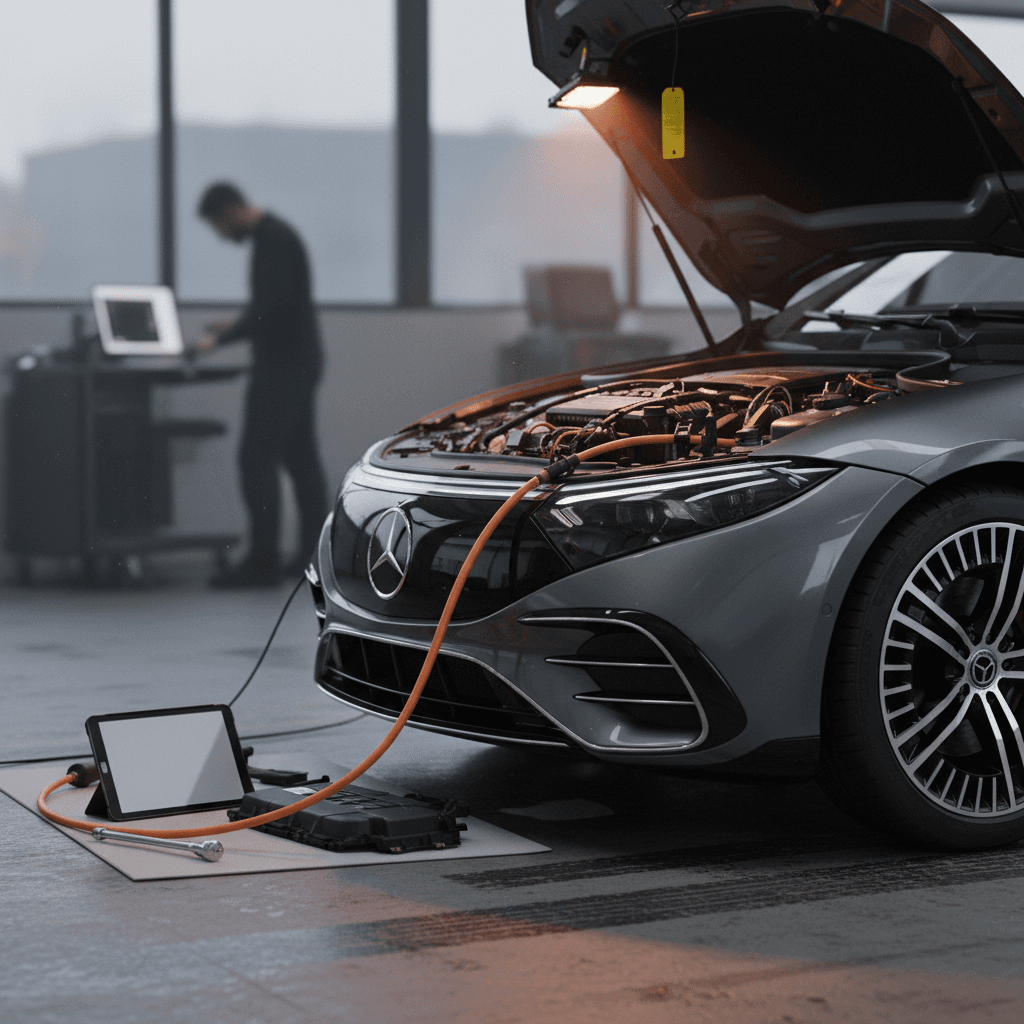
Fire‑risk electrical connections
Early 2022 EQS sedans were recalled so dealers could inspect and, if needed, tighten or correct **ground and high‑current connections** that might overheat and increase fire risk.
eCall emergency system faults
Certain 2022 EQS vehicles needed a **software update to the eCall module** so that automatic crash notifications would reliably reach emergency services.
Battery warning & software updates
Additional campaigns have addressed **battery warning logic and high‑voltage monitoring**, typically resolved through software updates at the dealer.
Recall coverage is VIN-specific
Detailed 2022 Mercedes EQS recalls list (U.S.)
Below is a **plain‑English recap** of the key recall campaigns that have involved 2022 EQS sedans in the U.S. Exact NHTSA campaign numbers, affected VIN ranges and small technical differences will vary, so think of this as a roadmap you can use alongside your official VIN lookup.
1. Improperly secured ground and heater connections (fire risk)
One early 2022 recall targeted a **very small batch of EQS sedans**, including EQS 450, EQS 450+, EQS 580 4MATIC and AMG EQS 53, because certain high‑current connections in the front structure might not have been properly bolted down. An incorrectly tightened ground point can increase electrical resistance under heavy load, which in turn raises temperatures and, in a worst case, poses a **fire risk**. A compromised ground can also cause the **left headlamp or other components** to malfunction.
- Primary risk: localized overheating and potential fire in the front‑left structure, plus possible loss of lighting or other circuits
- Scope: a few dozen vehicles built in a narrow production window
- Remedy: dealer inspects specific ground and heater connections, corrects torque or reworks parts as needed, free of charge
- Owner impact: typically a quick inspection visit; no parts shortage issues reported because the population is small
Take fire‑risk recalls seriously
2. eCall emergency call system malfunction
Another early campaign involved the **eCall emergency call system**. On some 2022 EQS sedans, a software fault meant that a serious crash might not automatically place an emergency call or might transmit incomplete location data. That doesn’t change the way the car drives, but it undermines a core safety feature Mercedes promotes heavily on its flagship models.
- Primary risk: in a severe collision, emergency responders might not be notified automatically, or might receive incorrect data
- Scope: certain 2022 EQS 450 and S‑Class models with early eCall software
- Remedy: dealer updates the telematics/eCall control unit software
- Owner impact: usually a short software‑flash visit; no hardware replacement unless the control unit fails diagnostics
3. High‑voltage battery warning system software
Later campaigns have focused on the **battery warning and monitoring software** across several EQ models, including the EQS. In some vehicles, the system might not display warnings in the intended way or might mis‑classify certain high‑voltage issues. Mercedes’ remedy has been a **software update to the battery management and warning logic** so that drivers receive clear alerts and the car takes the correct protective actions if a fault occurs.
- Primary risk: delayed or incorrect driver warnings about high‑voltage problems; in rare cases, unexpected shutdown or limp‑home behavior
- Scope: various EQS 450, EQS 450+, EQS 580 and AMG EQS 53 vehicles over multiple model years
- Remedy: updated software for high‑voltage battery monitoring and warning display
- Owner impact: generally an in‑and‑out software flash; some dealers can apply it during the same visit as other recalls or routine service
4. Other EQS software & component recalls that may touch 2022 cars
Because the EQS shares a great deal of electronics with other modern Mercedes models, it can be swept into **broader multi‑model recalls**, for example, campaigns aimed at instrument cluster behavior, driver‑assistance features, or incorrectly programmed control units. These tend to be **software‑only fixes**, but a few have involved physical components like fuse boxes or control modules on later EQS model years.
For a 2022 car, the main takeaway is that the recall list you see on a generic website may mix **2022, 2023, and later EQS sedans and SUVs**. When you run your VIN through NHTSA or Mercedes, you’ll get a **precise recall list** for that exact vehicle, which may be shorter, or longer, than the generic 2022 model overview.
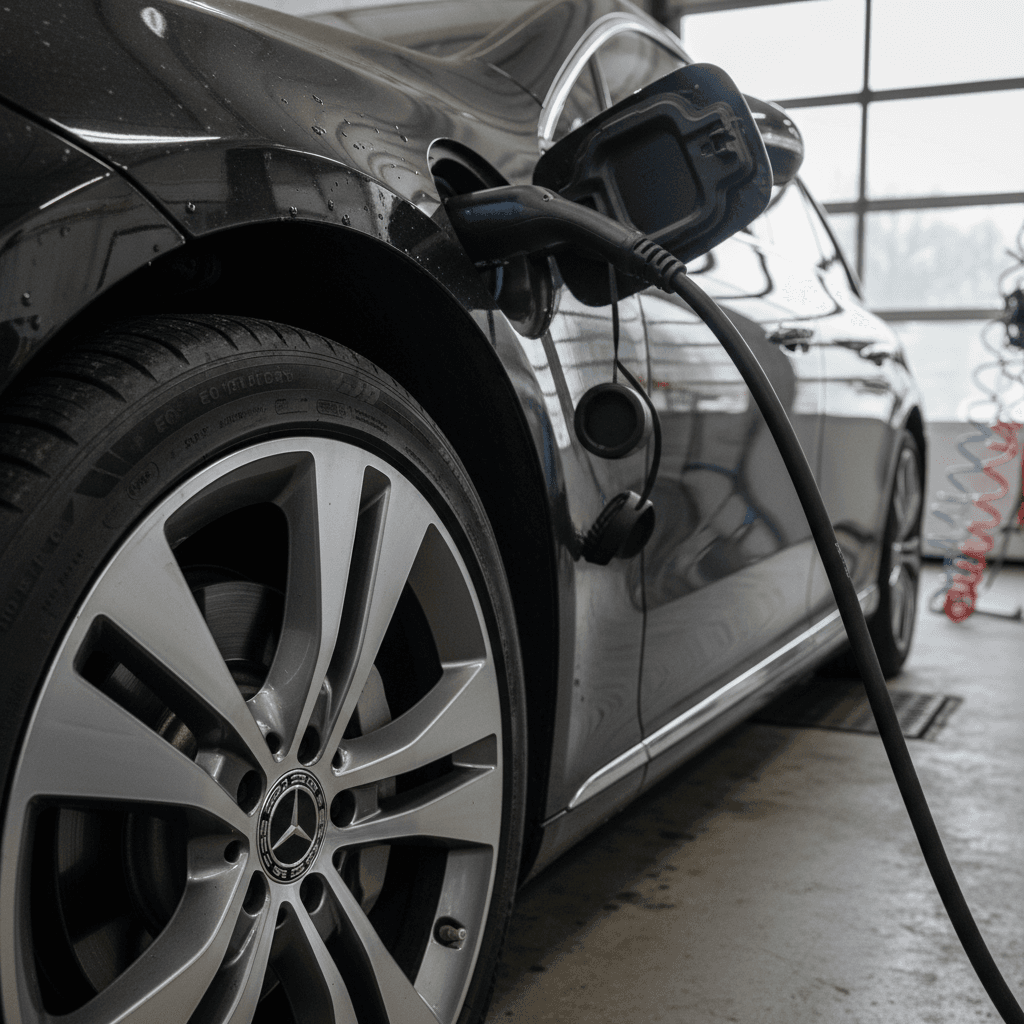
How to check if a 2022 EQS has open recalls
Recalls are **VIN‑specific**, and that’s especially important on the EQS because small production batches, running changes and prior repairs all influence which campaigns apply. Before you buy, or as part of your regular ownership routine, take a few minutes to verify status.
Step‑by‑step: checking recall status on a 2022 EQS
1. Locate the full 17‑digit VIN
Find the VIN at the base of the windshield on the driver’s side, on the driver‑door jamb label, or on the vehicle registration/insurance documents.
2. Run the VIN on NHTSA.gov
Go to NHTSA’s "Recalls" VIN lookup tool, enter the 17‑digit VIN, and review any **open recalls** listed. These are campaigns that still need to be completed.
3. Check Mercedes-Benz’s U.S. recall page
Mercedes-Benz USA also provides a VIN‑based recall checker. This sometimes shows branding details or **service campaigns** that might not appear in the generic government tool.
4. Ask a dealer for a printout
Any Mercedes-Benz dealer can pull a **warranty and campaign history** by VIN. Ask for a printed summary showing **completed** and **outstanding** recalls.
5. Verify repair dates and documentation
For used cars, confirm that recall work lines up with service records. If a campaign appears open, insist the seller has it completed **before delivery** or build that into your negotiation.
How Recharged handles recalls
Safety and reliability takeaways for owners
Most 2022 EQS recalls are fix‑and‑forget
For many owners, recalls on the 2022 EQS have been **short dealer visits** rather than long‑term headaches. Once a fire‑risk wiring inspection or eCall software update is done correctly, you typically don’t have to think about that specific problem again.
The bigger risk is buying a used car where those early campaigns were **never completed**. That’s why any serious shopper should treat a VIN recall check as just as important as a Carfax or inspection.
Distinguish recalls from everyday glitches
Like many tech‑heavy luxury EVs, the EQS can have its share of **non‑recall annoyances**, infotainment quirks, occasional driver‑assistance false alarms, or squeaks and rattles. These aren’t covered by safety recalls, but they do shape the ownership experience.
When you evaluate a specific car, ask the seller or dealer about **recent software updates, warranty claims and TSBs (technical service bulletins)** in addition to the official recall list.
Recalls don’t always mean a bad car
Shopping a used 2022 EQS: what to look for
Because 2022 was the EQS’s first full U.S. model year, used examples today often represent **early production**. That can be a great buying opportunity, depreciation has already done its work, but only if you separate well‑sorted cars from those still carrying unresolved issues.
Used 2022 EQS recall & condition checkpoints
Use this table as a quick screen when evaluating a 2022 EQS from a dealer, private seller, or online marketplace.
| Check | What to Ask/Look For | Why It Matters |
|---|---|---|
| Open recalls | Run the VIN on NHTSA and Mercedes, or ask for a dealer printout | Confirms whether safety‑critical campaigns like fire‑risk wiring or eCall fixes are completed |
| Proof of recall repairs | Look for service records with recall campaign numbers and dates | Shows the work was actually done, not just promised |
| Battery health data | Request state‑of‑health reports or range observations, or use a third‑party battery test | Recalls don’t cover normal degradation, battery health drives value on any used EV |
| Software level | Ask when the last major software update was applied | Many EQS bugs are resolved via updated software rather than recalls |
| Charging behavior | Test both AC and DC fast charging if possible | Helps spot high‑voltage issues that might not yet have triggered a recall or warning |
| ADAS and instrumentation | Confirm driver‑assistance and warning chimes work as expected | Some campaigns and TSBs affect instrument cluster messages and safety systems |
Combine these checks with an independent inspection for the best protection.
Leverage recall history when negotiating
At Recharged, every used EV listing includes a **Recharged Score Report** with verified battery health and market‑correct pricing. If you’re comparing a 2022 EQS you found elsewhere, consider using our report as a reference point for what a **well‑documented, fully sorted** car should look like.
Ownership tips after recall repairs
- Save all repair orders and dealer paperwork related to recalls, these documents help future buyers see the car has been maintained correctly.
- After a wiring or fuse‑box related recall, occasionally inspect the area for **unusual smells, discoloration, or melted plastic** and report anything suspicious immediately.
- If a recall involved software updates, pay attention to any **new messages or behaviors** in the first few weeks; ask your dealer to re‑check the car if something feels off.
- Keep your contact information current with Mercedes-Benz and NHTSA so you receive **future recall notices** promptly.
- Bundle recall visits with routine service (tire rotations, brake inspections, cabin filter replacements) so you maximize each trip to the dealer.
Using recalls to your advantage
Once recall work is done correctly, it can actually make a car more attractive than one that has never been through a campaign. You’re getting **updated parts and software**, often to a higher standard than the original build.
How Recharged can help
If you buy or sell an EQS through Recharged, our EV specialists walk you through the car’s **recall and battery health history** in plain language. That way you’re not just handed a stack of repair orders, you understand what they mean for your day‑to‑day driving and long‑term costs.
FAQ: 2022 Mercedes EQS recalls
Common questions about 2022 EQS recalls
Bottom line: Is a 2022 EQS a safe used buy?
The **2022 Mercedes EQS** arrived with all the complexity you’d expect from a flagship luxury EV, and its recalls reflect that: a mix of small but serious **fire‑risk wiring fixes**, critical updates to the **eCall and battery warning systems**, and broader software campaigns shared with other EQ models. None of that automatically disqualifies the car; it simply means you need to do your homework on **VIN‑specific recall completion, software level, and battery health** before you sign anything.
If you take the time to verify recall status, review service records, and have an EV‑literate technician look the car over, ideally backed by a **third‑party battery health report** like the Recharged Score, a 2022 EQS can deliver S‑Class comfort with EV running costs at a significant discount from new. As with any advanced electric luxury car, the winners in this market are the shoppers who treat recalls not as a deal‑breaker, but as a **negotiating tool and a diagnostic checklist** on the way to a smarter purchase.