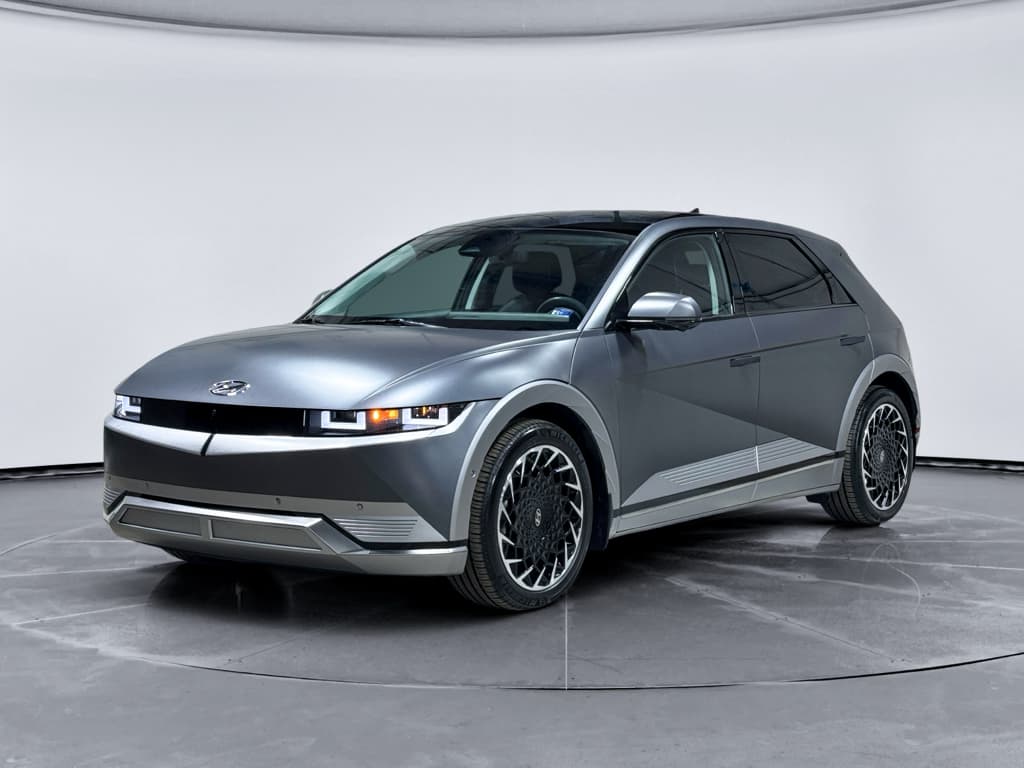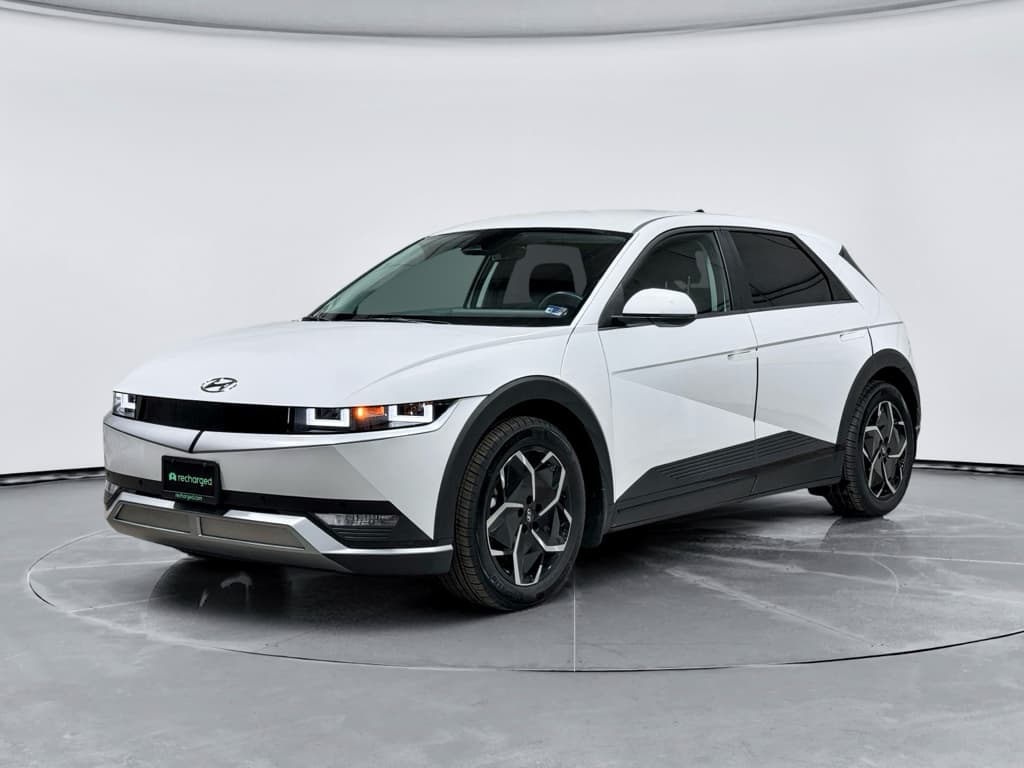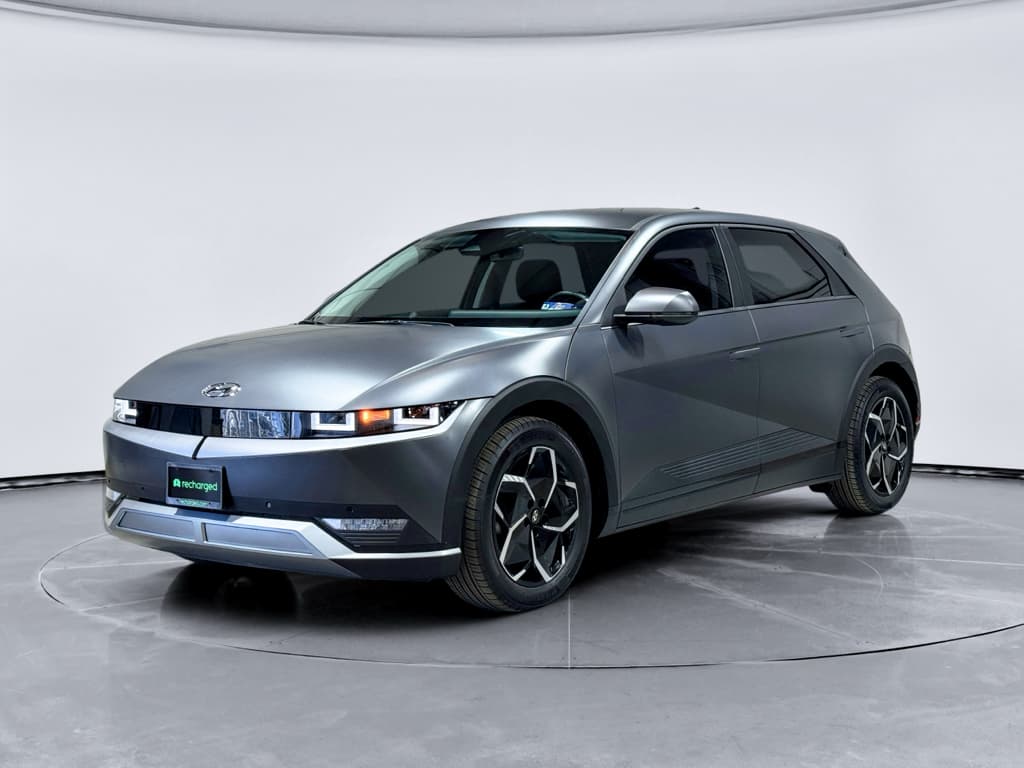
You don’t have to drive the 2022 Hyundai Ioniq 5 very far to fall for it. It’s quick, quiet, comfortable, and looks like it beamed in from the future. But if you’re shopping used, the big question isn’t design or performance, it’s the 2022 Hyundai Ioniq 5 reliability rating and what that actually means in the real world.
Quick take
2022 Hyundai Ioniq 5 reliability rating: the short version
2022 Ioniq 5 reliability at a glance
If you boil everything down, the recalls, owner reports, and reliability indexes, the 2022 Hyundai Ioniq 5 lands in the "mixed bag" column. The core hardware (battery, motors, structure) looks solid so far, but first‑year electronics and charging components have caused enough headaches to push the car’s reliability rating below average for 2022 EVs. Later model years tend to fare better as Hyundai refined the hardware and software.
Who should be most cautious?
How reliability ratings for the 2022 Ioniq 5 are calculated
When shoppers search for the "2022 Hyundai Ioniq 5 reliability rating," they’re usually seeing a mash‑up of three things:
- Owner‑reported issues and satisfaction surveys from places like Consumer Reports, J.D. Power, and brand‑specific forums.
- Government safety data: NHTSA investigations, recalls, and complaints, especially around loss of power or fire risk.
- Independent reliability aggregators that assign scores by weighing complaint volume, severity, mileage, and repair cost across model years.
Because the 2022 Ioniq 5 was the first model year on Hyundai’s E‑GMP platform, it naturally draws extra scrutiny. Any new platform tends to have more early quirks and software bugs than the facelifts and refreshes that come later. For the Ioniq 5, that pattern shows up clearly in higher complaint counts and multiple recall campaigns targeting 2022–2023 builds.
Don’t just look at one number
Reliability strengths: what the 2022 Ioniq 5 does well long‑term
Where the 2022 Ioniq 5 earns good marks
Not everything is doom and gloom, some key systems look very solid so far.
High‑voltage battery durability
Drive motors & performance
Crash & safety performance
So if the battery pack, motors, and crash structure aren’t the villains, what is? That brings us to the ICCU and power‑loss saga that defines much of the 2022 Ioniq 5’s reliability story.
Known issues and recalls on the 2022 Hyundai Ioniq 5
ICCU failures & loss of power: the headline problem
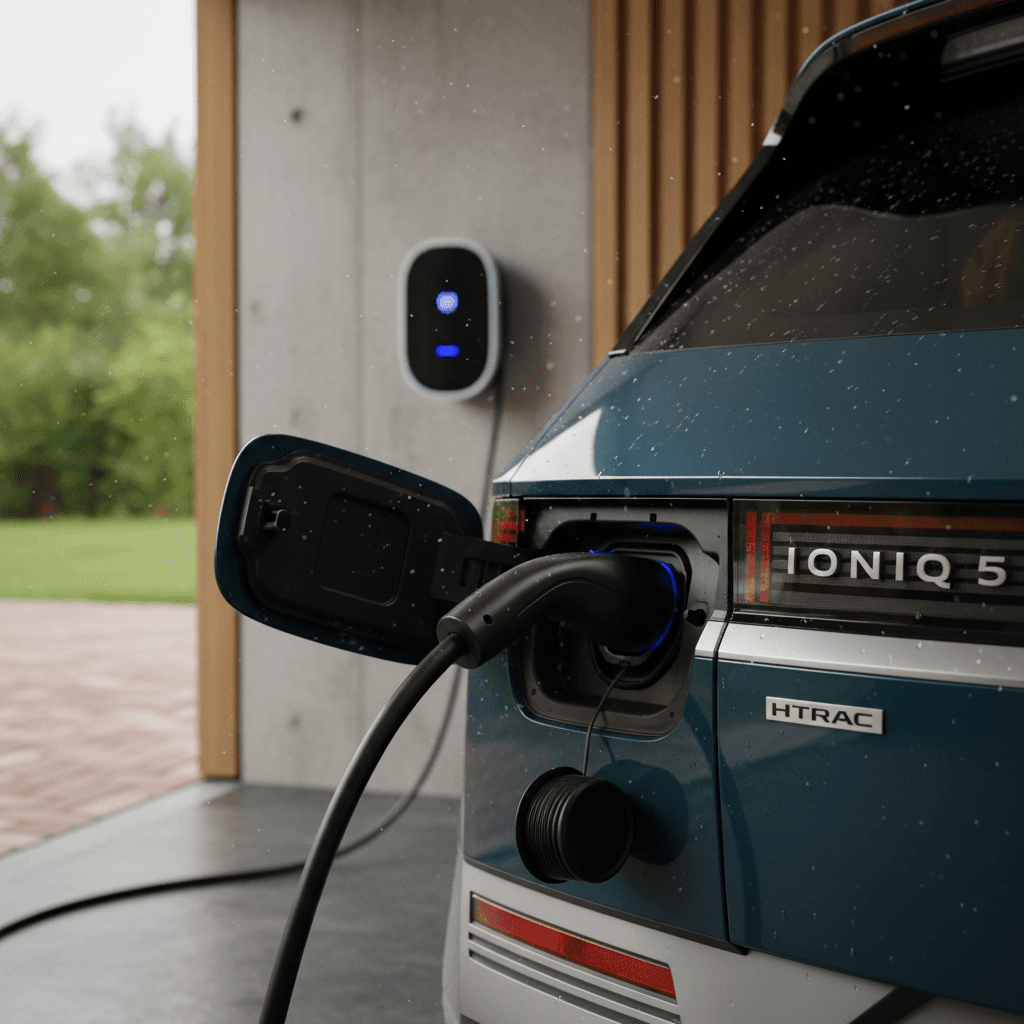
The most talked‑about reliability issue on the 2022 Ioniq 5 is failure of the Integrated Charging Control Unit (ICCU). This component manages DC‑DC conversion and 12‑volt charging. When it starts to go, owners describe a familiar pattern:
- Warning lights, “Check EV system,” or charging errors after a DC fast‑charge session or even home Level 2 charging.
- Intermittent or complete loss of 12‑volt charging, which can leave the car unable to start, shift into gear, or accept a charge.
- In more serious cases, sudden loss of motive power while driving, triggering a federal safety investigation and, eventually, a large recall.
In 2023, federal safety regulators opened a defect investigation into 2022 Ioniq 5 power‑loss complaints. Hyundai ultimately rolled out a major recall campaign (expanded through 2024) covering roughly all 2022–2024 Ioniq 5s plus related E‑GMP models. The fix includes ICCU inspection and, when needed, replacement of the ICCU and its fuse, plus software changes to reduce thermal and voltage stress during charging and driving.
Good news for used shoppers
Other recalls and common owner complaints
Common 2022 Ioniq 5 issues & what they mean
Not every 2022 Ioniq 5 will see these problems, but they’re the ones you should ask about and inspect for.
| Issue | How it shows up | Severity | What to ask/check |
|---|---|---|---|
| ICCU failure / loss of power | Warning lights, no‑start, or sudden power loss | High | Has the ICCU recall and any related software updates been done? Any repeat failures? |
| Parking pawl / roll‑away risk | Car may move after being put in Park on steep grades | Medium–High | Was the parking mechanism recall performed? Any notes about parking brake or transmission service? |
| 12‑volt battery drain | Car won’t “wake up” after sitting; needs jump start | Medium | Has the 12‑volt battery been replaced? Any software updates for low‑voltage charging or telematics modules? |
| Charging quirks & communication errors | Public DC fast chargers timing out or refusing a session | Medium | Do fast‑charge logs show repeated failures at the same station type? Any updated charge‑port or onboard charger modules? |
| Interior creaks/rattles | Noises from dash or headliner on rough pavement | Low–Medium | Any prior repairs for interior trim, sunroof, or dash rattles? Test drive on broken pavement. |
| Infotainment glitches | Random reboots, frozen screens, wireless CarPlay/AA dropouts | Low | Software version history; any TSBs or updates for the head unit applied? |
Always run a VIN check and ask for service records to see which of these have already been addressed.
Don’t ignore power‑loss complaints
How the 2022 Ioniq 5’s reliability compares to other EVs
Versus other 2022 EVs
The 2022 Ioniq 5 sits in the middle of a very mixed EV class. Many early‑build EVs, from Volkswagen ID.4 to Ford Mustang Mach‑E, saw their own share of software and electronics gremlins. Against that backdrop, the Ioniq 5’s power‑loss and charging complaints are noticeable, but not uniquely terrible.
Where it lags is complaint volume around ICCU and low‑voltage electronics, which is higher than what we typically see for first‑year Japanese models like the Nissan Ariya, and higher than Tesla Model 3/Y in some independent rankings, even though Teslas have their own fit‑and‑finish issues.
Versus later Ioniq 5 model years
By 2023 and 2024, Hyundai had more time to refine the hardware and software. Complaint and recall data suggest that 2022 is the noisiest year for loss‑of‑power and charging‑system trouble, while 2023+ builds tend to be a little cleaner out of the box.
If budget allows, a 2023 or 2024 Ioniq 5 can be a safer pick. But a 2022 that has had all campaigns completed, no repeat ICCU failures, and documented dealer care can still be a smart buy at the right price.
How to think about "first‑year" risk
Warranty coverage and what it means for reliability risk
One reason shoppers still gravitate toward a used 2022 Ioniq 5 is Hyundai’s generous factory warranty, much of which transfers to second owners. That coverage doesn’t magically erase reliability problems, but it can cushion the financial blow if something does go wrong.
Key Hyundai warranties on a 2022 Ioniq 5 (U.S.)
Always confirm exact remaining coverage by VIN and in‑service date.
High‑voltage battery & EV components
Basic & powertrain warranty
ICCU failures, parking mechanism fixes, and many software updates have been handled under warranty or recall, but the real cost is often time and inconvenience if the car is undriveable while parts are on backorder. That’s why your risk tolerance and backup transportation options matter just as much as the coverage on paper.
Ask about goodwill coverage
Buying a used 2022 Hyundai Ioniq 5: reliability checklist
If you’re still interested, understandable, it’s a terrific EV when it’s on its game, here’s how to stack the deck in your favor when evaluating a 2022 Ioniq 5.
9 reliability checks before you sign
1. Run a full VIN recall check
Use the VIN to confirm <strong>all open recalls and service campaigns</strong> have been completed, especially ICCU, parking‑pawl, and charging‑system updates. Ask for printed proof from a Hyundai dealer.
2. Review service history for repeat issues
Scan for multiple visits for the same complaint: no‑start conditions, 12‑volt battery replacements, or repeated “Check EV system” messages. A car that’s needed <em>three</em> ICCU‑related visits is a different risk than one that’s never thrown a code.
3. Inspect charging behavior in real time
Test both Level 2 and DC fast charging if possible. Look for <strong>stable charging rates</strong>, no sudden cut‑offs, and no error messages on either the car or the charging station.
4. Check 12‑volt battery age and health
Ask when the 12‑volt battery was last replaced and why. A fresh, properly coded battery and up‑to‑date software reduce the odds of low‑voltage headaches.
5. Listen for interior rattles
On a test drive over rough pavement, listen for <strong>creaks from the dash, headliner, and hatch</strong>. They’re not safety issues, but they can be annoying to live with, and not every dealer can chase them down quickly.
6. Test all driver‑assist tech
Verify that adaptive cruise, lane‑keeping, blind‑spot cameras, and parking sensors all behave normally. Glitchy sensors can point to previous minor damage or software that’s overdue for an update.
7. Scan for trouble codes
If you can, have a trusted EV‑savvy shop or a platform like Recharged run an <strong>OBD scan</strong> for stored or pending fault codes, especially in the HV battery, inverter, and ICCU modules.
8. Look at tire wear and alignment
Uneven wear can hide <strong>suspension or alignment problems</strong> from pothole hits or curb kisses. It’s not unique to the Ioniq 5, but this is a heavy, quick EV that’s hard on cheap tires and sloppy alignments.
9. Confirm remaining warranty by VIN
Have a dealer or marketplace like Recharged verify exactly what warranty coverage remains based on the in‑service date and mileage. Don’t assume; get it in writing.
Why buy from an EV‑specialist marketplace?
How Recharged evaluates 2022 Ioniq 5 reliability
Not all used EVs, or even all 2022 Ioniq 5s, are created equal. Two cars with the same mileage can have very different futures depending on how they’ve been driven, charged, and serviced. That’s where a structured evaluation makes a difference.
Inside a Recharged 2022 Ioniq 5 inspection
We don’t just check that it drives; we look at how it’s likely to age.
Battery & fast‑charge health
Software, recalls & fault codes
Road test & real‑world behavior
Ready to find your next EV?
Browse VehiclesIf a 2022 Ioniq 5 doesn’t clear our reliability bar, or if we see a pattern of unresolved ICCU or charging issues, it doesn’t make the cut for our marketplace. That’s how we keep shoppers from inheriting someone else’s science experiment.
FAQ: 2022 Hyundai Ioniq 5 reliability & ownership
Frequently asked questions about 2022 Ioniq 5 reliability
Bottom line: should you buy a 2022 Hyundai Ioniq 5?
If you’re drawn to the 2022 Hyundai Ioniq 5, you’re not wrong. It’s one of the most comfortable, cleverly packaged, and genuinely enjoyable EVs of its era. The catch is that the 2022 Hyundai Ioniq 5 reliability rating reflects a first‑year car that had to grow up in public: its battery and motors are strong, but ICCU and charging‑system issues have left some owners stranded and soured.
For the right buyer, someone who verifies recall work, demands clean service history, and has a backup plan if the car needs warranty time, it can still be a smart purchase, especially at a discount versus newer builds. If you want to tilt the odds even further, consider shopping a curated inventory where battery health is measured, fault codes are checked, and known weak spots are inspected up front instead of discovered later in your driveway.
That’s exactly what Recharged was built for: taking the guesswork out of used EVs. Whether you ultimately choose a 2022 Ioniq 5 or decide a different model, or a later year, is a better fit, going in with clear eyes about reliability is the best way to make sure you enjoy all the futuristic goodness without unwanted drama.