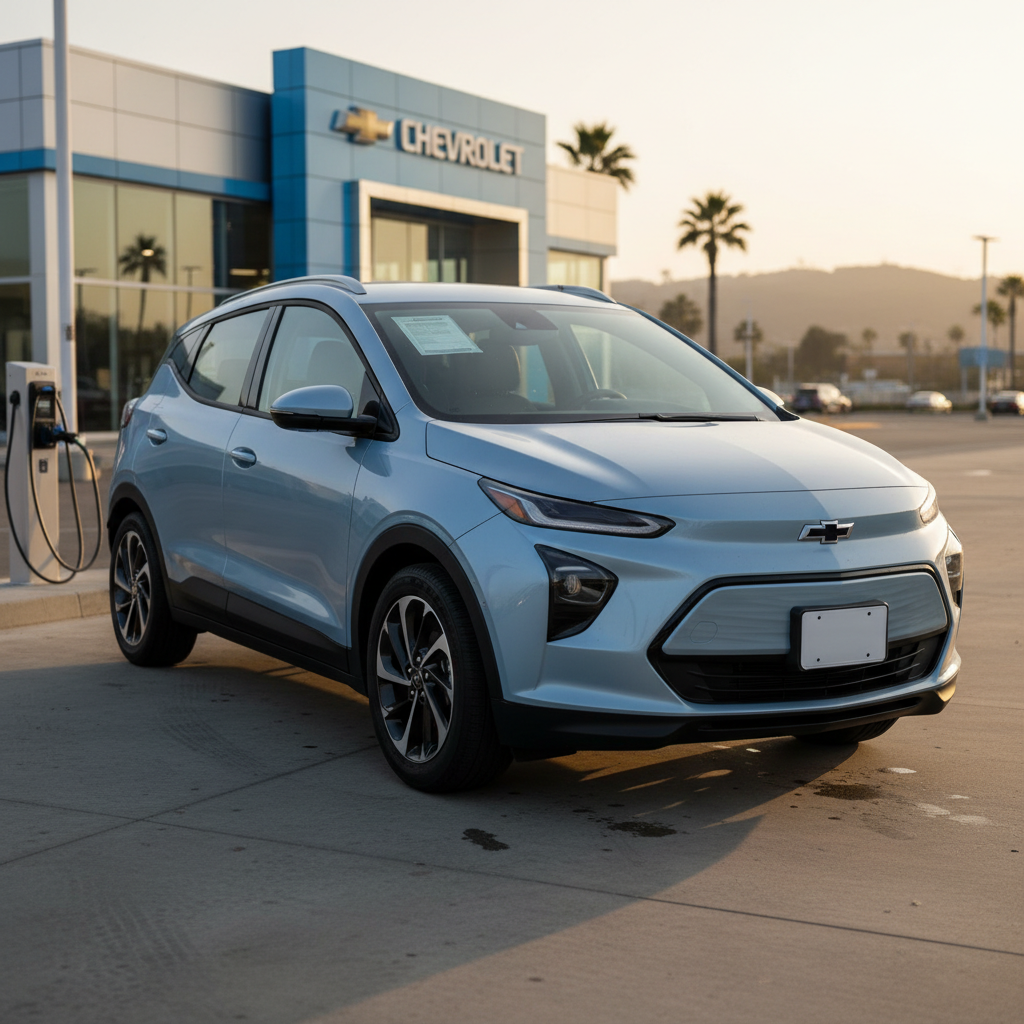
If you’re looking at a used 2022 Chevrolet Bolt EUV, you’ve probably seen two very different stories. On paper, it’s a practical, efficient, affordable electric crossover. But search for the 2022 Chevrolet Bolt EUV reliability rating, and you’ll run into battery recalls, scary headlines about fires, and some low scores from big-name rating sites. So what’s actually true, and what matters if you’re buying one used today?
Quick take
Overview: Where the 2022 Bolt EUV Reliability Rating Stands
2022 Chevrolet Bolt EUV Reliability Snapshot
Those “low” reliability scores are heavily influenced by battery fire recalls and software problems that affected 2017–2022 Bolt EV and 2022 Bolt EUV models. At the same time, many owners report tens of thousands of mostly trouble‑free miles once their cars have had updated battery packs and software.
The reliability asterisk
How Major Sources Rate the 2022 Chevrolet Bolt EUV
When people talk about a “reliability rating,” they’re usually thinking of big consumer outlets and survey‑based scores. Here’s how those play out for the 2022 Bolt EUV:
Key Reliability Ratings for the 2022 Bolt EUV
Why the scores don’t always tell the whole story
Consumer-focused survey sites
Consumer-oriented publications have, at times, given the Bolt EV and Bolt EUV very low predicted reliability scores, often 1/5, largely because of the high‑visibility battery recall campaign and early production issues rather than widespread mechanical failures.
Owner-review platforms
On major owner-review sites, the 2022 Bolt EV/EUV typically scores around 4.5 out of 5 stars for reliability, with a large majority saying they’d buy again. Many owners praise low running costs and solid day‑to‑day dependability once recall work is done.
Industry reliability context
Traditional reliability studies haven’t scored the Bolt EUV separately every year, and EV data sets are still small. Where it does appear, the Bolt tends to land in the average range among mainstream EVs, with more trouble in electronics than in core propulsion hardware.
So you end up with a split personality: formal ratings punished by recall history and software quirks, and owner satisfaction numbers that are much friendlier. If you’re shopping used, you need to understand why those reliability scores look harsh and what you can do about it.
Recalls That Shaped the 2022 Bolt EUV’s Reputation
Before we talk about everyday reliability, we have to deal with the elephant in the room: the Bolt’s high‑voltage battery recall and a handful of other campaigns that directly affect safety and confidence.
Major Recalls Affecting the 2022 Chevy Bolt EUV
Always run the VIN through the NHTSA recall tool or a GM dealer to see if these have been completed.
| Issue | Model years affected | Risk if not fixed | Typical remedy |
|---|---|---|---|
| High-voltage battery fire risk | 2017–2022 Bolt EV, 2022 Bolt EUV | Battery could overheat and, in rare cases, catch fire when charged near full | Replace affected battery modules or entire pack; install updated battery management software and charging limits |
| Battery software & charging behavior updates | 2020–2022 Bolt EV/EUV (various campaigns) | Incorrect state-of-charge readings, warning lights, reduced power | Software update to battery management and propulsion control modules |
| Airbag fastener / deployment issues | Select 2022 Bolt EUV builds | Airbags may not deploy properly in a crash | Inspect and replace or secure airbag fasteners and related hardware |
| Other electrical / warning-message campaigns | Various 2020–2022 Bolts | Frequent warnings ("Service vehicle soon," "Reduced propulsion power") and potential limp mode | Software updates, sensor checks, and replacement of faulty components as needed |
Recall completion status is more important than the recall count itself.
Do not ignore battery recall history
The practical takeaway: the Bolt EUV’s recall story is serious, but it’s also highly fixable. Once the updated pack or modules and latest software are in place, long‑term reliability has been trending much closer to normal for a compact EV.
Most Common 2022 Bolt EUV Problems
Not every 2022 Bolt EUV will see these issues, but when owners do complain, the problems tend to cluster in the same few buckets. Here’s what shows up again and again in owner reports, forums, and service bulletins.
- High‑voltage battery pack or modules: A small but real number of 2022 EUVs have had entire packs or individual modules replaced under recall or warranty after warning lights or reduced power messages.
- “Propulsion power reduced” / “Service vehicle soon” warnings: Often tied to battery-management software glitches, faulty sensors, or wiring issues, and usually resolved by software updates or component replacement.
- Steering rack noise or binding: A minority of owners report clunks or a steering wheel that doesn’t self‑center properly, sometimes requiring steering-rack replacement under warranty.
- In-car electronics and infotainment bugs: Freezing head units, Bluetooth headaches, intermittent cameras, and “phantom” warnings, annoying more than catastrophic, but common modern‑EV complaints.
- Charging quirks: Occasional public DC fast‑charging failures or sessions that won’t initiate on the first try, typically solved by software updates or using different stations/networks.
- Minor trim, seat, or hardware issues: Rattles, wind noise, or squeaks that are typical of a budget-minded compact vehicle rather than unique to the Bolt EUV.
Ask specifically about modules and software
Real-World Owner Experience: What Drivers Report
Spend an evening reading owner forums and survey comments and you see two very different Bolt EUV stories playing out side by side.
Story 1: The dud
Some unlucky owners describe a string of early battery warnings, long waits for pack replacements, repeated software visits, or odd electrical gremlins. Their cars spend more time at the dealer than at home, and those experiences weigh heavily on reliability surveys.
In a few cases, steering or Super Cruise hardware has also needed replacement, adding to the frustration.
Story 2: The trusty commuter
At the same time, many 2022 Bolt EUV owners report 30,000–60,000 miles of drama‑free driving with only routine maintenance and recall work. They praise the low running costs, quiet drive, and predictable range, especially for city or suburban use.
For these drivers, the EUV feels like any reliable compact hatchback, just one that never visits gas stations.
Both stories are true. The trick, as a used‑car shopper, is to avoid the duds as much as possible and bias your search toward the well‑sorted examples with clean service histories and documented fixes.
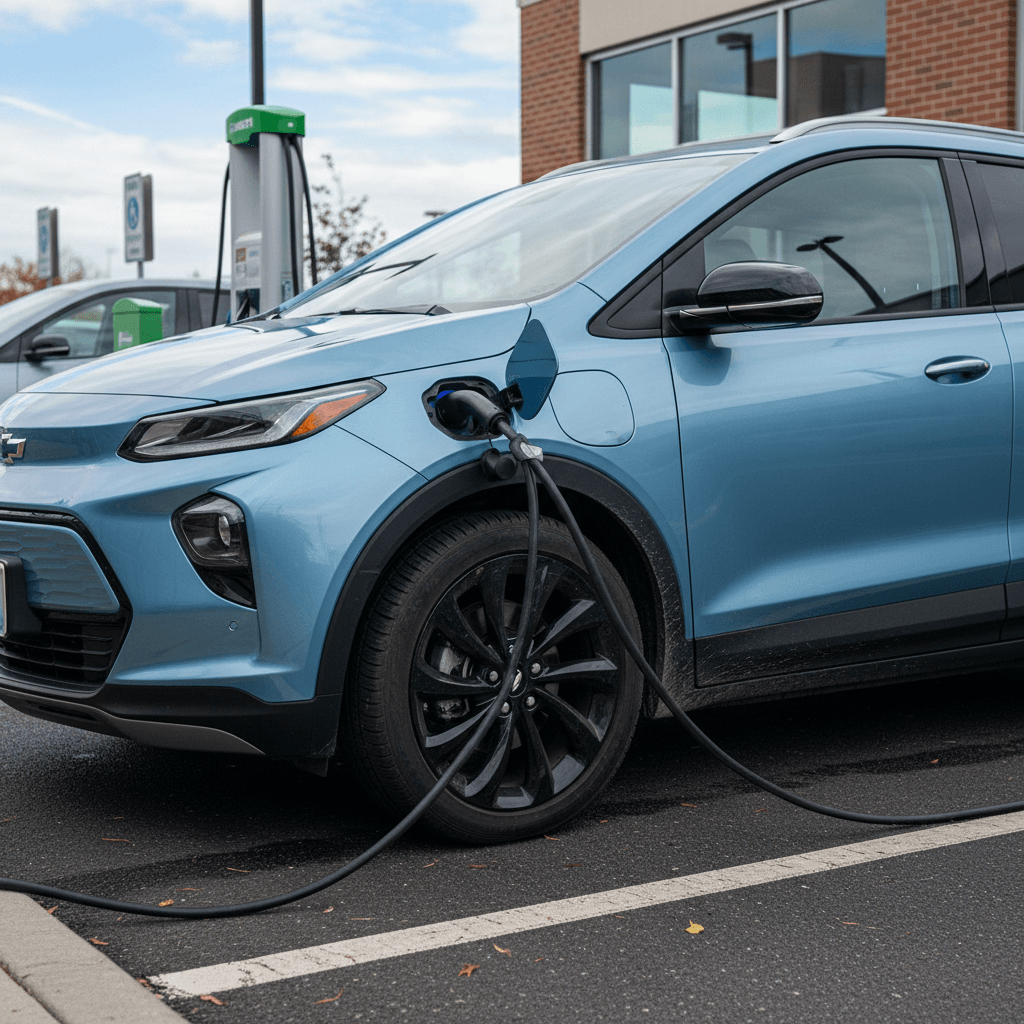
Battery Life, Range, and Long-Term Durability
The 2022 Bolt EUV uses the same BEV2 platform and 65‑kWh pack family as the refreshed Bolt EV, with an EPA‑rated 247 miles of range when new. The platform’s fire‑risk recalls were serious, but they also mean that most surviving cars have seen very close scrutiny of their packs.
What We’re Seeing From 2022 Bolt EUV Packs
How the batteries are holding up in the real world
Range retention
Owner reports on 2020–2022 Bolts commonly show modest degradation after several years, often still near their original rated range when driven reasonably. Many 2022 EUVs are still within their 8‑year / 100,000‑mile battery warranty window.
Warranty safety net
The federal‑style battery warranty helps catch rare cases of true pack failure or significant capacity loss. Where full replacements have been needed, most have been handled under warranty or recall at no cost to the owner.
Charging behavior
DC fast charging is adequate but not blazing. Some owners equate slower road‑trip charging with a "problem," but that’s a performance limitation of the platform, not a defect or reliability failure.
Battery health ≠ dashboard guess
What the Reliability Rating Means If You’re Buying Used
So how should you interpret the mixed reliability ratings if you’re staring at a clean‑looking 2022 Bolt EUV on a dealer lot or marketplace listing?
Translating the 2022 Bolt EUV Reliability Rating
From abstract score to real‑world decision
Low score doesn’t mean every car is bad
Survey‑based ratings treat all recall‑affected cars the same, whether they’ve been perfectly fixed or never touched. That drags the entire model’s score down, even though individual cars with documented pack replacements and updates can be very solid.
Your job is to identify the outliers
Instead of asking "Is the 2022 Bolt EUV unreliable?" ask "Is this specific car one of the unlucky outliers, or a boringly dependable commuter with its issues already cleaned up?" That answer comes from records, diagnostics, and careful inspection.
In short, the formal 2022 Chevrolet Bolt EUV reliability rating is a warning label, not an automatic deal‑breaker. Use it as motivation to dig deeper, not as a reason to write off the entire model.
How to Shop Smart for a Used 2022 Chevy Bolt EUV
If you like the Bolt EUV’s size, price, and efficiency, your next move is to separate the keepers from the headaches. Here’s a practical checklist you can work through on any 2022 EUV you’re serious about, whether you’re buying from a franchise dealer, independent lot, or private seller.
Used 2022 Bolt EUV Reliability Checklist
1. Pull a full recall and service history
Run the VIN through the NHTSA recall lookup and ask for <strong>dealer service records</strong>. You want written proof that all battery‑related and airbag recalls are complete, plus any software campaigns. If anything is still open, have it completed before purchase.
2. Confirm battery work and dates
If the pack or modules were replaced, note <strong>when</strong> and at what mileage. Newer packs with thousands of miles and no subsequent warnings are reassuring. Vague references to “reprogramming” without paperwork are not.
3. Get a professional battery-health report
Whenever possible, rely on a third‑party diagnostic rather than just the car’s guess‑o‑meter. At Recharged, the <strong>Recharged Score</strong> pulls pack data and fast‑charge performance to quantify real battery health, which is critical on any used EV.
4. Test for warning messages and limp mode
On the test drive, watch for <strong>“Service vehicle soon”</strong>, "Propulsion power reduced," or traction‑control and ABS lights. Accelerate hard a few times and climb a grade if you can. Any odd behavior is a red flag until a qualified EV tech explains it.
5. Check steering feel and noises
In a safe area, turn the wheel lock‑to‑lock at low speed and then let it return to center. It should be smooth and quiet. Any clunks, binding, or refusal to self‑center can hint at steering‑rack issues that may be costly out of warranty.
6. Beat up the infotainment system
Ask the car to do multiple things at once, navigation, Bluetooth audio, CarPlay/Android Auto, cameras. A single freeze isn’t the end of the world, but repeat glitches can foreshadow ongoing annoyances.
7. Inspect tires, brakes, and underbody
Uneven tire wear, chewed‑up suspension components, or underbody damage near the battery tray are reasons to pause. They may not show up on Carfax, but they matter a lot more on an EV that carries its energy source under the floor.
8. Price in warranty and support
Ask how much battery and powertrain warranty is left by <strong>time and mileage</strong>, and who will service the car. A well‑sorted, warrantied EUV from an EV‑savvy seller is worth more than a cheaper, mysterious example with spotty records.
Where Recharged fits in
How Recharged Evaluates 2022 Bolt EUVs Differently
Because the Bolt EUV’s official reliability story is so tied to its battery history, a surface‑level inspection doesn’t cut it. Here’s how a purpose‑built used‑EV marketplace approaches cars like this differently than a traditional lot.
Inside a Recharged Bolt EUV Evaluation
Why the Recharged Score matters more than a generic reliability score
Battery-first diagnostics
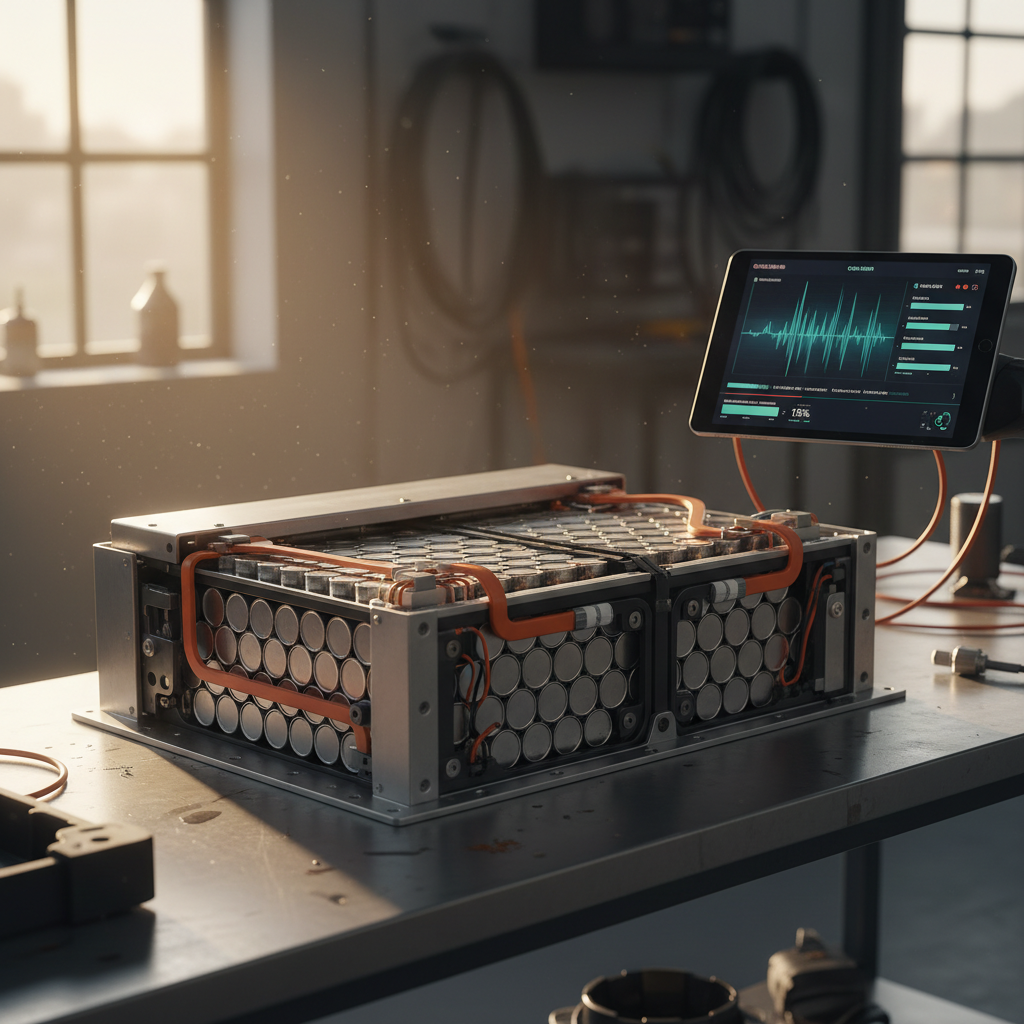
Instead of trusting dashboard estimates, Recharged uses specialized equipment to read pack health, cell balance, and charging behavior. That gives you a quantified view of how much life is realistically left in the battery.
Recall & software verification
Recharged checks VIN-specific recall completion and confirms that critical software campaigns have been applied. That means you’re not guessing whether that scary bulletin from 2022 is still hanging over your car.
Pricing tied to real condition
Because the Recharged Score bakes in battery health and known Bolt EUV trouble spots, pricing reflects actual condition, not just odometer and trim. A car with a fresh pack and clean history is priced, and explained, accordingly.
Ready to find your next EV?
Browse VehiclesIf you’re comparing two 2022 Bolt EUVs that look identical in photos, this kind of deeper inspection is what separates “great deal” from “mystery project.” Whether you buy through Recharged or elsewhere, try to approximate this level of scrutiny as closely as you can.
2022 Chevrolet Bolt EUV Reliability FAQ
Common Questions About 2022 Bolt EUV Reliability
Bottom Line: Should You Trust a 2022 Bolt EUV?
The 2022 Chevrolet Bolt EUV’s reliability rating comes with an asterisk. As a model line, it’s weighed down by a major battery recall and some software drama. As an individual used car, it can be anything from a rock‑solid commuter to a problem child, and the difference comes down to battery history, software status, and how carefully you shop.
If you like what the Bolt EUV offers, usable range, tidy size, low operating costs, it’s worth considering, but only if you can see past the window sticker. Look for complete recall paperwork, recent software updates, clean steering and electronics behavior, and, above all, objective battery‑health data. That’s exactly what the Recharged Score Report is designed to surface, so you can buy a used EV with the same confidence you’d bring to a brand‑new car.
Do that, and the scary reliability headlines start to look less like a verdict and more like a checklist. For a lot of drivers, a well‑vetted 2022 Bolt EUV isn’t a gamble, it’s one of the smartest value plays in the used EV market right now.