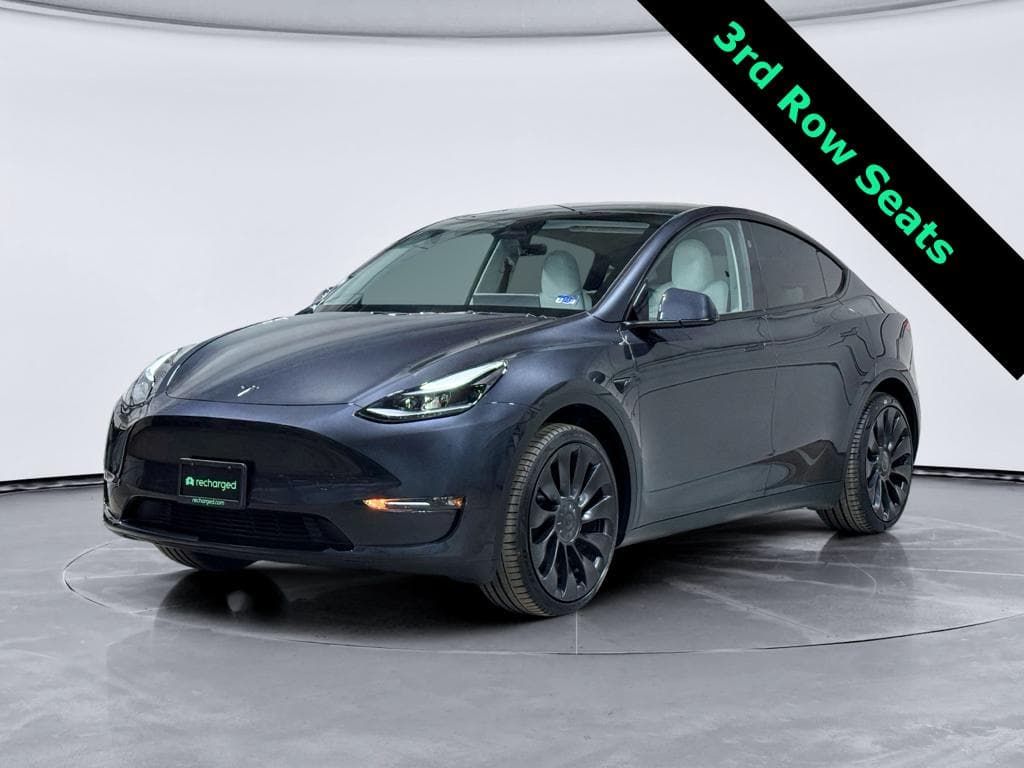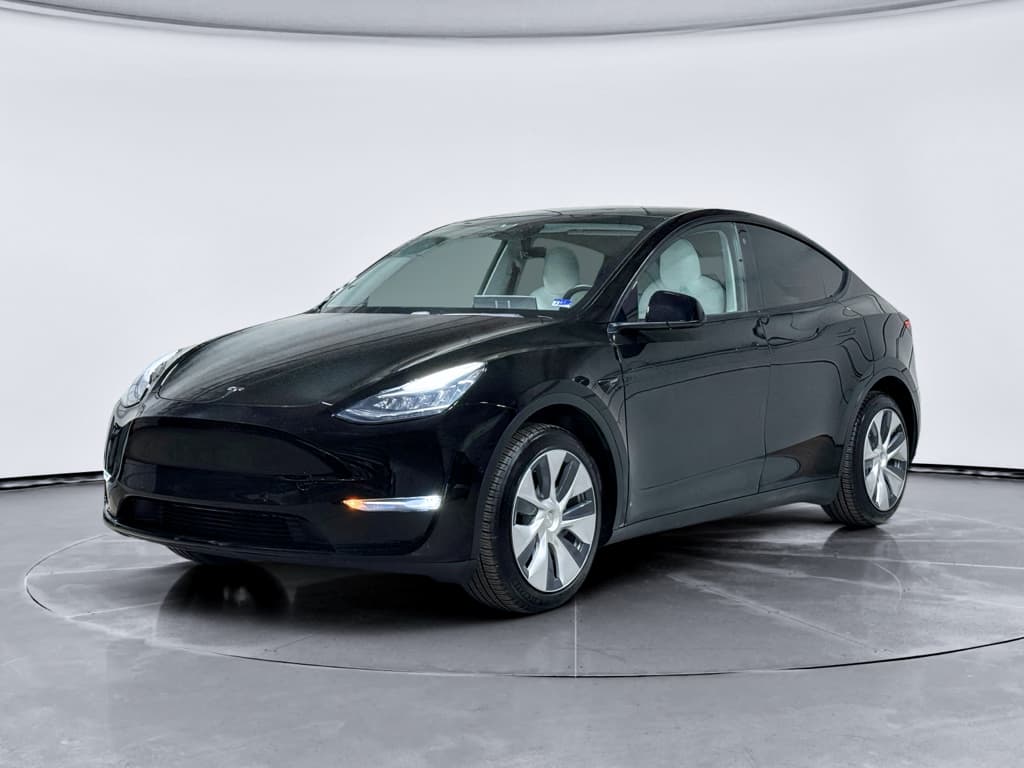
If you’re looking at a used 2021 Tesla Model Y, you’ve probably seen the EPA range figures and wondered what they actually mean in the real world. A "326-mile" or "303-mile" rating sounds great on paper, but a proper 2021 Tesla Model Y range test tells a more nuanced story, especially once you factor in highway speed, weather, and battery age.
Why real-world range matters more than the window sticker
2021 Tesla Model Y range: lab ratings vs real world
Tesla sold three main versions of the 2021 Model Y in North America: Standard Range (briefly offered), Long Range Dual Motor, and Performance. Official EPA estimates put the Long Range around 326 miles and the Performance around 303 miles per charge, with the short-lived Standard Range in the mid‑200s. Independent tests and European WLTP-to-real-world data suggest that you should expect something closer to 80–95% of those numbers in typical driving, and less on fast highways or in cold weather.
Headline 2021 Model Y range numbers
How 2021 Model Y range tests are actually done
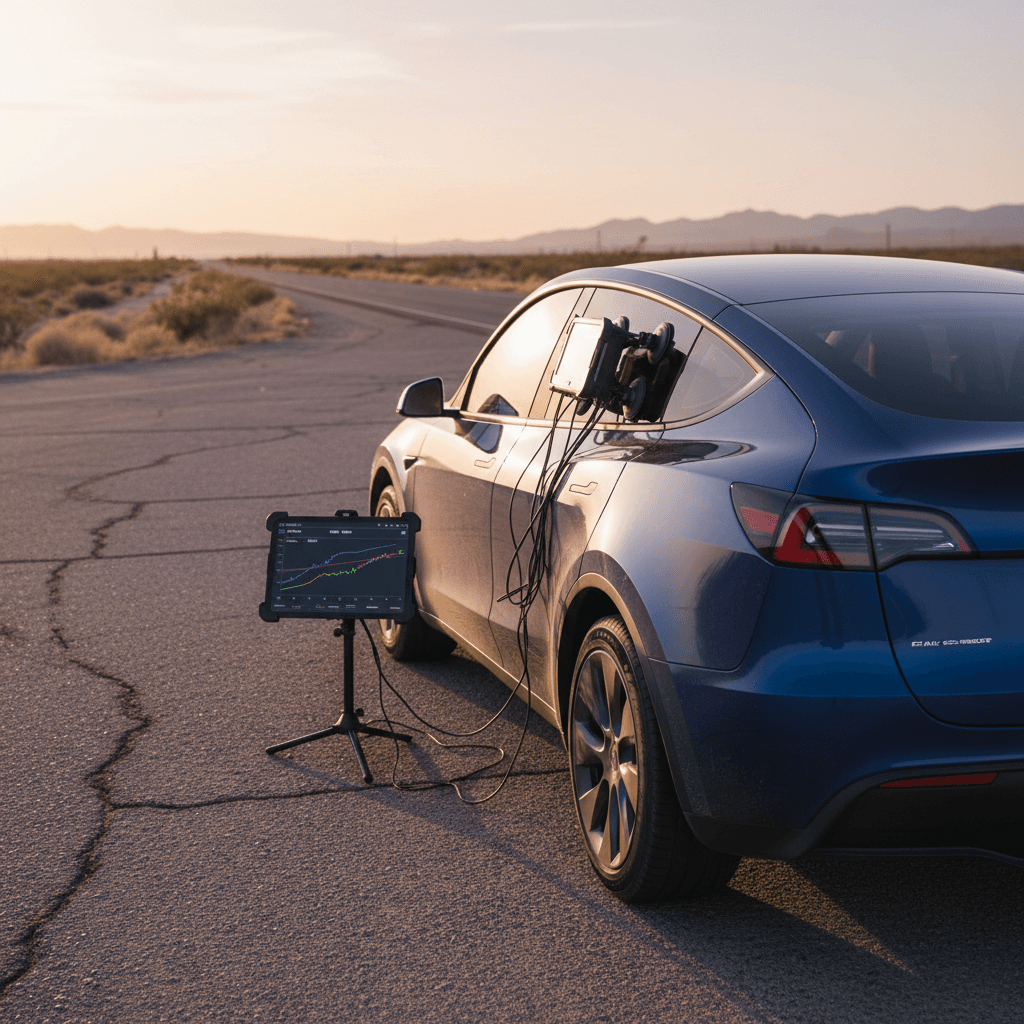
When you read about a 2021 Tesla Model Y range test, you’re usually seeing one of three approaches: official lab tests (EPA or WLTP), independent media tests, or owner-run "full to empty" drives. Each method has tradeoffs you should understand before you treat any number as gospel.
Common Model Y range-testing methods
Why different tests give different answers
Lab tests (EPA/WLTP)
Performed on a dynamometer in controlled conditions.
- Standardized cycle for comparison
- Moderate speeds and temps
- Does not reflect local climate or driving style
Media road tests
Outlets like Edmunds and Car and Driver run repeatable routes.
- Often 70–75 mph highway loops
- Documented weather and speed
- Great for long‑trip expectations
Owner tests
Everyday drivers sharing their results.
- Highly variable conditions
- Useful as anecdotes, not lab data
- Good for seeing best and worst cases
Look past the headline number
Real-world range results for the 2021 Model Y
Pulling together independent testing, owner data, and EV databases, a realistic picture of 2021 Model Y range emerges. The Long Range uses a roughly 75 kWh battery pack with about 70–72 kWh usable, and in mixed driving that typically translates into 260–300 miles on a full charge when the car is new. Highway-only testing at 70–75 mph often lands lower, in the low‑ to mid‑200‑mile range from 100% down to near empty.
Typical 2021 Model Y real-world range
Approximate full-charge range when new, in mild weather, assuming 90–100% down to near empty.
| Model | EPA rating (mi) | Mixed driving (mi) | Highway 70–75 mph (mi) | City-heavy (mi) |
|---|---|---|---|---|
| Long Range Dual Motor | ~326 | 260–300 | 220–250 | 280–320 |
| Performance | ~303 | 240–280 | 210–240 | 260–300 |
| Standard Range (RWD) | ~244 | 190–220 | 170–200 | 210–240 |
These are directional averages from multiple independent tests, not guarantees for any specific vehicle.
Range tests rarely use "daily" charging limits
Highway vs city vs mixed driving: what changes
The 2021 Model Y is very efficient for a crossover, but like every EV, it’s heavily speed‑sensitive. Above about 60 mph, aerodynamic drag dominates, so a Model Y doing 75–80 mph on a wide‑open interstate can burn through energy dramatically faster than the same car inching through city traffic.
Highway-heavy driving
- Biggest range hit comes from sustained 70–80 mph speeds.
- Crosswinds, roof racks, and big wheels add more drag.
- Expect something like 65–80% of EPA range on a long highway run.
If your life is mostly road trips or long‑distance commuting, use highway‑test numbers as your planning baseline.
City or suburban driving
- Lower speeds and regenerative braking help efficiency.
- Stop‑and‑go isn’t nearly as punishing as it is for gas cars.
- In mild weather, you can come surprisingly close to, or even exceed, EPA ratings around town.
Shorter trips also mean you’re rarely using the bottom or top 10% of the pack, which is gentler on the battery.
Mixed driving is usually best-case real world
Cold weather and climate: how much range you lose
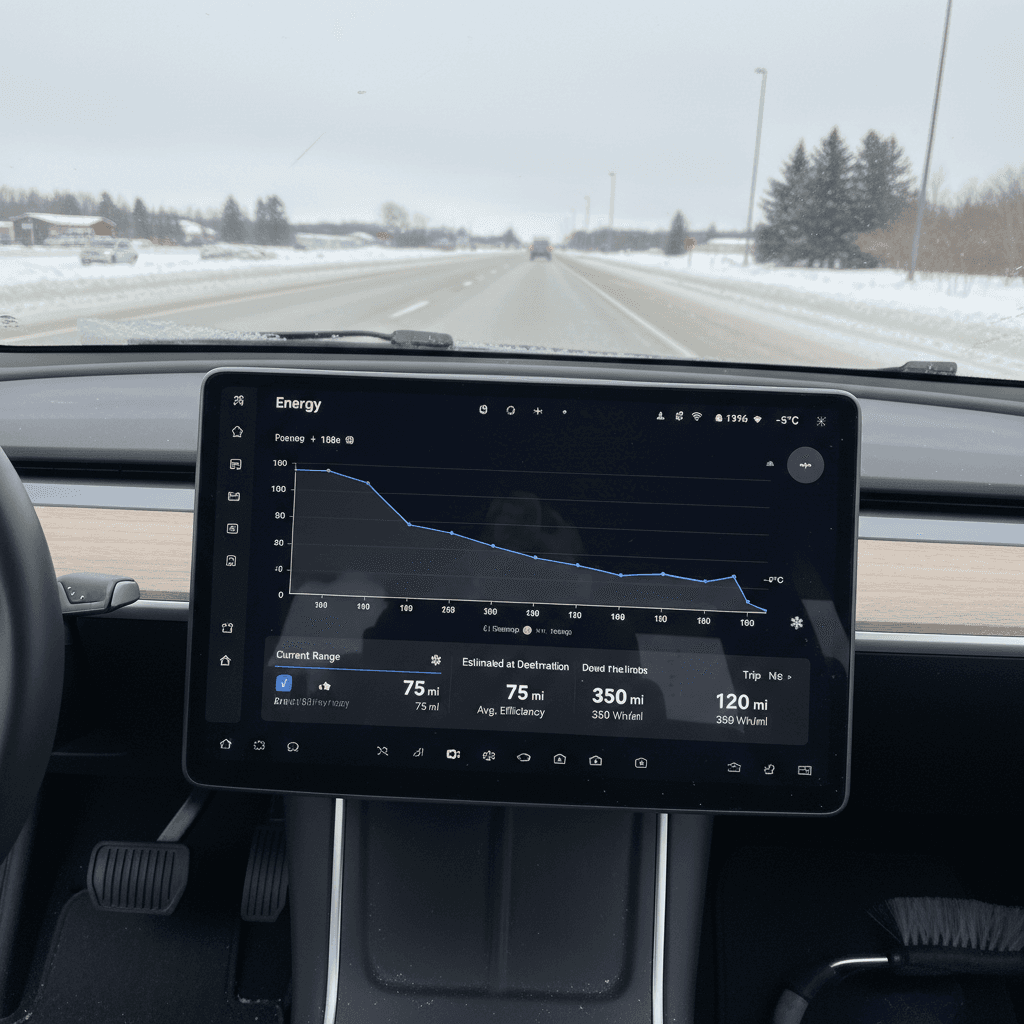
Temperature is the wildcard that makes some range tests look brutally pessimistic. EVs don’t just move the car, they also heat the cabin and, in many cases, the battery. In a 2021 Model Y, driving at freeway speeds on a cold winter day with the heater running can easily knock double‑digit percentages off your usable range.
How climate affects your 2021 Model Y range
Approximate impact compared with mild (60–70°F) conditions
Hot weather (80–100°F)
- Modest range impact when cruising.
- AC is efficient but still adds a few percent.
- Parking in sun can increase initial cooling load.
Cold weather (20–40°F)
- Range loss of 10–30% is common.
- Short trips amplify losses because cabin must re‑heat each time.
- Preconditioning while plugged in helps significantly.
Severe cold (below 10°F)
- Worst‑case 30%+ losses on short, heater‑heavy trips.
- Regen braking is limited until the pack warms up.
- Plan extra buffer on rural or mountainous routes.
Cold‑weather prep for a road trip
Battery degradation in a 2021 Model Y
By 2026, a 2021 Model Y is now a 3–5‑year‑old EV, depending on build date. Tesla’s pack chemistry and thermal management are mature, and owner data across hundreds of thousands of vehicles suggests a familiar pattern: a noticeable early drop in range over the first 20–40,000 miles, then a slower, flatter curve. Many Model Y packs still show around 90% of original capacity after several years if they’ve been treated reasonably well.
Main factors that influence 2021 Model Y battery health
1. High mileage and fast‑charging frequency
More miles means more cycles. Occasional Supercharging is fine, but relying heavily on DC fast charging over Level 2 home charging tends to accelerate wear.
2. Charging to 100% and sitting full
Repeatedly charging to 100% and letting the car sit for long periods at full charge puts extra stress on the pack chemistry. Tesla recommends lower daily charge limits for a reason.
3. Deep discharges to very low SOC
Running the pack down to single digits routinely can also add stress. It’s okay occasionally on a road trip, but it shouldn’t be your normal pattern.
4. Extreme heat without shade or cooling
High ambient temperatures combined with long sun exposure are rough on any battery. The Model Y’s active cooling helps, but parking in shade or garages still pays off over years.
Warranty safety net
What a used 2021 Model Y buyer should realistically expect
If you’re considering a used 2021 Model Y today, the key question isn’t "Can it still do 326 miles?" It’s "Given some normal degradation and my driving pattern, what range can I actually count on?" For a typical Long Range model with average mileage and decent care, a realistic real‑world expectation is closer to the mid‑200s on a full charge in mixed conditions, and less if you’re mainly running fast interstates or harsh winters.
Range expectations for a used 2021 Model Y Long Range
Ballpark expectations assuming modest degradation and healthy battery, starting from near‑full and using most of the pack.
| Scenario | Ambient temp | Driving mix | Realistic usable range |
|---|---|---|---|
| Daily commuting, mixed driving | 55–75°F | 50% city / 50% highway | 210–260 mi (charging to ~80–90% daily) |
| Long highway trip | 55–75°F | 80–90% highway at 70–75 mph | 190–230 mi (100% down to ~5–10%) |
| Winter commuting | 25–40°F | Urban/suburban with heater | 160–210 mi (with cabin preconditioning) |
| Winter highway road trip | 20–32°F | 70–75 mph, heater on | 150–200 mi (plan bigger buffers between fast charges) |
Your results will vary; these are directional planning numbers for buyers evaluating a used vehicle.
How Recharged helps you quantify this
How to maximize range in a 2021 Tesla Model Y
The good news is that you have a lot of control over how far a 2021 Model Y will actually go on a charge. You can’t change physics or past battery history, but you can make smart choices in how you drive, charge, and configure the car.
Practical steps to stretch your Model Y’s range
1. Moderate your highway speed
Dropping from 78 mph to 68 mph can make a bigger difference than any other single change. Range tests routinely show double‑digit percentage gains from slightly slower cruising.
2. Use the built‑in Trip Planner
Tesla’s navigation accounts for elevation, weather, and current consumption to route you between Superchargers. Trust the planner more than raw rated miles on the display.
3. Precondition while plugged in
Heating or cooling the cabin and battery while the car is still on shore power preserves more of your battery for actual driving, especially in winter.
4. Choose wheels and tires wisely
The 2021 Model Y’s larger wheels and stickier performance tires look good but cost range. If range matters most, look for 19‑inch wheels and all‑season or low‑rolling‑resistance tires.
5. Limit unnecessary weight and drag
Roof boxes, bike racks, and heavy cargo are range killers at highway speeds. Remove accessories and clear out the trunk when you don’t need them.
6. Set realistic charge limits
For daily use, charging to around 70–90% keeps the pack happier long‑term while still giving you plenty of real‑world range for commuting and errands.
2021 Model Y range specs at a glance
It’s helpful to keep the official specs side‑by‑side with what real‑world tests show. Remember, test results are snapshots under specific conditions; your own experience will depend on climate, driving style, and how you charge.
2021 Tesla Model Y: specs vs real-world range
Comparing official ratings to typical observed range in independent testing when new.
| Variant | Battery (usable, approx.) | EPA range (mi) | Typical mixed range (mi) | Typical highway range (mi) |
|---|---|---|---|---|
| Standard Range (RWD) | ~55–60 kWh | ~244 | 190–220 | 170–200 |
| Long Range Dual Motor | ~70–72 kWh | ~326 | 260–300 | 220–250 |
| Performance | ~70–72 kWh | ~303 | 240–280 | 210–240 |
Use this as a directional guide, not a guarantee for any specific used vehicle.
Don’t assume every used car still matches the chart
Frequently asked questions about 2021 Model Y range
2021 Tesla Model Y range FAQ
Key takeaways for used EV shoppers
A 2021 Tesla Model Y still offers some of the most compelling real‑world range in the compact SUV segment, but you have to interpret the numbers correctly. EPA ratings in the low‑ to mid‑300s miles translate into mixed‑use real‑world range more in the mid‑200s, lower on fast winter highway runs and higher around town in mild weather. Battery degradation, driving style, and climate all matter at least as much as the label on the original Monroney.
If you’re shopping used, focus less on chasing a perfect advertised number and more on verified battery health, realistic range expectations for your routes, and the support you’ll have after you buy. At Recharged, every used EV comes with a Recharged Score Report that quantifies battery condition and fair pricing, plus EV‑specialist guidance on choosing the right Model Y configuration for your needs. That way, when you look at a 2021 Tesla Model Y range test, you’ll know exactly how those results translate into your daily life, and your next road trip.