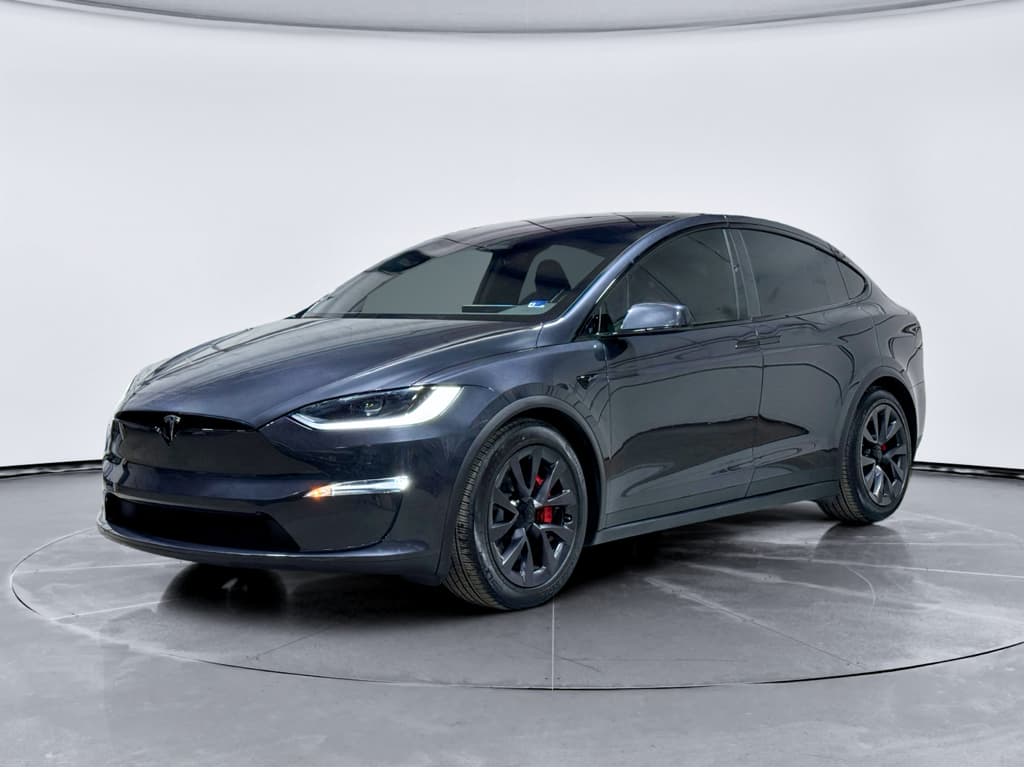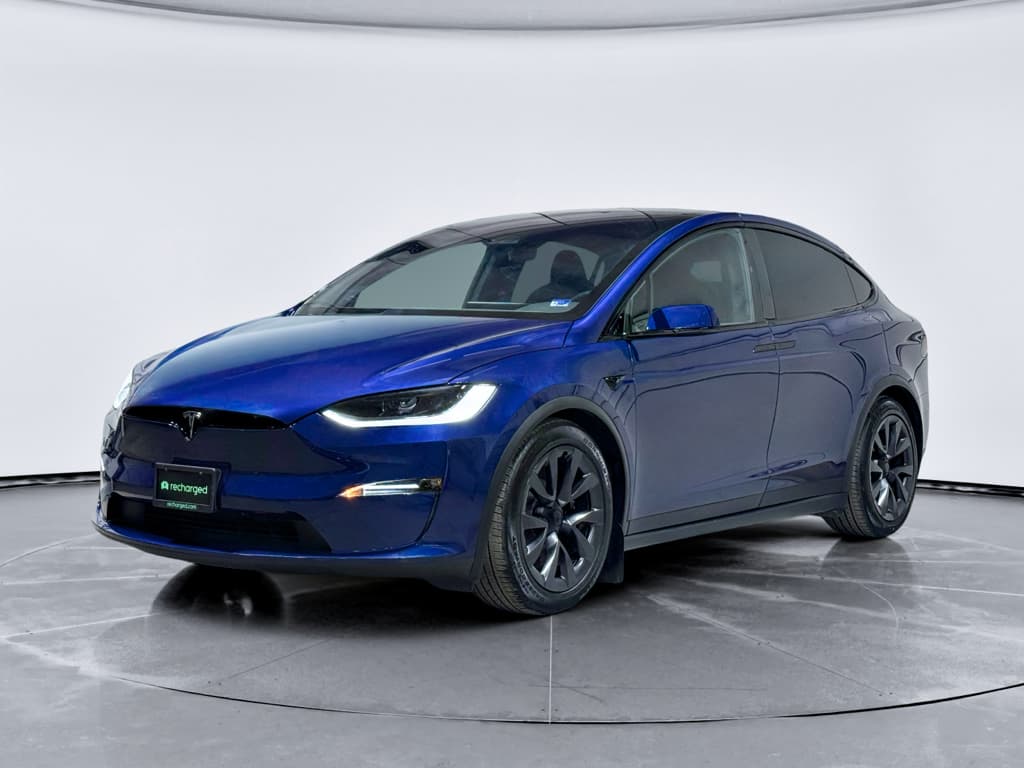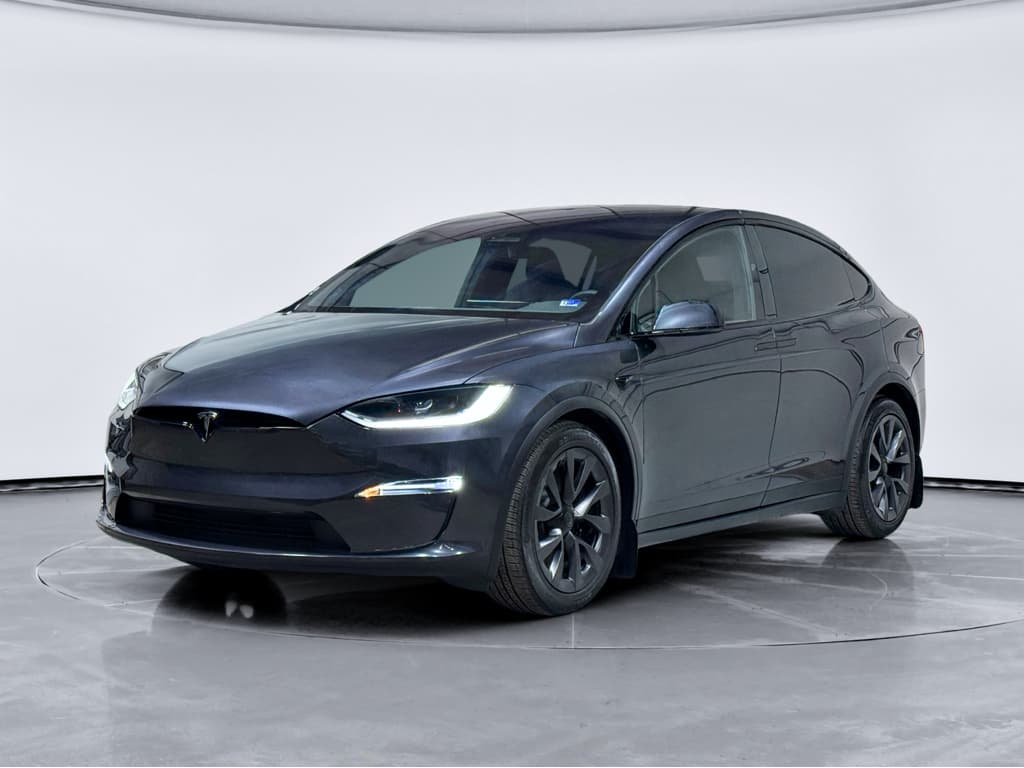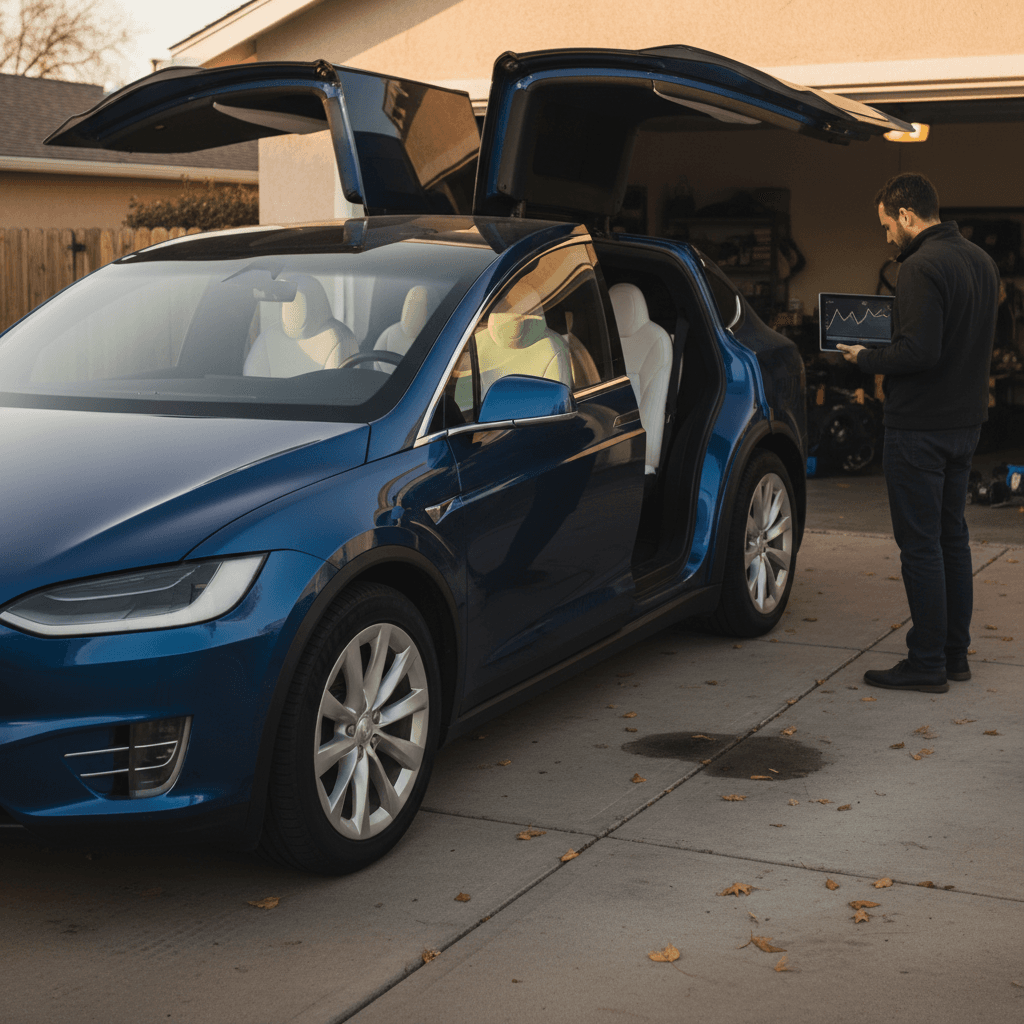
If you’re eyeing a used luxury EV SUV, the 2021 Tesla Model X is hard to ignore. It’s fast, high-tech, and has real family-hauling space. But 2021 Tesla Model X reliability is more complicated than the acceleration figures and flashy Falcon Wing doors suggest. This guide breaks down what’s actually holding up well, what tends to go wrong, and how to shop smart if you’re considering a used 2021 Model X.
Quick reliability snapshot
Overview: How Reliable is the 2021 Model X?
2021 Tesla Model X Reliability at a Glance
To put it bluntly, the 2021 Model X lives in two worlds at once. Day-to-day, many owners report smooth, trouble-free driving and strong reliability scores in consumer reviews. At the same time, third-party reliability surveys have historically flagged the Model X as one of the least reliable luxury SUVs because when things do break, they’re often hardware-intensive (doors, suspension, electronics) and expensive to fix.
The key takeaway: the 2021 Model X is not a “set it and forget it” Toyota Highlander. It’s a complex, high-performance EV that can be very dependable if you get a good example, and very costly if you buy one with unresolved issues or no warranty safety net.
Strengths: Where the 2021 Model X Does Well
Core Reliability Strengths of the 2021 Model X
These areas tend to hold up better than the headlines suggest
Battery & Range Stability
Tesla’s large battery packs in the 2021 Model X generally show slow, predictable degradation when properly charged and not regularly fast-charged to 100%.
Most owners report retaining strong real-world range well past 50,000 miles.
Drivetrain Durability
The dual-motor powertrain has few moving parts compared with a gas SUV. Early Model X years saw more drive unit complaints; by 2021, drive-unit failures appear less common, especially within warranty.
Software Fixes Many Quirks
Because so much of the Model X is software-defined, Tesla can resolve a surprising number of glitches via over-the-air updates, avoiding some trips to the service center.
Good news for used buyers
Known 2021 Tesla Model X Problems
When people talk about 2021 Tesla Model X reliability, they’re usually not talking about batteries catching fire or motors falling out. They’re talking about livability issues: doors that act up, air suspension noises, infotainment glitches, and the cost of fixing any of it once the factory warranty runs out.
Most Common 2021 Model X Problem Areas
Focus on these systems when you inspect or test‑drive a used 2021 Model X.
| System / Component | Typical Symptoms | Why It Matters | Potential Fix Cost (Out of Warranty) |
|---|---|---|---|
| Falcon Wing Doors | Slow operation, misalignment, false obstacle warnings, failure to latch | Doors rely on complex sensors and actuators; misbehavior gets old fast in daily use. | $300–$1,000+ depending on sensors, latches, or hinge work |
| Front Air Suspension & Steering | Clunks over bumps, loose steering feel, uneven tire wear, "suspension needs service" warnings | Heavy EV + big wheels can accelerate wear on control arms, ball joints, and air components. | $400–$600 per arm; $1,000+ for deeper suspension work |
| MCU / Infotainment | Touchscreen freezing, random reboots, yellowing border, laggy camera feed | The center screen controls core functions; failures are more than an entertainment inconvenience. | $300–$1,000+ depending on screen or computer replacement |
| Door Handles & Latches | Handle not presenting, door not opening on first try | Annoying for daily use and can be a safety concern in emergencies. | $200–$600 depending on parts and labor |
| Interior Trim & Seals | Wind noise, rattles, hatch squeaks, water drips in heavy rain or washes | Fit-and-finish items don’t strand you, but they kill the luxury feel and can worsen over time. | $150–$800 depending on seals, clips, or body adjustments |
Not every 2021 Model X will have these issues, but they’re the patterns that show up most in owner reports and repair data.
Remember the software side
Battery & Drivetrain Longevity
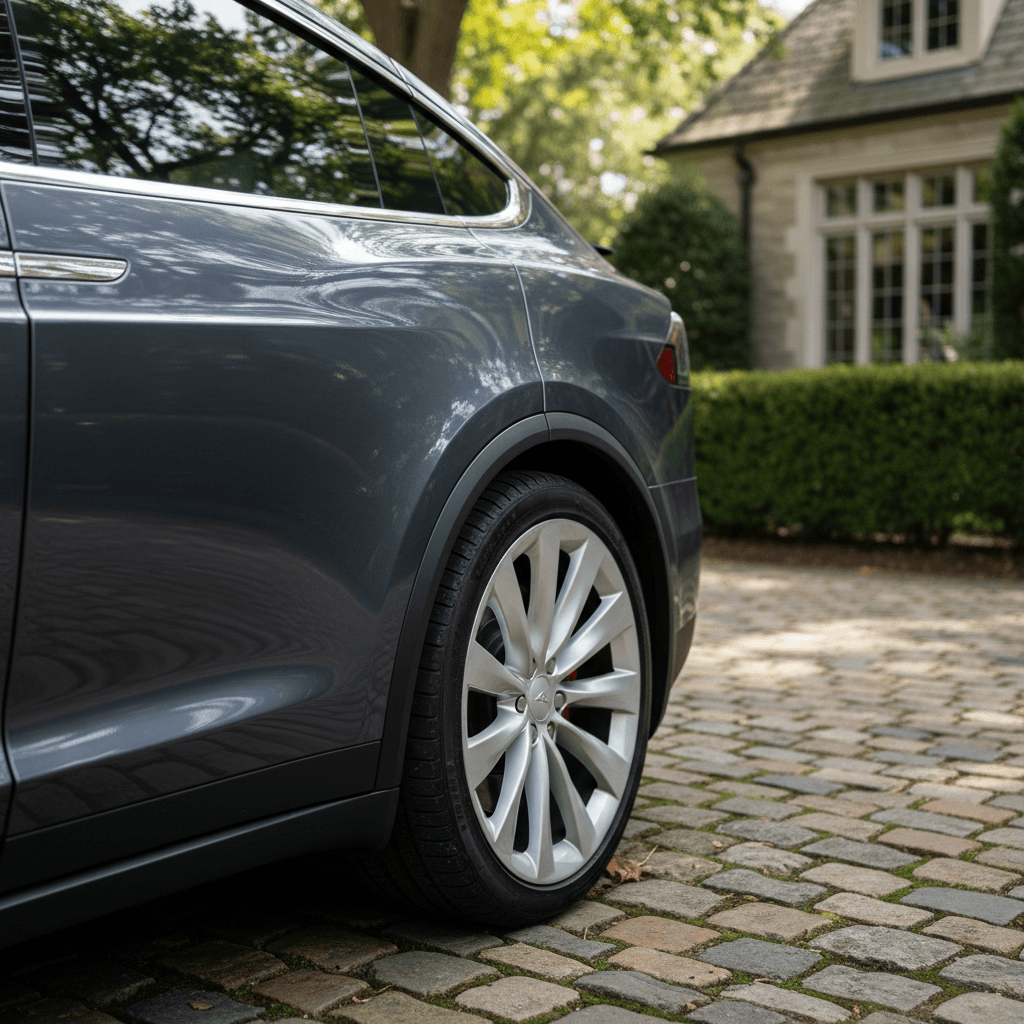
From a reliability standpoint, the high-voltage battery and motors are actually the 2021 Model X’s strongest suit. There are relatively few verified cases of catastrophic battery failure in this model year, and Tesla’s thermal management tends to keep degradation gradual if the car is charged reasonably (avoiding repeated 0–100% DC fast‑charge cycles).
Battery health
- Most 2021 packs retain a large majority of their original capacity through the first 80,000–100,000 miles when driven and charged normally.
- Range loss is usually gradual, think in terms of tens of miles over several years, not half your range disappearing overnight.
- Abuse (frequent high‑power fast charging to 100%, sitting at 0% or 100% for days) can accelerate wear.
Motors & gearbox
- The dual‑motor setup has far fewer moving parts than a traditional SUV powertrain.
- Major motor or gearbox failures are relatively rare but expensive if they happen outside warranty.
- Listen for whining, grinding, or vibrations under acceleration, walk away from cars with anything more than mild EV whir.
Use data, not guesswork
Ownership Costs and Out-of-Warranty Risk
A big part of "reliability" is how painful things get when they do go wrong. Tesla’s warranty structure eases a lot of risk for early owners, but many 2021 Model X examples are now aging into or through their basic coverage window.
Key Warranty Timelines for a 2021 Tesla Model X (U.S.)
Most 2021 Model X vehicles are now beyond basic coverage but still within battery/drive-unit protection.
| Coverage Type | Typical Term | What’s Covered | What’s Not |
|---|---|---|---|
| Basic Vehicle Limited Warranty | 4 years / 50,000 miles from in‑service date | Most non‑wear items: doors, HVAC, electronics, many suspension components | Wear items (tires, brakes), trim, user damage |
| Battery & Drive Unit Warranty | 8 years / 150,000 miles for most 2021 Model X variants | High-voltage battery pack and drive units, subject to minimum capacity retention | Interior, suspension, body, infotainment, cosmetic issues |
| Corrosion Warranty | Varies, often 12 years for perforation | Rust‑through on body panels (not surface corrosion) | Paint chips, cosmetic rust from damage |
Always verify coverage by VIN and in the Tesla app, warranty transfer rules and terms can vary by vehicle and region.
If you’re shopping a 2021 Model X in 2026, you’re almost certainly outside the 4‑year/50,000‑mile basic coverage unless it was put into service unusually late. That means things like Falcon Wing door repairs or suspension work are more likely to be on your dime, while major battery or motor issues may still be covered.
The big risk with older luxury EVs
2021 vs Other Model X Years for Reliability
The Model X has evolved steadily since its launch, and reliability has moved with it. Early builds earned the SUV a reputation for eye‑watering repair lists; later years gradually improved hardware and quality control. The 2021 model year sits in an interesting middle ground: late in the first generation, but just before the 2022+ refresh.
How 2021 Model X Stacks Up Against Other Years
High‑level reliability trends across first‑generation Model X years.
| Model Year | Overall Reliability Trend | High Points | Common Concerns |
|---|---|---|---|
| 2016–2017 | Below Average | Early adopters, unique design, strong performance | Frequent Falcon Wing and front door issues, more drive‑unit and suspension complaints, fit-and-finish problems |
| 2018–2019 | Improving | Some hardware revisions, fewer major drive‑unit issues | Still-spotty build quality, ongoing door and air‑suspension wear, infotainment glitches |
| 2020 | Moderate | Refined vs early years, better general fit/finish | Complex systems still costly if they fail; some MCU issues remain |
| 2021 | Moderate–Better | Matured hardware, strong owner satisfaction scores, solid battery/drive‑unit track record so far | Known wear on doors and suspension, ongoing software/infotainment quirks, out-of-warranty repairs getting more likely |
| 2022+ Refresh | Too Early / Mixed | Improved interior, updated hardware, newer software platform | New‑gen issues still emerging; long‑term reliability data limited |
These are generalized patterns from owner surveys and repair reports, not guarantees for any specific VIN.
Where 2021 lands in the sweet spot
Reliability Checklist for a Used 2021 Model X
Before you fall in love with the glass roof and acceleration, slow down and make sure the specific 2021 Model X in front of you is a good mechanical and electrical specimen. Use this checklist during your inspection and test drive.
Pre-Purchase Reliability Checklist
1. Operate Every Door Multiple Times
Open and close both Falcon Wing doors, the front doors, and the liftgate from the app, interior screen, and exterior handles. Listen for grinding or popping, check alignment, and watch for random stops or errors.
2. Scan for Warning Lights & Messages
With the car on, verify there are no persistent warnings for suspension, ABS, stability control, Autopilot, or battery. Temporary tire-pressure alerts are common; repeated drivetrain or suspension alerts are not.
3. Test the Air Suspension Thoroughly
Cycle through ride‑height settings and drive over imperfect pavement at low speed. Clunks, creaks, or strong vibrations can indicate worn control arms or bushings, budget for repairs or negotiate price accordingly.
4. Stress-Test the Infotainment System
Use navigation, media, climate, and camera views for at least 10–15 minutes. Watch for freezing, slow responses, random reboots, or a yellowed screen border, these can foreshadow MCU repair or replacement.
5. Inspect Seals, Glass & Interior Trim
Check door and hatch seals for tears, look for uneven panel gaps, and drive at highway speed to listen for excessive wind noise. Water leaks often show up as staining in carpets or headliner near the hatch.
6. Pull a Battery Health Report
Don’t guess on pack health. Ask for third‑party diagnostics (like the <strong>Recharged Score battery report</strong>) or at least confirm real‑world range at a known state of charge to see if it matches expectations.
Bring data to your negotiation
How Recharged Helps You Manage Reliability Risk
Buying a used 2021 Tesla Model X from a traditional dealer often means you’re on your own when it comes to EV‑specific reliability questions. Recharged is built to solve exactly that problem for used EV shoppers.
Why Shop a 2021 Model X Through Recharged?
Transparency on battery health, pricing, and real risk, before you sign anything.
Recharged Score Battery & Health Report
Every Recharged vehicle, including the 2021 Model X, comes with a Recharged Score report. That means:
- Verified battery state of health, not just a dashboard estimate.
- Charging history indicators and likely range today vs. when new.
- Notes on visible wear items like tires and brakes that affect costs.
Fair Pricing, Financing & Trade-In
Because we focus exclusively on EVs, our pricing reflects real EV market data and typical repair risk. You can:
- See transparent pricing for 2021 Model X trims.
- Get EV‑friendly financing options.
- Trade in your current vehicle or get an instant offer.
Ready to find your next EV?
Browse VehiclesEV‑specialist guidance
Our team works with used EVs all day. If you’re unsure whether a particular 2021 Model X’s issues are normal or worrisome, we’ll walk you through:
- Which noises or warnings are red flags.
- How to think about remaining warranty coverage.
- Whether another vehicle in inventory is a better fit.
Digital buying & delivery
You can browse, finance, and complete your purchase fully online, then have your Model X delivered nationwide. If you’d rather see one in person, visit our Recharged Experience Center in Richmond, VA to get hands‑on with different used EVs before deciding.
FAQ: 2021 Tesla Model X Reliability
Frequently Asked Questions
Bottom Line: Should You Buy a 2021 Model X?
The 2021 Tesla Model X is not a conventional “buy it and forget it” family hauler. It’s a high‑complexity, high‑capability luxury EV that rewards careful shopping. If you find a well‑maintained example with clean software and service history, healthy battery diagnostics, and doors and suspension that behave themselves, it can be a deeply satisfying long‑term vehicle. Ignore reliability red flags or buy purely on price, and you could inherit someone else’s expensive experiments.
If you’re leaning toward a 2021 Model X but want to de‑risk the purchase, start by looking at vehicles that include independent battery and health reporting, like the Recharged Score on every EV we sell. That way you’re not just buying the promise of cutting‑edge tech; you’re buying a used Tesla whose real‑world reliability story is already on the table before you ever sign the paperwork.