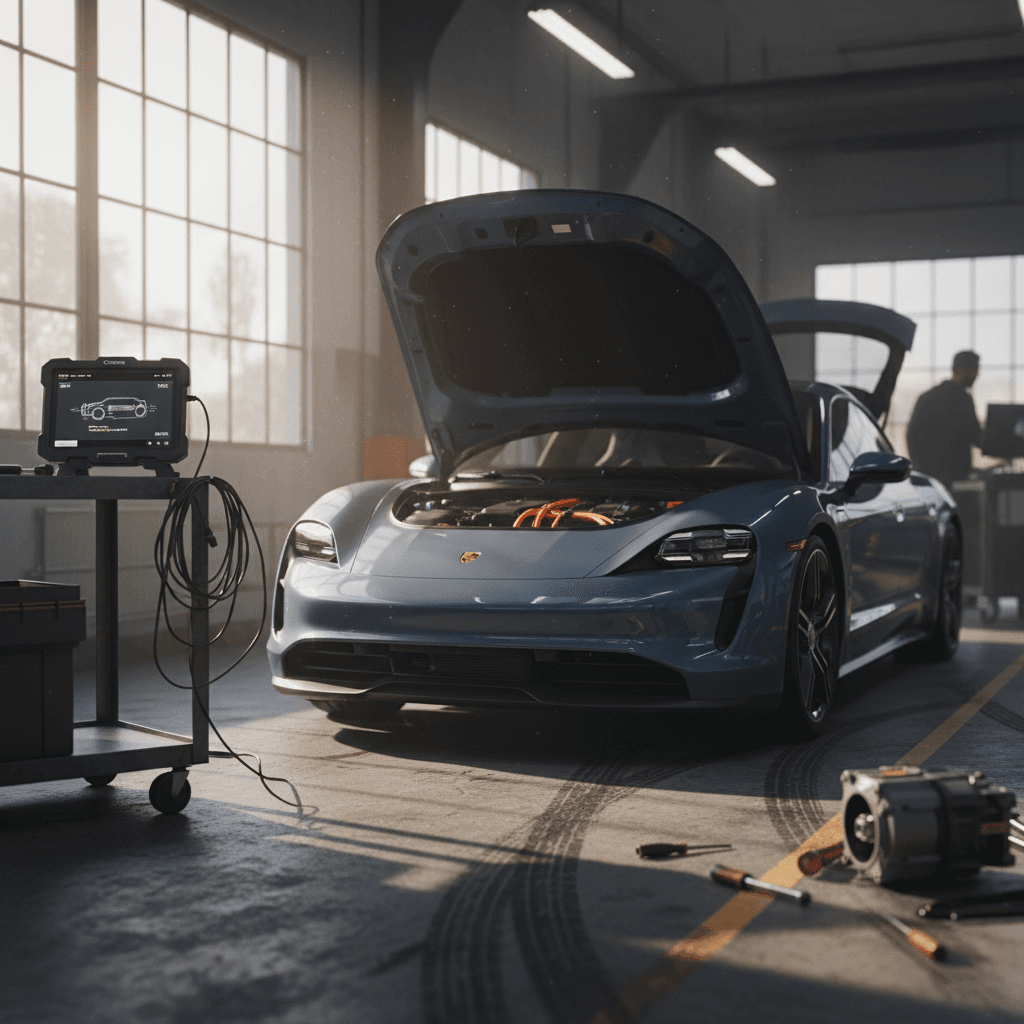
If you’re eyeing a used 2021 Porsche Taycan, you’re probably torn between two truths: it’s one of the most exciting EVs ever built, and it’s also one of the more complex. The question behind every late‑night search for “2021 Porsche Taycan reliability rating” is simple: can you enjoy that performance without inheriting someone else’s headaches?
Quick take
Overview: how reliable is the 2021 Porsche Taycan?
2021 Taycan reliability snapshot
On paper, the 2021 Taycan lands in the murky middle ground of EV reliability. Owners on major review sites tend to rate it highly for quality and reliability, while specialist reliability trackers and legal sites show a steady stream of complaints about software glitches, charging faults, and the occasional high‑dollar hardware failure. It’s not a lemon by design, but it is a first‑generation Porsche EV still finding its footing through updates and recalls.
Key context
Reliability scores & owner ratings
Traditional reliability scores for the 2021 Taycan are a little fuzzy, because it’s a relatively low‑volume, high‑end EV. You won’t see the kind of massive survey sample you get with a Toyota RAV4, but there are still patterns worth paying attention to.
How different sources rate the 2021 Taycan
A high‑level view of reliability sentiment from major owner‑review and reliability sources.
| Source | Reliability / Quality Note | Takeaway for shoppers |
|---|---|---|
| Kelley Blue Book owners | Around 4.4 / 5 for reliability; ~85% would recommend the car | Day‑to‑day experience is positive for most owners who review their cars, especially on quality and driving feel. |
| Consumer Reports | Lists 22 recalls; no statistically solid reliability score for 2021 yet | CR flags the Taycan as recall‑heavy, with insufficient sample size for a precise rating but clear concern about complexity. |
| Complaint aggregators | Roughly 192 complaints logged for 2021 vs 238 for 2020 and 228 for 2022 | 2021 sits near the top of Taycan problem years, but worst issues cluster around early build cars and pre‑update software. |
| Enthusiast forums / communities | Owners split between "flawless so far" and "too many trips to the dealer" | Your experience will depend heavily on how your specific car was maintained, updated, and driven. |
Scores are directional rather than definitive; sample sizes for the Taycan are small compared to mainstream cars.
How to read these ratings
Recalls and technical campaigns on the 2021 Taycan
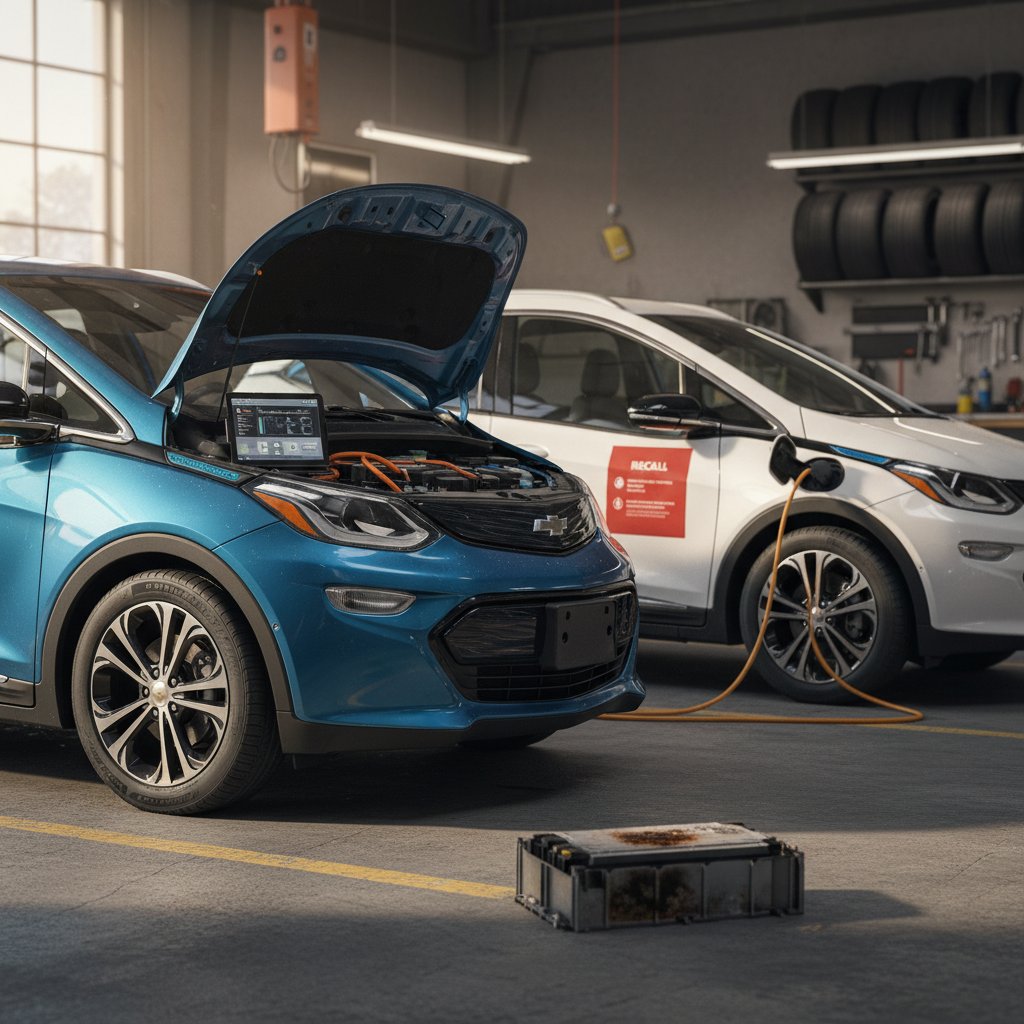
The headline number that scares many shoppers is the 22 recalls tied to the 2021 Taycan family. That sounds catastrophic until you look closer: most are software or electronics‑related service campaigns, not engines falling out of cars. With a vehicle as software‑defined as the Taycan, Porsche often uses recalls and service actions to push fixes and improvements that other brands would handle silently over‑the‑air.
- High‑voltage battery and charging‑system updates to address potential shutdowns or charging errors
- Power‑electronics and inverter software fixes to prevent sudden loss of power in rare cases
- Updates for driver‑assistance, instrument cluster, and rear‑view camera behavior to meet safety standards
- HVAC and defroster fixes, particularly in cold‑climate cars
- Numerous infotainment and connectivity updates rolled into dealer visits
Why recalls matter more than usual
Common 2021 Taycan problems to know about
Most frequently reported 2021 Taycan issues
Not every Taycan will have these problems, but they’re patterns worth screening for.
Software & infotainment glitches
Owners regularly report:
- Frozen or rebooting center screen
- Laggy startup or black screens
- Bluetooth and app connectivity issues
- Random warning messages that clear after a restart
Annoying more than dangerous, but they sour the premium feel and can mask real issues if you start ignoring alerts.
Charging & range‑display quirks
Some 2021 cars have:
- "Error charging" messages at public DC fast chargers
- Inconsistent state‑of‑charge or range estimates
- Sessions that stop before reaching the set limit
Many of these were improved by updates, but you still want to test both AC and DC charging on the exact car you’re buying.
Powertrain & driveline complaints
While rare, there are reports of:
- Power inverter or drivetrain faults triggering limp‑home mode
- Isolated two‑speed rear gearbox failures
- Sudden shutdowns that require a tow
These are the wallet‑busting failures; they’re not common, but they’re exactly why warranty coverage matters.
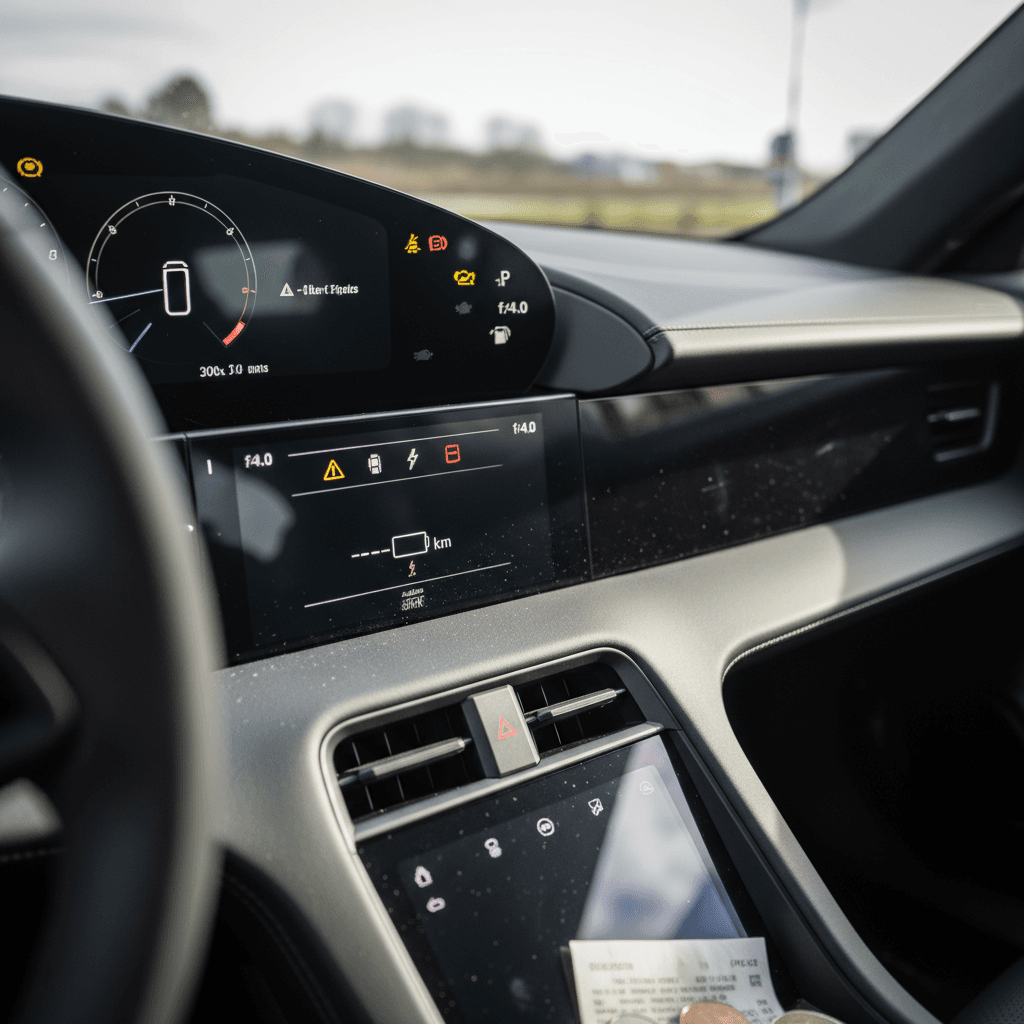
Beyond those headline items, you’ll see scattered reports of electronic door‑handle issues, HVAC failures, flaky driver‑assistance sensors, and squeaks or rattles that are hard to chase in such a tightly packaged car. None of these are unique to the 2021 Taycan, but the sheer number of control modules means one tiny fault can trigger a Christmas tree of warning lights.
Battery health & charging reliability
Underneath the drama, the good news is that the Taycan’s high‑voltage battery chemistry has generally held up well when it’s not defective. Porsche engineered the car to protect its pack, with a large buffer and aggressive thermal management. Most 2021 cars that haven’t been abused show modest degradation and stable DC fast‑charging performance.
What usually goes right
- The bulk of 2021 packs show healthy capacity after several years of use when charged sensibly.
- Thermal management keeps the battery in its comfort zone, even during repeated fast‑charge sessions.
- Porsche has proactively replaced defective packs under warranty in documented cases.
Where issues crop up
- Charging failures at certain DC fast‑charging networks due to software handshake problems.
- Range estimates that swing up or down dramatically after updates or temperature changes.
- Isolated reports of battery‑pack defects or even thermal events, typically handled via recall or replacement.
Use data, not guesswork
What tends to fail – and what it costs
All EVs concentrate their risk in a few expensive systems. For the 2021 Taycan, the real financial danger isn’t replacing wiper blades; it’s what happens if a big‑ticket component taps out just after the warranty expires.
High‑impact failure areas on the 2021 Taycan
Approximate risk zones and why they matter when you’re shopping used.
| System / Component | Typical Symptoms | Why It Matters |
|---|---|---|
| High‑voltage battery (module or pack) | Sudden range loss, repeated battery warnings, car won’t ready up | Covered under Porsche’s 8‑year / 100k‑mi battery warranty, but diagnosis and downtime can be significant. |
| On‑board charger or DC fast‑charge hardware | Car won’t accept a charge, repeatedly stops sessions, or charges only very slowly | Hardware replacement is expensive; can also strand you if it fails on a road trip. |
| Power electronics / inverters | Loss of power, drivetrain error messages, limp mode, or complete shutdown | These are sophisticated, high‑current components; out‑of‑pocket replacement can run into five figures. |
| Two‑speed rear gearbox | Noises, harsh shifts, or failure to select drive; in worst cases, total failure | Failures seem rare but ugly when they happen, this is not a cheap gearbox to rebuild. |
| Infotainment head unit / control modules | Frozen screens, repeated reboots, multiple random warnings | Often fixed with software, but hardware replacement under warranty can run into the thousands if you’re paying yourself. |
Exact repair costs vary wildly by dealer, region, and warranty coverage. These ranges are directional and based on reported owner experiences and typical luxury‑EV pricing.
Plan for luxury‑EV repair economics
How the 2021 Taycan compares to other luxury EVs
In reliability terms, think of the 2021 Taycan as sitting between an early Tesla Model S and a mainstream Hyundai or Kia EV. It’s more robustly engineered than many first‑wave Teslas, but nowhere near as simple or hands‑off as an Ioniq 5 or EV6. The car was engineered by people obsessed with precision; the trouble is that there are a lot of precise things to go wrong.
2021 Taycan vs other used luxury EVs
Reliability is only one axis, but it’s an important one if you’re buying used.
Vs. Tesla Model S (2019–2021)
- Tesla has simpler hardware but a long history of fit, finish, and drivetrain issues in some years.
- Supercharger network is a huge advantage for Tesla; Porsche counters with better build quality.
- Out‑of‑warranty repairs can be painful on both, but Tesla parts availability is often better.
Vs. Audi e‑tron GT
- Shares architecture with Taycan but is generally seen as slightly less problematic overall.
- Similar recall and software‑update story, but fewer high‑profile complaints so far.
- If you want Taycan dynamics with a somewhat calmer reliability reputation, the e‑tron GT is worth a look.
Vs. Hyundai/Kia e‑GMP EVs
- Ioniq 5 / EV6 feel less special but tend to be easier and cheaper to keep running.
- More conservative performance, but fewer complex subsystems and lower parts prices.
- If reliability and cost of ownership trump badge and handling, they’re the rational choice.
Pre‑purchase checklist for a used 2021 Taycan
2021 Taycan reliability checklist
1. Pull a full recall & campaign history by VIN
Ask the seller or a Porsche dealer to run the VIN and confirm <strong>all 2021 Taycan recalls and service campaigns</strong> are completed. Pay special attention to high‑voltage, charging, and power‑electronics updates.
2. Get a battery‑health and charging report
Don’t rely on the dash range estimate. Ask for <strong>documented battery diagnostics</strong>, ideally from a specialist like Recharged’s Recharged Score, to see state of health, DC fast‑charge performance, and any history of pack repairs.
3. Inspect service records for repeat faults
Go through maintenance history looking for <strong>repeat visits for the same issue</strong>: charging faults, random shutdowns, screen failures, or drivetrain warnings. These are the cars most likely to keep eating weekends at the dealer.
4. Test both AC and DC charging yourself
If possible, plug the car into a Level 2 home‑style charger and a public DC fast charger. Watch for strange errors, aborted sessions, or charge speeds that are way below what a healthy 2021 Taycan should deliver.
5. Drive it like you’ll actually use it
On your test drive, cycle drive modes, use heavy regen, work the brakes, and push the car on a highway on‑ramp. Note any <strong>hesitation, clunks, or warnings</strong> when you ask the car to deliver.
6. Confirm remaining warranty & CPO coverage
A 2021 Taycan will still be under its original battery warranty, but bumper‑to‑bumper coverage may be close to expiring. A strong CPO or third‑party warranty can turn a risky car into a manageable one.
How Recharged can help
Ready to find your next EV?
Browse VehiclesSo…should you buy a 2021 Taycan used?
The 2021 Porsche Taycan is not a set‑it‑and‑forget‑it appliance. It’s a deeply sophisticated, deeply fast electric Porsche that has lived an eventful early life of recalls, software updates, and a few very public horror stories. At the same time, plenty of owners have put tens of thousands of miles on their 2021 cars with nothing more than routine service and recall visits.
If your personal reliability benchmark is “change the wiper blades and that’s it,” the 2021 Taycan probably isn’t your car. A more straightforward EV from Hyundai, Kia, or even Tesla will treat your schedule and wallet more gently. But if you’re willing to do your homework, insist on documentation, and budget for luxury‑EV running costs, a well‑kept 2021 Taycan can be a stunningly rewarding used buy.
The real reliability rating here isn’t a single number; it’s a spread. A neglected, update‑starved Taycan is a car‑shaped migraine. A sorted, well‑documented Taycan, especially one that’s been through a meticulous inspection and battery‑health check, is a four‑door electric sports car that still feels years ahead of most traffic. Your job as a shopper is to make sure you’re getting the latter.