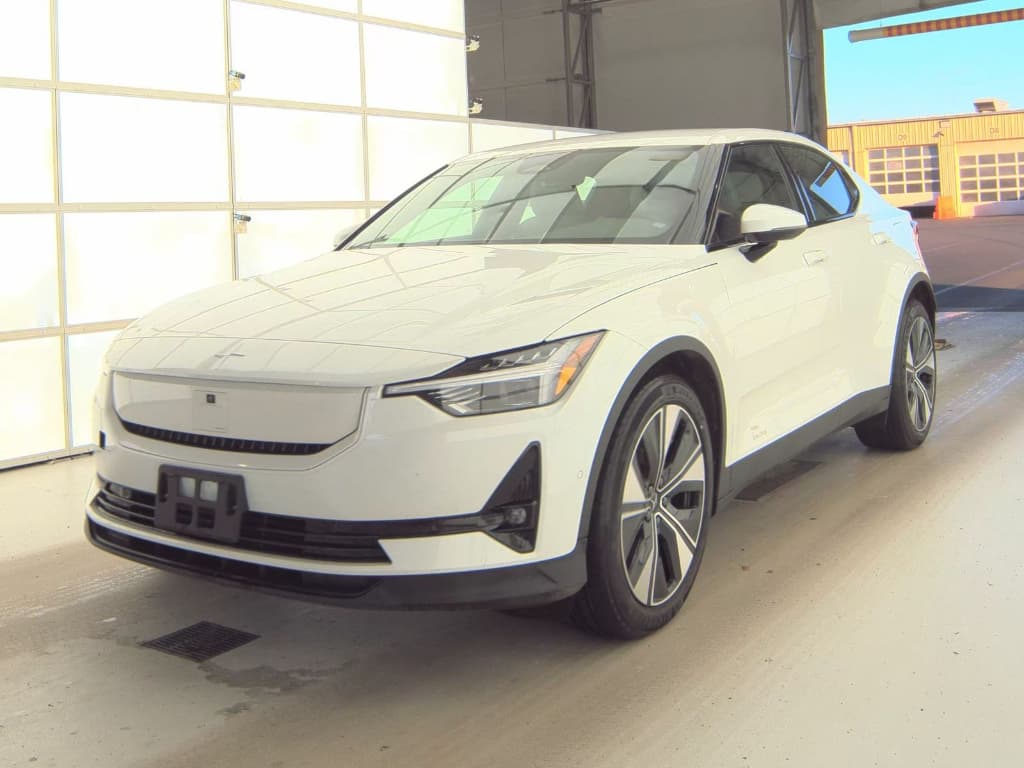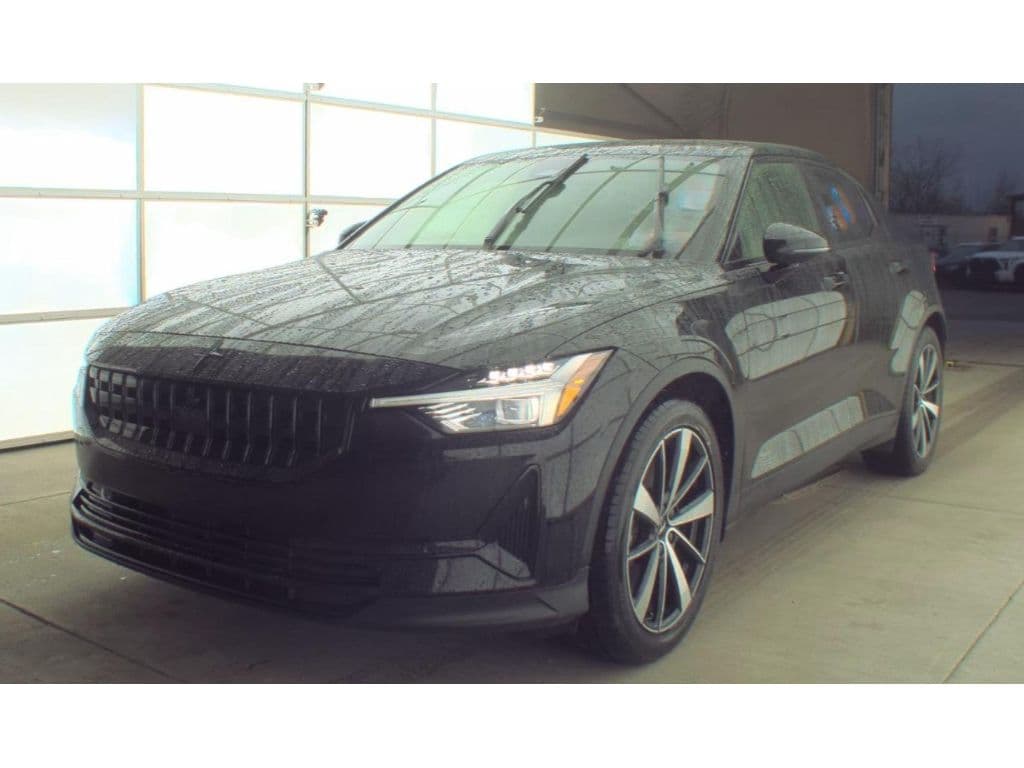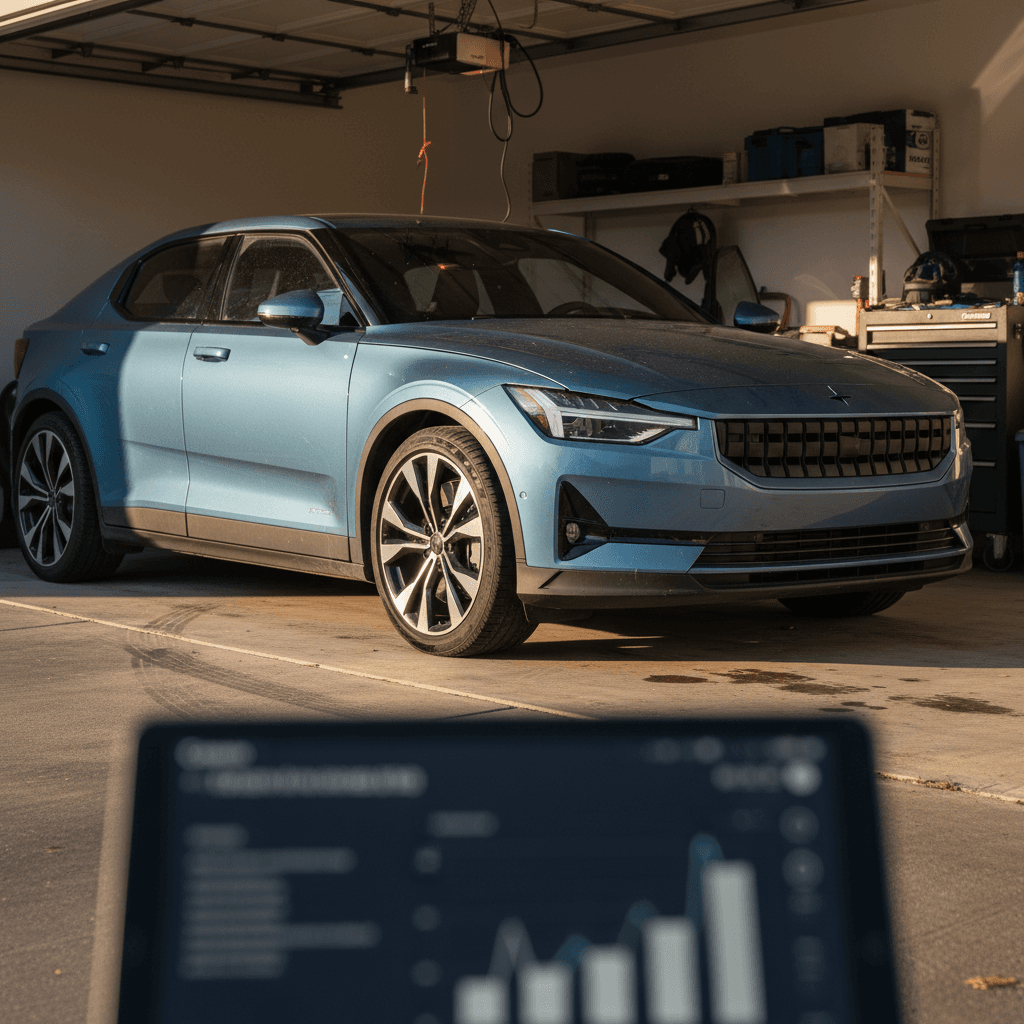
If you’re considering a used 2021 Polestar 2, reliability is probably near the top of your list. Early Polestar 2s helped launch the brand in the U.S., but they also combined new EV hardware, Google-based infotainment, and a relatively small service network, three ingredients that can make reliability more complicated than a typical used compact sedan.
Quick take
2021 Polestar 2 reliability overview
2021 Polestar 2 reliability snapshot
Taken together, the data paints a clear picture: the 2021 Polestar 2 is not among the most reliable EVs, largely due to software, electronics, and some mechanical niggles. But it’s also not an automatic write‑off. Plenty of owners report trouble‑free high‑mileage cars; the spread depends heavily on build variation, how early the car was produced, and how up‑to‑date the software and recall work are.
How reliable is the 2021 Polestar 2?
On paper, the 2021 Polestar 2 scores below average for predicted reliability. Consumer Reports assigns the model line a 2/5 reliability score, and J.D. Power pegs overall quality and reliability at about 65/100, again, weaker than many rivals. At the same time, owner‑submitted ratings on sites like Kelley Blue Book sit around 3.7 out of 5, with about 60% of reviewers recommending the car. That spread tells you what you really need to know: experiences are polarized. Some owners are thrilled; others are swearing off the brand.
Owner experience: a split personality
Why some 2021 Polestar 2 owners love theirs, and others are done with the brand
The happy camp
Plenty of 2021 owners report 60–80k miles or more with no major issues beyond routine service and minor rattles. They praise:
- Strong performance and all‑weather traction
- Solid build quality and interior materials
- Minimal range loss over time
The frustrated camp
Others describe their 2021 Polestar 2 as a "lemon", citing:
- Repeated infotainment crashes or rear camera failures
- Suspension clunks and driveline noises
- Long repair times and poor communication from service
Reality in the middle
Most shoppers should expect average to slightly below‑average reliability. It’s neither a disaster nor a bulletproof appliance. Your risk rises if:
- Software recalls and updates were neglected
- The car shows early signs of suspension or HVAC noise
- You’re buying it out of factory warranty with no coverage plan
Key takeaway for shoppers
Common 2021 Polestar 2 issues
Looking through owner forums, legal complaint sites, and recall documents, a few problem areas show up again and again on early Polestar 2s, especially 2021s built in the first year of production.
Most commonly reported 2021 Polestar 2 problems
Not every car will see these problems, but these are the patterns that show up most often in 2021 owner reports.
| System | Typical symptoms | How serious? | What to ask for |
|---|---|---|---|
| Infotainment & Google built‑in | Frozen screen, loss of audio and turn‑signal click, frequent reboots | Annoying, can affect camera and cluster behavior | Proof of latest software, any head‑unit or TCAM replacements |
| Rearview camera | “Camera is temporarily unavailable”, black screen when reversing | Safety concern; subject of a major recall | Recall completion paperwork and a thorough camera test in reverse |
| Connectivity / TCAM module | LTE & GPS dropouts, app can’t connect, OTA updates fail | Inconvenient; can block remote features and updates | Any TCAM repairs, shark‑fin antenna leak fixes, or module replacements |
| Suspension & front end | Clunks, creaks at low speed or when turning, harsh ride | Varies: from harmless noises to bushing/strut issues | Service records for suspension work; listen carefully on a test drive |
| Driveline / rear axles | “Wheel of fortune” noise, clunks from rear when taking off | Can lead to axle replacement under warranty | Ask if rear axles or related parts were replaced; check for noises |
| HVAC & AC compressor | Clicking behind dash, weak airflow, uneven heating or cooling | Can become expensive out of warranty | HVAC repairs done, listen for clicking and verify strong heat/AC |
| Charging compatibility | Car refuses to start or maintain a DC fast‑charge session | Trip‑disrupting but usually fixable via software or connector service | Any notes on DC charging issues or charging‑port hardware work |
Use this list as a guide for your test drive and pre‑purchase inspection.
How Recharged helps
Battery health and range on a 2021 Polestar 2
The good news is that, so far, the high‑voltage battery in the 2021 Polestar 2 has generally held up well. There are isolated stories of pack replacements after major failures, but they’re rare compared to the volume of cars built. Most long‑term owners report modest range loss, in line with other early‑2020s EVs.
- Most 2021 dual‑motor cars started around 233–249 miles of EPA range depending on configuration; real‑world range is lower, especially at highway speeds or in winter.
- Owner anecdotes with 60,000–80,000 miles commonly report no dramatic range drop, assuming the car sees regular use and isn’t fast‑charged exclusively.
- The car’s battery management system is conservative; it hides some buffer at the top and bottom of the state‑of‑charge gauge to protect pack health.
Battery vs. software problems
What to check on a test drive
- Compare the displayed projected range at 80–100% state of charge to the original EPA figure; big gaps may signal past abuse or extreme climates.
- Drive at a steady 65–70 mph and note how quickly the range estimate falls. A healthy pack should feel predictable, not like it’s “falling off a cliff.”
- Watch for high‑voltage warning lights or reduced‑power messages under hard acceleration or steep climbs.
How Recharged evaluates battery health
Our Recharged Score battery diagnostic doesn’t just read the dash. It uses scan‑tool data and controlled testing to estimate remaining usable capacity and spot pack imbalances that a quick drive might miss.
That matters on a 2021 Polestar 2, where a replacement pack can easily run into the five‑figure range if a failure occurs out of warranty.
Software, infotainment and connectivity problems
If there’s one thing that drags down 2021 Polestar 2 reliability perception, it’s software. Early cars shipped with underpowered infotainment hardware and an immature Google built‑in stack, and many of those rough edges still show up in owner reports today.
- Infotainment freezes or crashes, sometimes taking audio, navigation, and even the turn‑signal click with it until you reboot the system.
- Rear camera failures, a black screen or a “Camera is temporarily unavailable” message when you shift into reverse, have become common enough that Polestar issued a large recall covering 2021–2025 cars, fixed via a software update to the camera and infotainment interface.
- The TCAM module (which handles LTE, GPS, and app connectivity) can go offline, preventing remote pre‑conditioning and blocking over‑the‑air updates until the module is reset or replaced.
- Owners frequently complain that the phone app is slow or unreliable, taking a long time to fetch vehicle data or failing to send climate commands.
Why this matters on a used car
Infotainment & connectivity test drive checklist
1. Stress‑test the head unit
With the car in park, load navigation, stream music, adjust climate, and use voice commands all at once. Watch for freezing, lag, or reboots.
2. Verify the rear camera repeatedly
Shift between reverse and drive several times in different places (flat lot, driveway). The image should appear instantly every time, without error messages.
3. Check app connectivity
Before you arrive, try pre‑conditioning the car from the app. After your drive, check whether data (range, lock status) updates quickly and consistently.
4. Confirm software campaign history
Ask the seller for documentation of completed <strong>software updates and recalls</strong>. A Polestar Space or Volvo dealer can also run the VIN to confirm.
Suspension noises, driveline and HVAC complaints
Beyond software, the other recurring complaints on 2021 Polestar 2s involve front suspension feel, rear axle noises, and the HVAC system. None of these are universal, but they do show up often enough that you should be listening for them.
- Some owners describe the front suspension as clunky or harsh, with creaks when turning at low speeds or going over sharp bumps. In some cases this has led to bushing or strut replacements under warranty.
- Dual‑motor cars are more likely to report a “wheel of fortune” or clunking sound from the rear when taking off or at low speed, sometimes resulting in rear‑axle replacements.
- A subset of 2021 owners report HVAC quirks: clicking sounds behind the dash, weak airflow, or inconsistent heating/cooling from side to side. These can point to blend‑door actuators, AC compressors, or control modules that get expensive outside warranty.
What’s acceptable on a test drive?
- Light, occasional trim rattles on rough pavement are normal for a compact liftback.
- A firm, European ride is to be expected, but sharp clunks, groans, or steering noises are red flags.
- HVAC should be quiet in normal use; brief clicks at startup can be okay, but ongoing ticking or poor airflow is not.
When to walk away or renegotiate
If you hear clearly repeatable suspension or driveline noises, and there’s no paperwork showing recent repairs, assume you may inherit a four‑figure repair once the car is out of warranty.
On a private‑party sale, that’s a reason to walk away. From a professional seller, it’s leverage for a lower price or a written commitment to fix the issue.
Recalls for the 2021 Polestar 2
As the first full production year, the 2021 Polestar 2 has seen a handful of significant recalls, most of them software‑related. That’s typical for a new EV platform, but only if the prior owner actually had the work done.
Major recall themes affecting 2021 Polestar 2
Exact campaigns vary by market and production date, but these are the big buckets you should know about.
| Recall type | Symptoms | Fix | Why it matters |
|---|---|---|---|
| Rearview camera / infotainment sync | Black screen or “camera unavailable” message when reversing | Software update to improve communication between camera module and infotainment head unit, plus better error‑recovery logic | Restores reliable rear vision and reduces the chance of camera loss returning. |
| Power electronics / inverter software (earlier campaigns) | Risk of sudden loss of drive in rare conditions | Over‑the‑air or dealer‑installed software updates to power electronics control | Reduces risk of propulsion loss events, a key safety concern in early production EVs. |
| Battery & high‑voltage control software | Warning lights, reduced power, or charging anomalies | Control‑software updates to better manage pack and inverters | Helps ensure stable behavior under fast‑charging and heavy loads. |
Always run the VIN through NHTSA (for U.S. cars) and ask for dealer printouts before buying.
Make recall status a non‑negotiable
Maintenance and out‑of‑warranty risk
Day‑to‑day maintenance on a 2021 Polestar 2 is straightforward, no oil changes, few wear items, and a maintenance schedule that mainly covers cabin filters, brake fluid, and inspections. The risk isn’t routine service; it’s what happens when something big fails after the 4‑year/50,000‑mile new‑car warranty expires.
“The out‑of‑warranty repair cost on my 2021 Polestar 2 is estimated somewhere between $5,500 and over $20,000… It took nearly five months but we got the car back.”
Stories like that aren’t the norm, but they’re a realistic worst case. High‑voltage components, battery packs, inverters, on‑board chargers, SRS modules, are expensive, and independent EV specialists are still rare for a niche brand like Polestar, especially in the U.S.
Why warranty coverage matters so much on a 2021 Polestar 2
Think beyond the purchase price
Limited service network
Polestar relies on a mix of dedicated Spaces and select Volvo dealers. In many regions, that means long drives for warranty work and limited choice for second opinions.
High parts pricing
Components like a rear drive unit, HV battery, or even some HVAC modules can run into the thousands of dollars before labor.
Value of CPO & extended coverage
A CPO Polestar 2 or a third‑party warranty from a reputable provider can cap your downside. This is one EV where it’s worth running the math on coverage vs. self‑insuring.
How Recharged de‑risks used Polestar 2s
Ready to find your next EV?
Browse VehiclesShould you buy a used 2021 Polestar 2?
For the right buyer, a used 2021 Polestar 2 can be a compelling value: distinctive design, strong dual‑motor performance, and a more traditional cabin than a Tesla, often at a meaningful discount because of reliability perception and tariff‑driven market exits in the U.S. But you need to go in with clear eyes.
A 2021 Polestar 2 can make sense if…
- You value driving dynamics and design over absolute peace‑of‑mind reliability.
- You have access to a nearby Polestar Space or Volvo service center and don’t mind occasional trips there.
- You can afford an extended warranty, or you’re comfortable self‑insuring against a worst‑case repair.
- You find a car with full records, clean inspection results, and completed recalls.
You may want to skip it if…
- You need a “just add electricity” appliance with minimal drama.
- You live far from Polestar/Volvo service and rely on a single car for everything.
- You’re shopping near the end of, or beyond, the 4‑year/50,000‑mile warranty with no plan for coverage.
- On your test drive, you see any signs of intermittent software or camera failure or hear persistent suspension/driveline noises.
Pre‑purchase checklist for a 2021 Polestar 2
11 things to do before buying a 2021 Polestar 2
1. Confirm warranty status
Ask for the in‑service date and mileage. Many 2021 cars are at or just past the 4‑year/50,000‑mile mark; that detail heavily shapes your risk.
2. Run a full VIN history
Look for prior accidents, repeated service visits for the same issue, lemon buybacks, or long service-center stays that hint at hard‑to‑solve problems.
3. Verify recall completion
Have a Polestar or Volvo dealer run the VIN and confirm all open campaigns, especially rear camera, power electronics, and battery control software, are complete.
4. Test infotainment and camera thoroughly
Plan a 20–30 minute drive where you stress‑test navigation, audio, and voice controls and repeatedly engage reverse. Any freezes or camera dropouts are a red flag.
5. Listen for suspension and driveline noises
Drive over speed bumps, rough pavement, and tight parking lots with the windows cracked. Note any predictable clunks, creaks, or rear‑end noises from a stop.
6. Check HVAC behavior
Run heat and AC on both sides at different temperatures. Watch for weak airflow, uneven temps, or persistent clicking behind the dash.
7. Evaluate battery health and range
Start with a high state of charge and monitor projected range versus distance travelled. If possible, have a shop or marketplace like Recharged run a battery health test.
8. Try both AC and DC charging
If the seller allows, plug into a Level 2 station and, ideally, a DC fast charger. Watch for handshake failures, error messages, or frequent charging interruptions.
9. Inspect tires, brakes, and underbody
Performance EVs are hard on tires and suspension. Uneven tire wear, cheap replacement tires, or underbody scrapes can all hint at past abuse.
10. Price in extended coverage
Get quotes on extended warranties or service contracts before you commit. For a 2021 Polestar 2, it’s often smarter to pay slightly more for a car with coverage than chase the lowest price.
11. Consider buying through a specialist
A marketplace focused on used EVs, like <strong>Recharged</strong>, can front‑load much of this homework for you with diagnostics, market‑correct pricing, and EV‑savvy support.
FAQ: 2021 Polestar 2 reliability
Frequently asked questions about 2021 Polestar 2 reliability
The 2021 Polestar 2 isn’t the set‑and‑forget choice that some mainstream hybrids and EVs have become, but it also isn’t the hopeless basket case its harshest critics describe. It’s an early, ambitious EV from a young brand, with all the pros and cons that implies: excellent driving dynamics and design, paired with software growing pains and a thin service network. If you respect those trade‑offs, do a disciplined inspection, and lean on tools like a Recharged Score Report to quantify battery and electronics health, a 2021 Polestar 2 can still be a rewarding used EV, just not one you should buy on faith alone.