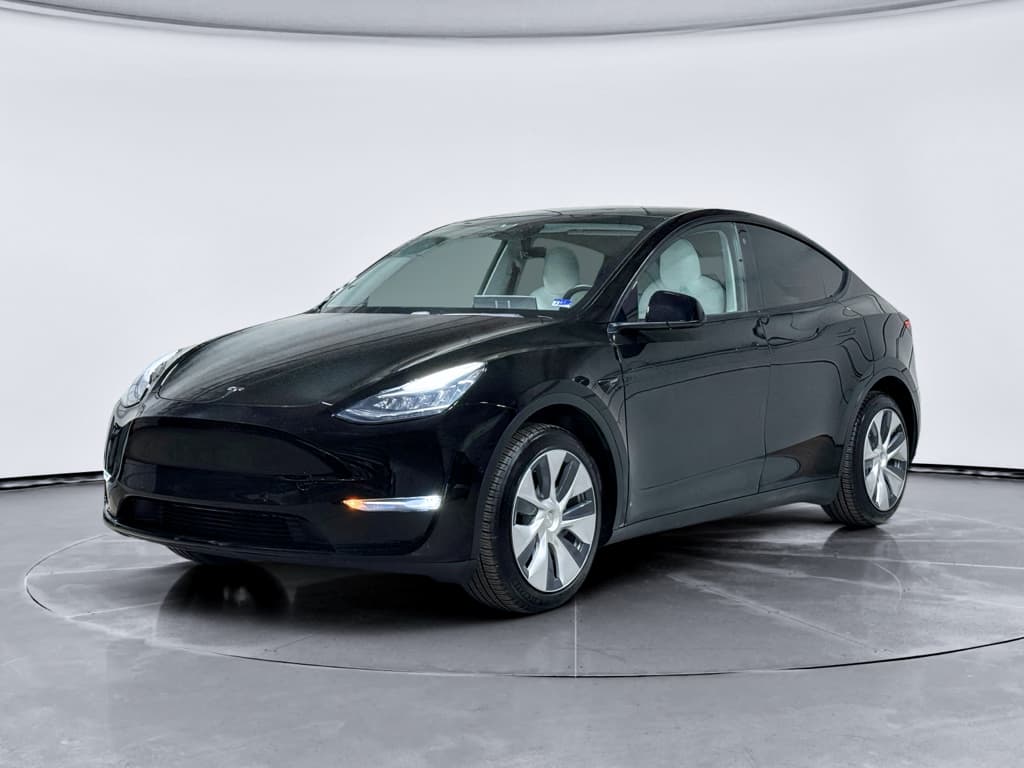
If you’re eyeing a used Tesla crossover, the **2020 Tesla Model Y reliability rating** is probably near the top of your checklist. As the Model Y’s first model year, 2020 combines strong EV fundamentals, range, performance, charging access, with more build‑quality complaints and recalls than you’d see on a typical Toyota or Honda. The key is understanding *where* the problems show up and how to separate a well‑sorted 2020 Y from one that could become a service frequent‑flyer.
First model year reality check
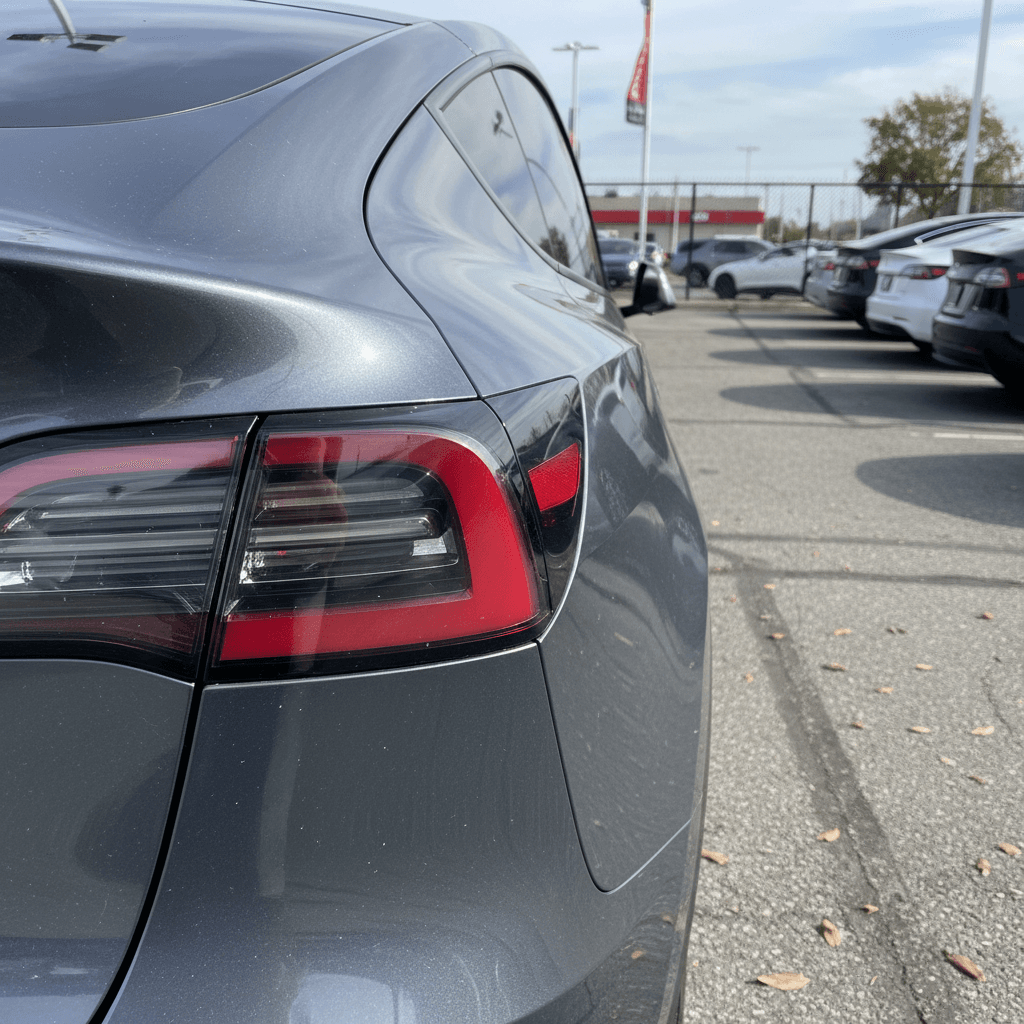
Overview: How reliable is the 2020 Tesla Model Y?
2020 Tesla Model Y reliability at a glance
Taken together, the 2020 Model Y lands in the **“mixed but improving”** camp. Survey‑based rating programs have scored it **worse than average** for reliability largely because of build defects, rattles, trim and paint issues, and recurring software or sensor quirks. At the same time, core EV components, battery pack, motors, and onboard charger, have held up comparatively well. For a used buyer, that means the right 2020 Y can be a solid value, but you can’t treat it like a set‑and‑forget appliance.
Don’t rely on a single score
How major rating groups score the 2020 Model Y
Consumer-style survey ratings
Owner‑survey sources that track problems per vehicle per year typically rate the 2020 Tesla Model Y below average or poor for overall reliability among compact luxury SUVs. The dings come from:
- Body hardware: doors, hatch, seals, latches
- Paint and trim flaws discovered at or soon after delivery
- Wind noise, rattles, loose interior panels
- Electronics glitches, especially with early Autopilot hardware
On the plus side, they also report relatively low rates of engine‑equivalent failures, no engines or transmissions to blow, after all, so the car’s **mechanical risk profile** is different from a conventional SUV.
Quality and defect‑rate studies
Short‑term quality studies that survey owners within the first 90 days of ownership painted a similar picture for 2020 Teslas in general: higher defect counts per 100 vehicles than legacy brands. Many of those issues were cosmetic or minor but still counted as “problems” in the statistics.
The upshot for you: a 2020 Model Y that has already had its early issues addressed, panel alignment, weatherstripping, water leaks, loose trim, can feel far better than the raw defect statistics suggest. You just need proof that the sorting already happened.
How to use reliability scores the right way
Recalls and safety issues affecting 2020 Model Y
Because Tesla leans heavily on **over‑the‑air (OTA) updates**, some 2020 Model Y recalls were fixed with software while others required physical parts. By 2026, a typical 2020 Y has seen several recall campaigns, often tied to hardware like suspension links or seat‑belt components, plus software changes to improve safety‑critical behavior.
Major recall themes for the 2020 Tesla Model Y
Exact campaigns vary by VIN. Always run the specific vehicle through an official recall lookup before you buy.
| Recall theme | Type of fix | Why it matters to you |
|---|---|---|
| Front and rear suspension links/knuckles | Physical inspection and parts replacement | Loose or improperly torqued suspension components can affect handling and tire wear and may pose a safety risk if they fail. |
| Seat-belt and occupant safety systems | Hardware retrofit or rework at service center | Improperly installed or malfunctioning restraints reduce crash protection for front and rear passengers. |
| Body hardware (trunk, hood, latches) | Hardware adjustment or replacement | Faulty latches can trigger warnings, limit driving, or in rare cases allow a hood or hatch to open unexpectedly. |
| Autopilot / safety-related software | OTA software updates | Updates can change following‑distance behavior, collision‑warning logic, or other advanced driver‑assistance functions. |
| Open hood-latch detection (multi-year campaign) | Sensor calibration plus OTA update | Ensures the car correctly detects and warns if a hood is unlatched while driving. |
This table summarizes the most common types of recalls that have affected 2020 Model Ys; availability and status depend on when the remedy was completed.
Never skip the recall lookup
Common 2020 Model Y problems owners report
Beyond formal recalls, owner forums, complaint databases and hands‑on inspections of early Model Ys all tell the same story: **fit‑and‑finish complaints dominate**, followed by suspension noises, seals and water leaks, and a grab‑bag of software‑driven quirks. Here’s where problems tend to cluster on 2020 builds.
Top 2020 Model Y trouble spots
Not every vehicle has these problems, but they’re common enough that you should specifically check for them.
Body & build quality
- Panel gaps at doors, hatch, bumpers
- Misaligned taillights or trim pieces
- Uneven paint, thin clearcoat, overspray
- Water leaks in liftgate or rear quarter area
These issues rarely strand you, but they hurt resale and can be expensive to correct professionally.
Wind noise & rattles
- Whistling around frameless windows at highway speed
- Rattles from hatch area or seatbacks
- Squeaks from interior trim on rough pavement
Some fixes are simple (adjusting seals). Others require re‑seating glass or adding insulation.
Suspension & steering
- Clunks or pops over bumps
- Premature tire wear from alignment issues
- Owners reporting repeated suspension repairs
Because some of these components were recalled, you want documentation that repairs were performed correctly.
Electronics & sensors
- Glitches with early Autopilot/FSD hardware
- Random warning messages that clear on reboot
- Occasional camera or parking sensor faults
Software updates resolve many issues, but repeated sensor replacements can add up.
HVAC & comfort
- AC performance complaints in extreme heat or cold
- Fan or compressor noise at low speeds
- Occasional odor issues from the HVAC system
Most are nuisance issues, but a weak HVAC system impacts comfort and range in harsh climates.
Noise, vibration, harshness
- Resonance at certain speeds
- Vibration from wheels or tires
- Road noise higher than expected in a premium SUV
Aftermarket tires and extra sound deadening can help, but they won’t fix underlying mechanical faults.
The good news on 2020 issues
Battery and drivetrain reliability on the 2020 Model Y
From an EV‑specific standpoint, the 2020 Model Y’s **battery and dual‑motor drivetrain have aged relatively well** compared with its cosmetic and hardware troubles. As of 2026, most high‑mileage 2020 Ys show **gradual range loss rather than sudden failures**, and outright pack replacements remain rare compared with the volume on the road.
- Typical real‑world degradation after 5–6 years is often in the mid‑single‑digit to low‑teens percentage range, depending on climate, fast‑charging habits, and mileage.
- Tesla’s thermal management system and large pack help blunt degradation versus early‑generation EVs with smaller batteries.
- Drive units (motors) and single‑speed transmissions have not emerged as a widespread failure point on the 2020 Y, especially when compared to traditional multi‑gear automatic transmissions in gas SUVs.
- Onboard chargers and DC fast‑charging hardware have seen far fewer failures than body and suspension components.
Why a battery‑health report matters
If you’re evaluating a used 2020 Y, focus on **actual usable range today**, not just the original EPA number on the window sticker. Ask how often the car was DC fast‑charged, how it was stored, and whether it spent time in extreme climates. Those details influence long‑term reliability just as much as the odometer.
Ownership costs: typical repairs and warranty considerations
The 2020 Model Y splits ownership costs into two buckets: low routine maintenance thanks to its EV powertrain, and higher‑than‑average odds of chasing down squeaks, rattles, and component TSBs (technical service bulletins). That mix helps explain why some owners swear by their Y while others swear at it.
Typical out‑of‑pocket repairs on a 2020 Model Y
Ballpark ranges for common fixes once you’re outside basic warranty. Actual costs vary by region and repair provider.
| Issue type | Example repairs | Approximate cost range (USD) |
|---|---|---|
| Suspension clunk or alignment issues | Control arms, links, alignment, related hardware | $400–$1,500 |
| Water leak or hatch misalignment | Resealing, adjusting liftgate, replacing weatherstripping | $250–$1,200 |
| Interior rattles or trim fixes | Rattle hunt, insulation, re‑seating panels | $150–$800 |
| HVAC odor or weak performance | Cabin filter, evaporator cleaning, possible HVAC work | $200–$1,200 |
| Electronics / sensor quirks | Camera or sensor replacement, harness checks | $300–$1,000 |
| Cosmetic paint correction | Paint correction, spot repaint, PDR for minor dents | $300–$2,000+ |
These are typical retail repair ranges in 2026; Tesla service pricing and independent‑shop rates can change over time.
Warranty basics for a 2020 Model Y
If you’re shopping today, assume you’ll be paying out of pocket for **body, suspension, and interior fixes**, while the **battery and motors may still be under Tesla’s umbrella**. That’s another reason to prioritize a clean inspection and battery‑health data up front, so you’re not gambling on expensive surprises later.
2020 vs later Model Y years: which is more reliable?
Where the 2020 Model Y is at a disadvantage
- Early build quality: The first production months in 2020 showed some of the worst panel gaps and paint issues Tesla has ever been called out for.
- More TSB history: As Tesla learned in the field, early cars picked up a longer list of service bulletins and small retrofits.
- Older hardware: Later Model Ys benefit from refined sensors, camera packages, and sometimes improved interior materials.
If you hope to own the car for 8–10 more years, a newer build generally gives you a better starting point.
Where a 2020 can still make sense
- Price: All else equal, a 2020 Y should be cheaper than a 2022–2024 model with similar equipment.
- Known history: A single‑owner 2020 with complete service and recall records can be less risky than a newer car with a spotty paper trail.
- Pre‑Vision era: Some shoppers specifically seek earlier builds with legacy sensor suites depending on their feelings about Tesla’s newer "vision‑only" approach.
If your budget is tight and you value range and performance over pristine cosmetics, the right 2020 can be a smart compromise.
Don’t assume newer is always better
How to shop a used 2020 Model Y smartly
2020 Model Y pre‑purchase checklist
1. Check recall and service history
Pull a full recall report by VIN and ask for Tesla service invoices. You want documentation that any suspension, seat‑belt, or latch repairs were completed, not just promised.
2. Inspect panel gaps, paint and glass
Walk the car in good daylight. Look for uneven gaps around doors and hatch, misaligned lights, mismatched paint, or overspray on rubber and trim.
3. Test for leaks and musty odors
Check the trunk well, underfloor storage, and rear seat area for water staining, damp carpet, or mildew smell, especially if you see roof or hatch repairs on record.
4. Drive on mixed roads
On a test drive, listen for suspension clunks, steering vibration, and wind noise from the windows. Try highway speeds and rough surfaces if you can do so safely.
5. Confirm battery health and real‑world range
Ask for recent photos of the car’s full‑charge estimate and typical daily charge level. A professional battery‑health test gives you a clearer picture than the dash alone.
6. Verify software status and features
From the center screen, confirm software is current and which driver‑assistance features (Autopilot, EAP, FSD) are actually active on the VIN today, they don’t always transfer between owners.
How Recharged helps de‑risk a 2020 Model Y
Is the 2020 Tesla Model Y reliable enough to buy?
The **2020 Tesla Model Y reliability rating** isn’t going to impress shoppers coming from bulletproof Toyotas or Hondas, especially when you zoom in on panel gaps, trim issues and recall count. But that doesn’t mean it’s a bad bet. Underneath the first‑year rough edges is a proven battery‑and‑motor package, strong charging access, and a driving experience many owners still love years later.
If you care most about **long‑term perfection and minimum hassle**, you may be happier stretching to a newer, better‑sorted Model Y, or a non‑Tesla EV with stronger reliability scores. If, instead, you’re comfortable trading some cosmetic imperfections and the occasional service visit for a lower entry price and excellent EV fundamentals, a carefully vetted 2020 Model Y can be a very compelling used buy.
Either way, your decision should be based on the **specific vehicle**, not the model year stereotype. Solid documentation, a clean inspection, and clear battery‑health data turn a generic reliability rating into a concrete yes‑or‑no answer for the car in front of you, and that’s exactly the lens Recharged is built to provide.