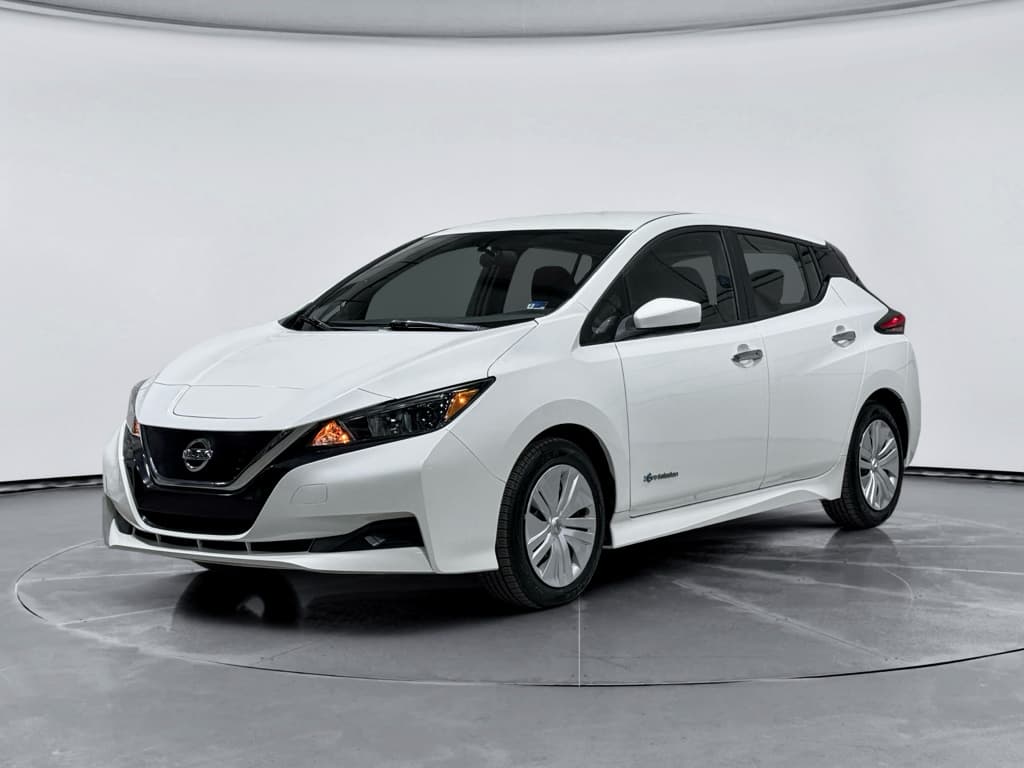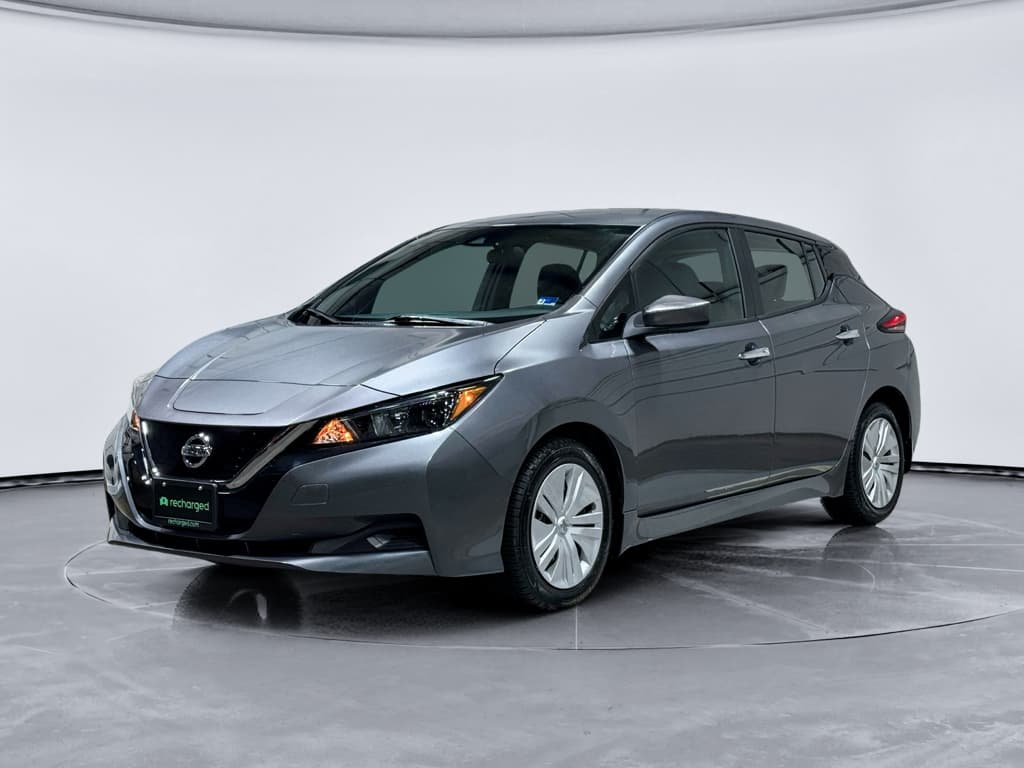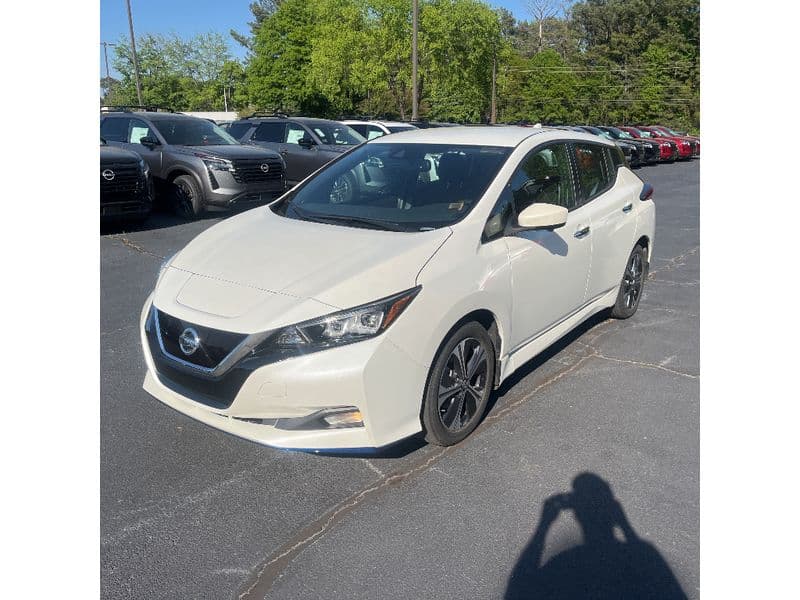
You don’t buy a 2020 Nissan Leaf for bragging rights at the Supercharger. You buy it because you want an affordable, honest EV that does what it says on the tin. The trick is figuring out what it actually says, because the brochure EPA numbers and a real‑world 2020 Nissan Leaf range test can be very different stories, especially now that these cars are 5–6 years old.
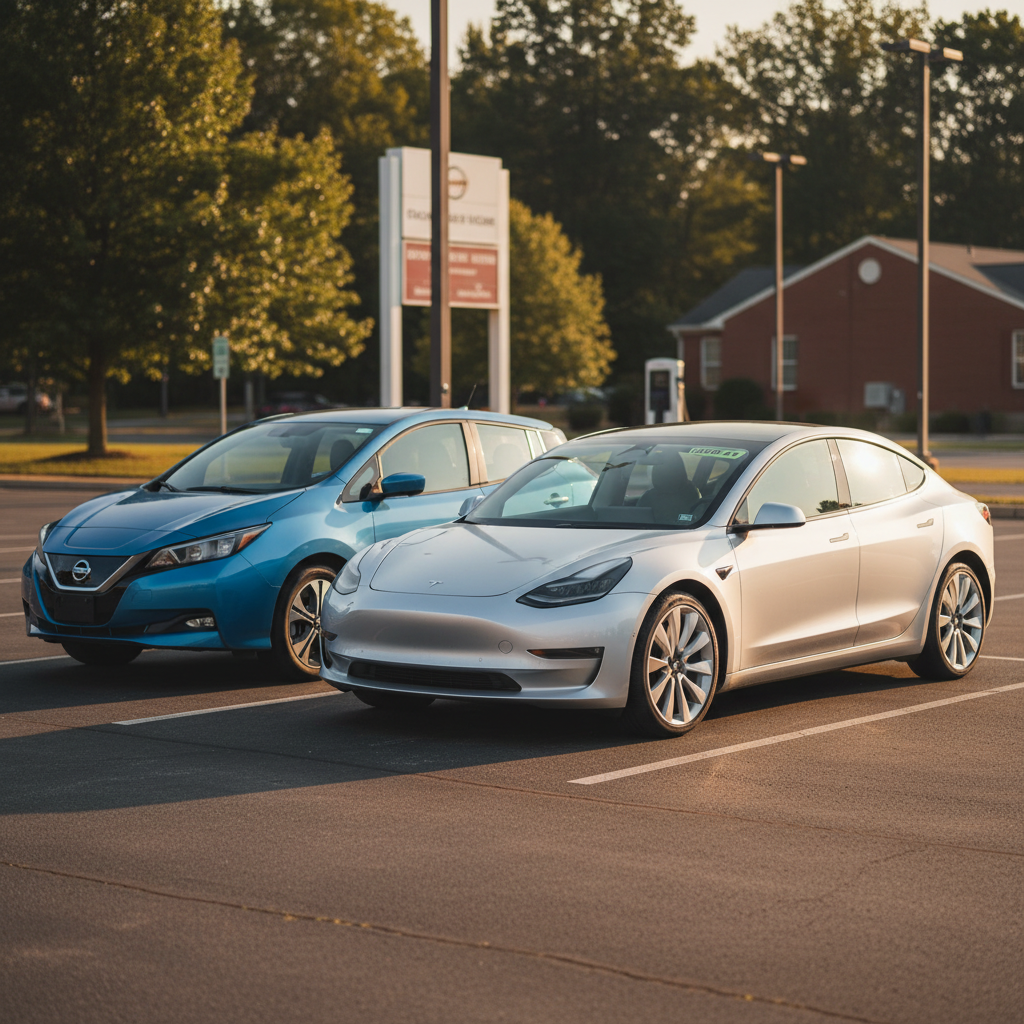
Two different Leafs, two different realities
Why 2020 Leaf range tests still matter in 2026
If you’re looking at a used Leaf today, the 2020 model year is prime territory: new enough to have modern safety tech and the second‑gen body, old enough that depreciation has done its merciful work. But range is the whole ballgame. A 2020 Leaf that did 215 miles when new might be a 180‑mile car now, or less, depending on climate and care. Understanding independent range tests helps you separate a great commuter from a future regret.
2020 Nissan Leaf range at a glance
Remember: your Leaf is not new anymore
2020 Nissan Leaf batteries, trims & EPA range
Before you interpret any 2020 Nissan Leaf range test, you need to know which battery you’re dealing with. Nissan sold two very different Leafs under the same badge:
2020 Nissan Leaf trims, batteries & EPA range
How the 40 kWh and 62 kWh packs translate to official range ratings.
| Trim | Battery | EPA range (combined) | EPA highway range | Power output |
|---|---|---|---|---|
| S / SV (standard) | 40 kWh (~39 kWh usable) | 149–150 mi | Around 121–124 mi | 147 hp |
| S Plus | 62 kWh (~56 kWh usable) | 226 mi | Around 192–200 mi | 214 hp |
| SV Plus / SL Plus | 62 kWh (~56 kWh usable) | 215 mi | 192 mi (EPA data) | 214 hp |
EPA ranges are for new vehicles in ideal conditions. Real‑world and used‑car numbers will be lower.
On paper, the Leaf Plus cars with the 62 kWh pack look like legitimate road‑trip tools. In practice, they’re closer to stout commuter appliances with extra safety margin, especially at 70–75 mph and after a few years of battery aging.
Real‑world 70 mph highway range test results
Highway driving is where EV optimism goes to die. Aerodynamic drag climbs, efficiency falls, and your rated range shrinks like a cotton T‑shirt in a hot wash. Independent testers have been brutal but fair to the 2020 Leaf SL Plus at a constant 70 mph.
Two independent 70 mph tests of the 2020 Leaf SL Plus
Same car, same battery, different drivers, similar results.
Test 1: 74°F, solo driver
In one well‑documented 70 mph highway test of a 2020 Leaf SL Plus (62 kWh), the driver ran the car from 100% down to 1% state of charge.
- Ambient temp: mid‑70s °F
- AC on, ECO mode, e‑Pedal active
- Tires at Nissan’s recommended 36 psi
- Result: ~185 miles to 1% vs 215‑mile EPA
That’s about 86% of the rated range at a steady 70 mph.
Test 2: 85°F, two people on board
A second test, same trim, repeated the procedure on a warm ~85°F day with a passenger on board.
- Speed: steady 70 mph
- AC working harder in hotter temps
- ECO + e‑Pedal again
- Result: very similar highway range to the first test
Different drivers, nearly identical outcome, real‑world highway range in the 180‑mile neighborhood.
Quick rule of thumb for highway range
What about the 40 kWh Leaf at 70 mph? There’s less formal highway test data, but using the same 80–85% rule, a healthy 40 kWh car that’s rated around 150 miles combined is realistically a 115–125 mile car at 70 mph when new, less once degradation enters the chat.
City and mixed driving: what most owners actually see
The Leaf’s comfort zone is urban and suburban life, stoplights, surface streets, and the occasional burst of freeway. The single‑speed drivetrain, strong regen and modest powertrain all favor efficiency at normal speeds.
40 kWh 2020 Leaf (S/SV)
- EPA: ~150 mi combined
- Typical mixed driving when new: 120–140 mi per charge
- Used at 90% health: 105–125 mi realistic mixed range
- Excellent choice if your round‑trip commute is under 60–70 miles and you can charge daily.
62 kWh 2020 Leaf Plus (S/SV/SL Plus)
- EPA: 215–226 mi combined
- Typical mixed driving when new: 180–210 mi per charge
- Used at 90% health: 160–190 mi realistic mixed range
- Comfortable zone for 70–90 mile daily round trips with margin for errands or bad weather.
Where the Leaf quietly shines
Cold‑weather range tests: how hard winter hits a Leaf
The Leaf’s pack is air‑cooled, not liquid‑conditioned. That’s cheaper and lighter, but it makes the car more sensitive to temperature swings, especially cold. Owner reports and winter tests paint a consistent picture: expect a meaningful haircut once the thermometer drops near freezing.
- In the 30–40°F range, many owners see 15–20% less range than in mild weather.
- Around or below 32°F, especially at highway speeds, 20–30% losses are common.
- Short trips hurt more because the cabin heater has to work hard on each restart.
- Cold‑soaked batteries are less efficient, so you may pull similar kWh from the wall but see fewer miles on the dash.
How to protect winter range in a 2020 Leaf
If your healthy 62 kWh Leaf Plus is a 180‑mile highway car in spring, plan on something closer to 130–150 miles on a freezing Interstate run. A 40 kWh Leaf that comfortably did 120 highway miles in October might feel like a 90‑mile car in January. For commuters who can plug in nightly, this is an annoyance; for would‑be road‑trippers, it’s a hard limit.
Battery degradation on a 2020 Leaf: what 5–6 years does
The 2020 Leaf’s chemistry is notably better than the first‑gen cars that became poster children for early EV degradation, but time, heat and fast charging still take a toll. By 2026, most 2020 Leafs are living somewhere in the 85–95% state‑of‑health band, with outliers above and below depending on climate and care.
4 forces that shape a 2020 Leaf’s remaining range
Two you control, two you don’t.
Climate
Fast charging
Age & mileage
Storage & habits
How Recharged checks Leaf battery health
A 10% loss in usable capacity doesn’t mean the car is dead; it just moves all your range numbers down by roughly the same proportion. That 180‑mile highway Leaf Plus becomes a 160‑mile car. A 120‑mile 40 kWh commuter becomes a 105‑mile car. The critical question is whether those new numbers still fit your life.
How far a 2020 Leaf can really take you day to day
Range anxiety isn’t about the biggest number you’ve ever seen on the dash; it’s about the worst day you can imagine. To know if a 2020 Leaf fits you, work backwards from your longest regular day, not your average one.
Plan your daily range the smart way
1. Map your true round‑trip distance
Look at your longest realistic weekday: commute + errands + kid pickup + the inevitable detour. Put an actual number on it, say 68 miles, not “about 60–70.”
2. Add a 30% safety buffer
Multiply your number by 1.3. That 68‑mile day becomes 88 miles. This covers detours, headwinds and bad weather.
3. Adjust for winter if you’re in a cold climate
If you see freezing temps regularly, assume another 20–30% hit in the worst case. That 88‑mile target might need to be under 70 winter miles in reality.
4. Choose battery size accordingly
If your max day with buffers fits well inside a 40 kWh Leaf’s real‑world range, enjoy the lower price. If not, a 62 kWh Leaf Plus, or a different EV, may be the sane choice.
5. Be honest about home charging
Nightly Level 2 at home turns a 100‑mile Leaf into an effortless commuter. Relying on public CHAdeMO changes the equation and your tolerance for lower range.
When a 40 kWh Leaf is a slam‑dunk
Road trips, CHAdeMO fast charging and reality checks
Now for the uncomfortable part. The 2020 Leaf’s fast‑charging life is built around the CHAdeMO standard, which is slowly shuffling toward retirement in North America. That doesn’t make long trips impossible, but it does make them something you plan for, not assume.
- Most 40 kWh Leafs max out around 50 kW on DC fast charge; the 62 kWh Leaf Plus can briefly touch 100 kW on a warm, happy battery, then taper down.
- Real‑world 20–80% sessions typically run 35–50 minutes depending on pack size, temperature and charger quality.
- CHAdeMO stations are no longer being added in many areas and some are being removed; coverage varies wildly by region.
- Multiple fast‑charge sessions in a day can heat‑soak the pack, slowing charging speeds, this is the infamous Leaf "rapidgate" phenomenon from earlier years, much improved but not entirely gone.
A word about recalls and fast charging
If you dream of spontaneous cross‑country cannonballs, the 2020 Leaf is not your car. If you picture the occasional 150‑mile trip with one carefully planned fast‑charge stop at a known‑good CHAdeMO station, the 62 kWh Leaf Plus can do that job. The 40 kWh version is best treated as a city‑state hatchback: happy in its zip code, not in three others at once.
Used 2020 Leaf shopping checklist: range edition
Shopping a used Leaf without checking the battery is like buying a gas car without opening the fuel door. Here’s how to sanity‑check range before you fall in love with the monthly payment.
2020 Leaf range checklist for used buyers
1. Confirm battery size and trim
Is it a 40 kWh or 62 kWh Leaf Plus? A quick VIN decode or trim check (S vs S Plus, SV Plus, SL Plus) will tell you. Your entire range picture hinges on this.
2. Check battery health, not just bars
The 12 bars on the dash are crude. At Recharged, we run a <strong>Recharged Score battery diagnostic</strong> to estimate true usable kWh remaining, so you know what you’re getting.
3. Ask about charging history
Daily DC fast charging, especially in hot climates, is a red flag. Occasional road‑trip use is fine; lots of quick‑charge miles plus desert heat deserves a close look at degradation.
4. Look for climate clues
Cars from mild coastal climates generally age better than cars that baked inland or lived where roads are salted half the year. Service records and registration history tell a story.
5. Test a real commute simulation
On a test drive, do a realistic loop of highway and city if the seller allows. Note the percentage used over a known distance, then extrapolate. Don’t just trust the guess‑o‑meter.
6. Verify recall and software status
Ask for documentation on any battery or charging‑related recalls and software updates, especially those tied to fast‑charging safety and battery management.
7. Run the TCO math
A cheaper Leaf with a tired battery can cost you more in the long run if you end up replacing the car early. Sometimes paying a bit more for a higher‑health pack is the true bargain.
Let Recharged do the range worrying
2020 Nissan Leaf range test FAQ
Common questions about 2020 Leaf range tests
So, should you buy a 2020 Leaf for the range?
If you judge the 2020 Nissan Leaf by its road‑trip prowess, you’ll miss what it actually is: a compact, thoughtfully engineered electric hatchback that excels at the boring, beautiful business of daily life. In real‑world 2020 Nissan Leaf range tests, a healthy 40 kWh car is a 100‑ish‑mile tool; a healthy Leaf Plus is a 160–190‑mile tool. For the right driver, those are not compromises, they’re superpowers wrapped in an inexpensive used car.
The magic is pairing the right Leaf with the right lifestyle and the right battery health. That’s where a transparent diagnostic like the Recharged Score, plus EV‑savvy guidance on financing, trade‑ins and delivery, turns a nervous maybe into a confident yes. Get the range math right up front, and a 2020 Leaf can quietly be the best automotive decision you make this decade.