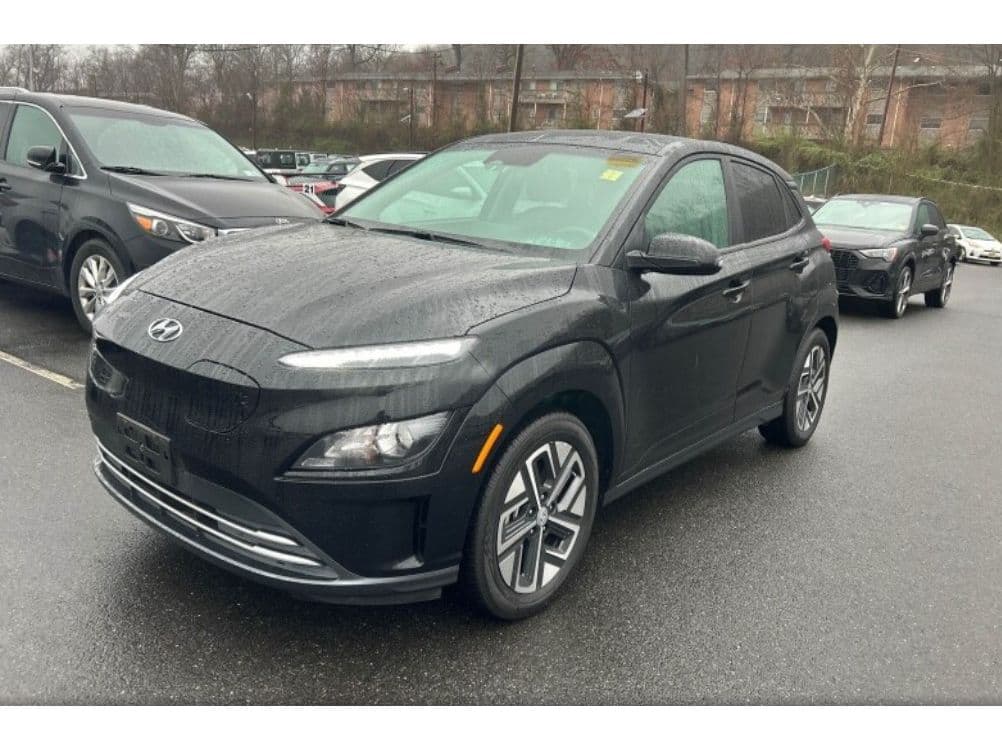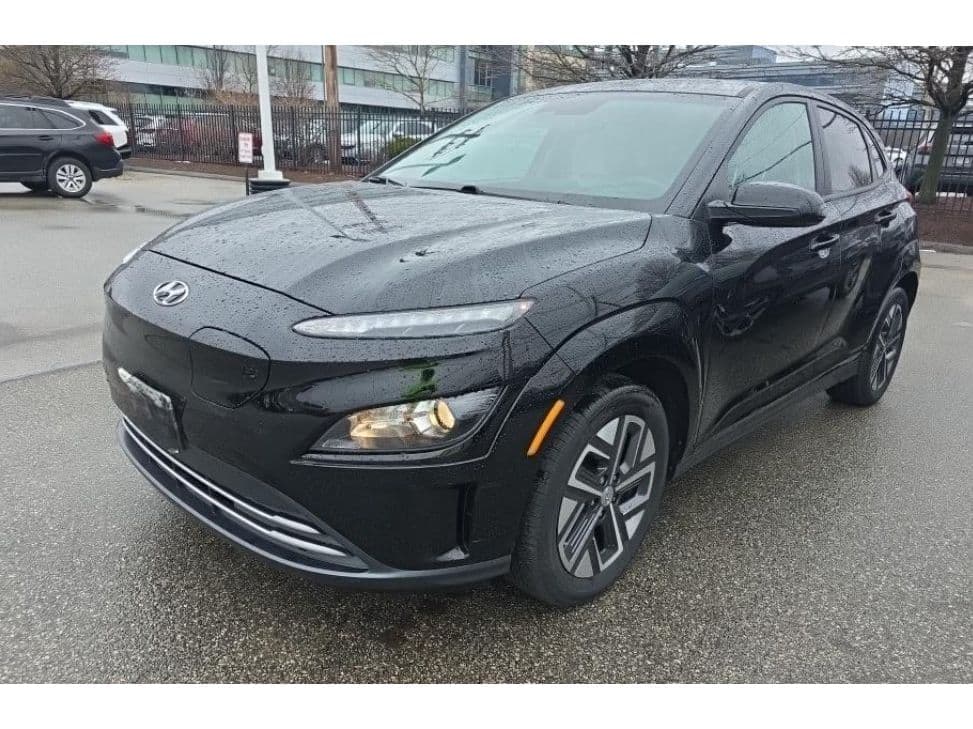
If you’re shopping for a used EV, a 2020 Hyundai Kona Electric is a bit like a cult‑favorite indie film: brilliant in the right light, but with some plot holes you need to know about. The 2020 Kona Electric delivers strong range and efficiency, yet it’s tied up with a headline‑grabbing battery recall, persistent 12V battery complaints, and a handful of everyday quirks. This guide walks you through the real‑world 2020 Hyundai Kona Electric problems and fixes so you can decide, with eyes wide open, whether it belongs in your driveway.
Who this guide is for
Overview: How reliable is the 2020 Kona Electric?
In daily use, the 2020 Kona Electric is generally a **durable, low‑drama commuter**. The motor and single‑speed reduction gearbox are proving stout, and many owners report six‑figure mileage with very little mechanical drama. Where the 2020 car gets complicated is in three zones: the big **64 kWh high‑voltage battery pack**, the small but critical **12V auxiliary battery**, and a scattering of **software, HVAC, and charging quirks**.
2020 Kona Electric: problem snapshot
How Recharged helps here
High-voltage battery fire recall: what happened and what to check
You can’t talk about 2019–2020 Kona Electrics without mentioning the **battery fire recall**. Globally, a small number of early cars suffered thermal runaway events, often while parked at a high state of charge. Hyundai responded with multiple campaigns that eventually led to **battery inspection, software updates, and in many cases a full pack replacement** on 2019–2020 models.
- The issue involved certain 64 kWh lithium‑ion packs supplied for early production cars.
- U.S. campaigns initially focused on **Battery Management System (BMS) software updates** to better detect internal faults.
- Subsequent actions included inspection of the pack for defects and, where necessary, **complete high‑voltage battery replacement** on affected vehicles.
- Owners were advised to limit charge level and park outside until recall work was complete.
Don’t assume the recall is done
How to check the battery recall on a 2020 Kona Electric
1. Run the VIN through Hyundai
Use Hyundai’s online recall lookup or call a Hyundai dealer with the full VIN. Confirm whether the high‑voltage battery recall and BMS software updates are marked as COMPLETED, OPEN, or NOT APPLICABLE.
2. Ask specifically about recall 2019–2020 HV battery
Service advisors see hundreds of campaigns. Ask directly about the 2019–2020 Kona Electric high‑voltage battery fire recall and any follow‑up campaigns for your car’s build date.
3. Confirm if the pack was replaced
If the recall shows as completed, ask whether Hyundai replaced the entire battery pack or just updated software. A replacement pack can actually be a <strong>positive</strong>, as it’s newer and often carries its own warranty clock.
4. Review documentation
Look for service invoices showing BMS/VCU software updates or battery replacement. On a used car, that paperwork is as valuable as an extra key.
5. Test drive and fast-charge
On a long test drive, watch for warnings or derating under acceleration. If possible, briefly plug into a DC fast charger to confirm the pack accepts a normal charge rate without fault codes.
Good news for used shoppers
12V battery drain and no-start issues
If the big battery recall was the headline, the **12V battery** is the long‑running sub‑plot. Owners of 2019–2021 Kona Electrics routinely complain about the car being **stone dead after sitting a few days**, flaky warning messages, or repeated 12V replacements far earlier than expected.
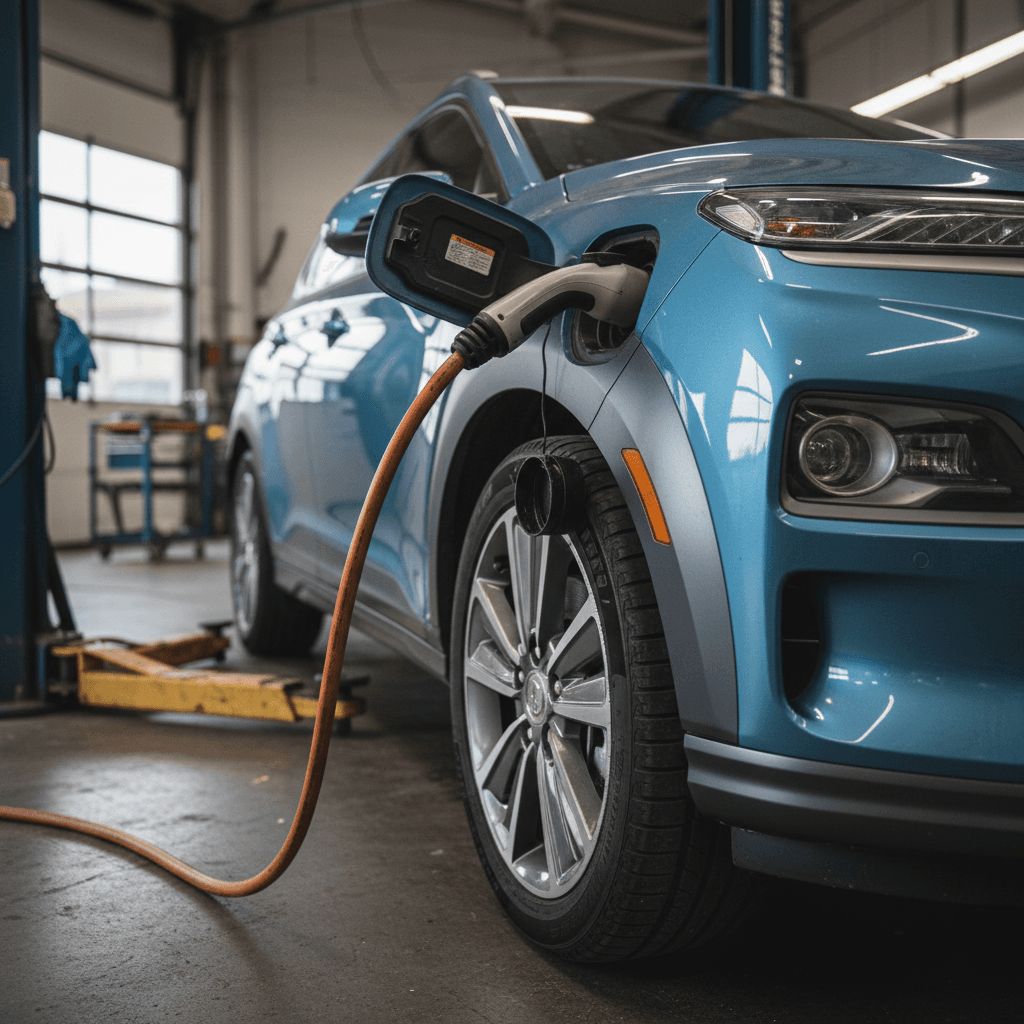
- The Kona Electric uses a traditional 12V battery to power computers, relays, locks, and wake the high‑voltage system.
- Unlike a gas car, there’s no alternator; the DC‑DC converter charges the 12V from the big battery.
- If the car sits, or a module fails to sleep properly, the 12V can discharge and the Kona may not “boot up.”
- Some early cars shipped with relatively small or marginal 12V batteries, which didn’t help.
Symptoms of 12V trouble
Practical fixes for 12V battery problems
From quick triage to long-term solutions
Replace a weak 12V
If your 2020 Kona Electric is still on its original 12V battery, or on a replacement that’s already struggling, start here. A fresh, quality AGM or flooded battery with the correct specs often cures intermittent warnings and no‑start episodes.
Update software & check TSBs
Hyundai has issued software updates and bulletins to address parasitic drain and charging logic. Ask a dealer to ensure your car has the latest DC‑DC converter and body control software, and inquire about any 12V‑related TSBs.
Use proper storage habits
If you leave the car for more than a week, either drive it briefly every few days, enable scheduled battery conditioning if available, or consider a smart 12V maintainer (if you have access to power) to keep the auxiliary battery topped up.
Owner habit that hurts the 12V
Charging problems: won’t charge, slow charging, or charge door issues
Another recurring topic among 2020 Kona Electric owners is **charging weirdness**, Level 2 sessions that stop early, public DC fast chargers the car refuses to talk to, or a charge door that insists it’s open when it’s not.
- On AC (Level 1/2), some owners report sessions that fail to start, trip the breaker, or stop intermittently.
- On DC fast charging, older software can cause handshaking issues with some third‑party stations, or taper charge speeds aggressively.
- The charge‑port door sensor can misread, triggering warnings or refusing to charge until adjusted or replaced.
- Loose or worn J1772 handles at older public stations can mimic a vehicle fault but are really an infrastructure problem.
Start with the simple stuff
Common 2020 Kona Electric charging problems and likely fixes
Use this as a starting point before you panic about the battery pack.
| Symptom | Likely cause | DIY check | Typical fix |
|---|---|---|---|
| Won’t start Level 2 charge at home | Bad EVSE, tripped breaker, or weak 12V battery | Try another EVSE/outlet; check for other 12V symptoms | Replace/repair EVSE or 12V battery; dealer software check |
| Public DC fast charge won’t initiate | Handshake issue or station fault | Try another station/network; reboot charger if allowed | Update vehicle software; use more reliable network |
| Charge stops randomly mid‑session | Thermal limits, station fault, or loose plug | Check for hot connector; wiggle cable gently; monitor SOC | Use different station; inspect port for debris; dealer visit if repeatable |
| ‘Charge port door open’ warning while driving | Faulty or mis‑adjusted door switch | Inspect door fit; see if warning responds to gentle pressure | Dealer adjustment or switch replacement, typically warranty on low‑mile cars |
Always rule out a bad charging station or outlet before chasing car‑side repairs.
How Recharged road-tests Kona EVs
HVAC, heat, and A/C quirks
The Kona Electric’s heat and A/C are usually set‑and‑forget, but some 2020 owners complain that **heat cuts out on long drives**, defrost performance is weak, or the cabin fan behaves oddly. A few of these are genuine issues; some are just the car being literal‑minded about efficiency.
- On earlier cars, HVAC control logic can be over‑aggressive at balancing comfort and efficiency, cycling the PTC heater and compressor in ways that feel inconsistent.
- If the 12V system is marginal, HVAC controls may act up even though the main traction battery is full.
- Clogged cabin air filters can reduce airflow and make defrost feel weak, particularly in humid or cold conditions.
- Temperature sensors or blend‑door actuators can fail, leaving the car stuck blowing lukewarm or cold air.
Simple HVAC fixes to try before expensive repairs
Rule out the basics first
Replace the cabin air filter
A dirty cabin filter can dramatically cut airflow, making it seem like the heater or A/C vanished. On a used 2020 Kona Electric, assume the filter is overdue unless there’s proof it was changed recently.
Reset and retest climate control
Turn climate OFF, then back ON in AUTO at a reasonable temp (68–72°F). Make sure ECO climate modes are disabled while testing; they intentionally soften HVAC output to save energy.
When HVAC issues are more serious
Infotainment and electronics glitches
Electronics in the 2020 Kona Electric are better than many contemporaries, but not completely drama‑free. Owners describe **intermittent black screens, cameras that refuse to wake up, Bluetooth drops, and random warning chimes** with no obvious cause.
- Backup camera occasionally fails to display when shifting into Reverse, especially in cold starts.
- Head unit may reboot or freeze, taking CarPlay/Android Auto down with it.
- Random warning messages, often tied back to low 12V voltage, appear and vanish without a stored code.
- Door, hood, or charge‑door sensors can report open/closed incorrectly, triggering chimes or warnings while driving.
Quick owner fixes
- Software updates: Ask a Hyundai dealer to check for infotainment or instrument‑cluster updates; there have been several quiet revisions.
- Soft reset: On some cars, holding the radio power button for 10–15 seconds forces a head‑unit reboot, clearing temporary glitches.
- Check 12V health: Many “ghost codes” evaporate once the auxiliary battery is healthy and fully charged.
When to see a specialist
- Persistent camera failures, especially if they occur in all conditions.
- Cluster or infotainment that regularly reboots while driving.
- Multiple body‑sensor warnings (doors, hood, charge door) that don’t match reality.
- Any fault light related to the high‑voltage system.
How Recharged screens for gremlins
Suspension, tire wear, and noise complaints
The Kona Electric rides on a compact‑SUV platform that was never intended to be whisper‑quiet luxury; it’s honest about road texture. Owners of 2020 cars occasionally complain about **rapid tire wear, suspension clunks over sharp bumps, and more road noise than expected** for an EV.
- Stock eco‑oriented tires trade longevity and quietness for low rolling resistance; they often look tired well before 40,000 miles.
- The Kona’s relatively short wheelbase and firm suspension tuning can produce sharp impacts and mild rattles on bad pavement.
- Heavier EV curb weight gives the front suspension and tires extra work to do, any misalignment shows up quickly in wear patterns.
Quick checks for ride quality and tire health
Inspect for uneven tire wear
Feathered inner or outer shoulders, cupping, or bald patches hint at alignment or shock issues. On a test drive, listen for rhythmic thumping that rises with speed, often a tire problem.
Drive on mixed roads
Take the Kona Electric over highway, coarse asphalt, and a few rougher city streets. Note how it reacts to expansion joints and potholes; persistent clunks or rattles deserve a suspension inspection.
Ask for alignment records
If a seller has recent alignment paperwork, that’s a green flag. If not, budget one into your first service visit; good alignment protects range and tires.
Recall checklist for a 2020 Kona Electric
By 2026, a typical 2020 Kona Electric is old enough to have seen several campaigns. Some are safety recalls, some are quiet software updates. When you’re evaluating one, you want a crisp answer to a simple question: **Is this car fully up to date?**
Key recall and campaign items for 2019–2020 Kona Electric
Exact codes and names vary by region, but these are the big themes you should ask about.
| Area | What to confirm | Why it matters |
|---|---|---|
| High-voltage battery | Fire‑risk recall and any follow‑up pack replacement completed | Ensures you’re not inheriting an unrepaired battery with known defect risk. |
| BMS / VCU software | Latest calibration installed | Improves fault detection, charging behavior, and pack protection. |
| 12V / DC-DC updates | Any bulletins addressing auxiliary‑battery charging or drain applied | Reduces the chance of repeated 12V failures. |
| Inverter coolant / thermal system | Updated coolant and sensor TSBs completed where applicable | Prevents false warnings and protects power electronics. |
| Safety systems | Airbag, ABS, collision‑avoidance updates | Keeps core safety systems working as engineered. |
When in doubt, have a Hyundai dealer print the recall and campaign history by VIN.
Ask for a printout
Buying a used 2020 Kona Electric: what to look for
Shopping used, your real goal isn’t to find a flawless 2020 Kona Electric; it’s to find a **well‑maintained, transparently documented** one. The car’s underlying engineering is solid. Your risk lives in neglected recalls, hidden battery issues, and invisible 12V or charging gremlins.
Used 2020 Kona Electric buying checklist
Four priorities that matter more than paint color
1. Battery health & recall status
Get a battery health report if you can, and verify the high‑voltage recall status. At Recharged, this is built into the Recharged Score, which measures real pack capacity alongside recall completion.
2. Full diagnostic scan
A pre‑purchase inspection should include a scan for stored and pending codes, not just a quick road test. Intermittent HV or 12V faults often leave breadcrumbs in the computers.
3. Real charging test
Plug into Level 2 and, if possible, DC fast charging. Watch for error messages, abnormal taper, or sessions that fail to start. Confirm the charge door sensor isn’t crying wolf.
4. Service history & warranty
Look for documented maintenance and recall work. Check in‑service date to see how much of the 8‑year battery warranty remains. A newer replacement pack can outlast the rest of the car.
Why buy through Recharged
FAQ: 2020 Hyundai Kona Electric problems
Common questions about 2020 Kona Electric problems and fixes
Bottom line: Is a 2020 Kona Electric still worth it?
Handled carelessly, a 2020 Hyundai Kona Electric can be a handful: an unrepaired battery‑recall car with a dying 12V battery, glitchy charging, and HVAC quirks is nobody’s idea of a great deal. Handled wisely, though, with recalls closed, a healthy pack, and a clean bill of health, it’s one of the most efficient, right‑sized used EVs on the market, with real‑world range that still embarrasses many newer competitors.
If you’re shopping on your own, make the high‑voltage battery, 12V system, and charging behavior the three pillars of your inspection, and don’t be shy about walking away from cars with fuzzy paperwork. If you’d rather skip the detective work, buying through Recharged means every Kona Electric has already been through battery diagnostics, recall verification, and a thorough EV‑specific inspection, so you can focus on whether you like the way it drives, not whether it might light up the news cycle.