If you search “2020 Chevy Bolt EV reliability”, you’ll find love letters and horror stories in equal measure. On paper, the 2020 Bolt is a simple, efficient electric hatch with minimal moving parts. In the real world, its reputation is dominated by one thing: the LG battery recall and what happened after.
The short answer
Quick take: how reliable is the 2020 Chevy Bolt EV?
2020 Chevy Bolt EV reliability snapshot
Read across the data and a pattern emerges. Professional rating agencies call the 2020 Bolt average for reliability, while many real owners describe it as “a tank” that just runs and runs, until it doesn’t. That “doesn’t” moment, when it comes, is usually a battery problem: propulsion‑reduced warnings, charging faults, or in rare cases outright pack failure.
The recall changed everything
The big asterisk: 2020 Bolt EV battery recall history
Chevrolet’s compact EV was caught in a multi‑year fire‑risk saga. Battery packs supplied by LG could contain manufacturing defects that, in rare combinations, led to thermal runaway. GM’s response arrived in waves: charging limits, diagnostic software, then large‑scale battery replacements for 2017–2022 Bolt EV and EUV models, including the entire 2020 model year.
- Initial recalls limited maximum state of charge and advised owners to avoid parking indoors right after charging.
- Dealers installed diagnostic software intended to catch failing modules before they caused fires.
- Later, GM approved full pack replacements for affected cars with new battery assemblies, often restoring full range and resetting battery warranty coverage.
- In late 2024, GM identified a small subset of 2020–2022 Bolts that had received incorrect software updates, prompting yet another recall to reinstall the diagnostics correctly.
How to confirm recall status
Here’s where it gets messy. Many owners who received new packs have logged tens of thousands of trouble‑free miles. Others report a second or even third high‑voltage battery failure, sometimes leaving the car immobilized and stuck at the dealer for months waiting on parts. The Bolt’s mechanical simplicity means there are few big systems to go wrong, but the one big system it does have is the one that’s been under a microscope.
Common 2020 Chevy Bolt EV issues beyond the recall
Typical 2020 Bolt EV problem areas
Most cars won’t have all of these; many have none. But these are the patterns to watch for.
High‑voltage battery faults
Even after pack replacement, some owners report:
- “Propulsion Power Reduced” messages at high state of charge.
- Check‑engine lights tied to battery modules.
- Cars stranded at dealers awaiting another pack.
These are warranty issues, but they can disrupt your life.
Charging problems
Owner reports and surveys mention:
- Home charging sessions stopping early.
- Compatibility quirks with some public Level 2 stations.
- Charge port doors sticking or misaligning.
Usually fixable with software updates or hardware replacement.
12‑volt battery & electronics
Like many EVs, the Bolt uses a conventional 12‑volt battery for accessories and control units. When it gets weak, drivers may see:
- Random warning lights.
- Intermittent starting/“ready” issues.
Fortunately, replacement is inexpensive compared with the main pack.
Steering feel & return
Some 2020 Bolt owners have filed complaints about:
- Steering that feels stiff or “sticky.”
- Wheel not cleanly returning to center after turns.
Often related to the steering gear and can be costly out of warranty.
HVAC & heat pump
A minority of owners report:
- Weak cabin heat in very cold weather.
- AC compressor or blower issues.
Failures are inconvenient, but generally fixable under warranty if still active.
Normal wear items
The upside: with no engine, no transmission and strong regenerative braking, most 2020 Bolts see:
- Long brake life.
- Few fluid‑related repairs.
- Lower overall maintenance than comparable gas hatchbacks.
Listen for this on a test drive
What owners and rating agencies say about reliability
Rating agencies paint a mixed but not catastrophic picture. J.D. Power calls the 2020 Bolt’s quality and reliability “Average”, with a 76/100 score and particularly strong resale forecasts. Consumer Reports is less kind, ranking the 2020 Bolt below the average vehicle for its model‑year cohort and flagging repeated trouble spots in the EV battery, charging system, brakes, and climate control.
What happy owners say
- Many report 60,000+ miles with zero major issues beyond routine maintenance.
- Owners on sites like KBB and Cars.com praise the Bolt as the cheapest car they’ve ever run thanks to fuel and service savings.
- Daily drivers call it a "tank" that shrugs off commuting, extreme weather and high mileage.
What frustrated owners say
- Some 2020 Bolt drivers have seen two or more full battery replacements in just a few years.
- Long waits for replacement packs, measured in months, not weeks, with ICE loaners they don’t like.
- Complaints about propulsion‑reduced warnings returning even after recall fixes, eroding confidence.
“Owned from new to 66,000 miles and never had a problem whatsoever… I’ve owned 63 cars, and this one was the most reliable and cheapest to keep.”
The through‑line is volatility. When a 2020 Bolt is good, it’s exceptionally good: low running costs, minimal maintenance, and easy daily driving. When it’s bad, it tends to be because the battery story isn’t over yet.
Battery life, replacements, and warranty coverage
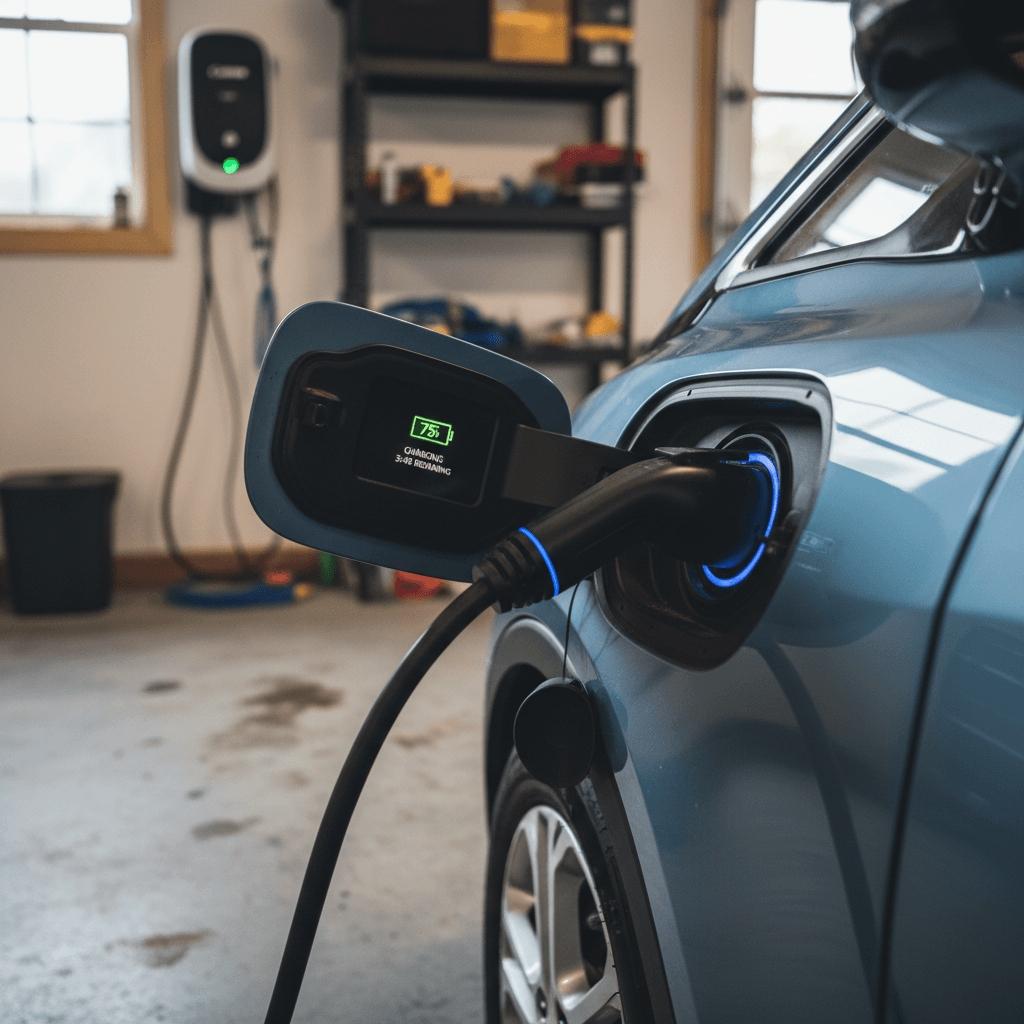
A 2020 Bolt EV left the factory with a 66 kWh lithium‑ion pack and an EPA range of 259 miles. In normal use, with DC fast charging in moderation and temperatures that aren’t constantly arctic, these packs can age gracefully. But the recall means many 2020 Bolts no longer carry their original battery.
2020 Bolt EV battery scenarios in 2026
Most used 2020 Bolts on the market will fall into one of these buckets.
| Scenario | What it means | Reliability outlook | What to ask for |
|---|---|---|---|
| Original pack, recall not fully addressed | Car still on original battery; recall open or only has software limits. | Highest risk. Avoid unless recall can be completed before purchase and price reflects risk. | Proof of recall appointment, written plan from dealer, heavy discount. |
| Original pack, recall software + inspection only | Battery passed early diagnostics; no replacement yet. | Moderate risk. Pack may be fine, but long‑term defect risk isn’t zero. | Latest service records, state‑of‑charge limits, any warning messages history. |
| Pack replaced once under recall | Most common case: full battery replacement 2022–2025. | Often best case. You get a newer pack and effectively a “reset” on degradation and warranty. | Dealer paperwork showing installation date, part numbers, and updated battery warranty expiration. |
| Pack replaced more than once | Car has had two or more high‑voltage packs. | Red flag. Some cars seem to be chronic problem children. | Why was it replaced again? How long did it sit at the dealer? Any goodwill or extended coverage from GM? |
Ask the seller which scenario applies and insist on documentation.
Battery warranty reality check
In the used market, a 2020 Bolt with a documented replacement battery installed in, say, 2023 or 2024 and fewer than 70,000 miles can be very attractive. You’re effectively getting a newer pack in a depreciated shell. Conversely, a car that’s already on its second replacement, or one that recently threw a propulsion‑reduced warning, deserves extra scrutiny no matter how cheap it looks.
Real-world running costs: where the Bolt shines
Why many owners call the 2020 Bolt their cheapest car ever
When the pack is healthy, the economics are brutal, for gas cars.
Energy costs
The Bolt’s official rating is 127 MPGe city / 108 MPGe highway. Translated:
- At $0.15/kWh, many owners effectively "pay" the equivalent of $1.00–$1.50 per gallon.
- Commuters often save $800–$1,200 per year versus a 30–35 mpg gas compact doing the same miles.
Maintenance & repairs
No oil changes, timing belts, spark plugs or emissions hardware.
- Brake pads last a long time thanks to strong regen.
- Common routine items: tires, cabin air filter, brake fluid every few years.
- Out‑of‑warranty surprises are usually tied to the battery or steering, not the usual engine/transmission drama.
The big‑ticket risk you must price in
In practice, this is why some long‑time owners are so evangelical. If you buy the right car, let the previous owner eat the early depreciation, and enjoy a healthy recall battery, the 2020 Bolt is almost comically inexpensive to run. If you buy the wrong one, the same car can become a four‑wheeled anxiety generator parked at your local Chevy service bay.
Should you buy a used 2020 Chevy Bolt EV in 2026?
Great fit if…
- You need an affordable EV commuter in the $9,000–$13,000 range.
- Your daily driving is mostly under 120 miles and you have reliable Level 2 charging at home or work.
- You can be picky and only choose cars with documented recall battery replacements and clean service histories.
- You’re okay with DC fast charging that’s merely adequate, not road‑trip brilliant.
Think twice if…
- You want an EV for frequent cross‑country road trips. The Bolt’s older fast‑charging profile and CCS connector make that less pleasant.
- You live far from a Chevy dealer experienced with EVs.
- Your budget can’t handle the possibility of long waits for parts if something does go wrong under warranty.
- You’re extremely risk‑averse and would sleep better in a car with a cleaner reliability record.
Also consider newer rivals
Used 2020 Bolt EV inspection checklist
What to check before you buy a 2020 Chevy Bolt EV
1. Verify recall status and battery history
Ask for a printout of all completed recalls and any battery‑related warranty work. You want <strong>dates, mileage and part numbers</strong> for any high‑voltage pack replacement, plus confirmation that the latest diagnostic software campaigns are complete.
2. Scan for warning lights and messages
On test drive, cycle the car on/off several times. Watch for "Service Vehicle Soon," "Propulsion Power Reduced," or persistent check‑engine lights. Any battery or charging‑system codes should be resolved by a dealer <strong>before</strong> you sign.
3. Check real‑world range at typical state of charge
If possible, start with the car charged to around 80–90%. Note the estimated range and compare it with the EPA 259‑mile figure. Big discrepancies can indicate degradation, recent cold‑weather driving, or a pack that’s not happy.
4. Inspect the steering feel
On a smooth road, the car should track straight without constant correction. In gentle turns, the wheel should self‑center smoothly. Any sticky, notchy, or off‑center feel deserves a professional inspection.
5. Test home and public charging
If practical, plug into a Level 2 charger for at least 10–15 minutes. Confirm the car charges reliably, doesn’t stop unexpectedly, and shows reasonable charging power. Ask the seller about <strong>any previous charging quirks</strong>.
6. Review service history for repeat complaints
Look for patterns: multiple visits for the same battery or propulsion code, long dealer stays, or repeated charging complaints. One fix under warranty is normal; three of the same repair is a story waiting to repeat.
How a Recharged Score Report helps
How Recharged evaluates a 2020 Bolt EV
Because so much of the 2020 Bolt’s reliability story is hidden in its software and service history, a proper evaluation needs more than a quick drive around the block. At Recharged, a 2020 Bolt has to clear several additional hurdles before it earns a spot in our marketplace.
Our 2020 Bolt EV intake process
Why a heavily‑discounted Bolt isn’t always a bargain, and how we separate the keepers from the headaches.
Deep battery diagnostics
We run a Recharged Score battery health test that looks beyond dash‑displayed range estimates:
- Pack capacity and balance between modules.
- Error codes and fast‑charge history.
- Signs of repeated derating or thermal events.
Recall & warranty verification
Our team confirms:
- All battery and software recalls are properly completed.
- Any replacement packs are documented with install dates.
- Remaining high‑voltage battery warranty coverage.
Transparent pricing & guidance
We price 2020 Bolts against the broader used‑EV market and their specific battery history, and our EV specialists walk you through:
- What that history means for long‑term reliability.
- Whether a given car fits your commute and charging setup.
- Financing, trade‑in or consignment options and nationwide delivery.
FAQ: 2020 Chevy Bolt EV reliability questions, answered
Frequently asked questions about 2020 Chevy Bolt EV reliability
Bottom line: who the 2020 Bolt EV is (and isn’t) for
The 2020 Chevy Bolt EV is a fascinating used‑car paradox. Statistically, it’s an average‑reliability compact hatchback with below‑average maintenance costs and a now‑familiar battery recall in its rearview mirror. Individually, it’s either the best cheap commuter you’ve ever owned or a rolling case study in why batteries keep automakers up at night.
If you value thrift, efficiency and simplicity, and you’re willing to be picky about battery history, the right 2020 Bolt can deliver years of quiet, inexpensive service. If you’d rather never learn the phrase “propulsion power reduced,” you might favor a newer EV or work with a specialist like Recharged that lives and breathes this stuff, from Recharged Score battery diagnostics to financing, trade‑ins and nationwide delivery.
Either way, don’t let the recall headlines scare you off thoughtful due diligence. In 2026, the 2020 Bolt EV is no longer a science experiment. It’s just another used car, one that happens to run on electrons, with a reliability story written almost entirely in kilowatt‑hours and service bulletins.