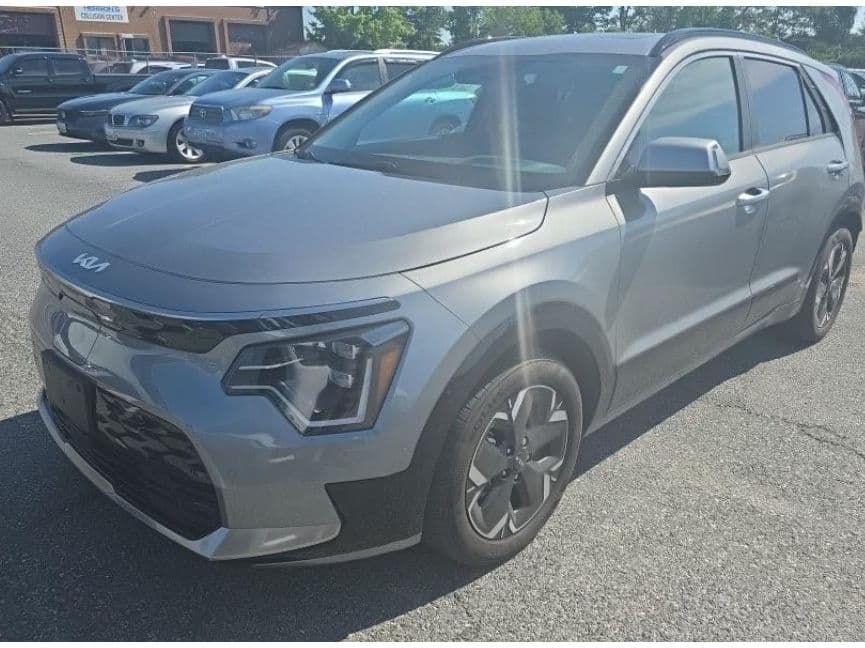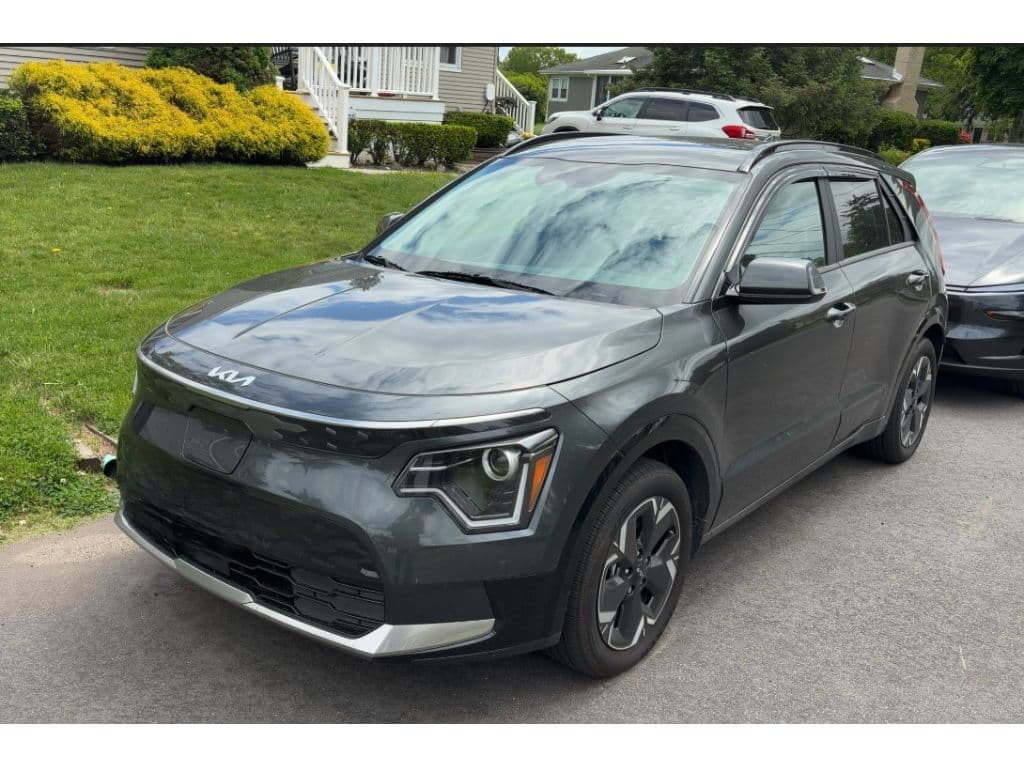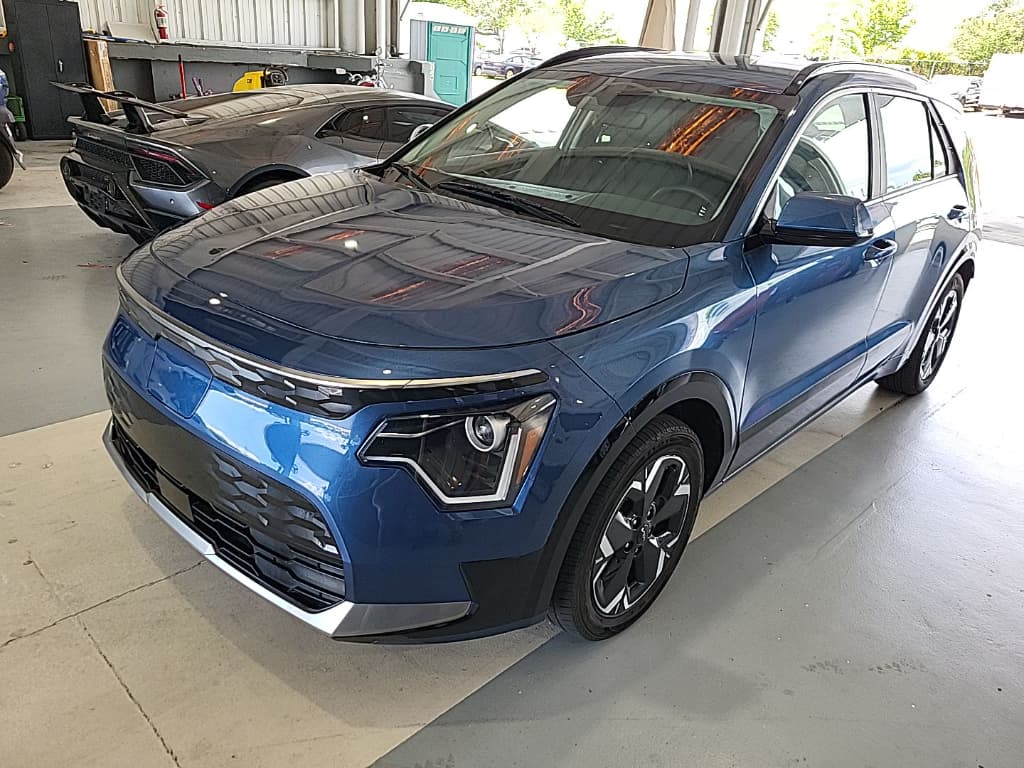
If you’re looking at a Kia Niro EV, you’re probably the sensible one in your friend group. Compact footprint, real-world range, no drama. The catch is that the Kia Niro EV depreciation rate is on the high side: over a typical five‑year period, it loses a bit more than half its value. That sounds grim, but it’s exactly why the Niro EV can be a standout value on the used market, if you buy it right.
The short answer
Overview: Kia Niro EV depreciation rate in plain English
Let’s anchor the conversation with a few concrete numbers. Aggregated resale data shows a five‑year depreciation rate around 59–60% for the Kia Niro EV, meaning a typical new Niro EV worth about $39,000 today will be worth roughly $16,000 after five years. That makes depreciation the single largest part of the Kia Niro EV’s true cost of ownership.
Kia Niro EV depreciation at a glance
That sounds brutal, but it’s important context: many early‑generation EVs show similar or worse depreciation as newer models arrive with more range and faster charging. The Niro EV is no outlier, it’s more like the canary in the coal mine for how mainstream EVs age in the current market.
How fast does a Kia Niro EV depreciate? Key numbers
Typical 5‑year depreciation curve for a new Kia Niro EV
Illustrative example for a Niro EV with a $39,000 MSRP. Real‑world values vary by incentives, mileage, and condition, but the shape of the curve is representative.
| Year of ownership | Estimated value | Cumulative depreciation | Percent of value lost |
|---|---|---|---|
| New (Year 0) | $39,000 | , | 0% |
| Year 1 | $28,000 | $11,000 | 28% |
| Year 3 | $20,500 | $18,500 | 47% |
| Year 5 | $16,000 | $23,000 | 59% |
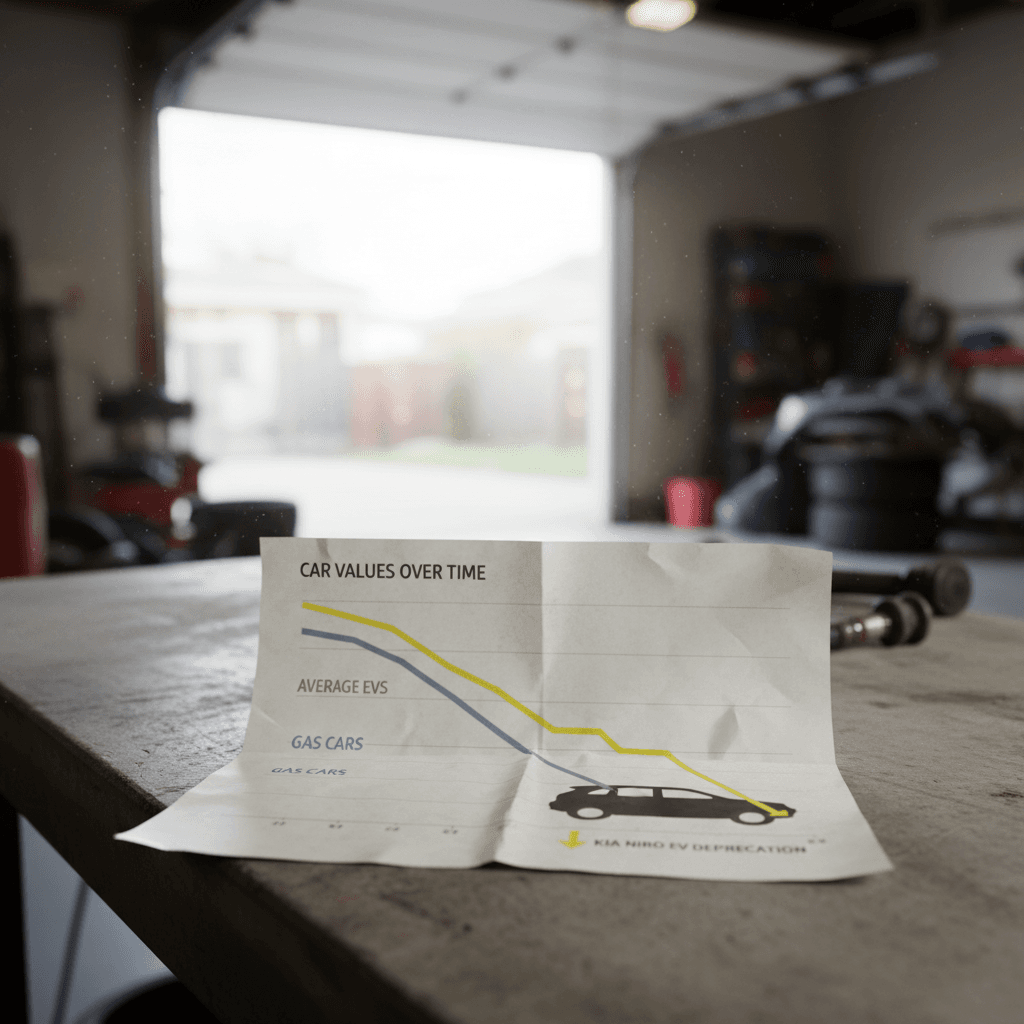
Depreciation is front‑loaded: the Kia Niro EV loses the most value in years 1–2, then the curve flattens.
In plain terms: the first two years hurt the most. If you buy a Niro EV new, you’re paying for that front‑loaded drop. If you buy one used at three to five years old, you’re letting the first owner take the punch while you get a still‑modern EV at a big discount.
Lease residuals vs. real resale
Why the Kia Niro EV depreciates the way it does
Major forces behind Niro EV depreciation
It’s not just about the badge on the hood.
Rapid EV tech turnover
Crowded compact EV SUV segment
Heavy incentives on new cars
Brand and perception
Kia’s brand reputation has risen dramatically, but in many buyers’ minds, a used Kia still has to be cheaper than a used Tesla or a German luxury badge. That mental discount shows up in resale values, even when the product is objectively strong.
EV‑specific anxieties
Shoppers still worry about battery degradation, out‑of‑warranty repairs, and charging access. A lot of that fear is outdated or overblown, but it suppresses used EV prices, especially for models that don’t have a cult following.
How this becomes an opportunity
Model years and real-world examples
The Niro EV hasn’t been around forever. It launched in the U.S. as a 2019 model and went through a full redesign for 2023. That makes it a compact case study in how a mainstream EV ages over its first decade.
How specific Kia Niro EV model years have depreciated
Approximate real‑world numbers based on current market data for U.S. vehicles in good condition with typical mileage.
| Model year & trim | Original MSRP (approx.) | Typical used price today | Dollar depreciation | Percent depreciation |
|---|---|---|---|---|
| 2020 Niro EV EX | $39,000 | $16,500 | $22,500 | ≈58% |
| 2023 Niro EV Wind | $40,000–$41,000 | Low–mid $20,000s | ≈$16,000 | ≈40% in ~2 years |
| 2024–2025 Niro EV Wind/Wave | $39,600–$44,600 | High $20,000s (early used) | ≈$12,000–$16,000 | ≈30–40% in 2–3 years |
Don’t fixate on the exact dollar; pay attention to the pattern across generations.
The 2020 example tells the story cleanly: roughly 58% of its value is gone after five years, leaving a well‑equipped compact electric crossover for around the price of an econobox sedan. That’s painful if you bought new; it’s a bargain if you’re shopping used today.
Don’t ignore incentives when you read these numbers
Kia Niro EV vs rivals: depreciation comparison
Depreciation only makes sense in context. On paper, the Kia Niro EV doesn’t hold value as well as some direct competitors, but it’s also not the worst offender in EV‑land. Think of it as mid‑pack in a class that’s still figuring itself out.
5‑year depreciation: Kia Niro EV vs key rivals
Representative 5‑year depreciation figures for popular compact EVs and crossovers. Numbers are rounded for clarity.
| Model | Approx. 5‑year depreciation | Value lost | Resale value left |
|---|---|---|---|
| Kia Niro EV | ≈59–60% | ≈$23,000 | ≈40–41% |
| Hyundai Kona Electric | ≈58% | Slightly less loss than Niro | ≈42% |
| Mainstream SUV average (all fuels) | ≈49% | Lower loss than Niro | ≈51% |
| All‑vehicle market average | ≈45–46% | Much lower loss | ≈54–55% |
All of these EVs lose a lot of value; the Niro EV is slightly worse than its Hyundai cousin but better than some luxury nameplates.
Two takeaways: first, all EVs depreciate faster than the overall vehicle market right now; second, the Niro EV is a shade worse than its Kona Electric cousin, largely because the Kona has been priced more aggressively and marketed more loudly. The Niro is the quiet kid in the back of the class, and resale reflects that.
A bright spot: used demand is strong
Buying a used Kia Niro EV: smart depreciation strategies
If you’re stepping into the Niro EV story at years three to five, you’re playing the game on easy mode. The worst depreciation is behind you, yet the car still feels thoroughly modern, especially the second‑generation 2023+ models. Here’s how to make the numbers work in your favor.
Used Kia Niro EV buying playbook
1. Target the “sweet spot” years
Focus on Niro EVs that are <strong>3–6 years old</strong>. You’re past the steepest part of the depreciation curve but still within, or just beyond, the factory battery warranty window.
2. Pay attention to real transaction prices
Don’t just look at original MSRP. Many Niro EVs were sold or leased with heavy incentives, so a car that lost 60% of its MSRP may have only lost ~50% of what the first owner actually paid.
3. Prioritize battery health data
Battery condition is as important as mileage. A verified <strong>state‑of‑health (SoH)</strong> report, like the Recharged Score battery diagnostics, tells you whether the pack is aging gracefully or headed for trouble.
4. Compare trims and equipment carefully
Wind vs Wave, driver‑assist packages, heat pump, and infotainment options all affect resale. Sometimes it’s smarter to buy a better‑equipped older car than a bare‑bones newer one at the same price.
5. Cross‑shop operating costs, not just price
Even if a Niro EV depreciates more than a gas SUV, its <strong>fuel and maintenance savings</strong> can make total ownership cheaper over 5–8 years, especially if you do most of your charging at home.
6. Use professional pricing tools
Supplement marketplace browsing with history‑based valuations and inspection reports. On Recharged, every vehicle includes a <strong>Recharged Score Report</strong> with fair market pricing and verified battery health, so you can see exactly where it sits in the market.
Let someone else fund the tech curve
How Recharged helps you manage EV depreciation risk
Where depreciation is concerned, information is power. Most of the risk in a used EV lives in the battery pack and in overpaying relative to the market. Recharged was built specifically to de‑risk both of those problems for shoppers who want a used EV without the guesswork.
Why a Niro EV from Recharged is different
Not just another used‑car listing.
Verified battery health
Fair market pricing
Financing & delivery
Ready to find your next EV?
Browse VehiclesIf you already own a Niro EV and are considering selling, Recharged can also help you get an instant offer or explore consignment. Transparent pricing data and EV‑specialist support mean you’re not walking into negotiations blind.
Checklist: protecting your Kia Niro EV’s future resale value
You can’t stop depreciation, but you can absolutely influence where your particular Niro EV lands on the curve. These steps won’t turn it into a gold bar, but they will keep it from becoming a doorstop before its time.
Actions that help your Niro EV hold value
1. Stay inside the battery warranty box
Avoid chronic fast‑charging from low states of charge, don’t leave the pack at 100% for days, and keep the car out of extreme heat when you can. A healthier battery (and a clean SoH report) is money in your pocket when you sell.
2. Keep mileage reasonable
EV shoppers still look at mileage first. If you can keep your annual mileage in the <strong>10,000–12,000 miles</strong> range, your Niro EV will line up better with market expectations and command stronger offers.
3. Document everything
Save service records, software‑update logs, tire receipts, even charging‑equipment invoices. A thick folder, or a well‑organized digital record, signals a cared‑for car and helps justify top‑of‑market pricing.
4. Maintain cosmetic condition
Small dings and curbed wheels matter more than you think, especially on EVs where the powertrain is often trouble‑free. Fixing paintless dents and refreshing worn interior touchpoints can easily pay for itself at resale.
5. Time your sale strategically
Selling right before the factory battery warranty expires can be smarter than waiting until after it lapses. Buyers will pay more for coverage, and your depreciation curve may bend downward sharply once that safety net is gone.
6. Sell where EVs are in demand
In some regions, especially urban and coastal markets, used EVs move faster and at higher prices. Nationwide marketplaces like Recharged let you <strong>tap demand beyond your local zip code</strong>.
FAQ: Kia Niro EV depreciation rate
Frequently asked questions about Kia Niro EV depreciation
Final thoughts: Is a used Kia Niro EV a good buy?
If you buy a Kia Niro EV new and keep it for five years, the depreciation numbers are hard to ignore: you’ll likely watch something like $20,000–$23,000 in value disappear on paper. But if you step into the story later, three, four, or five years in, you can flip that narrative. Suddenly you’re the one benefiting from the steep early drop, driving a practical, efficient, and well‑equipped EV for the price of a bare‑bones crossover.
The key is to buy with eyes wide open. Understand the depreciation curve, insist on clear battery‑health verification, and resist overpaying just because a particular car is close by. Market‑correct pricing, transparent condition reports, and EV‑specialist guidance, what Recharged bakes into every used EV transaction, turn the Niro EV from a cautionary tale about lost value into a quietly brilliant used‑car play.