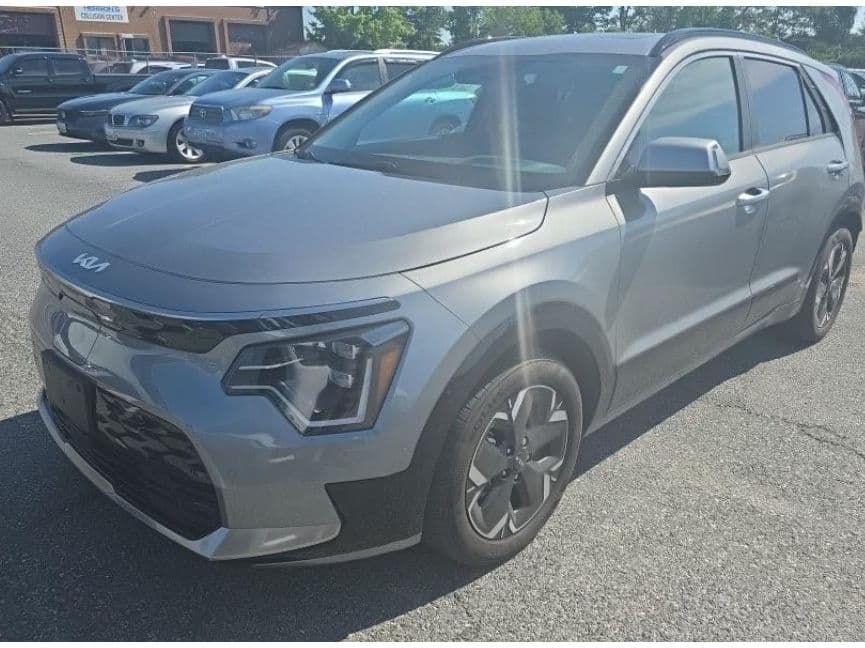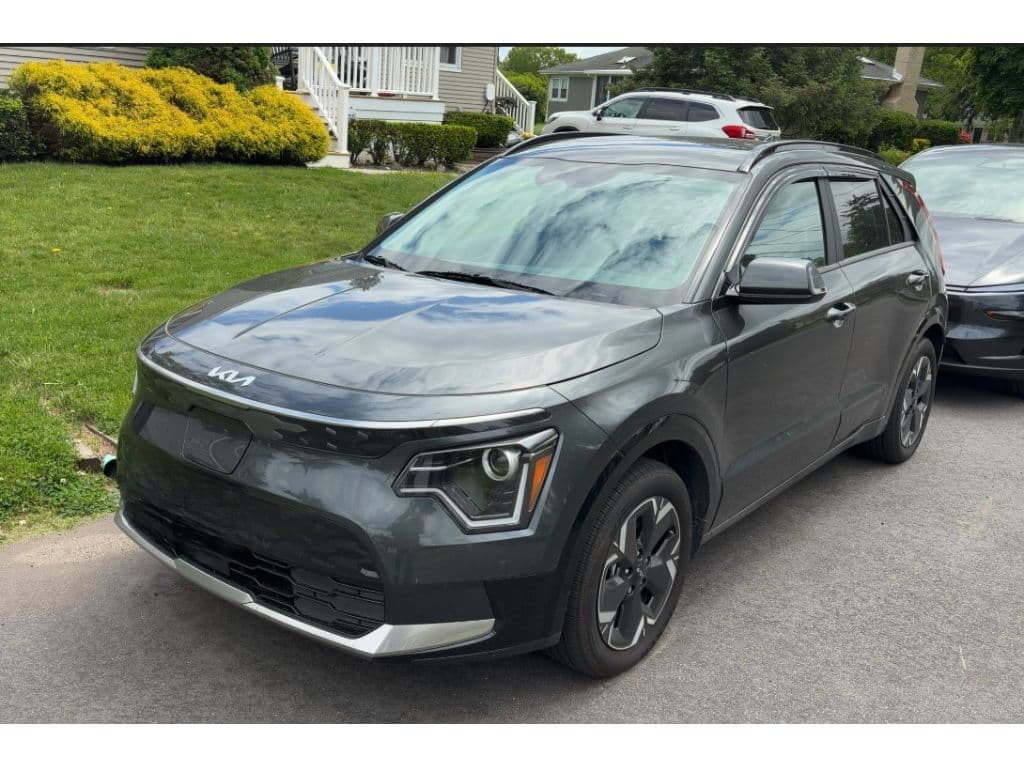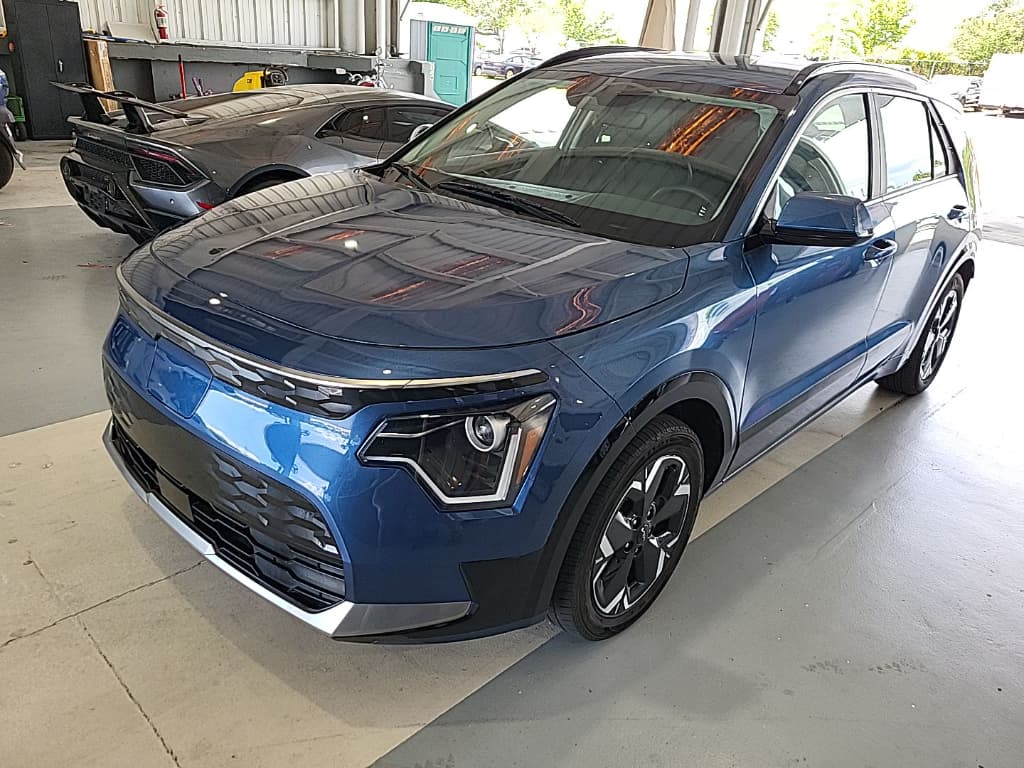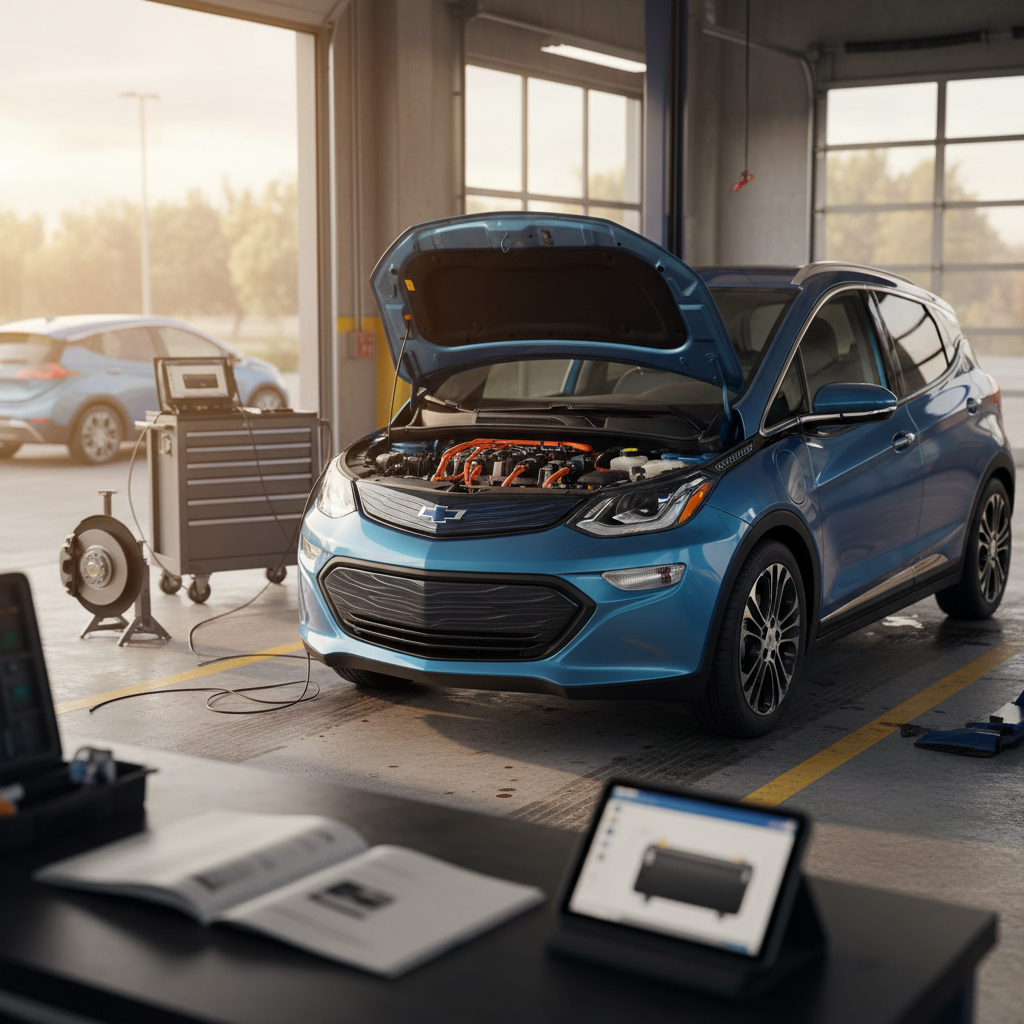
If you like the idea of a compact, efficient electric crossover, the Kia Niro EV should be on your shortlist. But between hybrid, plug‑in hybrid, and fully electric versions, not to mention different trims and model years, it’s easy to get overwhelmed. This Kia Niro EV buying checklist walks you through everything to verify before you sign, with a special focus on buying used.
At a glance
Why the Kia Niro EV is worth a closer look
Kia Niro EV key numbers (current generation)
The Niro EV fills an important niche: it’s more efficient and easier to park than larger electric SUVs, but roomier than a subcompact hatchback. You get a familiar crossover shape, plenty of cargo space for everyday life, and an efficiency‑first drivetrain that keeps running costs low, as long as you buy the right car and avoid hidden issues. That’s where a disciplined checklist makes the difference.
Who the Niro EV fits best
Step 1: Verify you’re looking at the right Niro
Kia sells three different Niro powertrains that look very similar from the outside: Niro Hybrid, Niro Plug‑in Hybrid (PHEV), and Niro EV. Only the Niro EV is fully electric, no gas engine at all. Listings sometimes blur these lines, so confirm exactly what you’re buying before you waste time on a test drive.
Hybrid vs PHEV vs full EV: quick comparison
Use this to sanity‑check any listing description or dealer pitch.
Niro Hybrid
- Gas engine + small battery
- Not plug‑in; no charge port
- High MPG but always uses gas
Niro Plug‑in Hybrid
- ≈30+ miles electric, then gas
- Has a charge port + fuel door
- Great if you can’t go full EV yet
Niro EV (full electric)
- 64.8 kWh battery (current gen)
- No gas tank, no engine
- Charge via home Level 2 or CCS fast charging
Checklist: Confirm it’s actually a Niro EV
1. Look at the badges
You should see "<strong>EV</strong>" or "<strong>Niro EV</strong>" badging on the hatch and sometimes on the sides. If it just says "Hybrid" or "Plug‑In," it’s not the full EV.
2. Confirm there’s no fuel door
Walk around the rear three‑quarter. A true Niro EV won’t have a gas filler door; the only external door related to energy is the charge port up front.
3. Check the charge port location
On the Niro EV, the CCS charge port is in the front bumper, centered. If the port is on the side fender and there’s also a gas door, you’re looking at the PHEV.
4. Decode the VIN
Ask the seller for the full VIN and run it through a VIN decoder or commercial listing tool. It should explicitly say "Electric" or "EV" in the powertrain section.
5. Ask for the window sticker or build sheet
For newer cars, a Monroney label or digital build sheet will clearly identify "Niro EV" plus trim (Wind or Wave in the U.S.). If they can’t produce it, be extra careful.
Watch for listing bait‑and‑switch
Step 2: Choose the right model year and trim
For U.S. buyers, the Kia Niro EV story breaks cleanly into two chapters: the first‑generation Niro EV (sold here in limited numbers starting around 2019) and the current‑generation Niro EV that launched for the 2023 model year. Both use roughly 64 kWh of usable battery capacity, but the second‑generation car has a more modern interior, updated safety tech, and a bolder design.
Kia Niro EV generations and U.S. trims (high level)
Your exact options will depend on market and year, but this gives you the basic lay of the land.
| Generation / MY | Battery (usable) | EPA range (approx.) | Common U.S. trims | Good use case |
|---|---|---|---|---|
| 1st gen (≈2019–2022) | ~64 kWh | ≈239 mi | EX, EX Premium | Value‑focused used EV, simpler tech |
| 2nd gen (2023–2025) | 64.8 kWh | ≈253 mi | Wind, Wave | Most buyers; better interior + safety |
Always confirm equipment on the specific car you’re considering, used inventory can vary widely.
In the current generation, both Wind and Wave trims share the same battery and 201 hp front‑motor drivetrain. The Wave simply layers on features like a sunroof, premium audio, and advanced driver‑assistance options. If you’re shopping used, that means the main questions are price, mileage, and which comfort or tech features matter to you, not performance.
Wind vs Wave: which trim suits you?
Feature differences matter more than performance, they’re mechanically the same EV.
Wind (value pick)
- Same battery, motor, and range as Wave
- Great efficiency and comfort features
- Lower purchase price and insurance
- Best fit if you’re budget‑sensitive
Wave (feature‑rich)
- Usually adds sunroof, upgraded audio
- More advanced driver‑assist tech
- Hands‑free tailgate and convenience extras
- Worth it if you want a "loaded" feel
How to choose between generations
Step 3: Range, battery, and charging checks
Range, battery health, and charging behavior are the heart of any EV purchase. The Niro EV’s ~64.8 kWh battery and efficiency‑first tuning give it competitive real‑world range, but you should still confirm that the specific car fits your driving pattern and doesn’t show signs of abuse or unusual degradation.
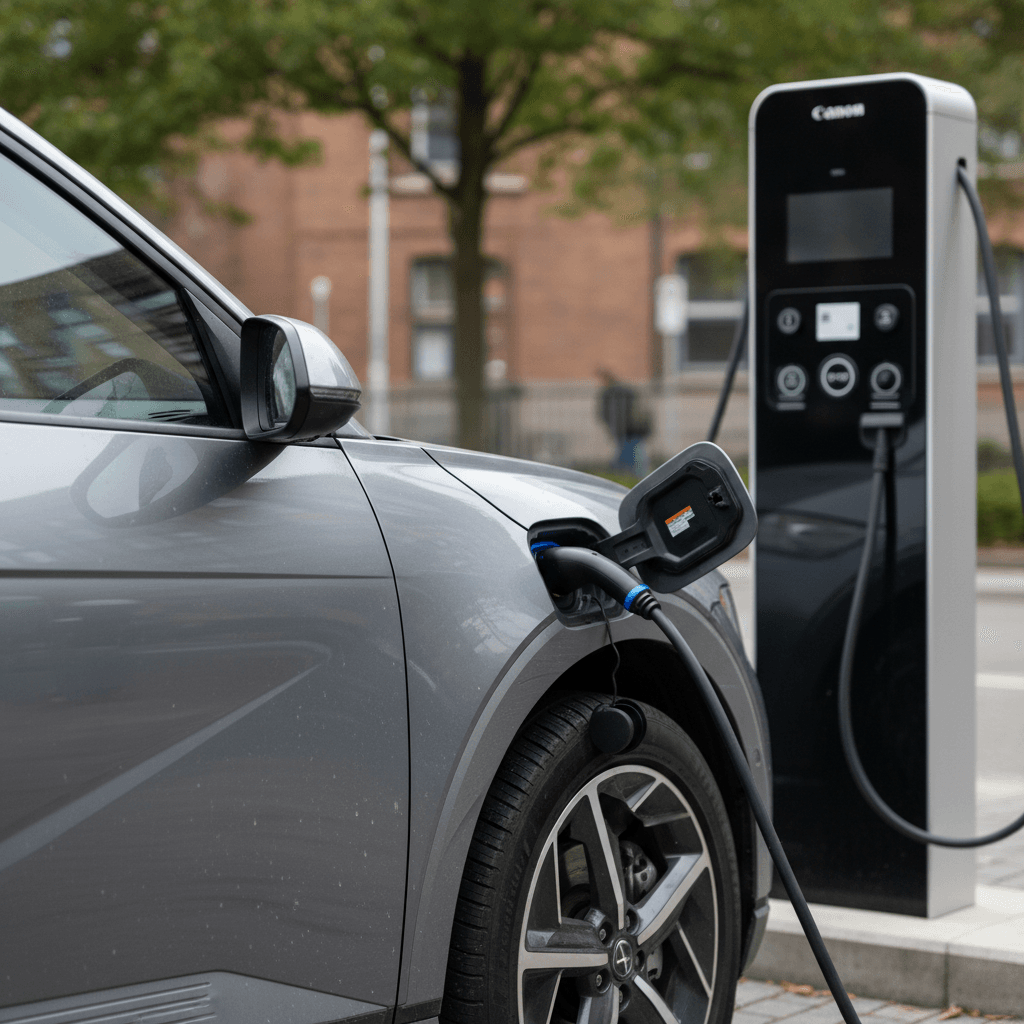
- Current‑gen Niro EVs offer around 253 miles EPA range with the 64.8 kWh battery, plenty for most commuters.
- That translates to roughly 3.5–4.0 miles/kWh in mixed driving if you drive reasonably efficiently.
- DC fast charging tops out around 80–90 kW; it’s not the fastest in class, but a 10–80% session in 40–45 minutes is realistic on a good CCS charger.
Checklist: Does this Niro EV’s range work for you?
1. Map your weekly driving
Add up your typical weekly miles: commute, errands, kids’ activities, weekend outings. If you’re under ~200 miles between charges, a healthy Niro EV will likely feel effortless.
2. Ask the seller for a full charge screenshot
Have them charge to 100% and send a photo of the dash showing estimated range. Compare that estimate to the EPA range for that model year and wheel size, some deviation is normal but big gaps are red flags.
3. Check the lifetime efficiency
On the instrument cluster or infotainment, look for lifetime mi/kWh (or kWh/100 mi). Extremely poor efficiency may point to heavy high‑speed driving, oversized tires, or other usage patterns that reduce range.
4. Test Level 2 charging
If possible, plug in to a 240V Level 2 charger during the test drive. Confirm the car starts charging immediately and that the in‑car estimate for time‑to‑full looks reasonable for a 64 kWh battery.
5. Try a DC fast charger
A short CCS fast‑charge session (e.g., 20–50%) will show if the car can ramp up to expected power and hold a stable charge. Sudden drops or repeated failures to initiate a session deserve investigation.
Battery health: what you can’t see from the odometer
Step 4: Used Kia Niro EV physical inspection checklist
Once you’ve confirmed it’s truly a Niro EV and the battery appears healthy enough for your needs, it’s time to look at the car like any used vehicle, plus a few EV‑specific items. The Niro platform has generally solid reliability, but buyers report some recurring themes you’ll want to screen for.
Exterior, interior, and drivetrain checks
1. Walkaround: body and wheels
Look for panel gaps around the front bumper and charge port door, uneven paint, or mismatched panels that could signal accident repairs. Check wheels and tires for curb rash and uneven wear, which can hint at alignment issues.
2. Front‑end noises on the test drive
On a quiet road at 30–60 mph, listen for whining, grinding, or "wheel of fortune" sounds from the front. Owners sometimes report reduction‑gear or motor noises, these are expensive if out of warranty.
3. Brake feel and regen
Test one‑pedal or high‑regen modes to make sure deceleration feels smooth and consistent. Then do a few harder stops to check for shuddering or pulling that could indicate warped rotors or uneven pad wear from infrequent friction‑brake use.
4. Suspension and ride quality
Drive over patched pavement and small bumps. Clunks or rattles can indicate worn bushings or struts. A Niro EV should feel tight and composed, not loose or noisy.
5. Interior electronics and climate
Cycle the infotainment, instrument cluster, cameras, power windows, seats, and especially the heat pump/AC. Poor heat or defrost performance can be a major annoyance in colder climates.
6. 12V battery and warning lights
Ask when the 12V battery was last replaced; many EV owners underestimate its importance. On start‑up, the dash should light up briefly, then settle with no persistent warning icons. Any EV system or battery warnings should be investigated before purchase.
Don’t ignore minor EV‑specific symptoms
Step 5: Software, warranty, and service history
With any modern EV, software, connectivity, and warranty coverage matter almost as much as hardware. The Niro EV depends on software for everything from charging behavior to driver‑assist features, and Kia’s warranty structure is a big part of the value story, especially on used cars.
Software and connectivity checks
- Infotainment version: In the settings menu, note the software version and ask the seller if updates have been done regularly at a Kia dealer.
- Smartphone integration: Test Apple CarPlay/Android Auto (wired or wireless, depending on year) and basic Bluetooth calling/streaming.
- Driver‑assist calibration: During the test drive, gently test lane‑keeping and adaptive cruise (if equipped). The car should track lanes without ping‑ponging or sudden braking.
- App connectivity: If possible, have the owner show you the Kia Connect app, then ensure the account can be transferred or reset for you as the new owner.
Warranty and service history
- High‑voltage battery warranty: Kia typically backs EV batteries for up to 10 years/100,000 miles against defects and capacity loss, which is a major safety net for used buyers.
- Bumper‑to‑bumper coverage: Confirm whether the comprehensive warranty is still active on newer cars; it may cover electronics, interior, and some charging issues.
- Service records: Ask for invoices or a dealer print‑out showing routine maintenance, software updates, and any EV‑system repairs.
- Open recalls and campaigns: Run the VIN through Kia’s website or NHTSA to check for outstanding recalls, especially EV‑specific campaigns involving the battery or charging system.
Why service history matters more on EVs
Step 6: Pricing, incentives, and total cost
Niro EVs have historically depreciated faster than some competitors, which is bad news for first owners but a big opportunity for used buyers. A few minutes of homework on pricing, financing, and incentives can translate directly into thousands of dollars saved over the life of the car.
Key cost questions before you commit
Don’t just look at the sticker price, look at what it really costs to own.
Is the asking price fair?
What will you pay monthly?
How low are your running costs?
Checklist: Pricing, incentives, and value
1. Compare multiple listings
Search for at least 3–5 similar Niro EVs (same generation, trim, and mileage band). Outliers may signal hidden issues or unrealistic pricing.
2. Check for EV incentives in your state
While the Niro EV may not qualify for new‑car federal credits due to final assembly location, many states and utilities still offer rebates or bill credits for EV purchases and home charger installations.
3. Estimate your energy cost per mile
Divide your home electricity cost per kWh by a realistic efficiency number (e.g., 3.5 mi/kWh). Comparing this to your current gas cost per mile clarifies your real savings.
4. Ask about included charging equipment
Confirm whether a portable Level 1/2 EVSE, any adapters, or a home wallbox are included. Replacing missing gear can add hundreds of dollars to your first‑year cost.
5. Consider resale and exit options
Think about how long you plan to keep the Niro EV. Models with cleaner histories, popular colors, and well‑documented service will be easier to sell or trade later.
How Recharged helps with a used Kia Niro EV
Buying a used EV is different from buying a used gas car: you’re betting on invisible battery health, charging behavior, and software as much as mechanical components. That’s exactly the gap Recharged was built to close.
What you get with a Niro EV from Recharged
Less guesswork, more confidence, especially around battery health and pricing.
Recharged Score battery report
EV‑specialist inspection
Digital purchase + delivery
Ready to find your next EV?
Browse VehiclesAlready own a car?
Kia Niro EV buying checklist: summary
The Kia Niro EV is one of the more rational EV choices on the market: efficient, comfortable, and easy to live with if you mostly charge at home. The flip side is that it’s easy to underestimate how important battery health, charging behavior, and subtle drivetrain issues can be on the used market. A disciplined buying checklist helps you separate great Niro EVs from the ones that will soak up your time and money.
- Verify you’re looking at a full EV, not a hybrid or PHEV.
- Choose the generation and trim that match your budget and feature needs.
- Confirm that range and battery health support your daily driving pattern.
- Use a structured inspection to catch noises, charging quirks, and 12V issues.
- Review software, warranty, and service records before you fall in love with the color.
- Run the numbers on pricing, incentives, and total cost of ownership, not just the monthly payment.
If you follow this Kia Niro EV buying checklist, and, ideally, pair it with an objective battery‑health report like the Recharged Score, you’ll be in a far stronger position than most shoppers. Whether you buy from a dealer, a private seller, or directly through Recharged, the goal is the same: get a Niro EV that drives like new, charges reliably, and fits both your life and your budget for years to come.