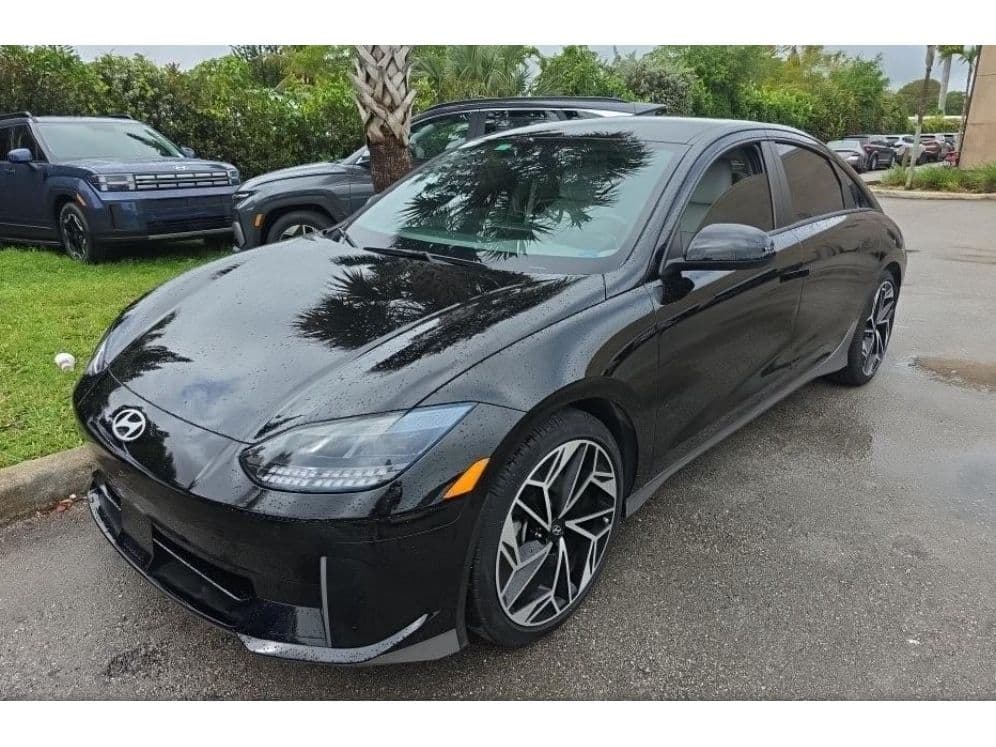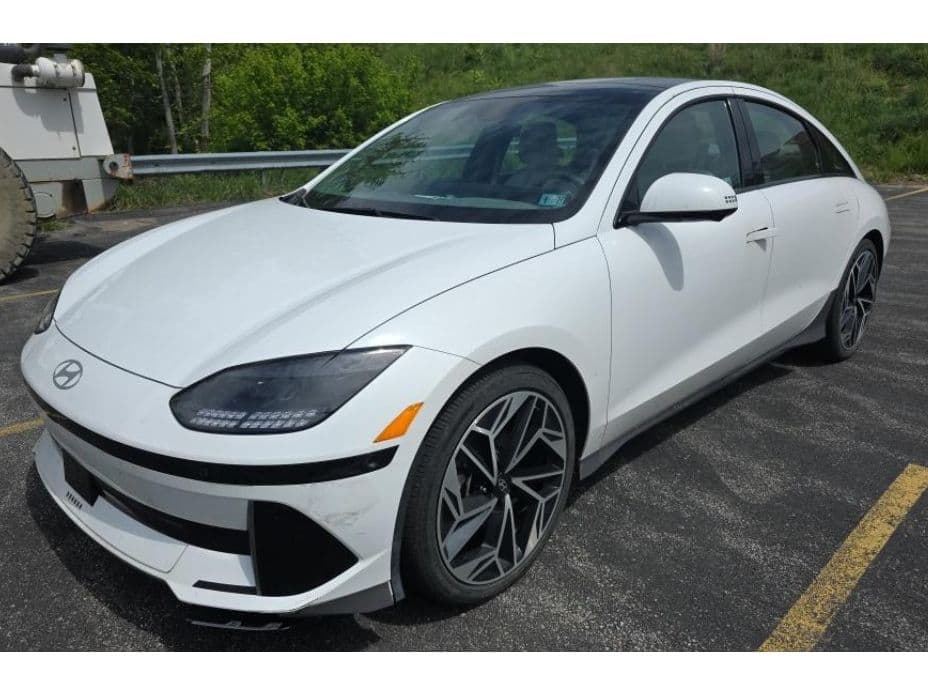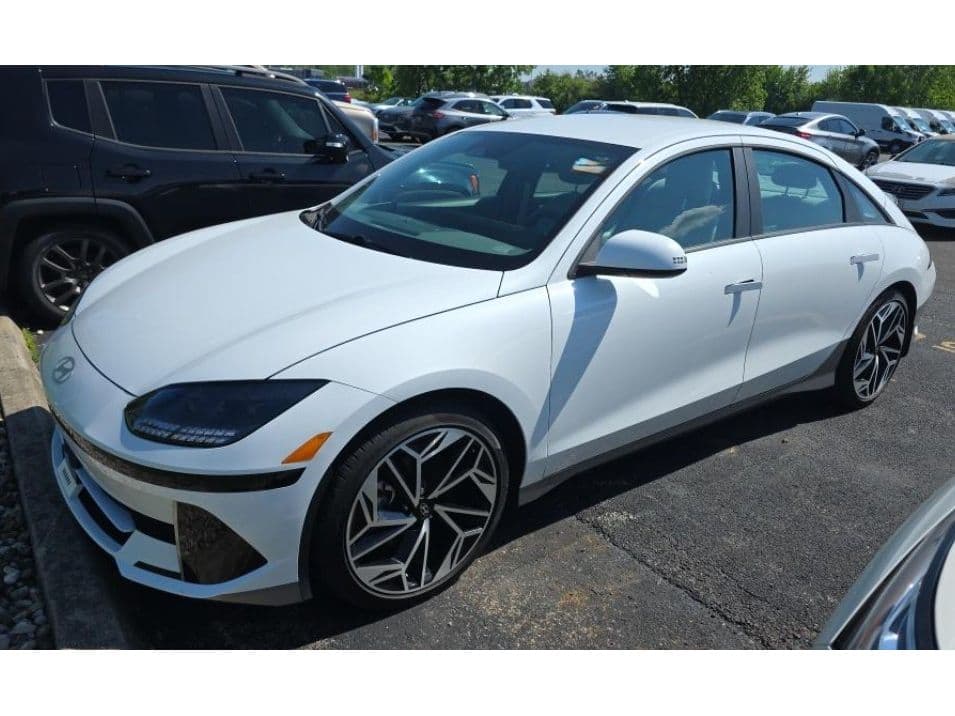
Type "2024 Hyundai IONIQ 6 problems" into a search bar and you’ll get a split-screen narrative: ecstatic owners raving about efficiency and design, and a vocal minority stuck at chargers, waiting on parts, or trading war stories about cryptic fault codes. If you’re considering a new or used IONIQ 6, especially a 2024 model year, you want to know which issues are real, how serious they are, and what to watch for.
Quick take
Overview: Should you worry about 2024 IONIQ 6 problems?
Hyundai’s swoopy electric streamliner rides on the E‑GMP platform shared with the IONIQ 5 and Kia EV6. That’s good news: the hardware is mature, the 800‑volt architecture is legitimately advanced, and **most owners report smooth sailing aside from recalls and minor annoyances**. On long‑term owner forums you’ll see plenty of posts along the lines of “no issues in 12–20k miles,” sitting right next to threads about a dead car on a flatbed or a stubborn charging session.
- No single systemic defect has emerged that makes the 2024 IONIQ 6 a “do not buy.”
- The most serious problems tend to cluster around charging hardware and the Integrated Charging Control Unit (ICCU), as with sibling E‑GMP models.
- There are a handful of recalls that every 2024 owner, or used‑EV shopper, should confirm have been completed.
- Software and UX complaints (alerts, UI logic, preconditioning behavior) are common, but usually more irritating than dangerous.
Used‑buyer shortcut
Major 2024 Hyundai IONIQ 6 recalls to know about
Recalls aren’t unique to Hyundai; they’re the tax we all pay for building computers that weigh two tons and travel at interstate speeds. The key is knowing which campaigns affect the 2024 IONIQ 6 and how serious they are.
2024 IONIQ 6 recall snapshot (North America)
Here are the big items that have touched the IONIQ 6 so far:
Key 2024 IONIQ 6–related recalls
Most are one‑and‑done fixes, but you want proof they were done.
Charging‑port door recall
Rear motor/differential bolt campaign
Don’t skip the boring paperwork
Charging, ICCU failures & port problems
If there is a defining theme in 2024 Hyundai IONIQ 6 problems, it’s the charging ecosystem. Some of this is on the car, some of it is on public charging networks, and some of it is just the pain of being an early adopter in a country that built gas stations first and thought about electrons later.
The big three: how 2024 IONIQ 6 charging issues show up
Different symptoms, often tied back to the same small set of components.
1. Level 2 throttling or overheating
2. DC fast‑charging frustration
3. ICCU faults and 12‑volt issues
When a charging issue is a safety issue
Layered on top of that is the **charging‑port door recall**, which is more embarrassment than disaster, but still worth addressing. A missing or loose door can accelerate corrosion in harsh climates and make winter charging that much less pleasant.
If you’re test‑driving or inspecting a 2024 IONIQ 6
1. Bring or find a healthy Level 2
If possible, plug into a known‑good 40A+ Level 2 charger. Watch the charge rate at the station and in the car. Does it maintain speed after 20–30 minutes, or does it fall off a cliff?
2. Try a reputable DC fast charger
Use the built‑in nav to route to a DC fast charger and arrive with 10–30% state of charge. If the station is healthy, you should briefly see triple‑digit kW rates, especially in mild weather.
3. Inspect the port door hardware
Open and close the charging‑port door several times. Check for looseness, scraping, or mis‑alignment. Ask for documentation that the port‑door recall has been completed if the car is in the affected VIN range.
4. Scan for ICCU history
On a used car, ask the seller point‑blank: has it ever needed ICCU or 12‑volt electrical repairs? At Recharged, any such repairs are flagged in the Recharged Score Report so you can decide if you’re comfortable with the fix history.
Software, driver-assist quirks & UX annoyances
Hyundai’s infotainment and driver‑assist stack is not disastrous, but it is… opinionated. Many 2024 IONIQ 6 owners praise the basic layout and voice controls while complaining loudly about the car’s bedside manner.
Common 2024 IONIQ 6 software & UX complaints
Most won’t strand you, but they can grate on daily drivers.
Hyperactive beeps & ghost alerts
Missing or clumsy features
Instrument cluster & dimming behavior
Fixable with updates
Battery range, degradation & winter behavior
On paper, the 2024 Hyundai IONIQ 6 boasts excellent efficiency and EPA range, especially in long‑range rear‑drive form. In the wild, owners report a more complicated reality, especially on highways and in cold climates.
What owners actually see day to day
- City and mixed driving can get impressively close to EPA numbers in mild weather, especially on 18‑inch wheels.
- High‑speed highway runs at 75–80 mph often land in the 300–350 km / 185–220 mile range window for long‑range trims, especially with the 20‑inch wheels that many reviewers hate for good reason.
- Some new owners panic when the projected range after a 90% charge drops over time, from, say, 280 to 230 miles. That’s usually the car learning your real‑world driving, not the battery dissolving in front of your eyes.
Cold weather behavior
- Like every EV, the IONIQ 6 loses range in winter. Heat‑pump cars fare better, but frequent short trips in sub‑freezing temps can easily knock 25–40% off your summer range.
- Some owners have reported occasional hiccups with the heat pump starting up in heater mode; in most cases, cycling the car off and on clears it, but persistent issues deserve a dealer visit.
- Preconditioning the cabin and pack while plugged in, where the car allows it, goes a long way toward making a cold IONIQ 6 feel normal again.
How Recharged looks at battery health
How common are 2024 IONIQ 6 problems really?
It’s easy to mistake forum threads for epidemiology. People without problems tend not to post, while unhappy owners congregate online like birds over a landfill. To put the 2024 IONIQ 6 in context, it helps to separate three groups:
- Owners reporting essentially trouble‑free cars aside from recall visits and routine maintenance.
- Owners frustrated by **charging‑related headaches**, some car‑related, some charger‑related, often hard to untangle.
- A much smaller third group experiencing **ICCU failures or serious electrical faults** that leave the car undriveable until repaired.
The silent majority
The honest summary: the 2024 IONIQ 6 doesn’t rise to the level of a problem‑child like some early‑production EVs, but it also isn’t a paragon of defect‑free reliability. If you buy wisely, favoring cars with clean charging histories and up‑to‑date campaigns, you tilt the odds heavily in your favor.
What to check before buying a used IONIQ 6
If you’re cross‑shopping a 2024 IONIQ 6 against other used EVs, the homework list is slightly different from a gasoline car. You care less about oil changes and more about electrons, firmware, and how the first owner actually lived with the car.
10‑point checklist for a used 2024 Hyundai IONIQ 6
1. Run the VIN for recalls and campaigns
Confirm that the charging‑port door recall and any ICCU‑related campaigns have been completed. Ask for dealer service records, not just a seller’s word.
2. Ask directly about charging issues
Has the car ever refused to charge, charged much slower than expected on a healthy station, or needed ICCU/onboard‑charger work? Intermittent charging issues can be hard to reproduce on a short test drive.
3. Verify battery health, not just range guesses
A dash range estimate can be wildly optimistic or pessimistic. Look for a third‑party or dealer battery‑health report, or, on Recharged, the battery section of the Recharged Score, showing state of health and any unusual module behavior.
4. Inspect the charge port & door
Check for corrosion, damage, or evidence of a replaced port door. A fresh, correctly aligned door with proper gasket contact is what you want to see, especially in wet or salty climates.
5. Test AC and DC charging
If the seller allows it, do a short Level 2 session and, ideally, a DC fast‑charge stop. Watch for error messages, odd noises from the charging hardware, or abrupt throttling unrelated to a busy station.
6. Listen for drivetrain noise on AWD models
On all‑wheel‑drive trims, do a few low‑speed accelerations and decelerations with the windows cracked. You’re listening for clunks, grinding, or whining from the rear that could hint at differential or motor‑gear issues.
7. Poke at the software
Cycle through drive modes, driver‑assist settings, and infotainment. Make sure the cluster, cameras and sensors behave normally, and that annoying behavior (like over‑eager alerts) can be dialed back in settings.
8. Examine tires and wheels
Those big 20‑inch wheels look great in photos and terrible on your range. Check for uneven wear and decide whether you’re okay with the hit to efficiency. If not, budget for a switch to 18‑inch wheels down the road.
9. Check for water intrusion signs
Lift cargo‑area mats and check under‑floor storage for dampness, stains, or musty smells. Around the charge port and tailgate, look for evidence of repeated moisture ingress.
10. Confirm warranty coverage
Hyundai’s EV component and battery warranties are a major part of the value story. For a 2024 model, you should still have years of coverage left; verify in writing what remains and whether the warranty is fully transferable.
How Recharged simplifies this list
2024 IONIQ 6 problems vs other used EVs
No used EV is perfect; the trick is understanding each model’s particular sins. The 2024 Hyundai IONIQ 6 trends differently from, say, a Tesla Model 3 or a Nissan Leaf.
How the 2024 IONIQ 6’s problem pattern compares
High‑level look at where the IONIQ 6 fits among common used‑EV options.
| Model | Typical "big" problems | Charging experience | Software feel | Battery reputation |
|---|---|---|---|---|
| Hyundai IONIQ 6 (2024) | ICCU faults (uncommon but serious), charging‑port door recall, sensor quirks | Excellent hardware; inconsistent public fast‑charging experience, some Level 2 throttling reports | Functional but fussy; strong beeps, missing some conveniences | So far, good; limited long‑term data but no widespread failures |
| Hyundai IONIQ 5 / Kia EV6 | Same ICCU/charging‑system concerns as IONIQ 6; early‑build niggles | Very quick when stations cooperate; some EA drama | Similar UX and alert behavior; more OTA updates rolling out | Generally solid; more real‑world history than the 6 |
| Tesla Model 3 (2021–2023) | Panel/trim issues, suspension clunks, some battery‑sensor faults | Very strong thanks to Supercharger network, especially with NACS | Slick, minimalist, frequent updates; some feature churn | Good chemistry, but high‑mileage cars can show more degradation |
| Nissan Leaf (40–62 kWh) | Air‑cooling leads to faster degradation in hot climates | Limited DC fast‑charging speed; CHAdeMO network shrinking | Dated but simple | Higher risk of range loss; must check SOH carefully |
Every individual car is unique, but patterns by model can guide your shopping strategy.
Viewed that way, the IONIQ 6’s problem profile is **less about the pack dying** and more about how that pack talks to chargers and control units. If you choose a car with clean charging history and up‑to‑date service, you avoid most of the meaningful downside.
FAQ: 2024 Hyundai IONIQ 6 problems & ownership
Frequently asked questions about 2024 IONIQ 6 problems
Bottom line: is a 2024 IONIQ 6 a smart buy used?
If you’ve fallen for the 2024 Hyundai IONIQ 6, the Art Deco surfboard styling, the lounge‑like cabin, the slippery efficiency, you don’t have to abandon the idea because you’ve read a few scary threads. What you do need is a sober view of its problem profile. This car’s headline issues live in the charging and ICCU neighborhood, with a supporting cast of recalls and software annoyances. Steer around those, and you’re left with a quick, comfortable, efficient EV that fits many drivers’ lives remarkably well.
The smartest move is to treat a used IONIQ 6 like what it is: a rolling computer with a very expensive battery. That means prioritizing clean diagnostic data, transparent history and up‑to‑date campaigns over color and wheel design. Shop with a retailer that understands EVs, like Recharged, where every car comes with a Recharged Score battery‑health report, expert guidance and convenient financing and delivery, and you dramatically reduce the odds that “2024 Hyundai IONIQ 6 problems” ever becomes your search term again.