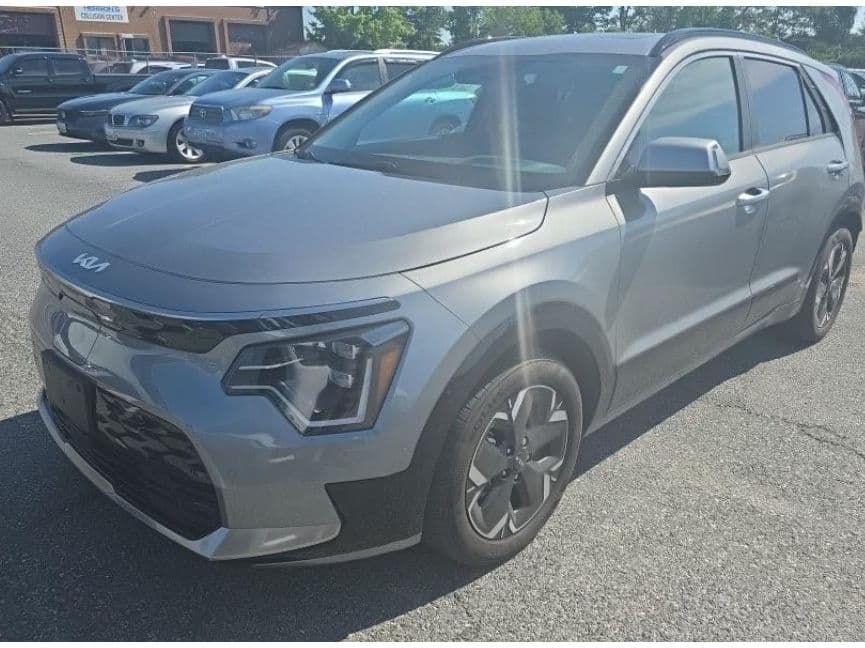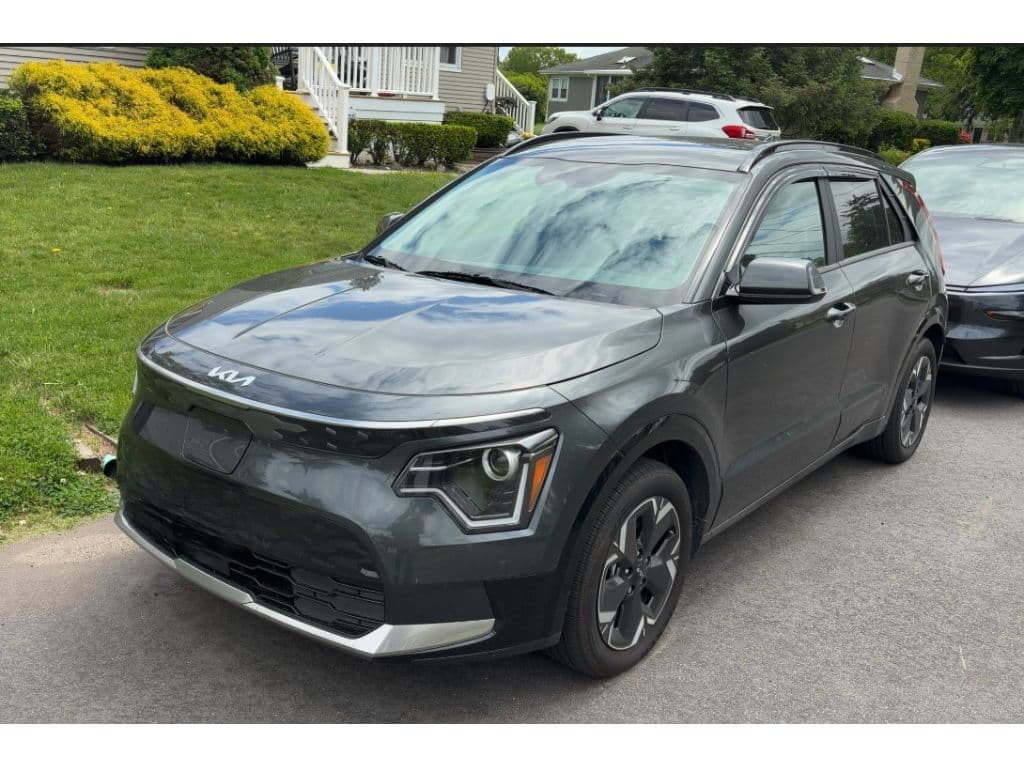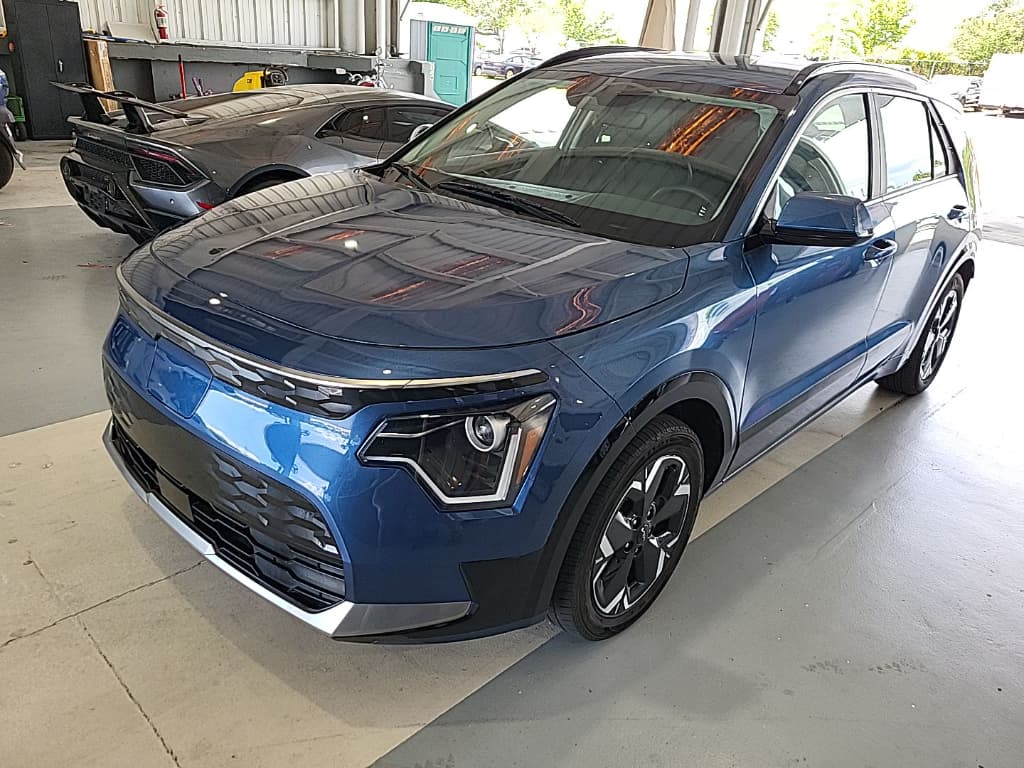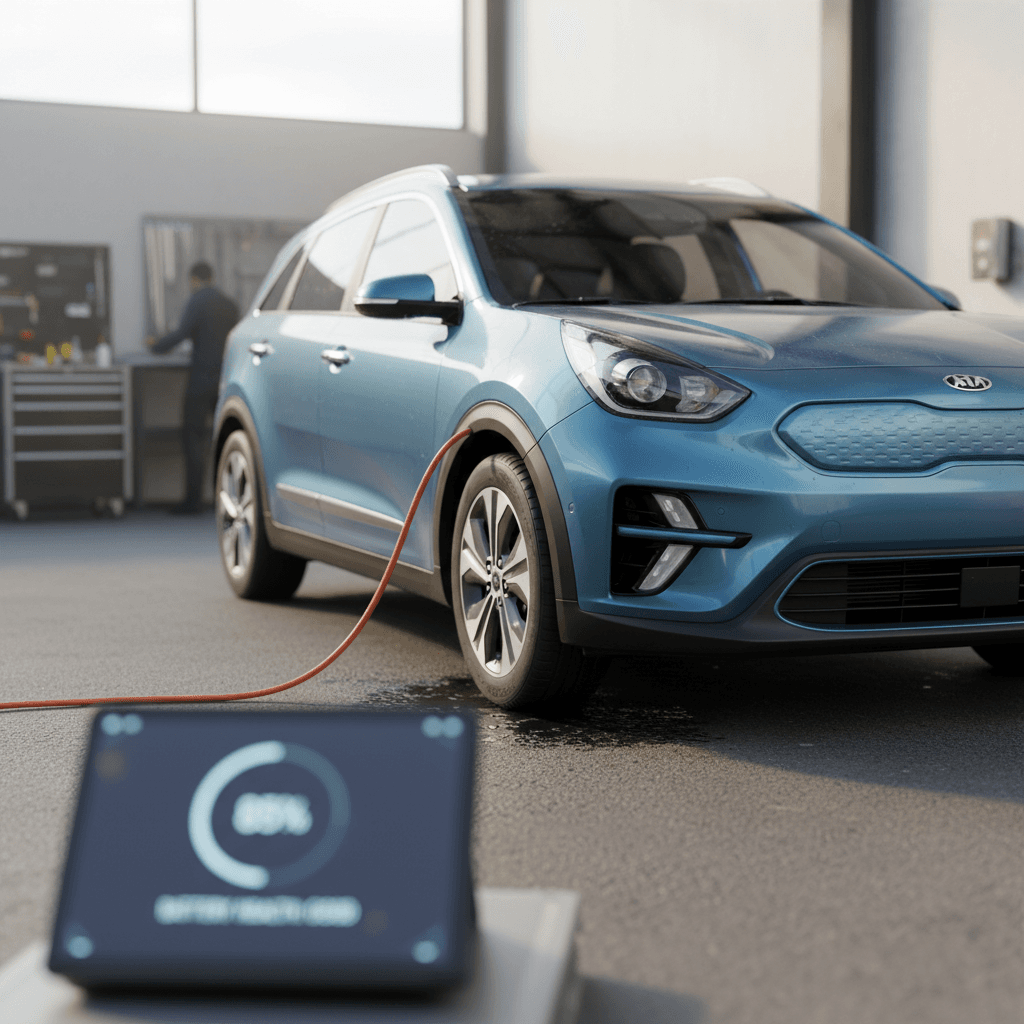
If you’re looking at a used 2019 Kia Niro EV, you’ve probably heard mixed things: great efficiency and range, but some scary stories about drivetrain noises, 12‑volt battery failures, or charging issues. This guide pulls together what real owners, service bulletins, and long‑term reports say about 2019 Kia Niro EV problems, and how to shop one confidently instead of rolling the dice.
Quick take
Overview: How Reliable is the 2019 Kia Niro EV?
The 2019 Niro EV was Kia’s first fully electric version of the Niro crossover sold in the U.S. It uses a 64 kWh pack and a 201 hp front motor that later showed up in the Hyundai Kona Electric and other Hyundai–Kia EVs. In real‑world owner reports, high‑mileage 2019s with 80,000–110,000 miles often show minimal battery degradation and relatively low rates of serious failures, especially compared with early Nissan Leafs or first‑gen BMW i3s.
2019 Niro EV reliability at a glance
That said, not every 2019 Niro EV is a safe bet. A small but meaningful number of owners report expensive drivetrain repairs (reduction gear or motor), repeated 12V battery replacements, and charging or cooling‑system work. When you’re buying used, the real question isn’t “Is the model reliable?” It’s “Is this particular car healthy?” We’ll walk through both the pattern problems and the inspection steps that separate a solid car from a headache.
Quick list: Most common 2019 Niro EV problems
- Rumbling or “wheel of fortune” noise from the front end at 40–60 mph (reduction gear or motor issues)
- Premature 12V battery failures, sometimes multiple replacements under relatively low mileage
- Intermittent Level 2 or DC fast‑charging interruptions, sometimes tied to onboard charger or DC/DC converter faults
- Cooling‑system warnings such as “refill inverter coolant” that can sideline the vehicle until repaired
- Folding‑mirror mechanism failures and other minor hardware issues (switches, trim, door‑handle buttons)
- Occasional HVAC problems (A/C losing cooling performance)
- Normal wear items around 100k miles: bushings, CV joints, tires, especially with inner‑edge wear
Model‑year nuance
Drivetrain & gear reduction noise
The single biggest high‑dollar concern on a 2019 Niro EV is unwanted noise from the front drivetrain. Owners describe it as a “wheel of fortune” whirring, a rumble, or a growling/ticking sound that typically shows up between 40 and 60 mph and can get progressively worse over time.
The source is usually the reduction gear unit (the fixed‑ratio gearset that replaces a conventional transmission) and, less commonly, the drive motor itself. Several owners have had the reduction gear replaced around 40–60k miles, often under warranty. When caught early, the fix is straightforward if the dealer knows the issue; when ignored, the noise can progress and potentially lead to more extensive work.
Test‑drive tip
What’s normal
- Gentle whine from the motor under heavy acceleration
- Light tire roar depending on pavement
- Subtle single‑speed gearbox hum that doesn’t change suddenly over time
What’s a red flag
- New or growing rumble at 40–60 mph
- Ticking, grinding, or knocking from the front when cruising
- Noise that doesn’t match tire brand or road surface changes
Why this matters
12V battery failures and electrical quirks
The high‑voltage pack gets most of the attention, but in day‑to‑day ownership the humble 12‑volt battery is one of the most common pain points on 2019 Niro EVs. Many owners report replacing the 12V battery around the three‑year mark, and a few have gone through two or more batteries by 40k miles.
A weak 12V battery can cause no‑start conditions, random warning messages, and charging interruptions that look like bigger problems than they really are. The root issue is that the Niro EV, like many modern EVs, places a relatively high accessory load on the 12V when the car is off, and Kia didn’t ship the car with a particularly robust original‑equipment battery.
- Repeated dead‑battery incidents after doors are left open or accessories used with the car “off”
- 12V voltage reading low after short periods parked, especially in cold weather
- OEM 12V battery failing around 3–4 years, even at moderate mileage
Smart 12V strategy
Also learn how the car behaves when parked. Any interaction, doors open, climate preconditioning, sitting with the car “on” but not in Ready mode, draws on the 12V system. Keeping these sessions short and driving the car regularly will reduce the chances of waking up to a dead auxiliary battery.
Charging issues: DC fast and Level 2
Another recurring theme in owner reports is intermittent charging interruptions. These show up in two main flavors:
- DC fast charging that starts normally but stops after 10–30 minutes, or won’t exceed ~30 kW on capable stations
- Level 2 charging at home that cycles on and off several times, then shuts down with a red light in the charge port
In some cases, the culprit is the onboard AC charger module itself, which can fail and require replacement. Other times, technicians trace the issue to the DC/DC converter or air trapped in the cooling system, which can trigger protective shutdowns until the coolant is “burped” and the system re‑bled.
Good news
How to test a used Niro EV’s charging health
1. Bring your own Level 2 cable
If possible, plug into a known‑good Level 2 station or portable EVSE you trust. Watch for errors in the first 15–20 minutes.
2. Monitor charge rate
On public Level 2, you should see a steady ~6–7 kW charge rate. On DC fast, expect ~50–70 kW at low state‑of‑charge in warm weather, tapering as the battery fills.
3. Look for port lights or warning messages
A solid green light while charging is good; repeated red lights, frequent start/stop cycles, or error codes on the station or dash are red flags.
4. Try more than one station
If problems appear at a single charger, it might be the station. If the same behavior repeats across multiple chargers and networks, the car deserves a deeper inspection.
Battery health and degradation on 2019 Niro EVs
Among all the “what can go wrong” questions, the battery pack is the big one. The reassuring news: 2019 Niro EV packs have generally aged well. It’s common to see owners with 80–110k miles reporting remaining usable capacity around 94–98% when the car has been charged reasonably (frequent Level 2, occasional DC fast, avoiding long periods at 100%).
High‑voltage battery durability
Of course, not every car lives an ideal life. Long storage at 100%, repeated hot‑weather fast‑charging, or an undiagnosed cooling problem can shorten battery life. That’s why you should always look beyond the simple estimated range number on the dash when you’re evaluating a used car.
Ways to check 2019 Niro EV battery health
Don’t rely on the range guess alone
Instrument‑cluster range
Start with the car’s projected range at 100% or 90% charge.
Compare it to the original EPA estimate of 239 miles. A well‑kept pack will usually be within 5–10% of new, adjusted for your driving style and climate.
OBD app scan
With an OBD2 dongle and a compatible app, you can see:
- Pack state of health (SOH)
- Cell‑to‑cell voltage differences
- Temperatures under load and during charging
Professional battery test
A Recharged Score battery health diagnostic or dealer‑level report gives you a documented baseline, which matters for resale value and peace of mind.
Other 2019 Niro EV problems to watch for
Beyond the big‑ticket items, 2019 Niro EVs have a handful of annoying but usually fixable issues that pop up in owner stories:
- Auto‑folding mirrors: driver‑side mechanisms that break and leave the mirror floppy until replaced
- Body and trim: cracking piano‑black trim, loose screws, or worn interior plastics, especially around the center console and seatbelt buckles
- Door‑handle or unlock buttons failing on one or both sides, sometimes requiring expensive painted‑part replacement
- HVAC issues: air conditioning suddenly losing cooling, often traced to refrigerant leaks or component failures
- Suspension wear around 100k miles: bushings and CV joints starting to make noise, especially on rough roads
- Uneven tire wear, particularly inner‑edge wear, if alignment hasn’t been kept in spec
Don’t sweat the small stuff, too much
Warranty coverage & typical repair costs
For U.S. buyers, most 2019 Niro EVs originally came with a 10‑year/100,000‑mile warranty on the high‑voltage battery and key EV components, and 5‑year/60,000‑mile coverage on the basic bumper‑to‑bumper and powertrain. Depending on in‑service date and mileage, a 2019 model in 2026 may still have meaningful coverage left, or it may be almost entirely out of warranty.
2019 Niro EV problem areas & ballpark repair costs
Estimated retail repair ranges if you’re out of warranty (actual prices vary by region and dealer vs. independent shop).
| Component / issue | Typical symptom | Possible fix | Out‑of‑warranty ballpark |
|---|---|---|---|
| Reduction gear noise | Rumbling/“wheel of fortune” sound at 40–60 mph | Replacement or rebuild of reduction gear unit | $2,000–$4,000 |
| Onboard AC charger fault | L2 charging starts/stops repeatedly or won’t start | Replace onboard charger module | $1,500–$3,000 |
| DC/DC converter or coolant issue | Charging stops; coolant warnings; low charge rate | Diagnose electronics, bleed coolant, replace parts as needed | $500–$2,000 |
| 12V battery failures | Repeated dead 12V; warning lights; no‑start | Replace 12V with high‑quality AGM battery | $150–$350 |
| Folding mirror mechanism | Mirror flops or fails to fold/unfold | Replace mirror assembly | $400–$800 |
| HVAC loss of cooling | A/C blows warm, especially in heat | Leak diagnosis, recharge, or component replacement | $400–$1,500 |
Use these as negotiation context, not precise quotes.
Always check current warranty status
How to inspect a used 2019 Niro EV like a pro
Because the 2019 Niro EV’s most serious problems are pattern failures, a focused pre‑purchase inspection can filter out most of the risky cars. You don’t need to be a technician, you just need a process.
Used 2019 Niro EV inspection checklist
1. Cold start & 12V health
Before the seller has driven the car, power it up from cold. Any hesitation, dash‑light disco, or warning messages deserve a closer look. Ask for 12V battery age and plan to replace if it’s older than 3 years.
2. Quiet‑road drivetrain test
With the radio off and windows up, drive at 45–55 mph on a smooth road. Listen for rumbling, grinding, or “wheel of fortune” sounds from the front. Subtle tire noise is fine; cyclical drivetrain noises are not.
3. Full‑throttle and coast tests
From ~20 mph, do a firm acceleration up to highway speed, then fully lift off the pedal and coast. Odd clunks, shudders, or noises that only happen under power or only while coasting can indicate drivetrain wear.
4. Charging test
If possible, plug into a public Level 2 or DC fast charger. Let it run 20–30 minutes and confirm the car charges steadily without unexplained stops, warnings, or low charge rates in warm weather.
5. Cooling system & A/C
From a cold start, turn on the A/C to LO and max fan. You should get cold air within a minute or so. Check for any coolant or “inverter refill” messages after a longer drive or fast charge.
6. Mirrors, doors, and switches
Cycle the folding mirrors, all door locks, window switches, and steering‑wheel buttons. Small failures here aren’t deal‑breakers, but they’re useful price‑negotiation ammo.
7. Tires, suspension & alignment
Inspect tire tread depth and look for inner‑edge wear. Take the car over a rough road to listen for clunks or knocks from bushings and CV joints, especially on higher‑mileage cars.
8. Battery health evidence
Ask for any service records, range logs, or battery health reports. If you’re serious, get an OBD‑based battery scan or a professional EV inspection so you’re not guessing.
How Recharged evaluates used Niro EVs
When a 2019 Niro EV comes through Recharged, we’re not just checking cosmetic condition and basic functions. Our whole model is built around de‑risking exactly the kinds of issues you’ve just read about.
Inside a Recharged Score for a 2019 Niro EV
Going beyond a quick test drive
Battery health diagnostics
We use dedicated EV tools to measure usable capacity, cell balance, and pack behavior under load, then roll it into a simple Recharged Score so you can compare cars at a glance.
Drivetrain & noise evaluation
Our specialists test for the infamous reduction‑gear and motor noises at different speeds, plus vibrations and clunks that can hint at future repairs.
Transparent history & pricing
Every car gets a history review, fair‑market pricing analysis, and a clear summary of what’s great, what’s merely okay, and what you’ll want to budget for during ownership.
Ready to find your next EV?
Browse VehiclesIf you like the 2019 Niro EV on paper but don’t want to manage all these checks yourself, shopping through Recharged gives you a head start: verified battery health, transparent condition reporting, EV‑specific financing options, and nationwide delivery without spending a weekend at a dealership.
FAQ: 2019 Kia Niro EV problems & used buying
Frequently asked questions
Bottom line: Should you buy a 2019 Niro EV?
If you want an efficient, practical EV with real‑world range in the 200‑plus‑mile ballpark, the 2019 Kia Niro EV belongs on your shortlist. The model’s track record for battery longevity is impressive, and many owners rack up six‑figure mileage with only routine maintenance and a 12‑volt battery or two.
The flip side is that a minority of cars suffer from reduction‑gear noise, charging‑system faults, or cooling issues that can be expensive if they surface out of warranty. That makes inspection and verified diagnostics more important than hunting for the cheapest price.
If you’re comfortable doing your own homework, test‑driving at the right speeds, checking charging behavior, and verifying battery health, a 2019 Niro EV can be a smart, cost‑effective path into EV ownership. If you’d rather have someone else do the technical vetting, consider working with an EV‑focused retailer like Recharged, where every used Niro EV includes a Recharged Score battery report, expert guidance, and a fully digital buying experience from your couch.